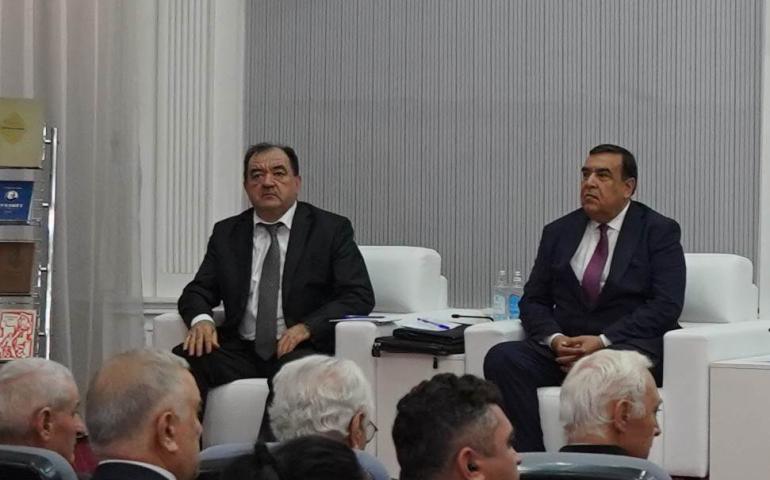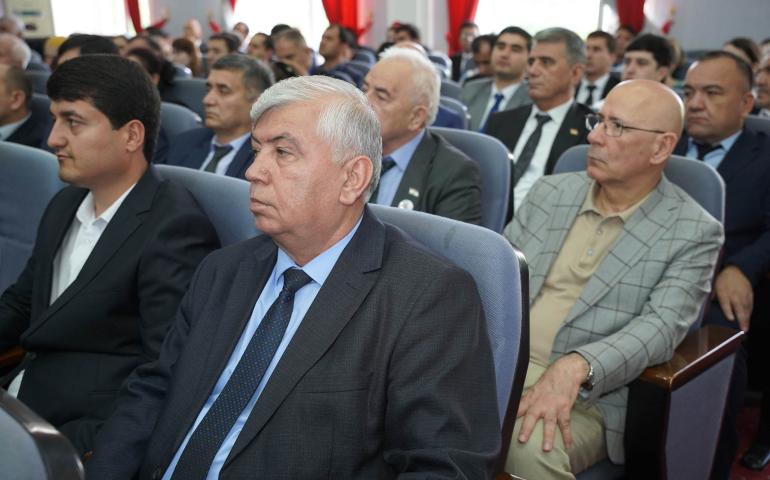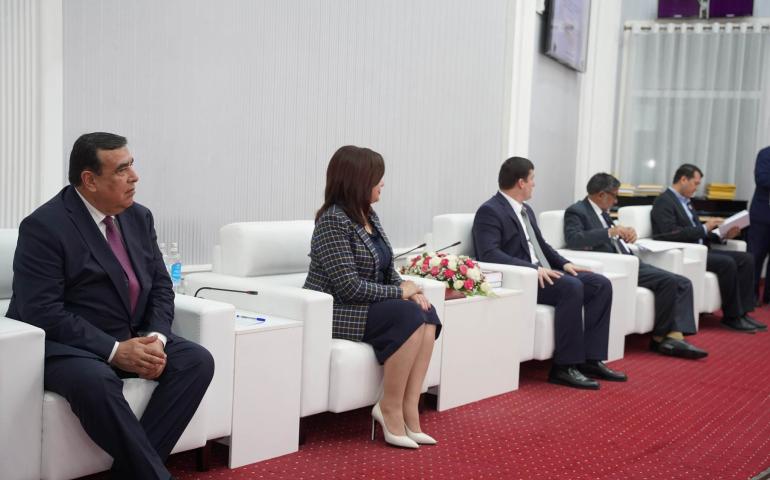

Имрӯз мо аз он ифтихор дорем, ки Тоҷикистони азизи мо ҳамчун кишвари соҳибистиқлол дар арсаи ҷаҳонӣ шинохта шуда, дар радифи кишварҳои рӯ ба тараққӣ мавқеи хоси худро пайдо намудааст.
Чӣ тавре ки ба ҳамагон маълум аст, Истиқлоли давлатӣ дар Ҷумҳурии Тоҷикистон ба осони ба даст наомадааст. Он дар таърихи 9 сентябри соли 1991 аз ҷониби Шӯрои Олии Ҷумҳурии Тоҷикистон эълон гардида, аз пайдоиши давлати нави соҳибихтиёр дар арсаи ҷаҳонӣ ва соҳиби давлати озоди худ шудани миллати тамаддунофари тоҷик башорат дод.
Мутассифона, ҳанӯз дар ҳамон ибтидо мардуми мо шаҳди истиқлол ва давлатдории миллиро начашида ва аҳамияти ин неъмату атои бебаҳои худовандро эҳсос накарда, душманони давлату давлатдории тоҷикон тавонистанд дар марзи Тоҷикистони азиз муноқишаҳои хунину нангинро эҷод бикунанд.
Хушбахтона, дар ин даврони басо пурталотуми тақдирсоз офаридгори олам барои аз вартаи фано наҷот додани давлату миллати тоҷикон Эмомалӣ Раҳмон – фарзанди баору номус, далеру боҷасорат ва фидокору сарсупурдаро ба майдони сиёсат овард.
Ҷаҳду талошҳои пайваста ва ҷон ба каф гирифтанҳои Сарвари ҷавону диловари Тоҷикистон барои ба даст овардани сулҳу салоҳ ва сарҷамъ кардани миллати парешонгашта панҷ соли дароз давом карда бошад ҳам, сиёсати сулҳҷӯёна ва ба ҳамдигарбашхӣ равонагаштаи ӯ аз рӯзҳои аввали ба сари ҳокимият омаданаш мавриди дастгирӣ қарор гирифт ва ин заминаи хубе шуд барои ба роҳ мондани сиёсати хориҷӣ ва ба ҷаҳониён муаррифӣ кардани давлати нави тоҷикон.
Маҳз дастгирӣ ёфтани сиёсати сулҳҷӯёнаи ӯ имкон фароҳам овард, ки Тоҷикистонро чун узви наву комилҳуқуқи ҷомеаи ҷаҳонӣ аксари давлатҳои ҷаҳон ба расмият шиносанд.
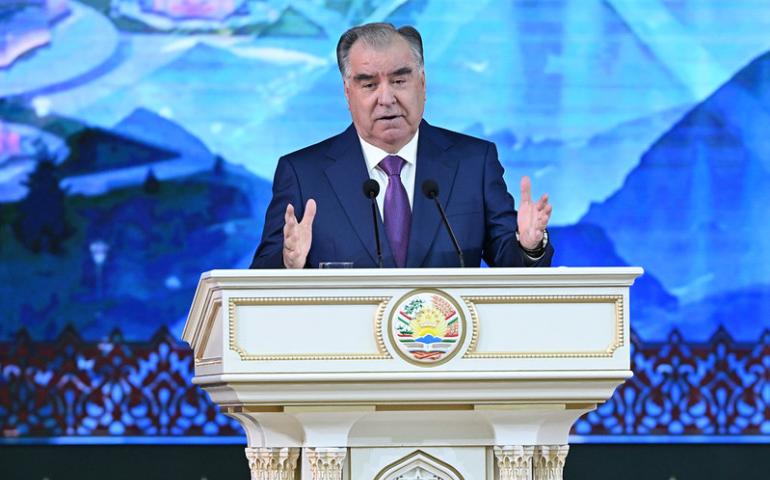
Сарвари давлати Тоҷикистон Эмомалӣ Раҳмон моҳи сентябри соли 1993 нахустин бор аз минбари Созмони Милали Муттаҳид суханронӣ карда, ҷомеаи ҷаҳониро оид ба нияту нақшаҳои бунёдкорона, ҳадафҳои сиёсии сулҳҷӯёна, расидан ба ваҳдати миллӣ, инчунин таҳкиму тақвияти ҳамкориҳо бо ҳама кишварҳои дӯсту сулҳпарвари ҷаҳон ошно намуд.
Мавқеи устувору хулосагариҳои амиқан асосноки Сардори давлати Тоҷикистон аз минбарҳои баланди ҷаҳонӣ эътимоди аҳли сайёраро ба ояндаи неку бобарори Тоҷикистон қавитар намуд. Ҳамин сиёсати Пешвои муаззами миллат сабаб гардид, ки имрӯз истиқлолияти давлатии Ҷумҳурии Тоҷикистонро зиёда аз 190 кишвари ҷаҳон ба расмият шинохта, бо кишвари мо муносибати дипломатӣ барқарор намудааст.
Бо талошҳои бевоситаи хеш Асосгузори Сулҳу ваҳдати миллӣ-Пешвои миллат, муҳтарам Эмомалӣ Раҳмон дар таҳкими роҳҳои давлатдории миллӣ саҳми босазо гузоштааст ва худ ин иқдомро ба чунин тарз қайд намудааст: “Маҳз истиқлолият имконият фароҳам овард, ки мардуми Тоҷикистон тақдири худро ба даст гирифта, роҳи пешрафти минбаъда ва сарнавишти ояндаи сарзамини аҷдодии хешро мустақилона интихоб намояд”.
Таърихи башар собит намудааст, ки ҳифзи истиқлолияту озодӣ кори бисёр сангину душвор мебошад. Аз ин лиҳоз, ҳар фарди бонангу номуси кишвар бояд ба қадри ин неъмати бебаҳо расад ва барои ҳимояи ин дастоварди бузурги таърихӣ ҳамеша омода бошад.
Муҳимтарин вазифаи шаҳрвандӣ ва қарзи фарзандии ҳар як сокини мамлакат, бахусус, наврасону ҷавонон аз он иборат аст, ки Тоҷикистони азиз, Ватани муқаддаси хешро сидқан дӯст дорад ва онро чун гавҳараки чашм ҳифз намояд.
Раванди бисёр мураккабу пурпечутоби ҷаҳонишавӣ ва таҳдиду хатарҳои торафт афзояндаи замони муосир моро ҳушдор медиҳад, ки ҳамеша ҳушёр бошем, зиракии сиёсиро аз даст надиҳем ва давлати соҳибистиқлоли худро аз таъсири таззодҳои ҷаҳони имрӯза эмин нигоҳ дошта, ба хотири фардои ободу осуда саъю талоши бештар кунем.
Имрӯз ҳифзи сулҳу оромӣ, суботи сиёсӣ, таҳкими ваҳдати миллӣ ва заҳмати содиқонаву софдилона барои рушди давлати соҳибистиқлоли тоҷикон ва болоравии нуфузу обрӯи он дар арсаи байналмиллалӣ вазифаи ҳар як шаҳрванди ватандӯст ва бонангу номуси кишвар мебошад, чунки ояндаи ободи сарзамини аҷдодиамон аз ин омилҳо вобастагии мустақим дорад.
Мо, хурду бузурги кишвар бояд ба хотири истиқболи арзандаи ҷашни 34-солагии Истиқлоли давлатии Тоҷикистони маҳбубамон боз ҳам бештар заҳмат кашем, корхонаҳои нави истеҳсолӣ бунёд кунем, иқтидори иқтисодӣ ва имкониятҳои содиротии мамлакатро тақвият бахшем, ҷойҳои нави кор муҳайё намоем, сатҳу сифати зиндагии халқамонро мунтазам баланд бардорем, Ватани азизамонро то дурдасттарин гӯшаҳои он ободу пешрафта гардонем ва собит созем, ки Тоҷикистон ҳамчун давлати соҳибистиқлол дар ҷомеаи мутамаддини асри бисту як ҷойгоҳ ва мақоми шоистаи худро дорад.
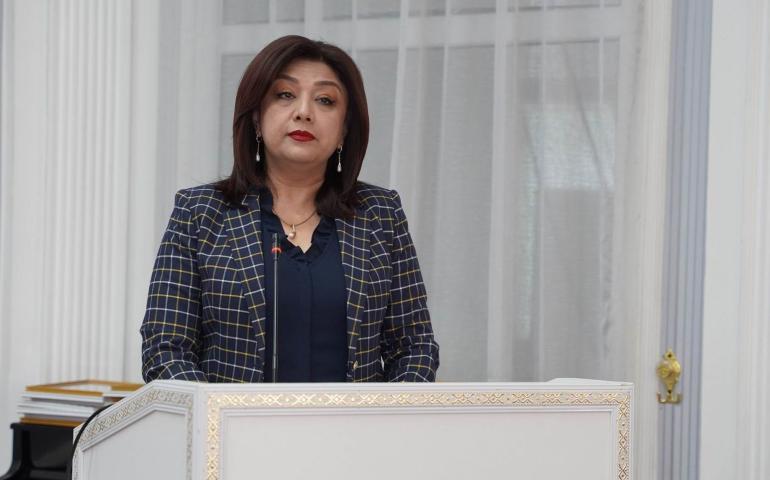
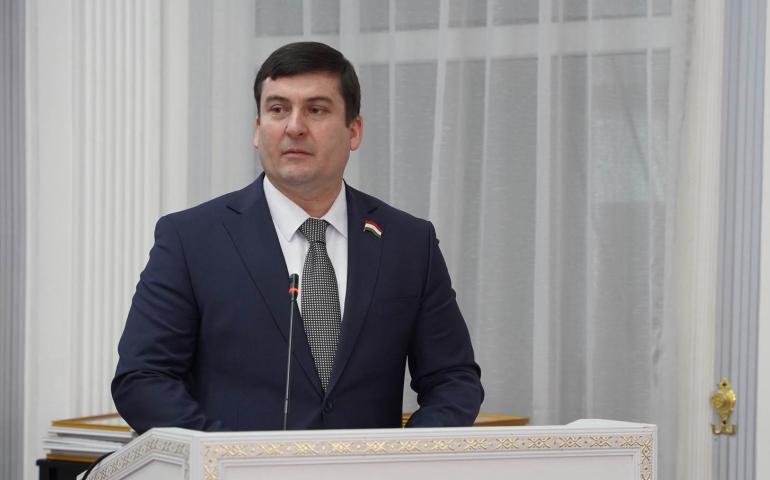
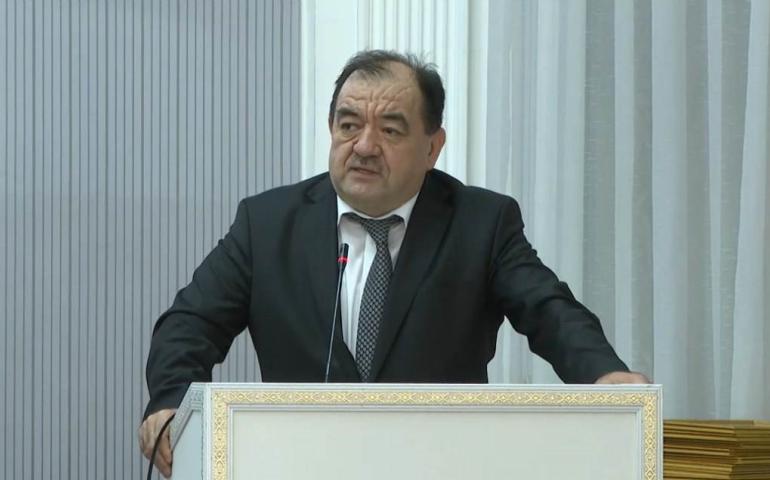
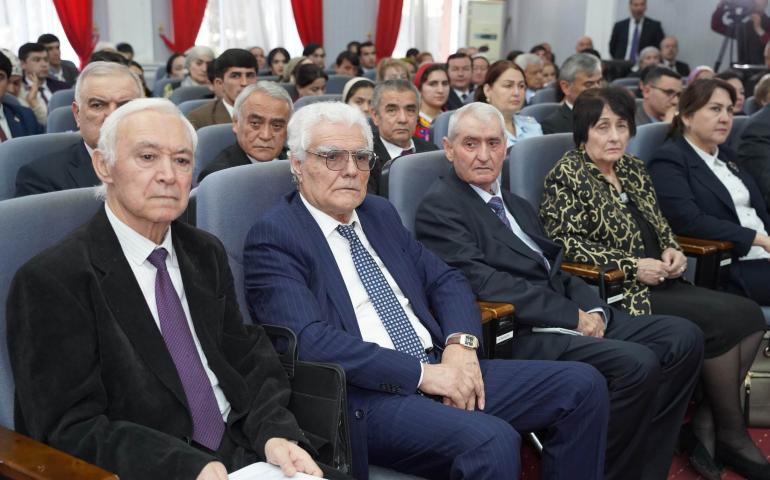
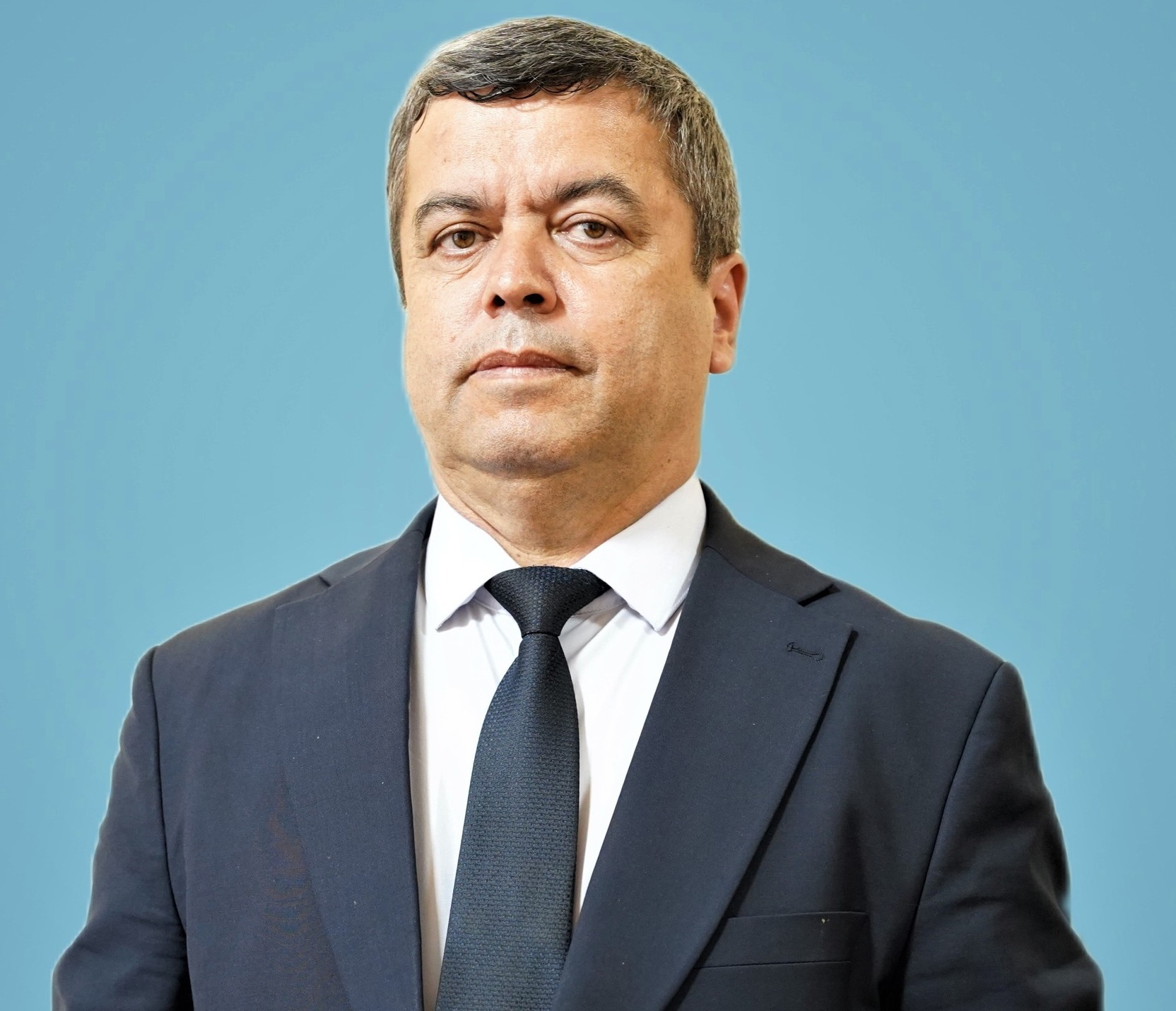
Мирзораҳимзода Акобир Карим, ноиби президенти АМИТ,
раиси Шуъбаи илмҳои биологияи АМИТ, доктори илмҳои биология, профессор
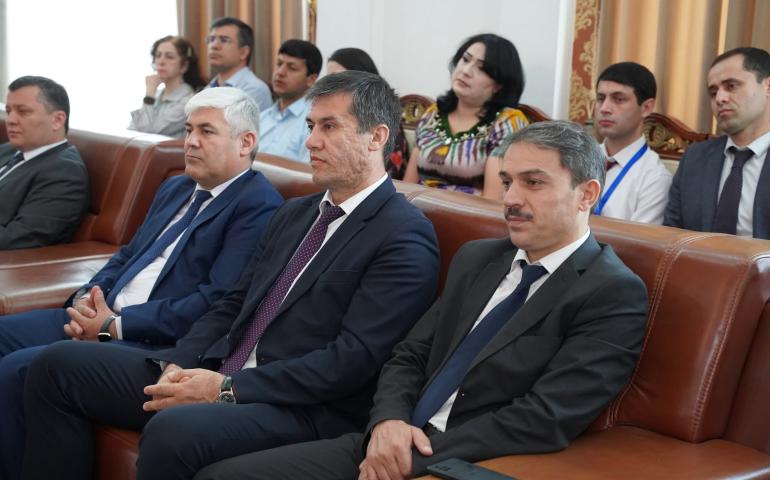
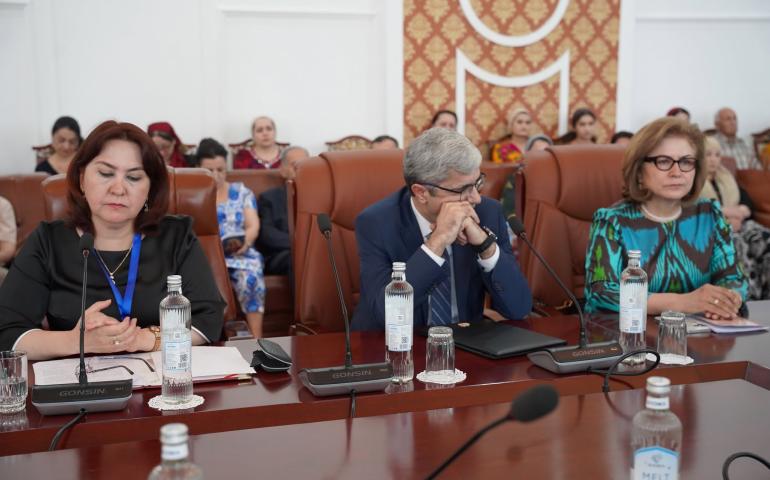
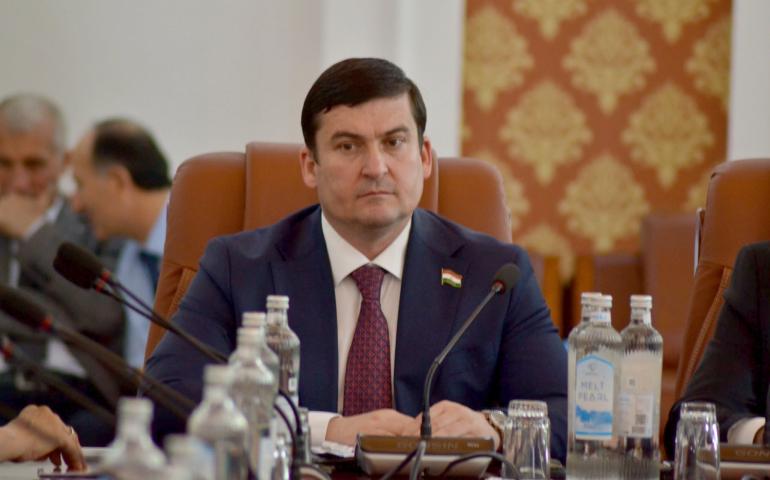
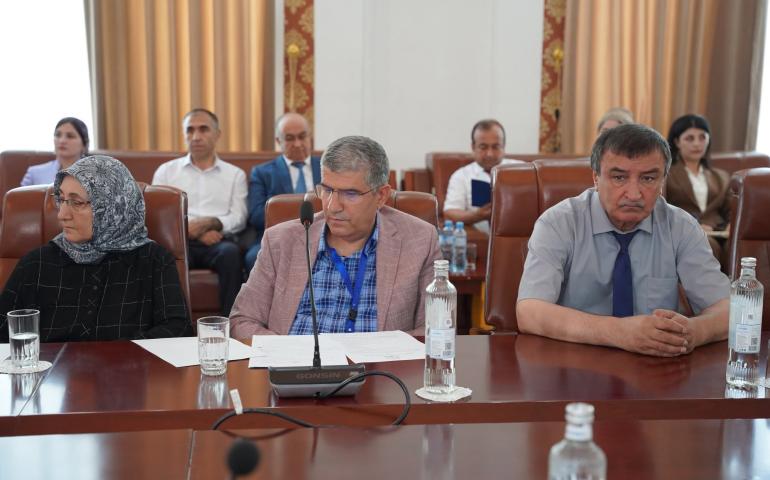
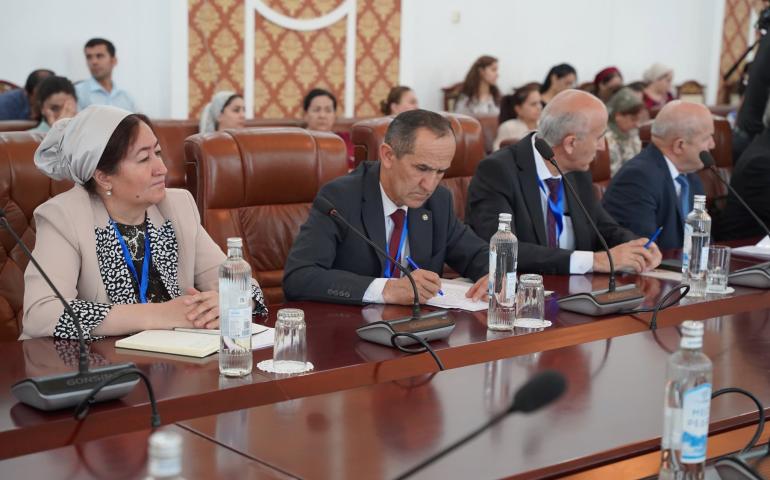
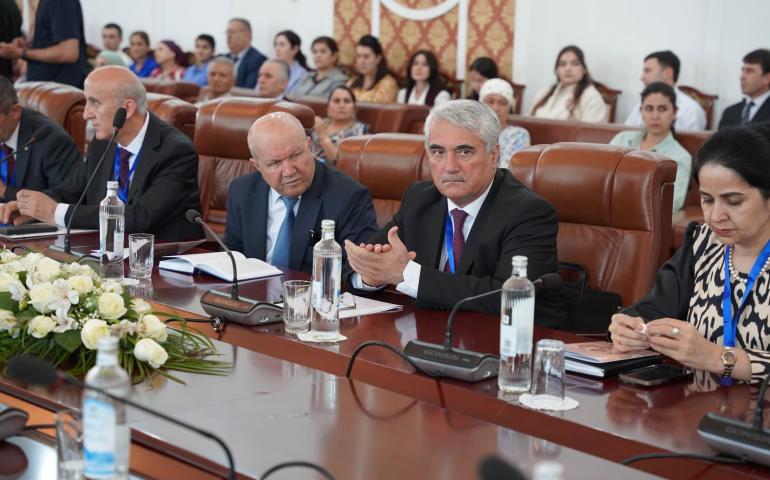
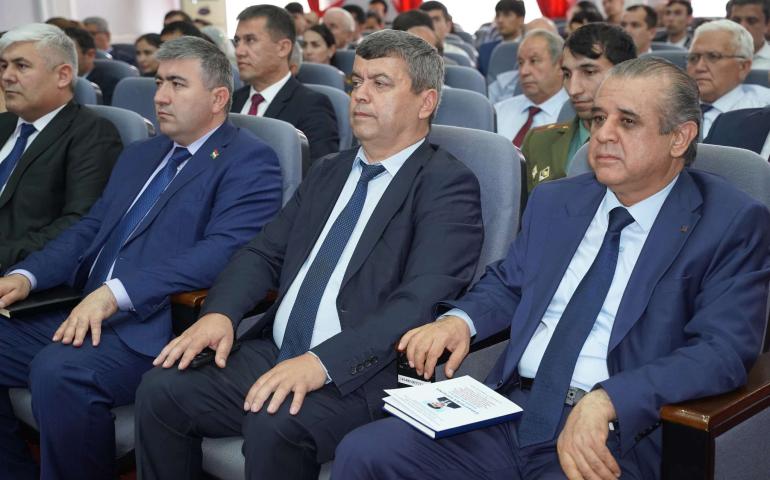
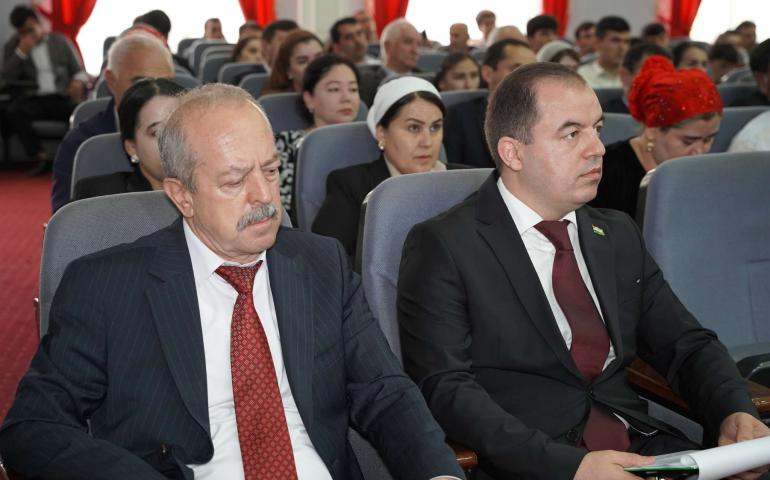
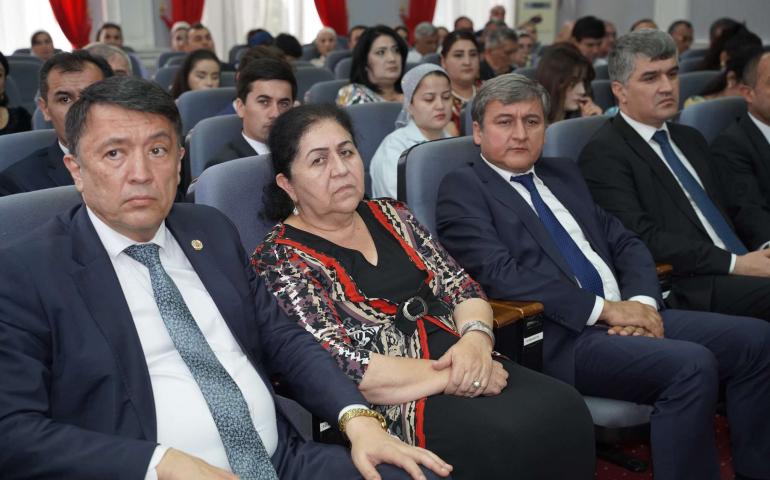
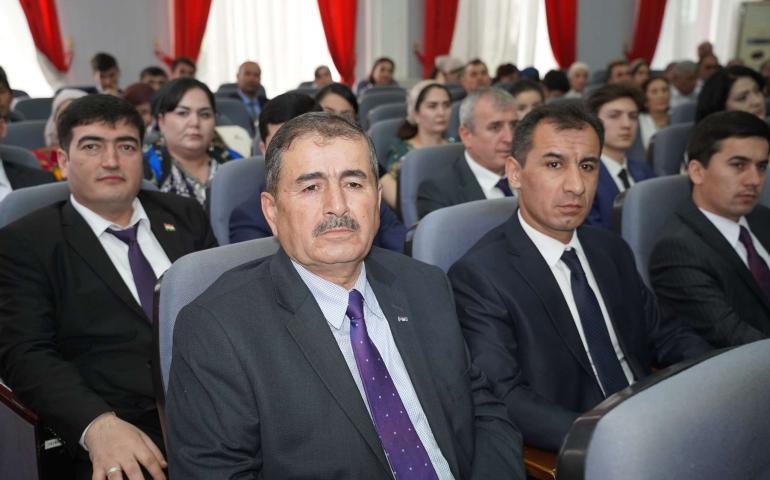
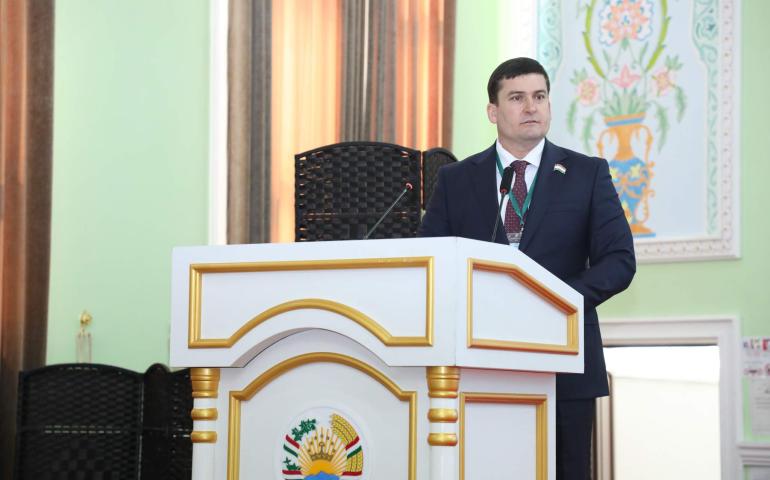
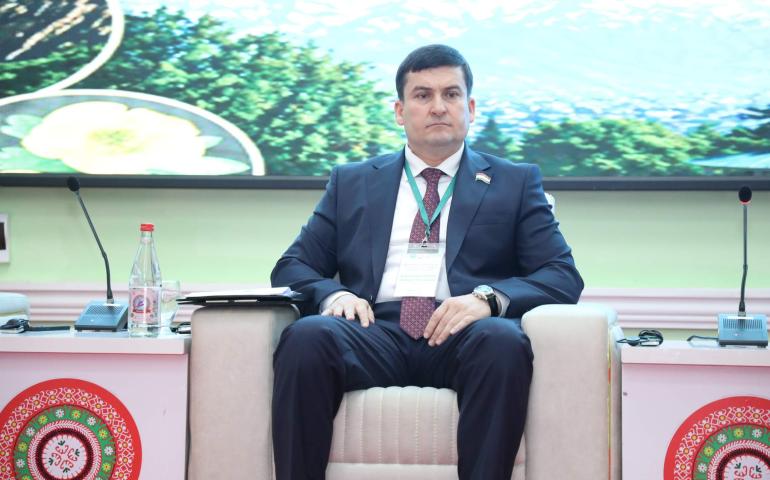
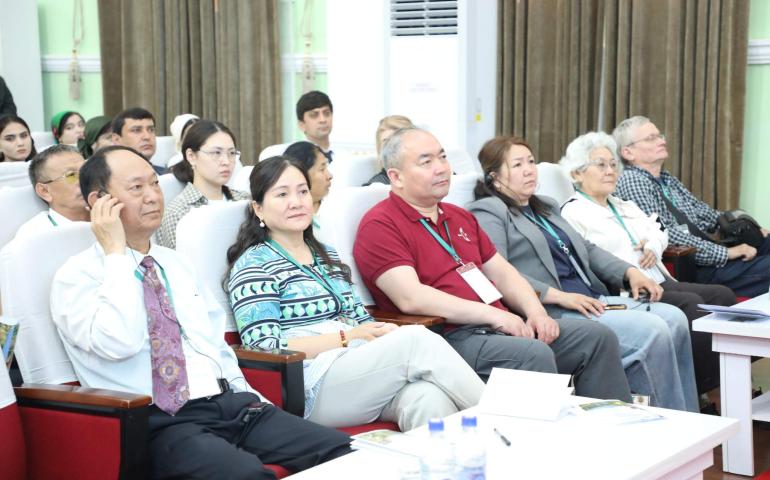
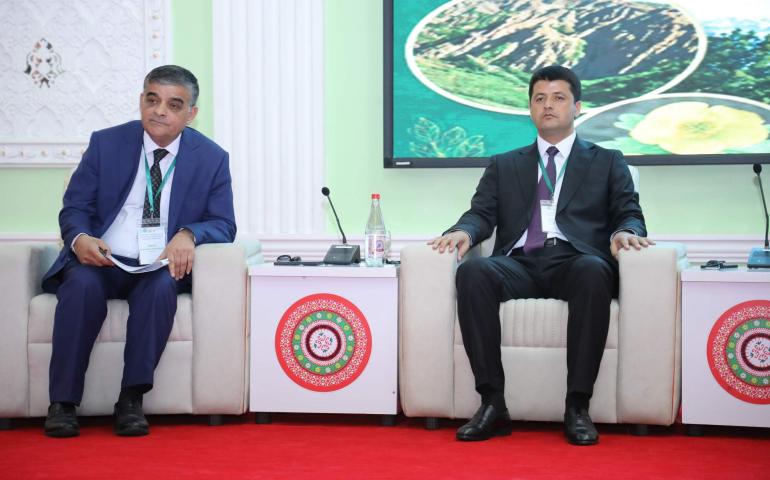
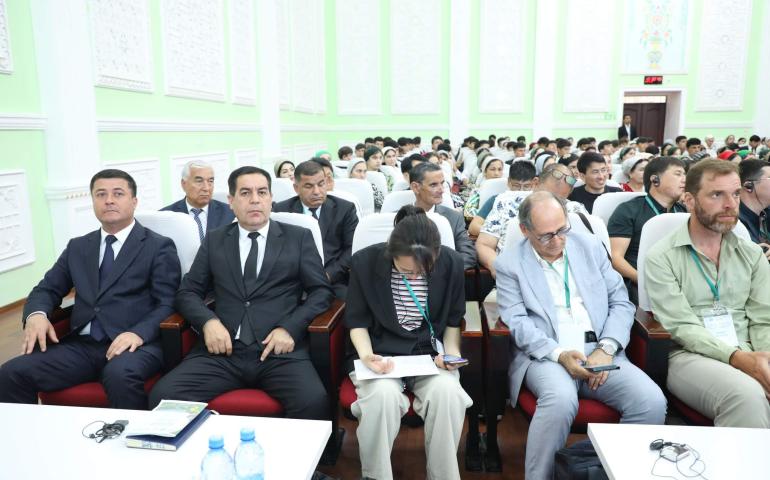
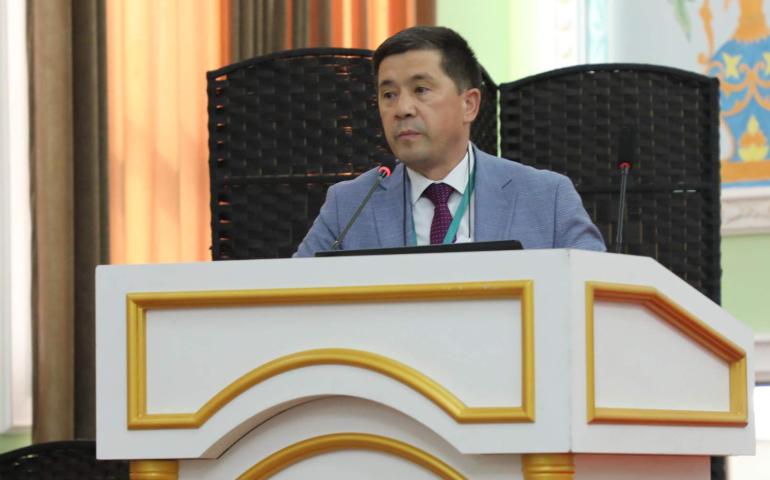
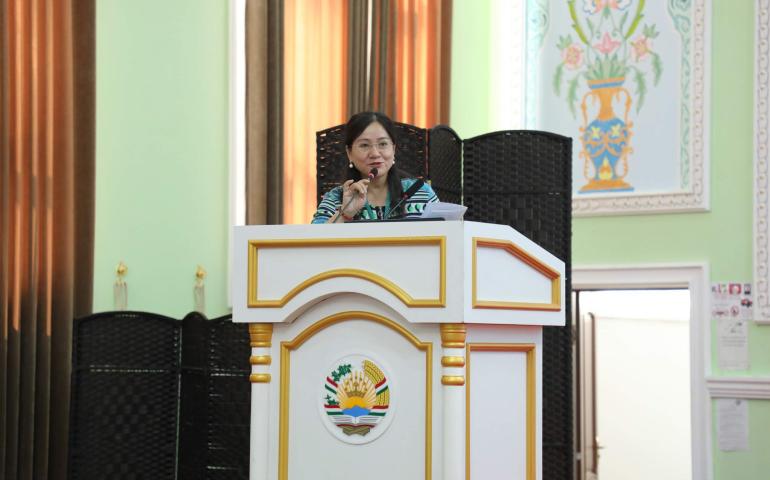
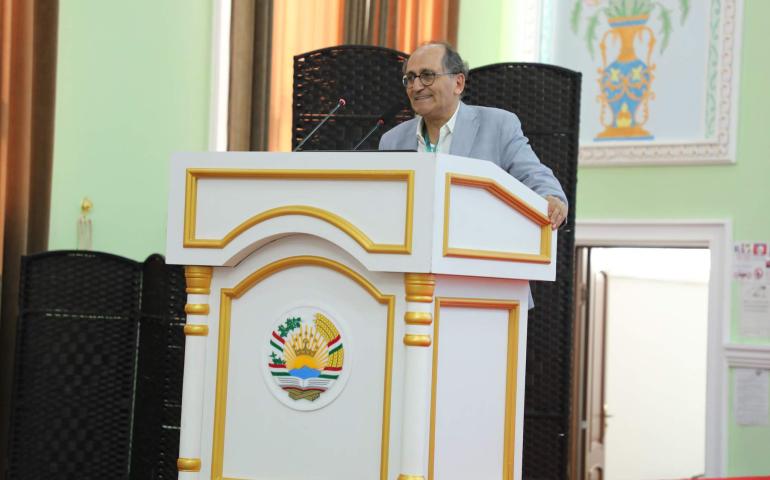
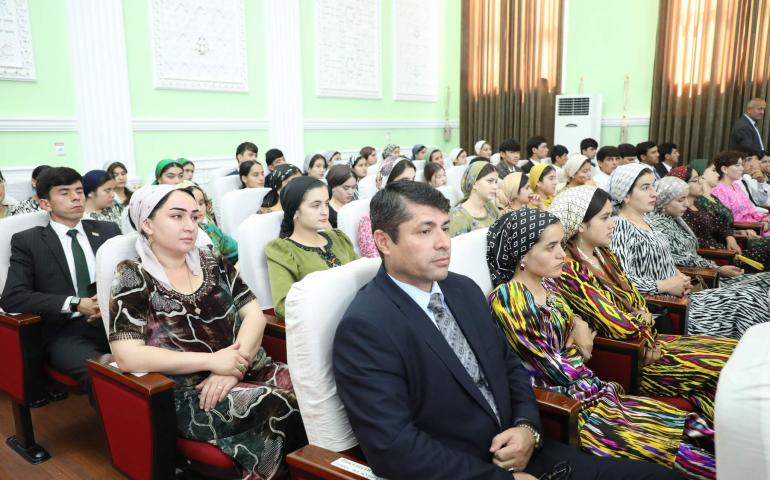
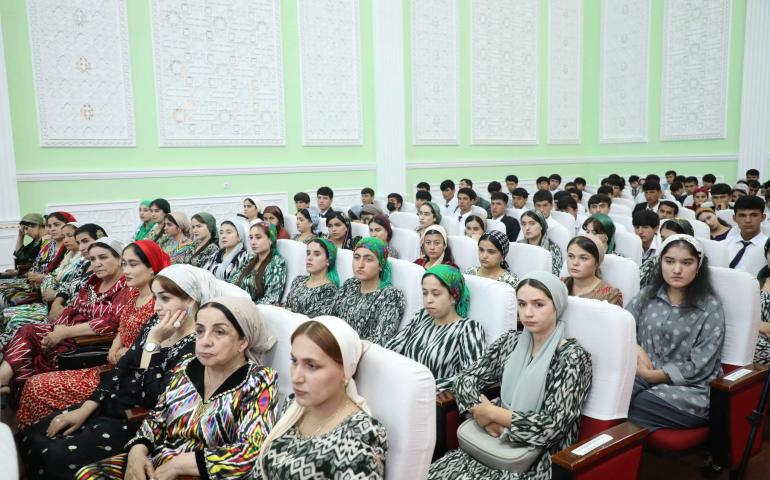
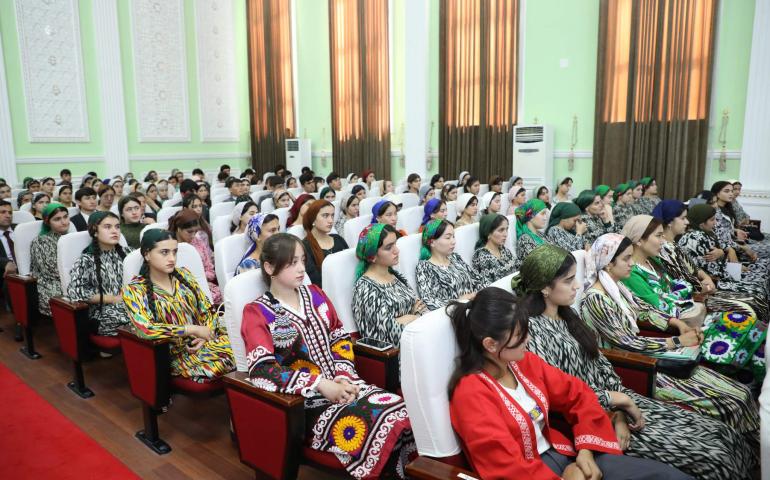
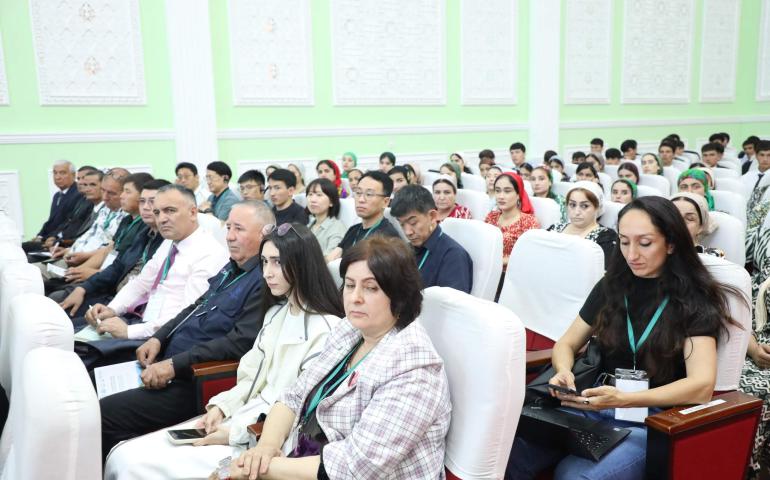
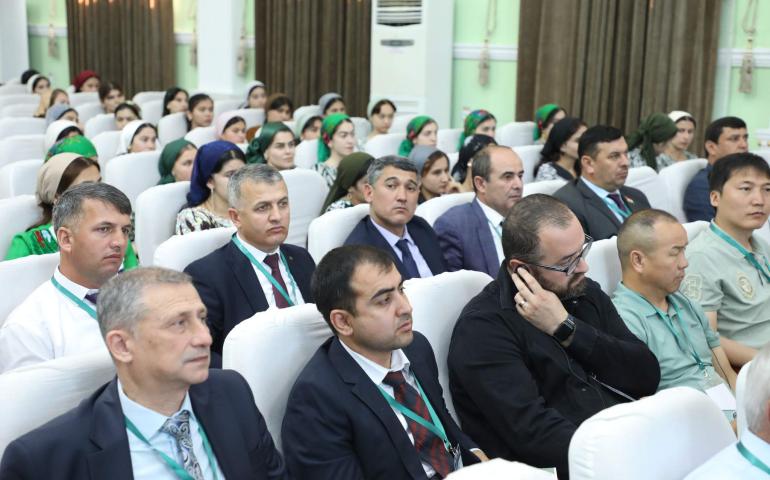
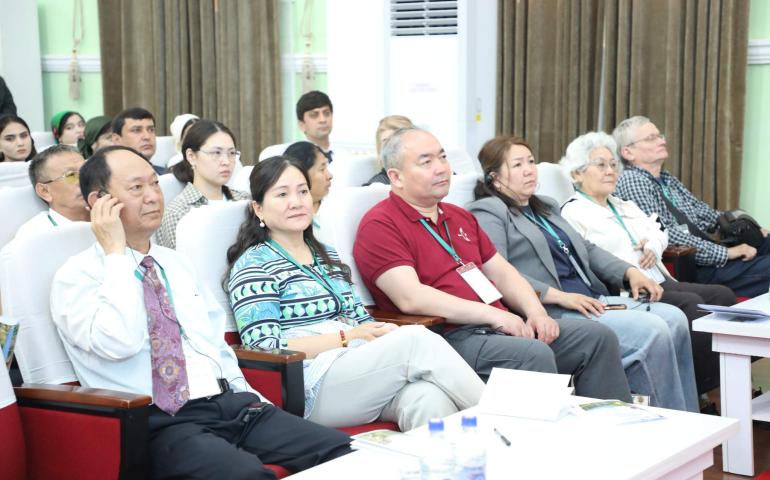
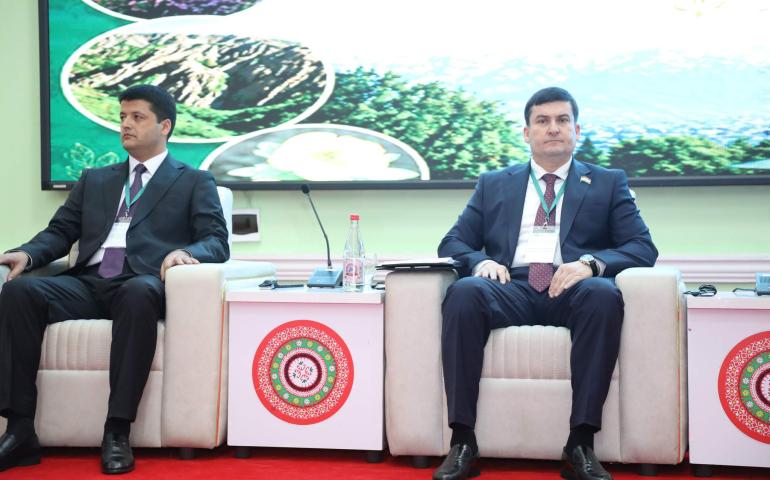
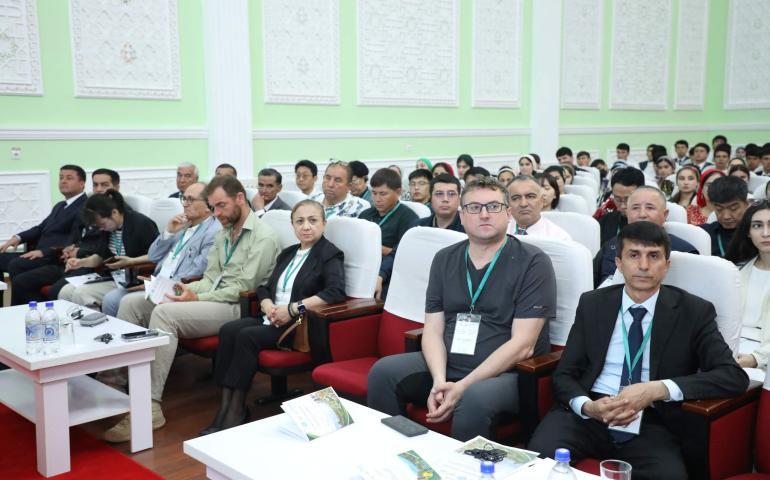
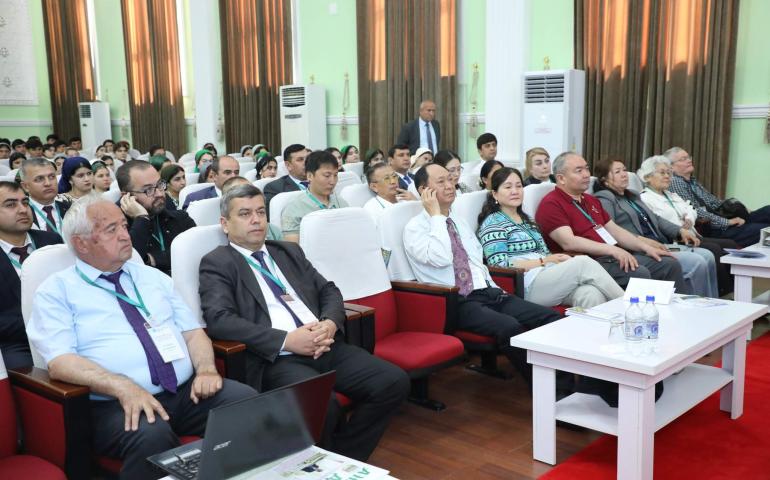
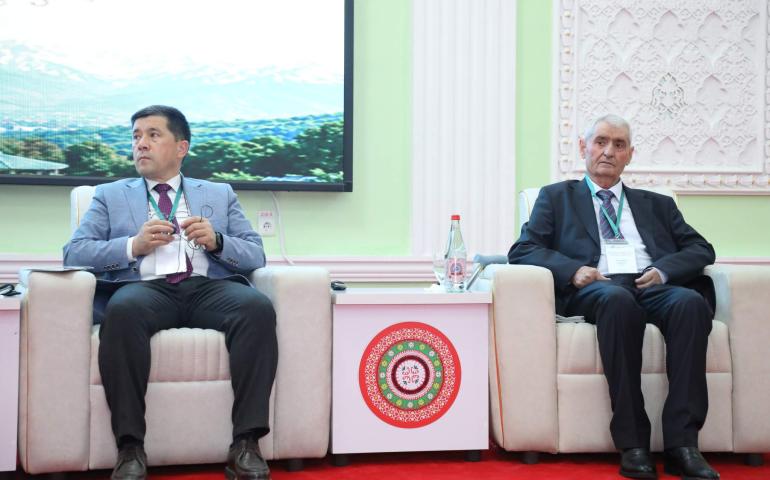
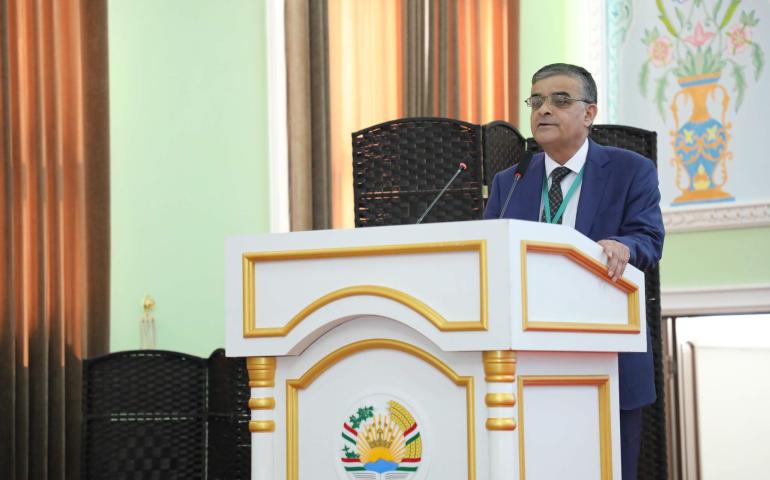
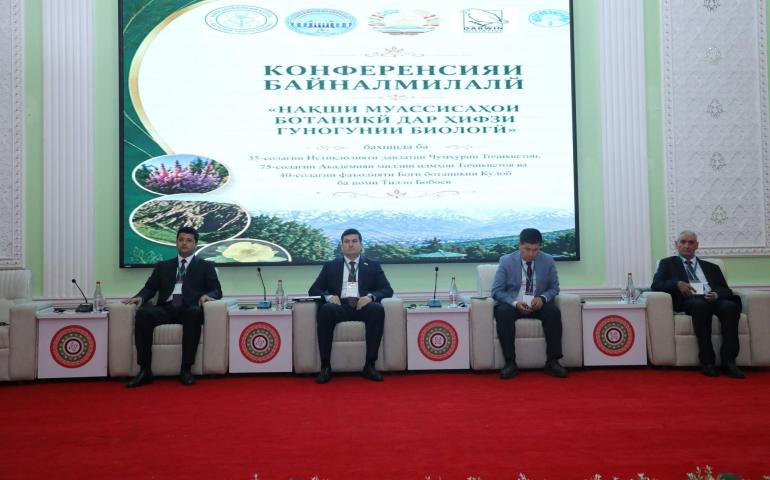
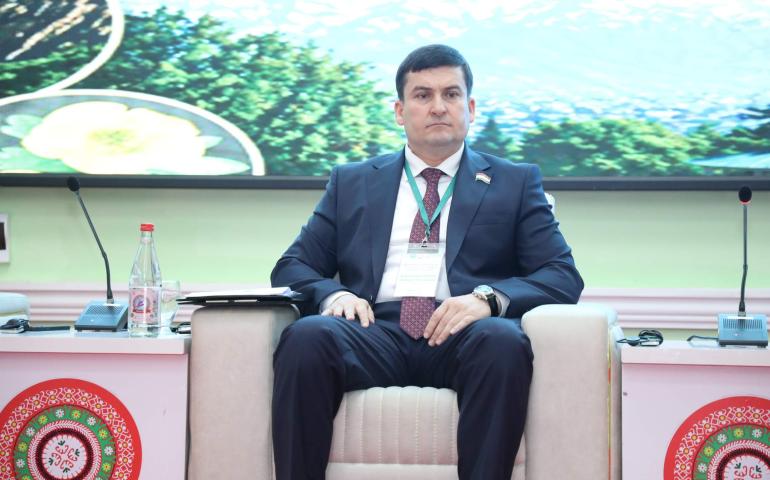
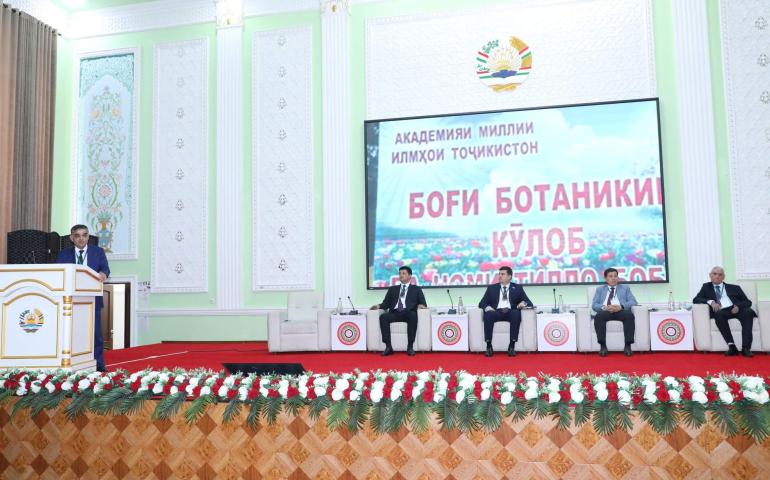
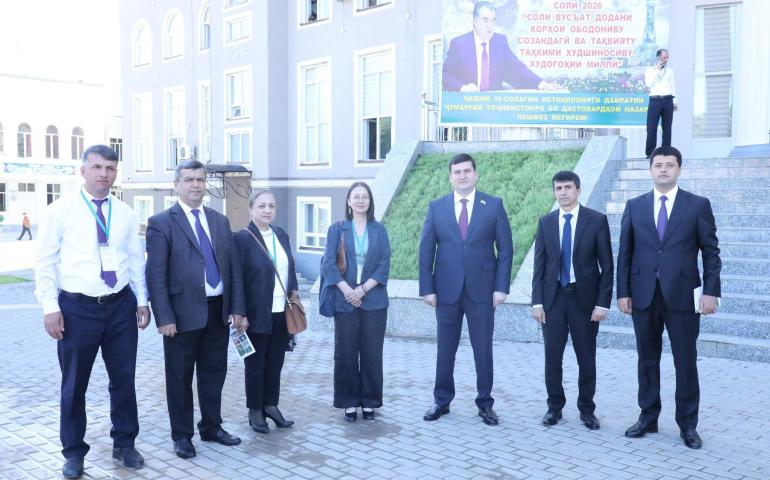
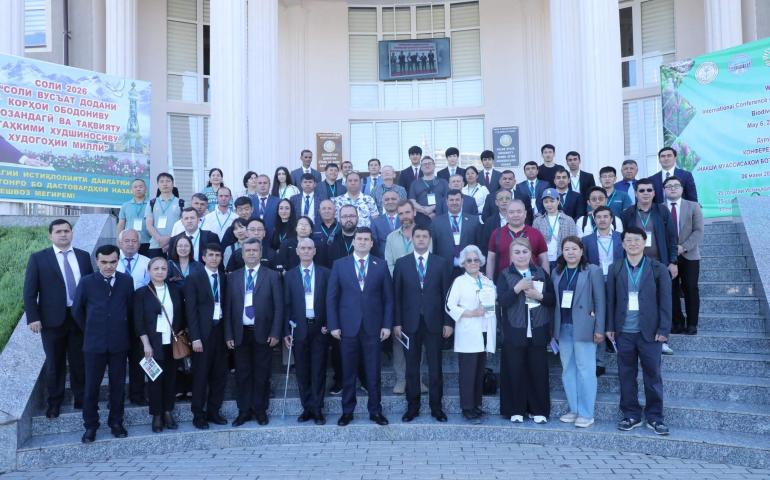
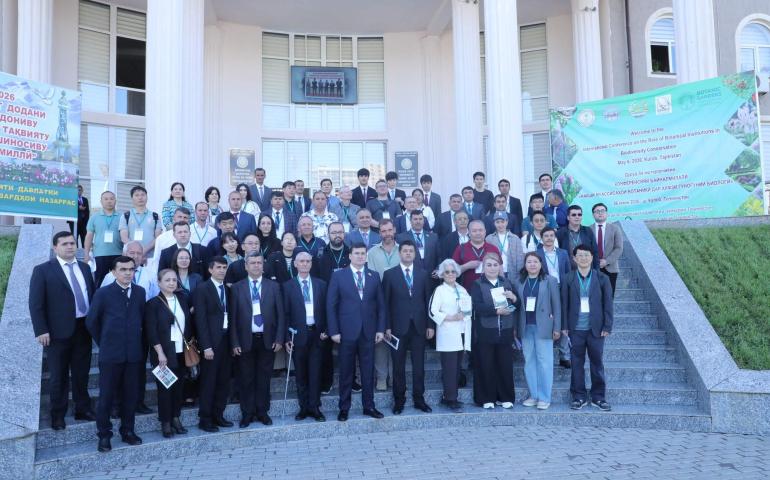
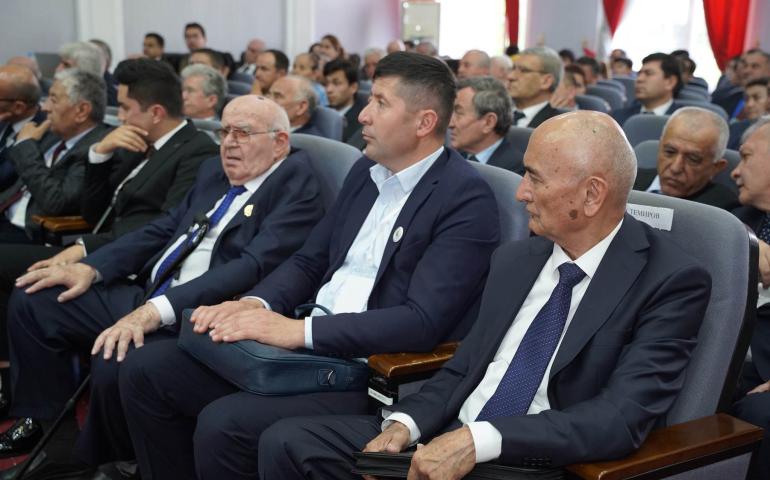
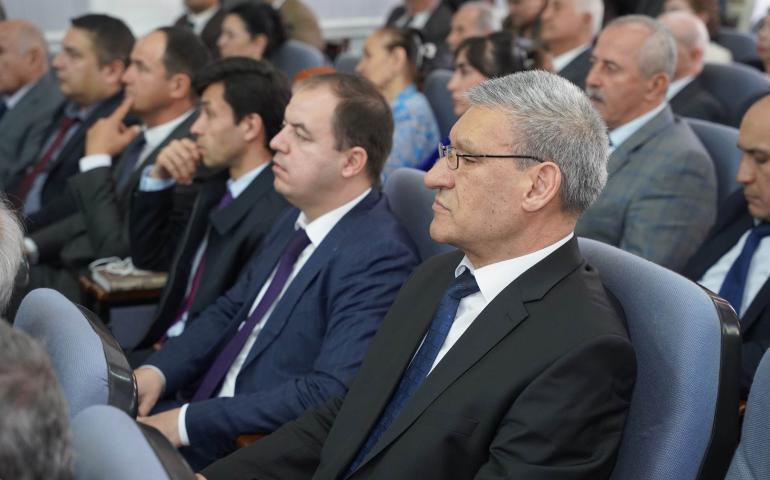
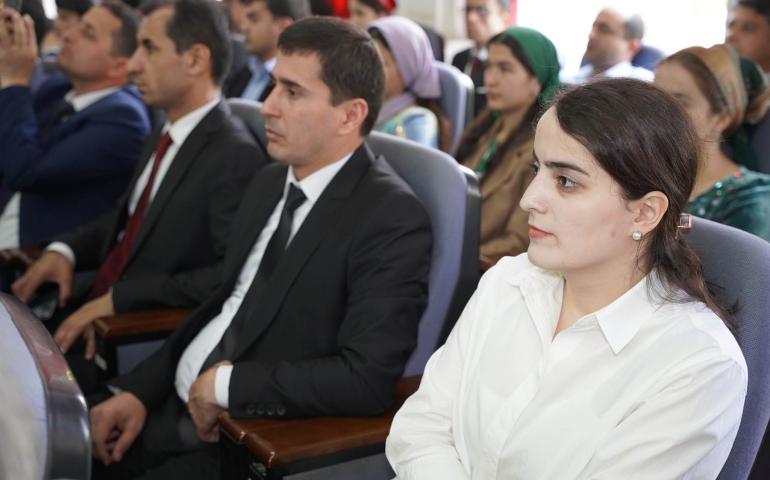
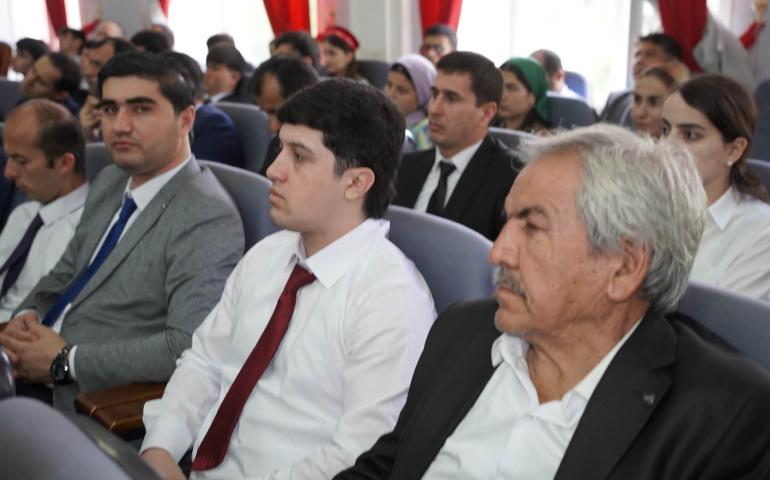
Today, on May 6 in the hall of Kulob State University named after Abuabdullohi Rudaki, at the initiative of the Khatlon Scientific Center of the National Academy of Sciences of Tajikistan, an international conference entitled “The Role of Botanical Institutions in the Conservation of Biodiversity” was held, dedicated to the 35th anniversary of the State Independence of the Republic of Tajikistan and the 40th anniversary of the Kulob Botanical Garden named after Tillo Boboev.
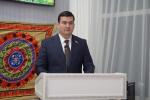
The conference was attended by the President of the National Academy of Sciences of Tajikistan, Academician Khushvakhtzoda Qobiljon Khushvakht, a representative of the executive body of state authority of the city of Kulob, the Vice-Rector for Academic Affairs of Kulob State University named after Abuabdullohi Rudaki, as well as scientists and researchers from within the country and abroad.
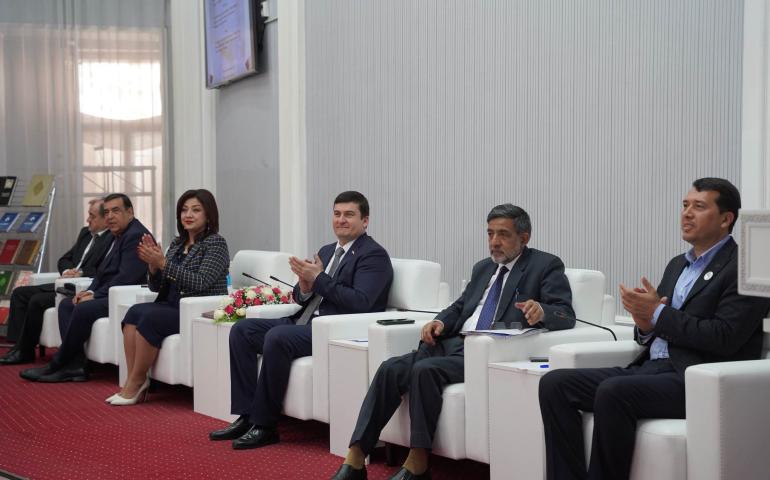
In his opening speech, the President of the National Academy of Sciences of Tajikistan, Academician Khushvakhtzoda Qobiljon Khushvakht, noted that in the context of climate change and the increasing impact of anthropogenic factors, the conservation and rational use of natural resources, including biodiversity, has become one of the key issues of modern science. It was emphasized that botanical institutions, as important scientific-theoretical and practical centers, play a significant role in the study, conservation, restoration, and enrichment of plant diversity.
It was noted that botanical gardens serve not only as scientific bases but also as educational and awareness centers for enhancing public knowledge and environmental awareness. In this regard, strengthening international cooperation, implementing modern technologies, and involving young specialists in scientific activities are considered priority areas.
It was stated that the state policy of the Republic of Tajikistan, under the leadership of the Founder of Peace and National Unity — Leader of the Nation, President of the Republic of Tajikistan, Honourable Emomali Rahmon, pays special attention to environmental protection and the sustainable use of natural resources, creating favorable conditions for the development of natural sciences and the expansion of scientific institutions.
Subsequently, Corresponding Member of the Academy of Sciences of the Republic of Tajikistan Saidov Abdusattor and other scientists and researchers, in their speeches, paid special attention to key issues in the development of botanical sciences and biodiversity conservation. It was noted that in-depth study of floristic resources, identification of rare and endangered species, as well as the development of effective mechanisms for their protection, are among the primary tasks of scientific institutions.
At the same time, participants emphasized that in the context of globalization and rapid climate change, the need to strengthen research activities, introduce innovative methods, and use modern technologies in environmental protection is steadily increasing. In this regard, the expansion of scientific cooperation with leading international centers and the implementation of joint programs for ecosystem conservation were recognized as important.
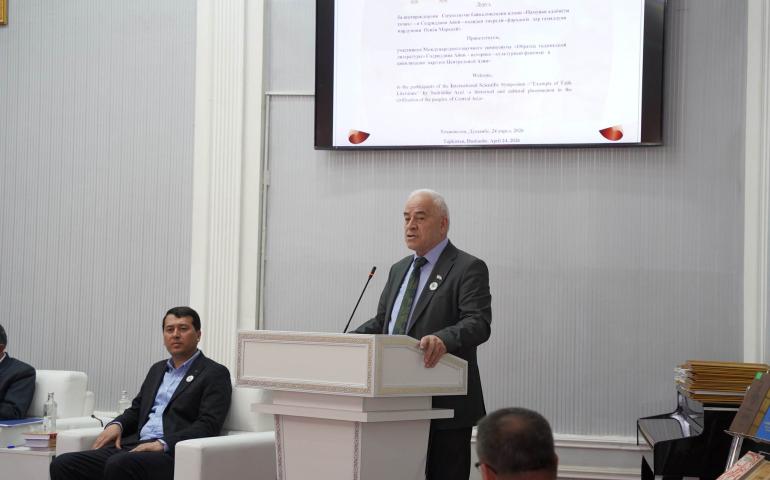
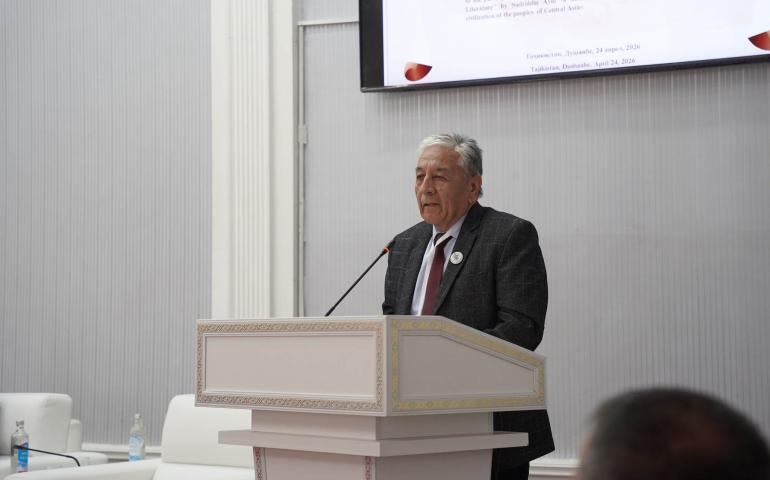
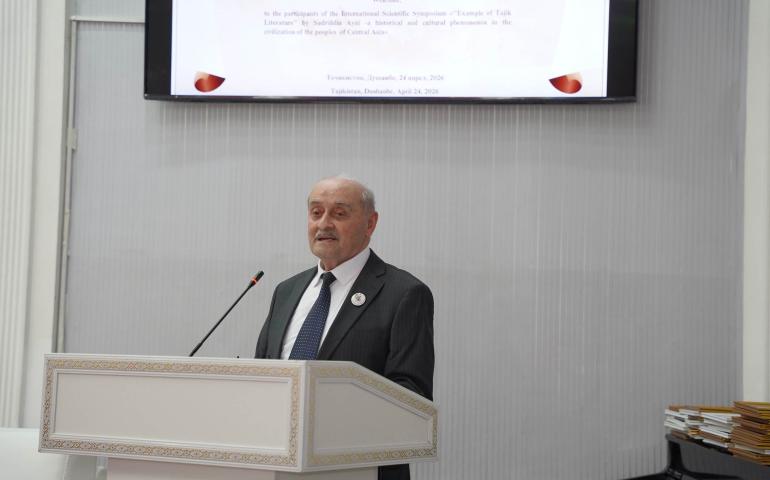
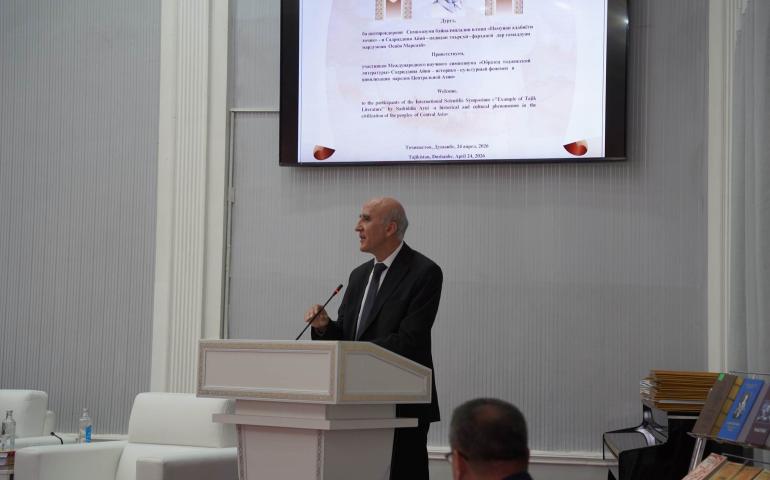
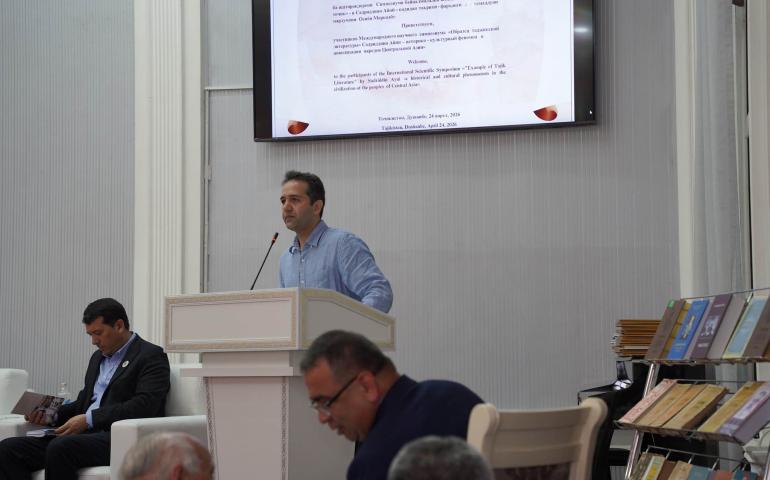
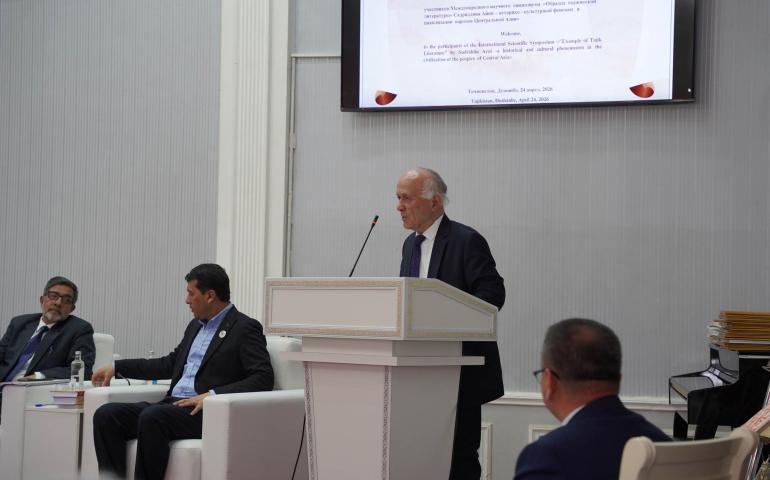
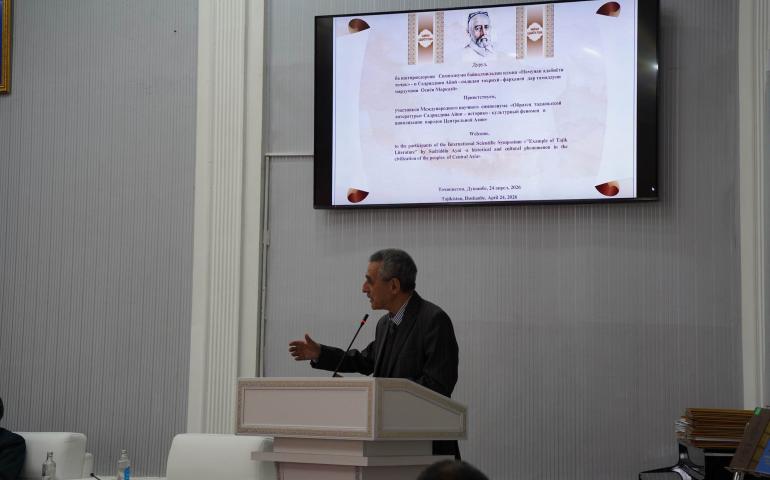
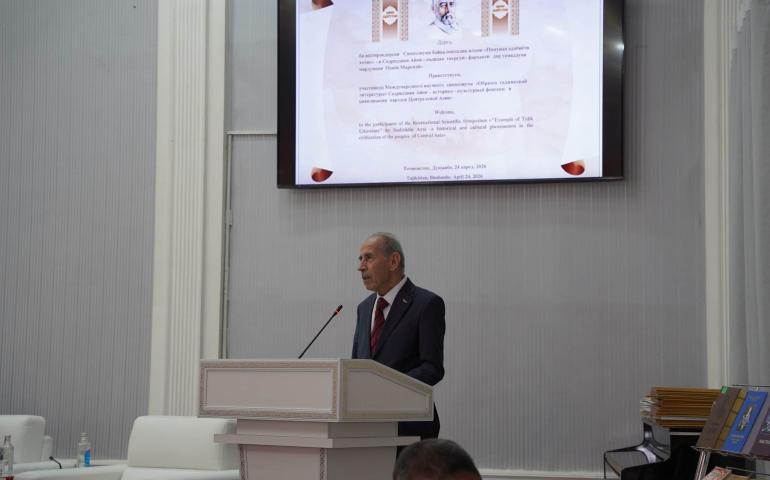
#Symposium. “THE SAMPLE OF TAJIK LITERATURE” – A HISTORICAL AND CULTURAL PHENOMENON IN THE CIVILIZATION OF THE PEOPLES OF CENTRAL ASIA
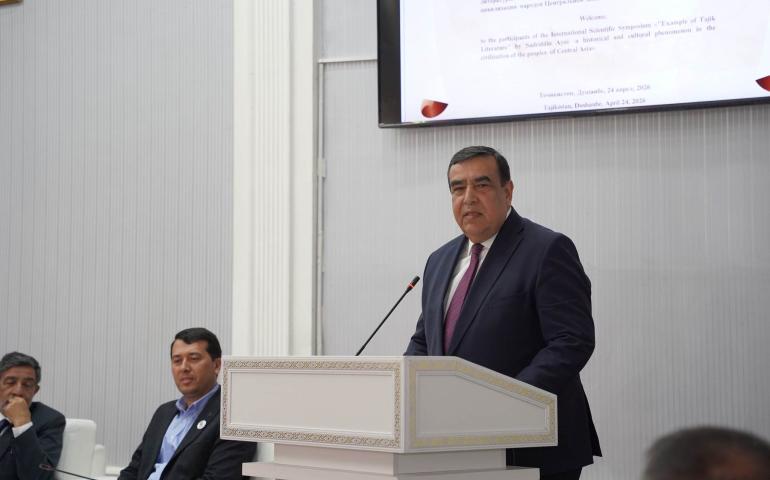
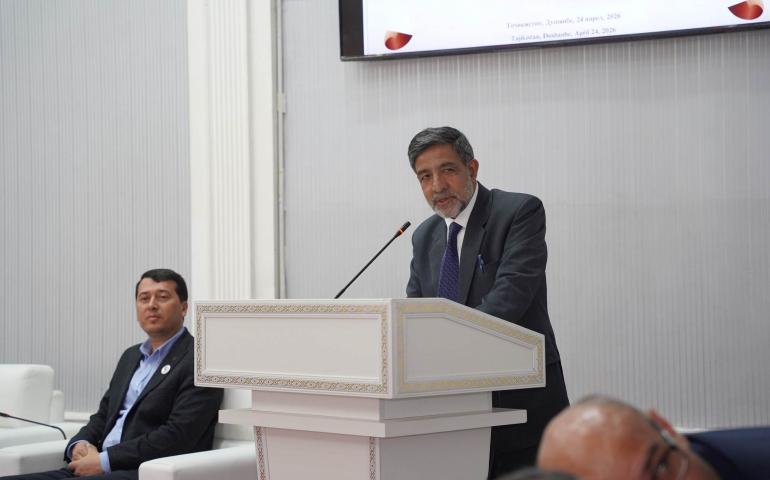
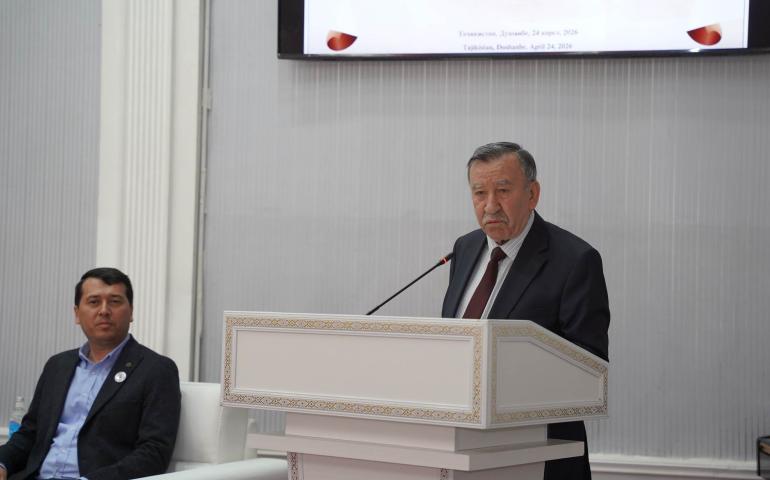
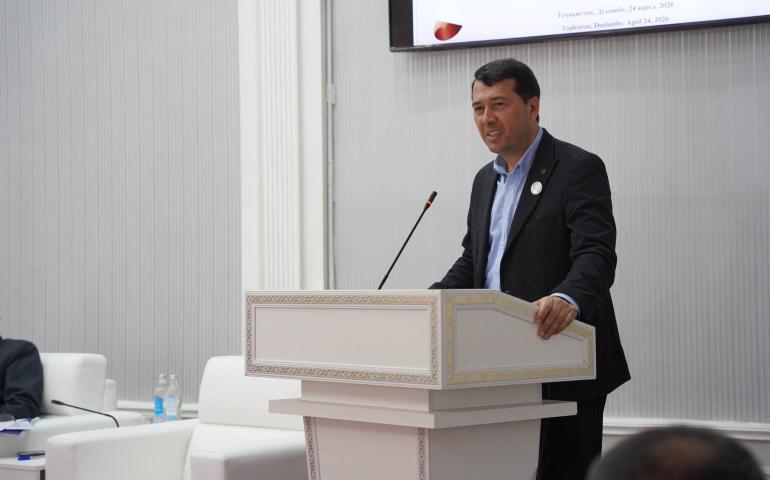
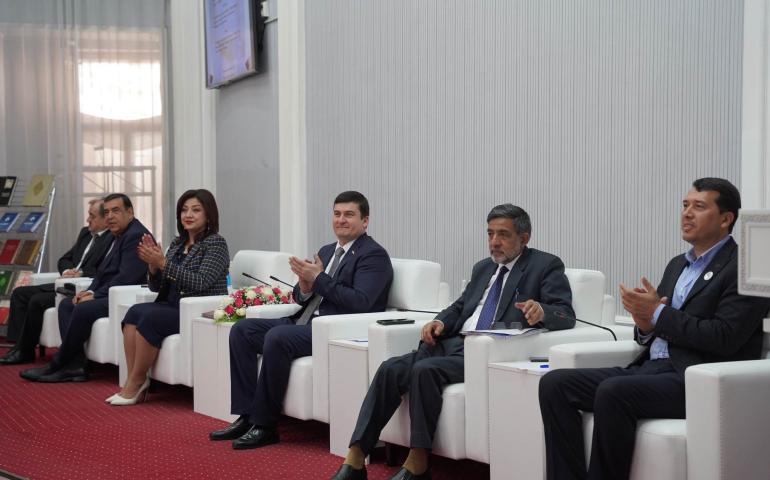
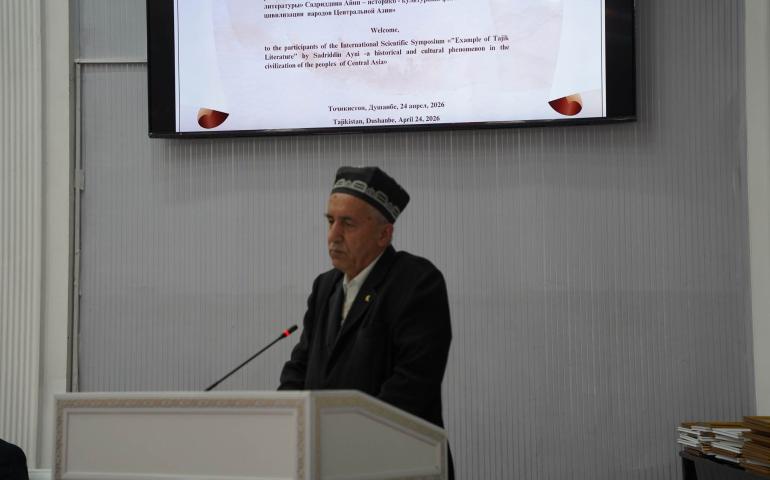
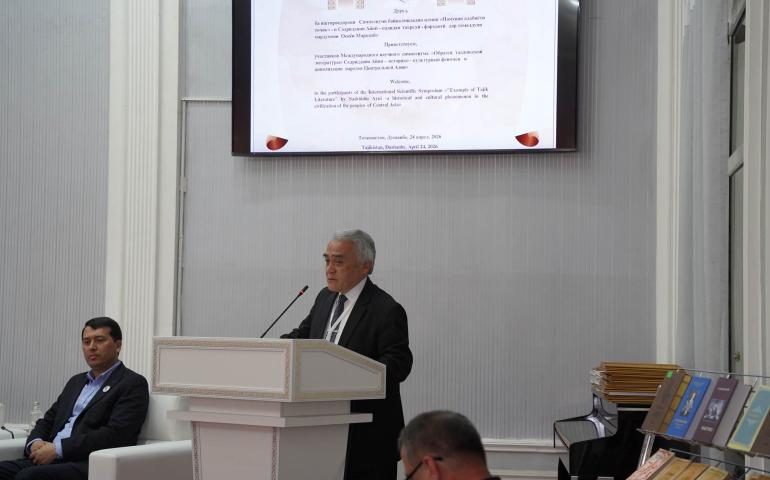
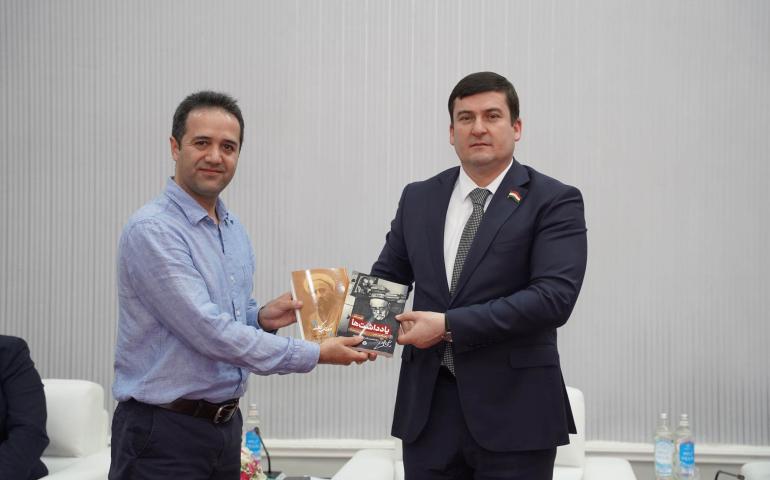
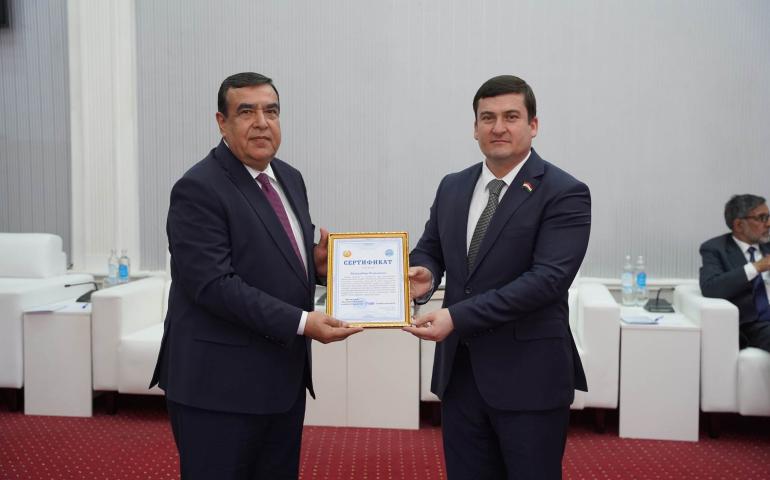
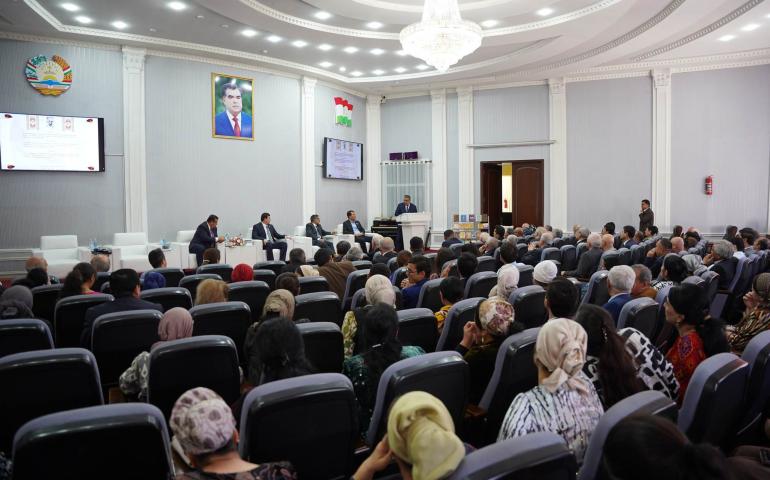
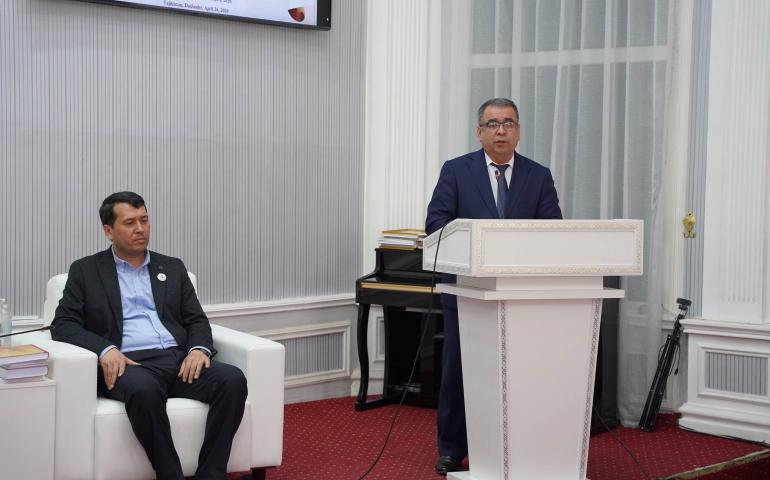
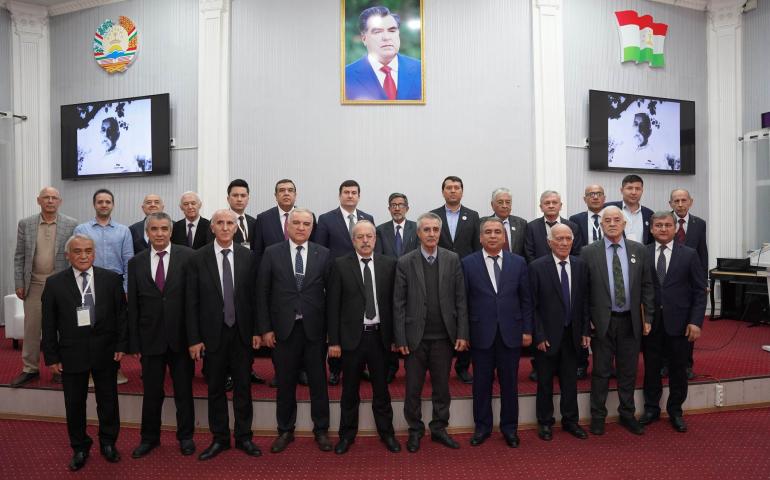
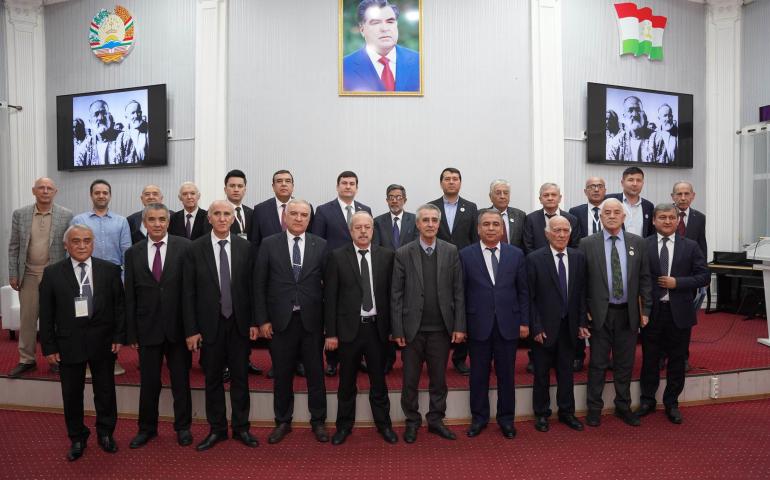
Today, April 24, the International Scientific Symposium titled “The Sample of Tajik Literature” – a historical and cultural phenomenon in the civilization of the peoples of Central Asia” was held in the hall of the Presidium of the National Academy of Sciences of Tajikistan. The event was dedicated to the 100th anniversary of the creation and publication of the historical-literary work “The Sample of Tajik Literature” by the founder of modern Tajik literature, Ustod Sadriddin Ayni.
At the symposium, the Deputy Prime Minister of the Republic of Tajikistan, Dilrabo Mansuri, delivered a speech emphasizing that this work, as a unique historical and cultural phenomenon, reflects the rich literary heritage of the Tajik people and has played a significant role in the development of national self-awareness and the strengthening of cultural identity. It was noted that “The Sample of Tajik Literature” is not only a collection of literary works but also an important scientific source for studying the history of literature, language, and culture of the peoples of Central Asia. The work was created under complex historical conditions and laid a solid foundation for the revival of national values and the presentation of Tajik literary heritage on the international stage.
The President of the National Academy of Sciences of Tajikistan, Academician Khushvakhtzoda Qobiljon Khushvakht, in his opening speech that Sadriddin Ayni’s work “The Sample of Tajik Literature” holds special significance as a valuable national heritage and a major scientific and cultural achievement, playing a key role in the formation and development of modern Tajik literature.It was emphasized that this work not only compiled the legacy of the ancestors but also served as a bridge between generations, making a significant contribution to preserving and presenting national values. It was also noted that comprehensive study and research of this work in modern conditions remain highly important and provide a solid basis for strengthening national self-awareness and expanding regional cultural relations.
Subsequently, the Deputy Minister of Culture of the Republic of Tajikistan, Davlat Safar, Academician of the National Academy of Sciences of Tajikistan, Abdujabbor Rahmonzoda, along with other scholars and researchers from within the country and abroad, delivered insightful presentations on the historical, cultural, and scientific significance of “The Sample of Tajik Literature.”
It was noted that this work, as an important source for studying the history of Tajik literature and a factor in strengthening national identity, plays an effective role in the development of the spiritual culture of society. Participants also paid special attention to issues of further research on the literary heritage of ancestors, expansion of scientific cooperation, and promotion of Tajik cultural values at the international level.
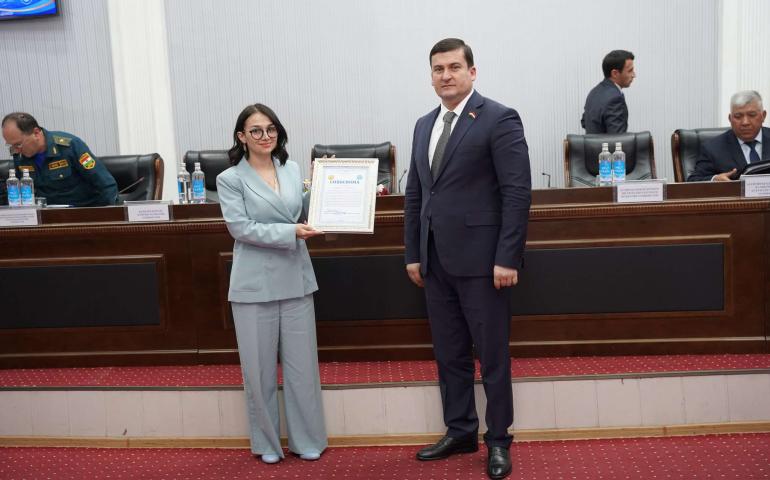
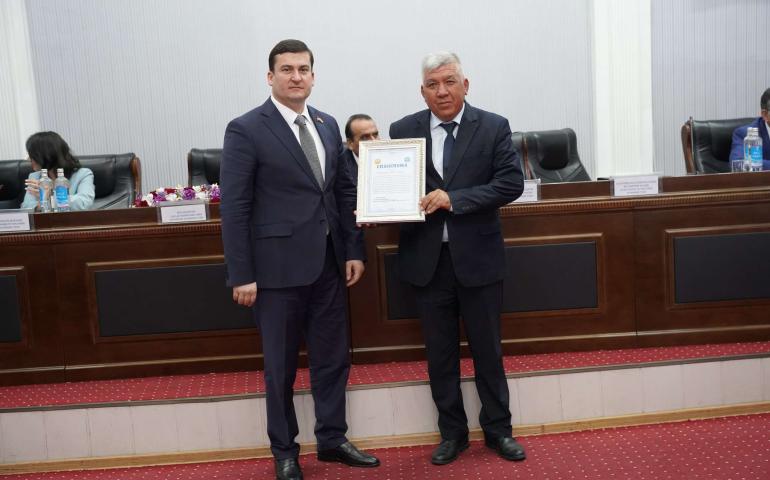
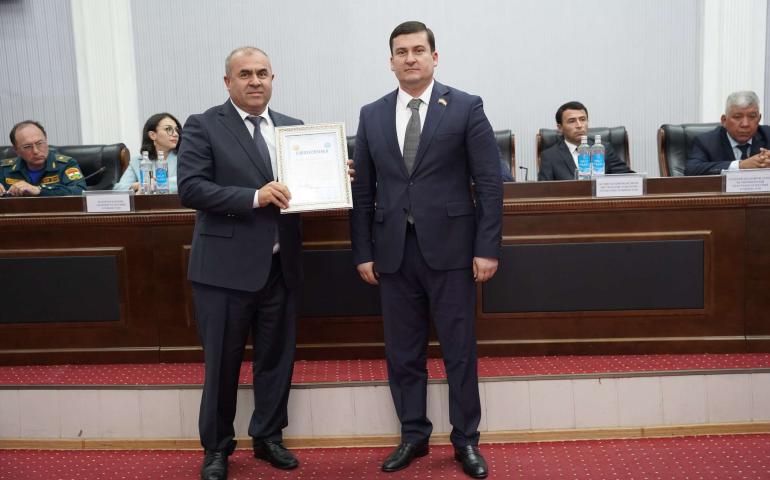
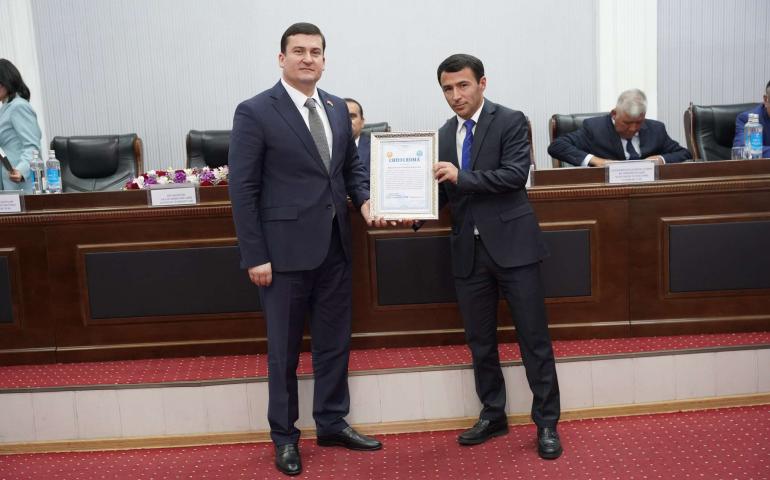
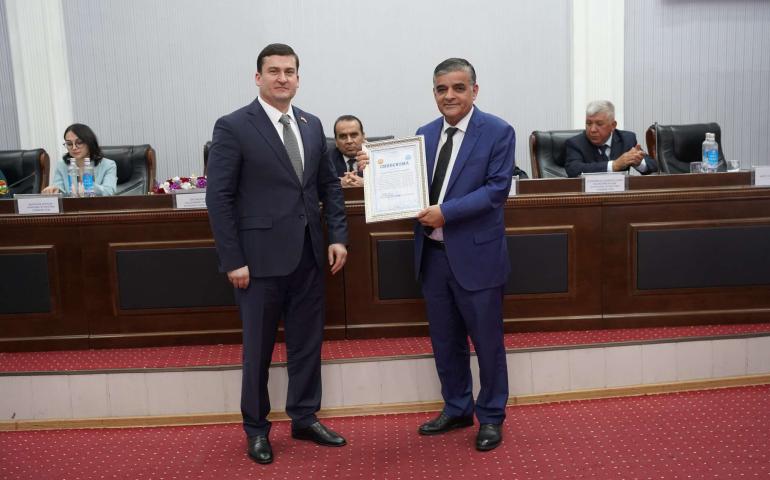
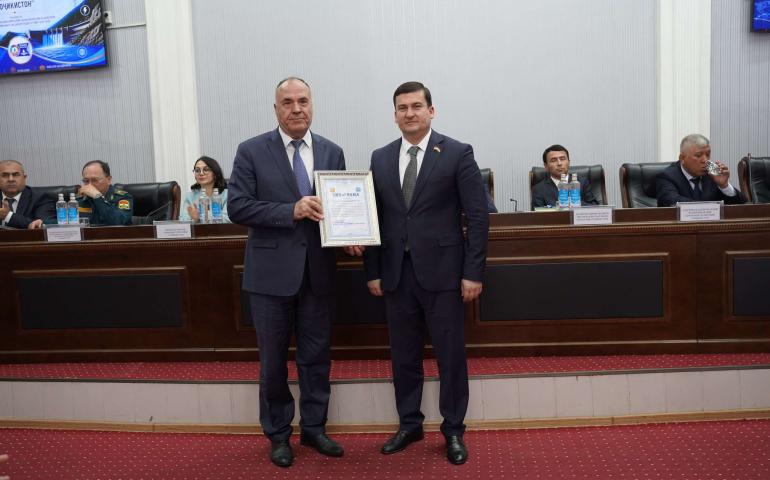
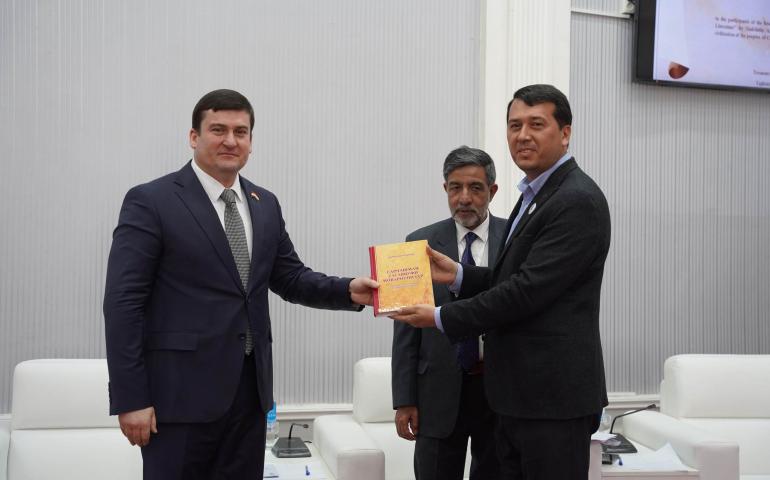
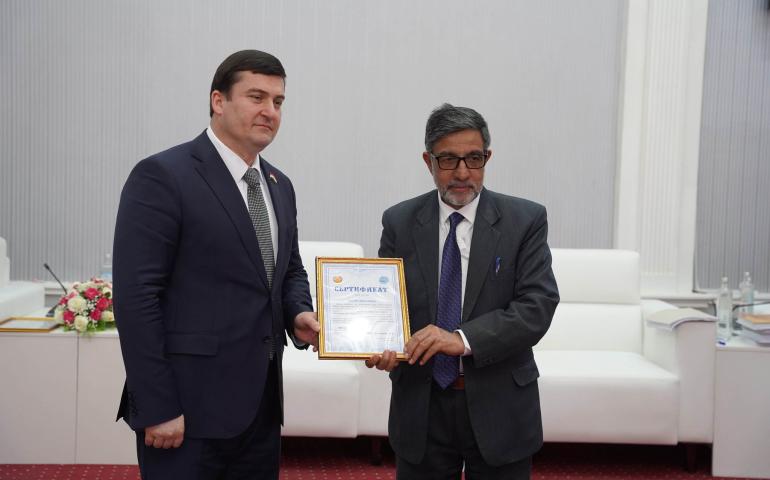
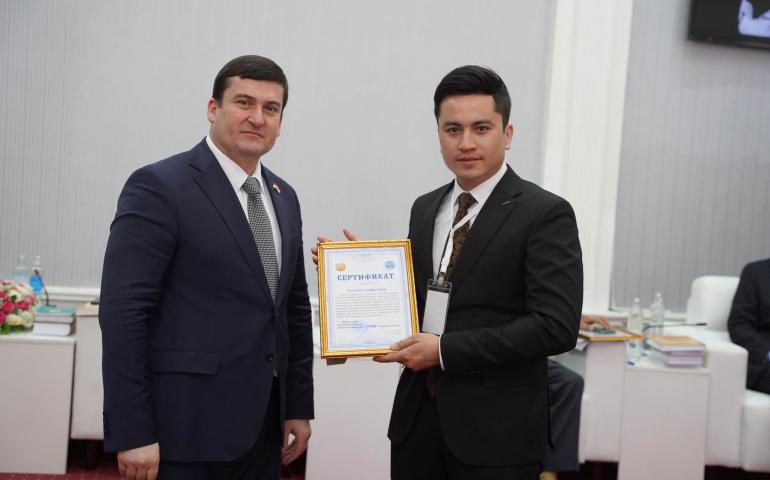
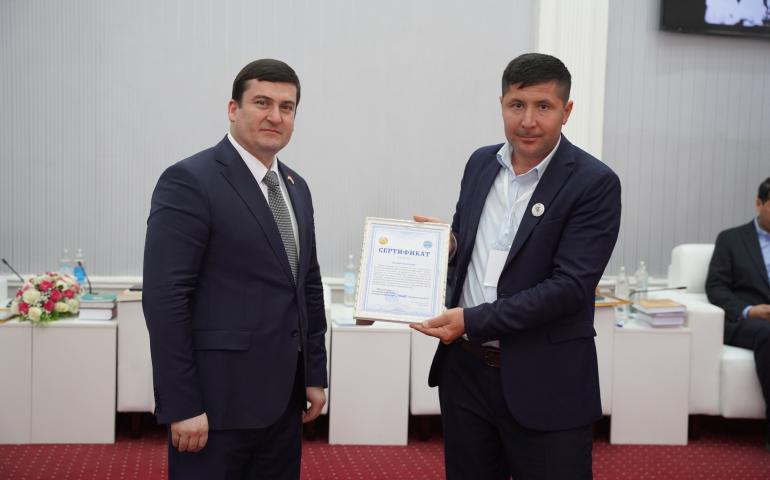
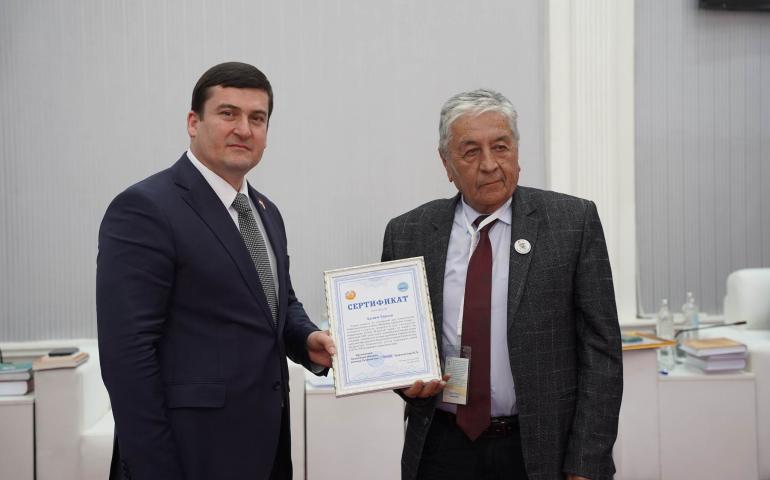
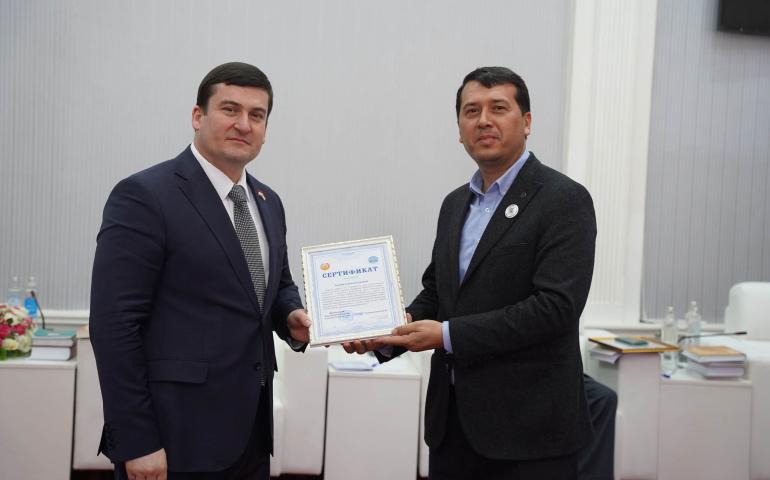
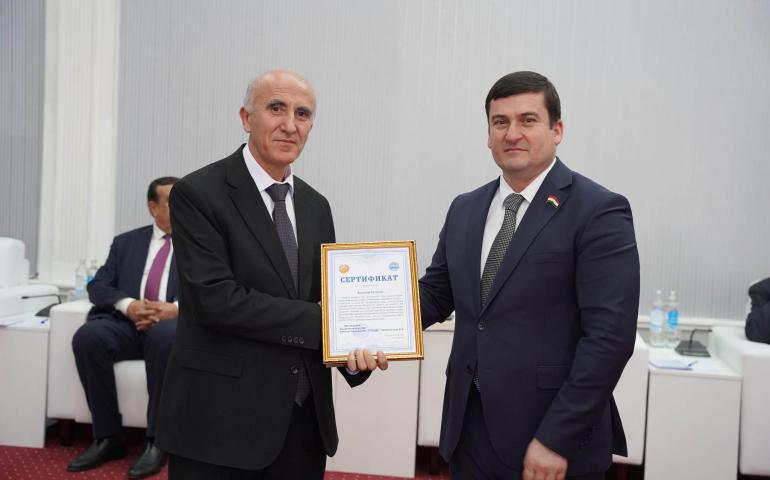
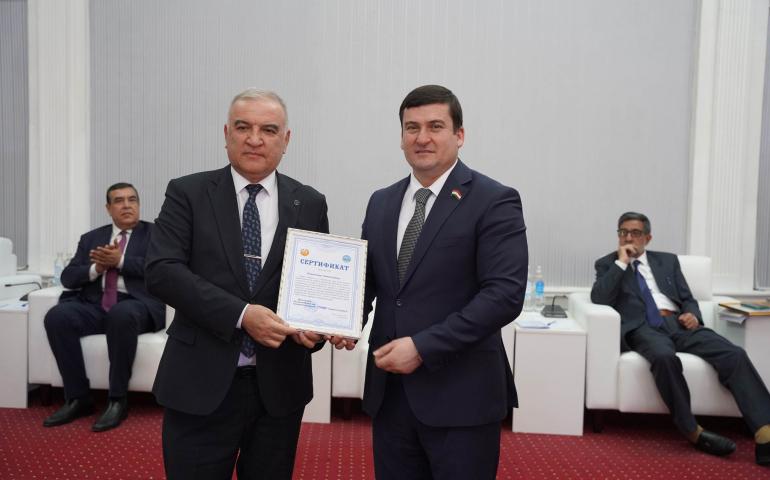
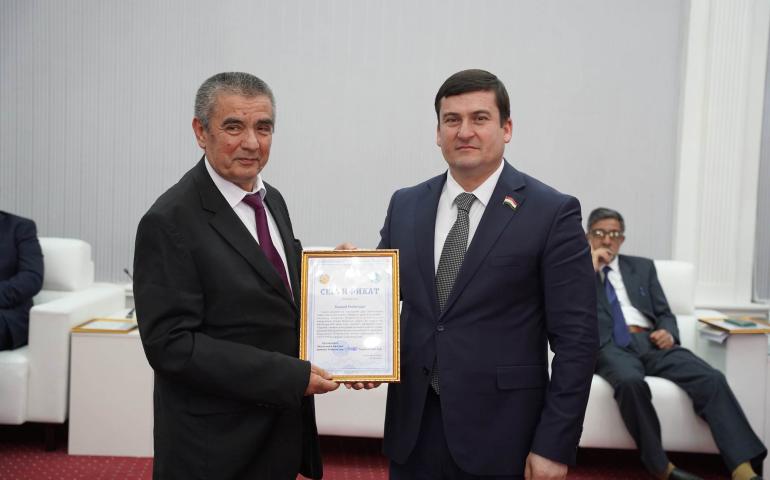
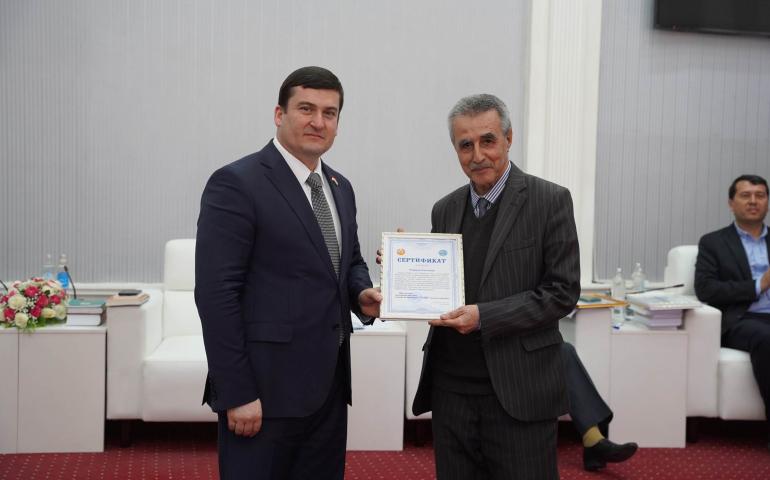
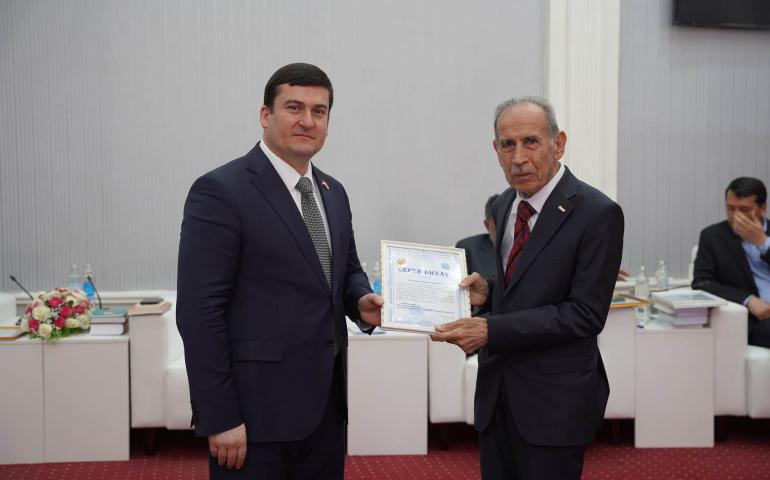
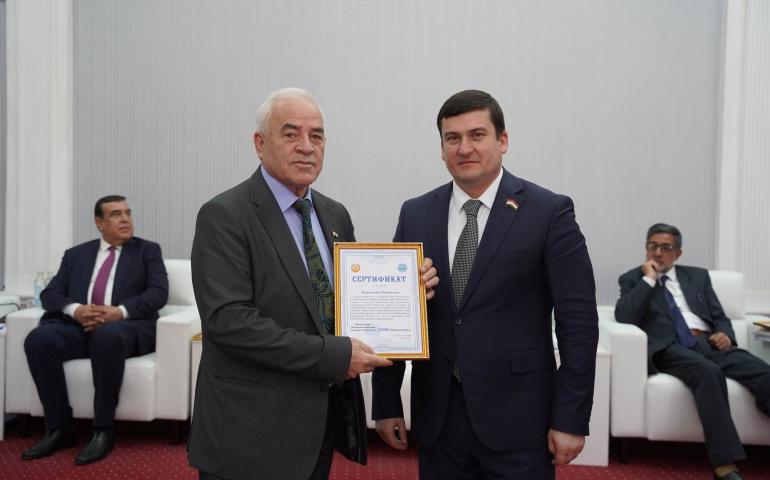
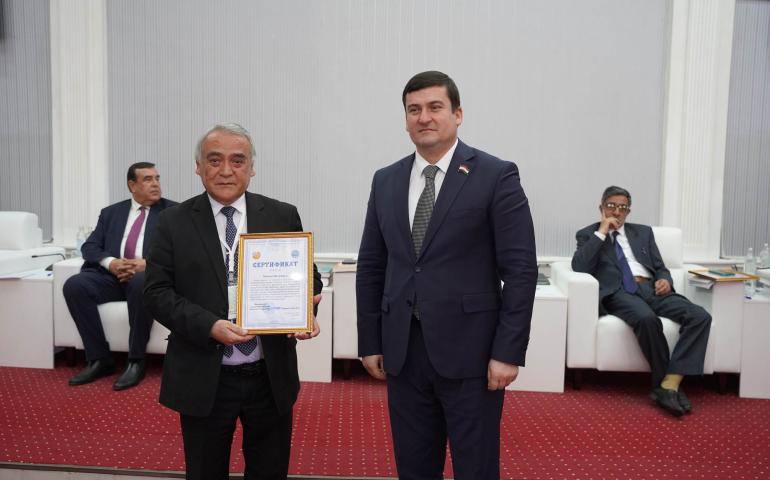
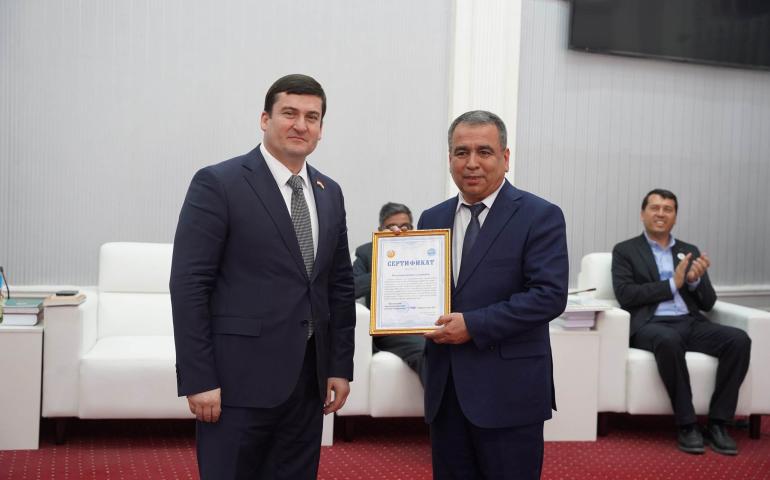
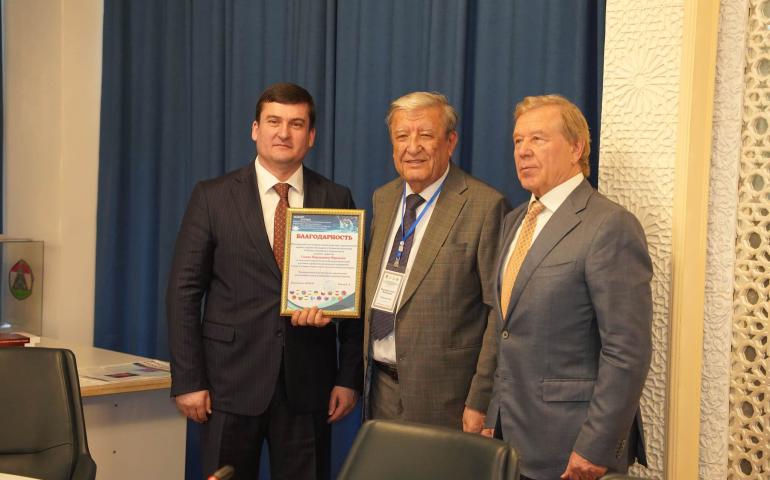
At the conclusion, a number of scholars and researchers who contributed to the organization of the symposium and presented scientific reports were awarded special certificates.
THE ROLE OF INTERNATIONAL VETERANS’ ORGANIZATIONS AND SCIENTIFIC-TECHNICAL ORGANIZATIONS FOR REGULATORY AUTHORITIES IN ENSURING NUCLEAR AND RADIATION SAFETY
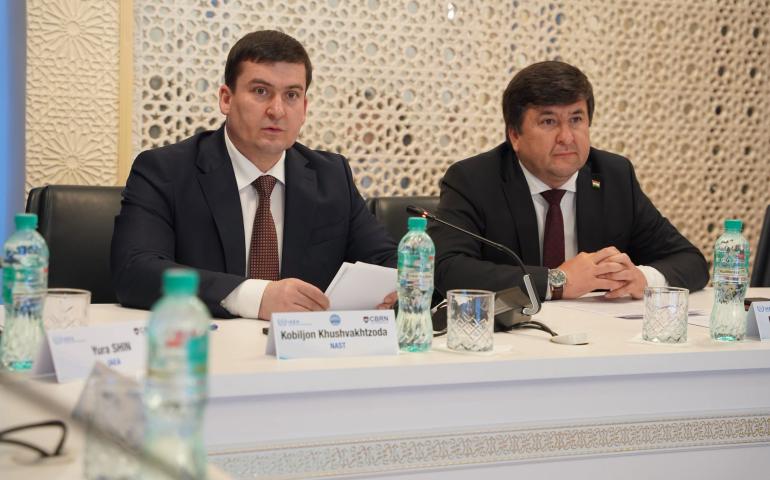
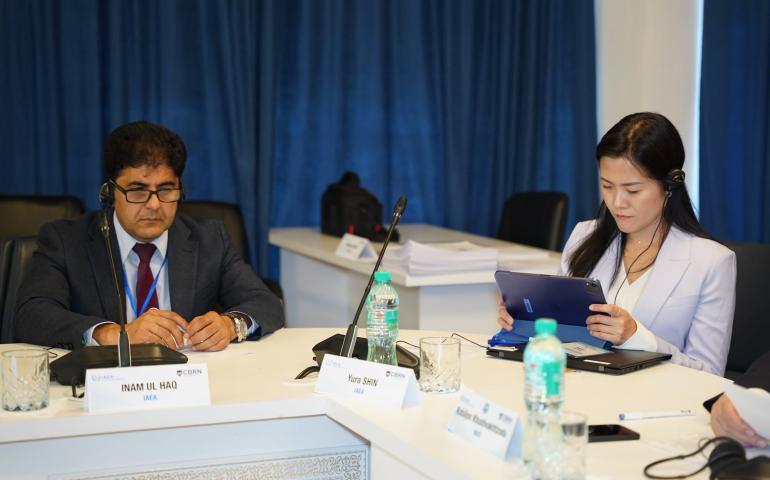
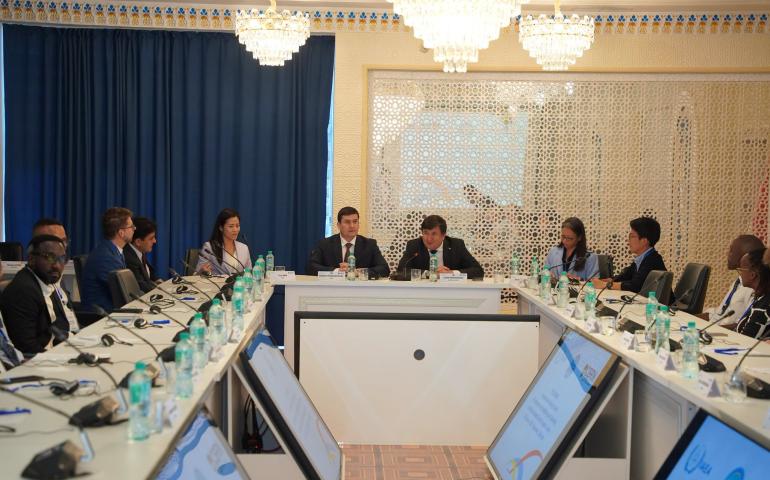
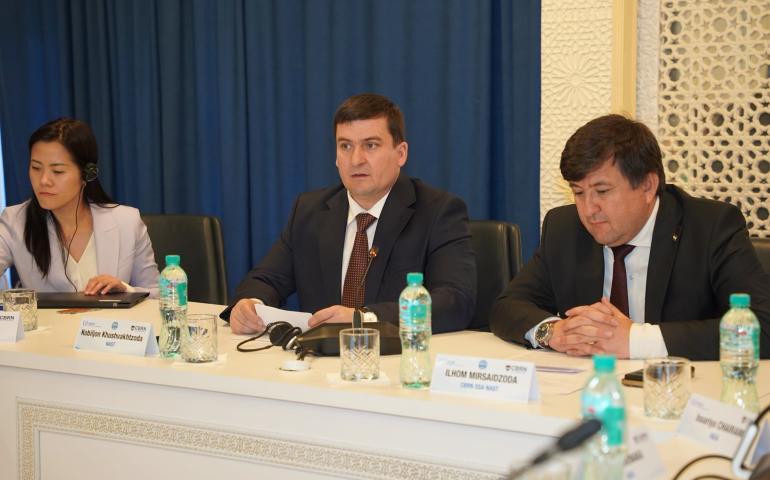
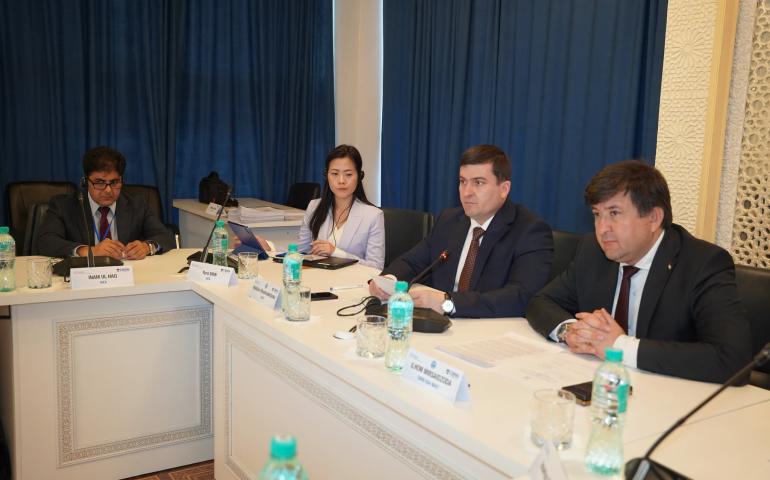
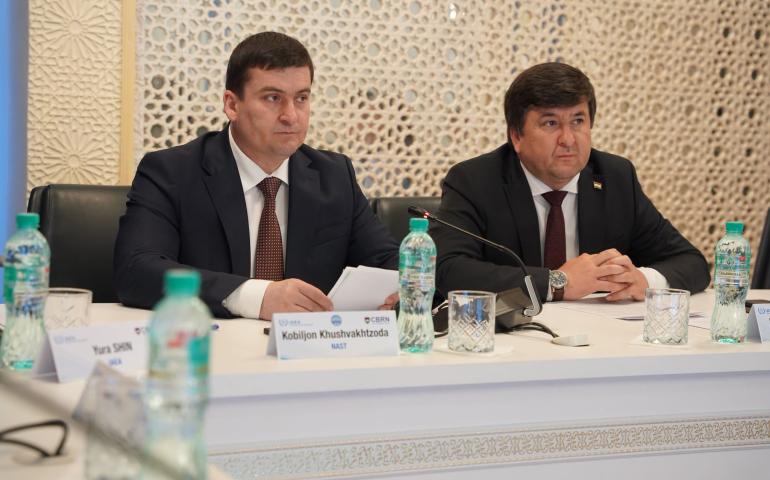
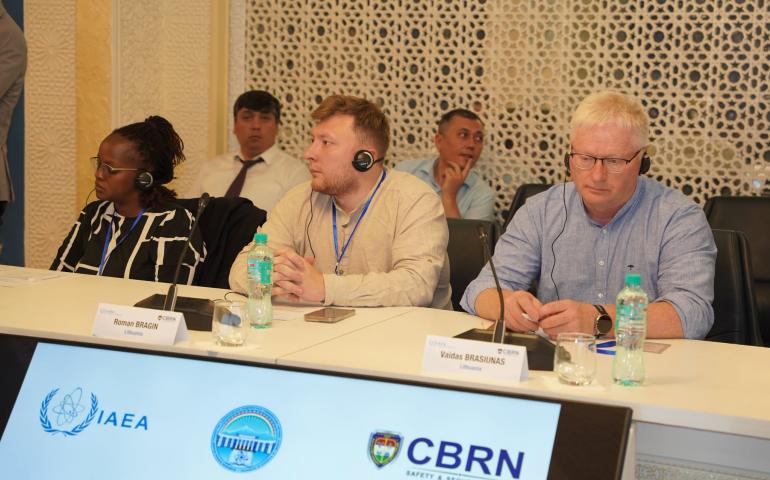
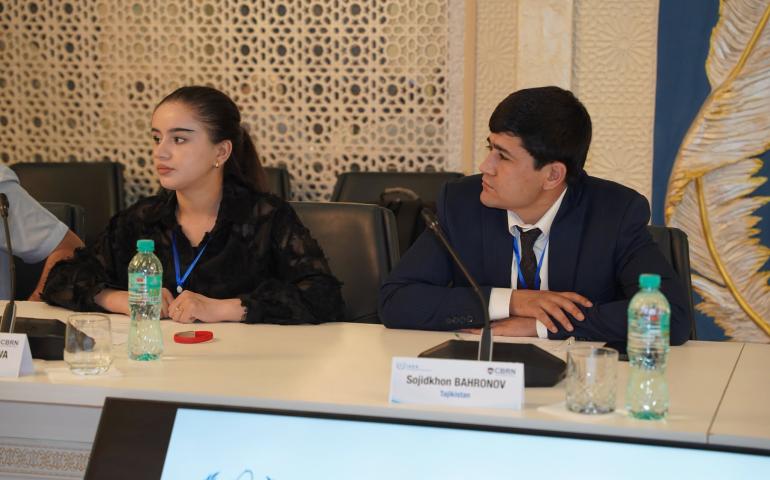
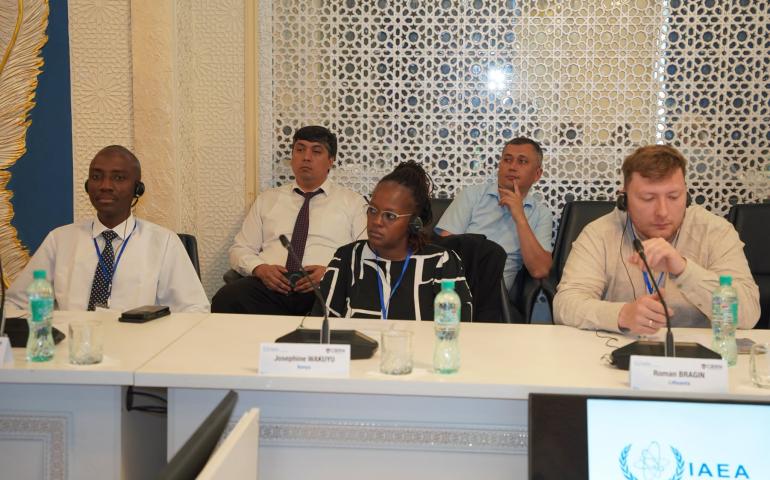
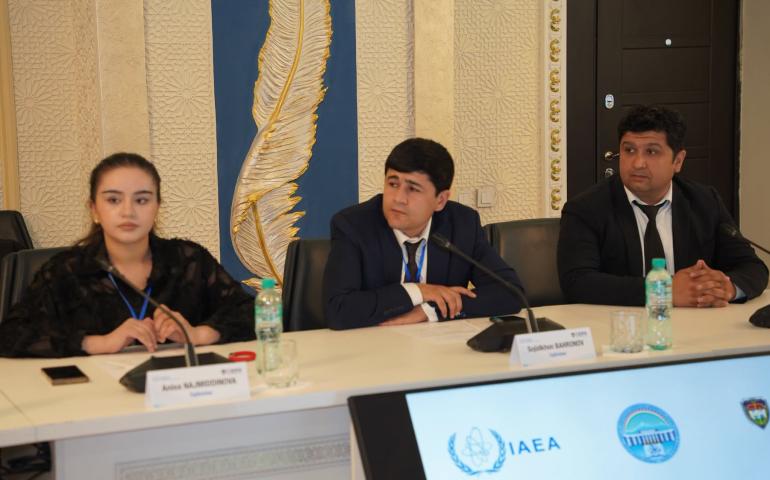
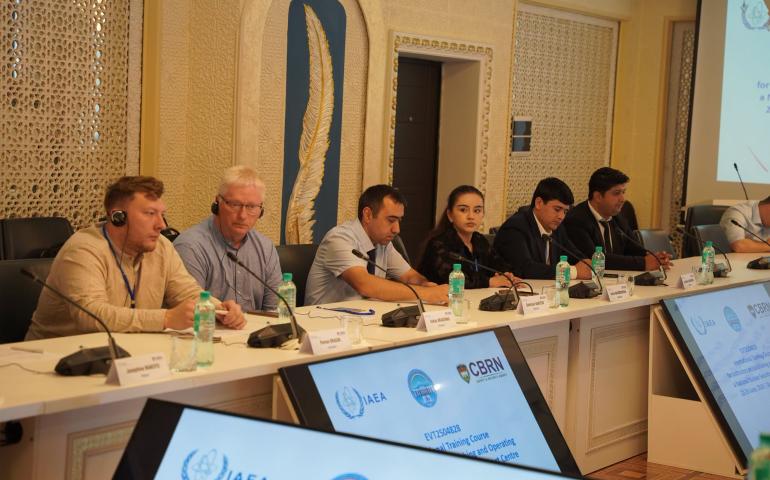
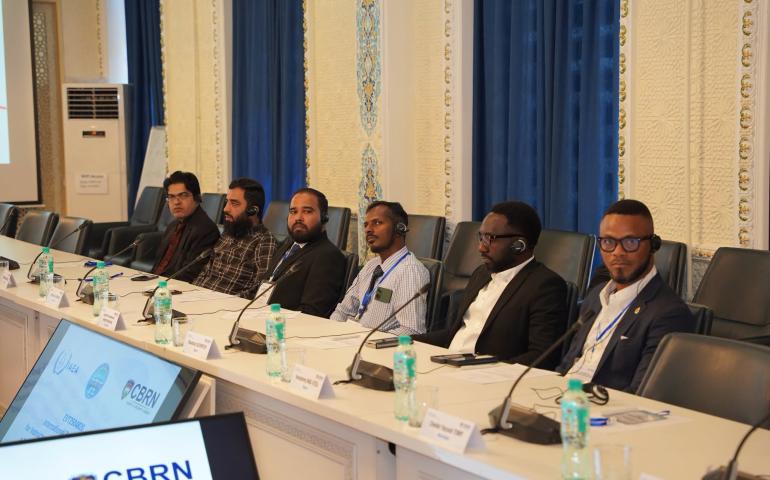
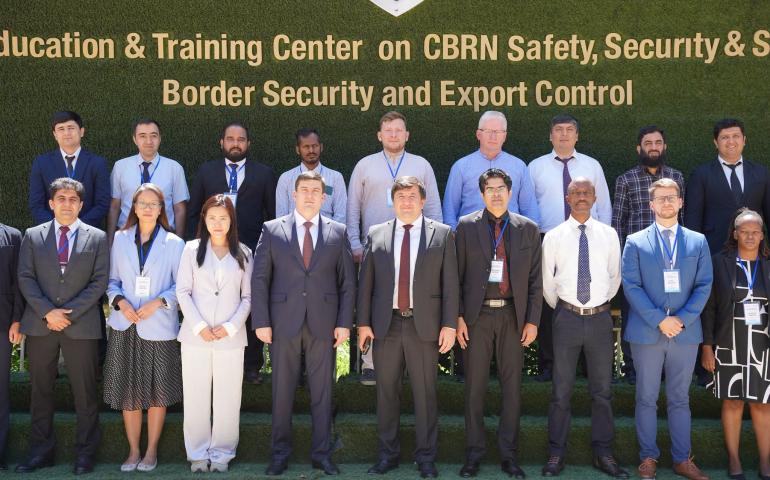
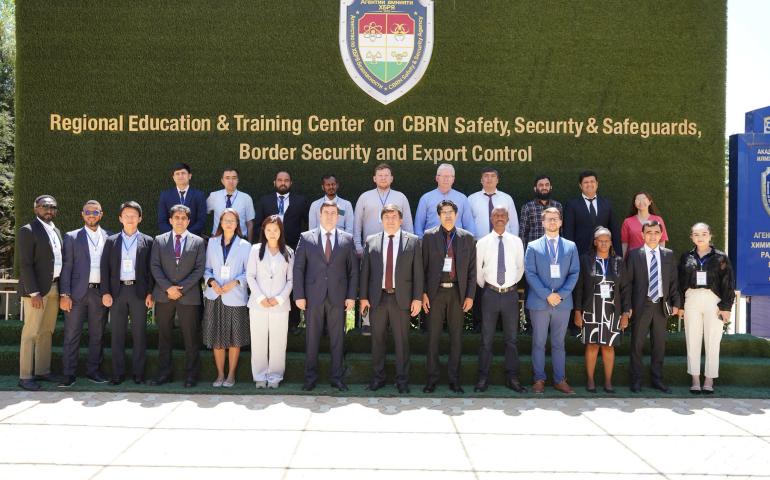
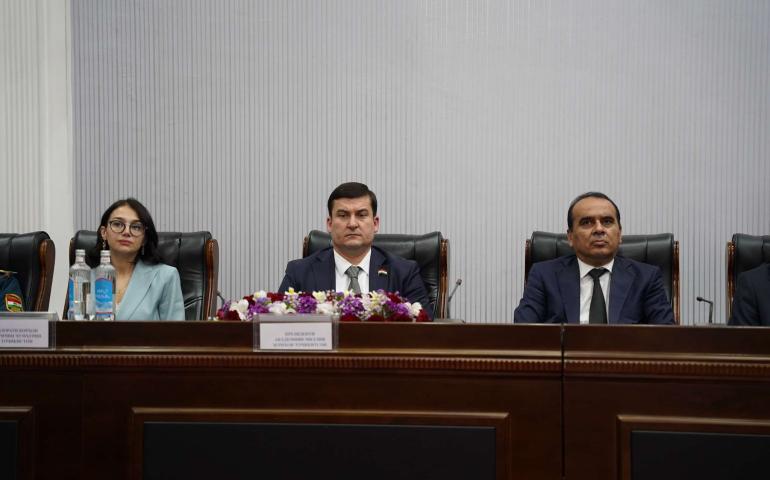
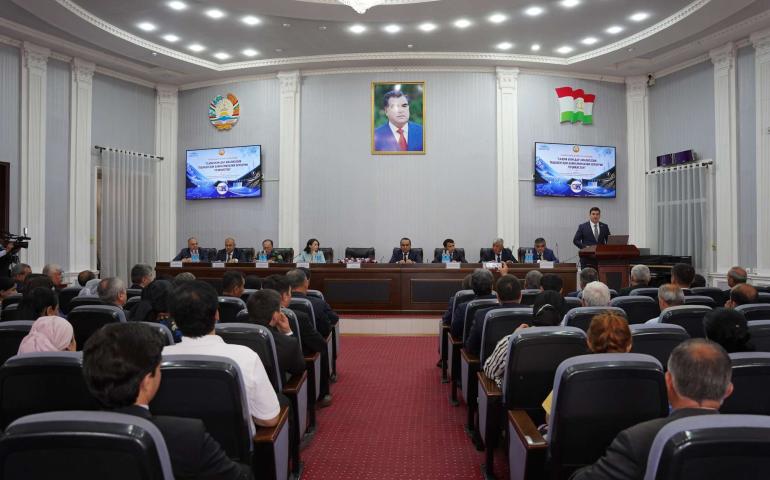
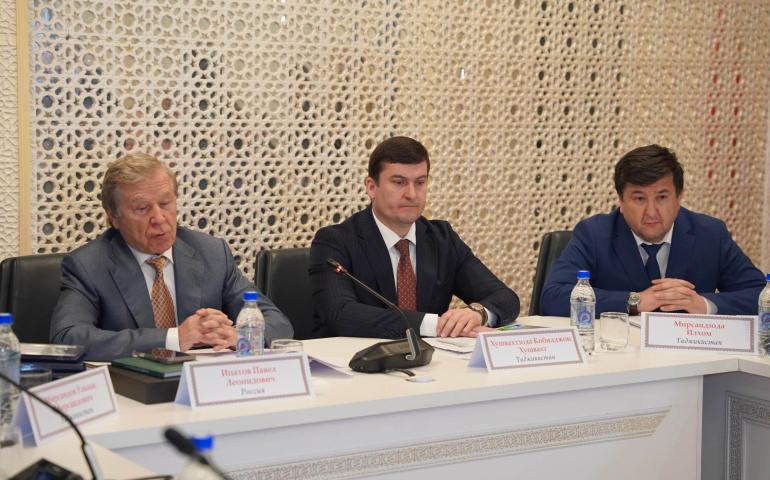
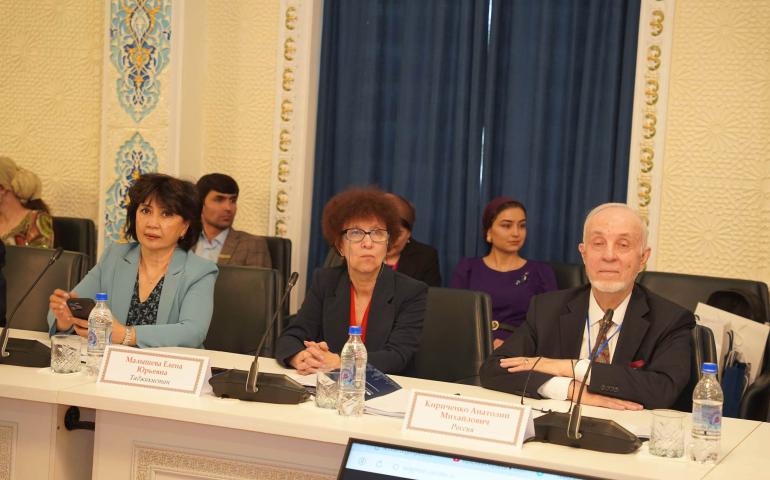
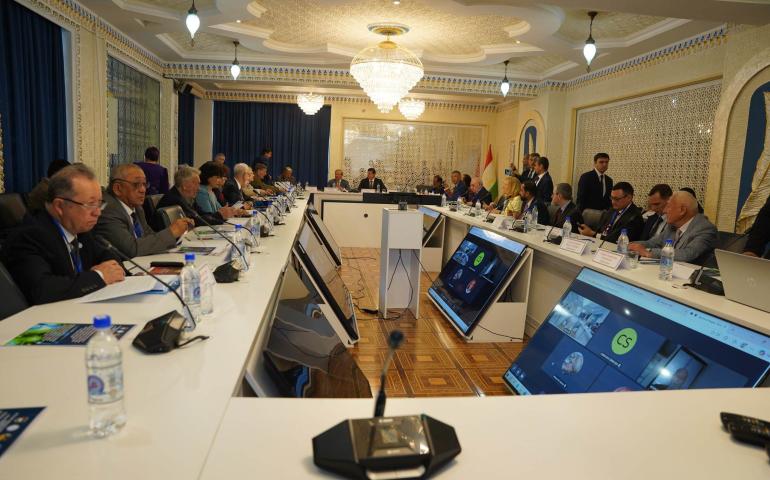
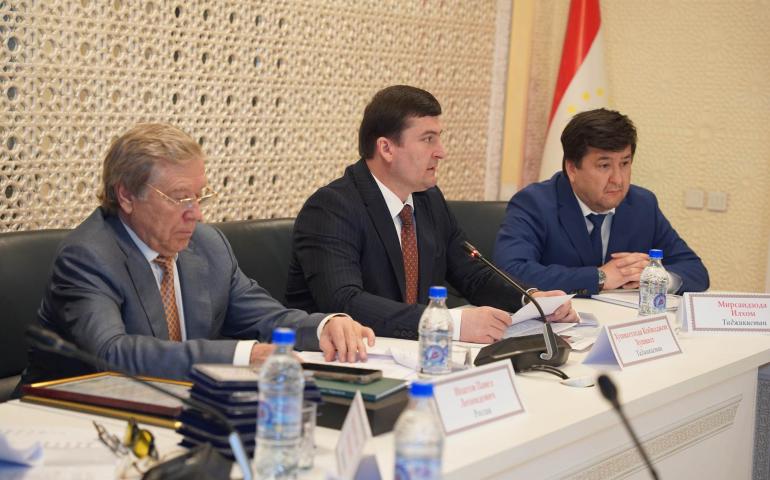
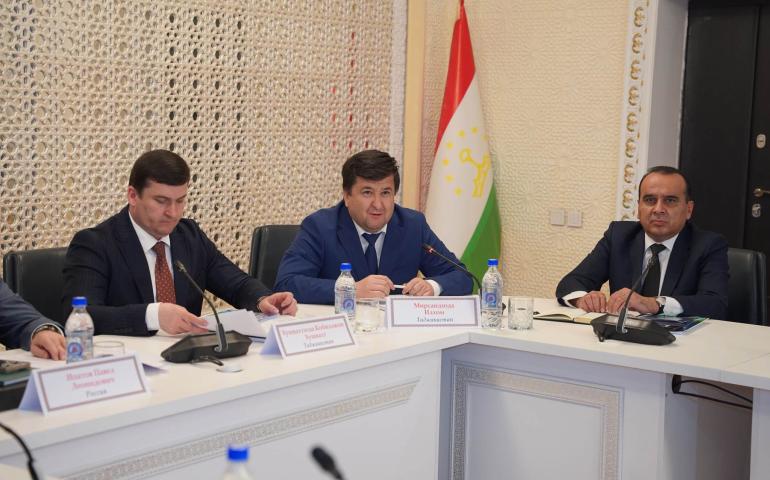
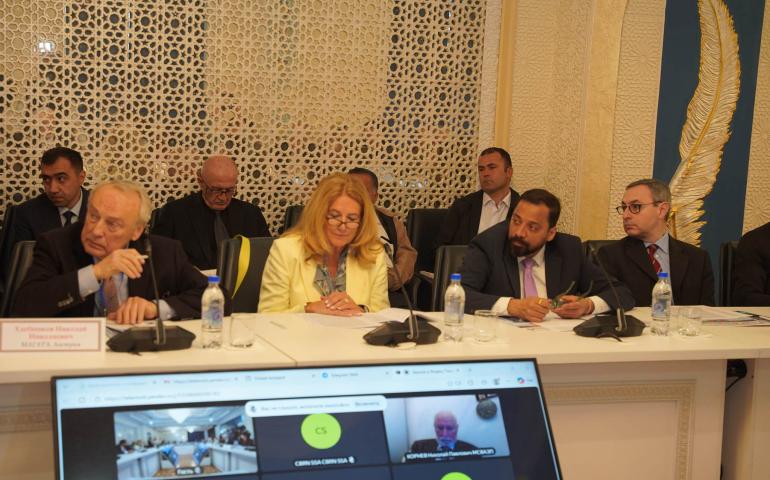
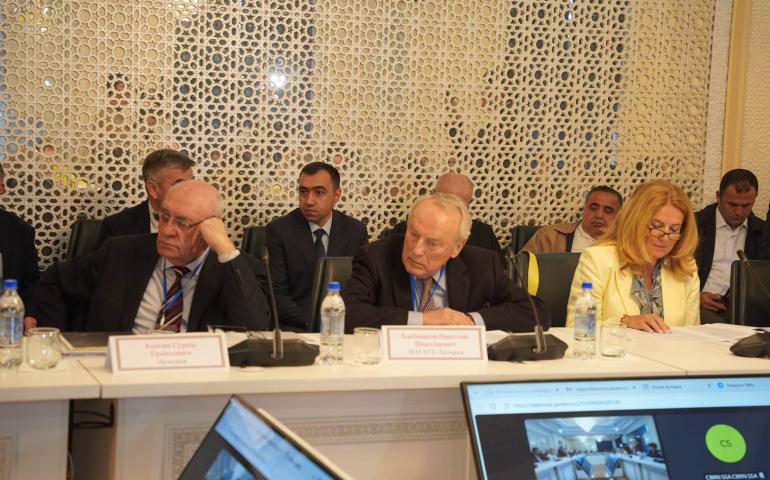
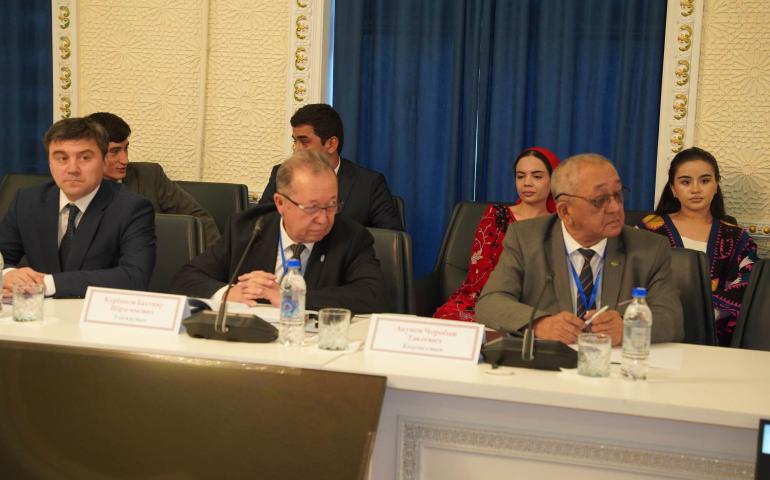
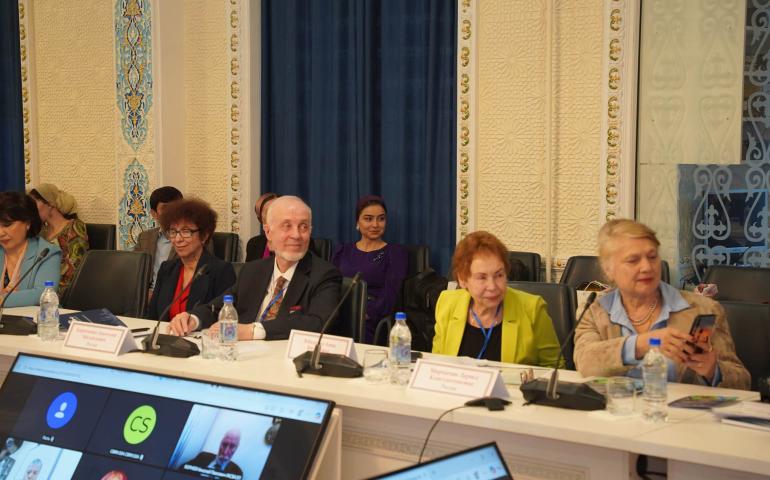
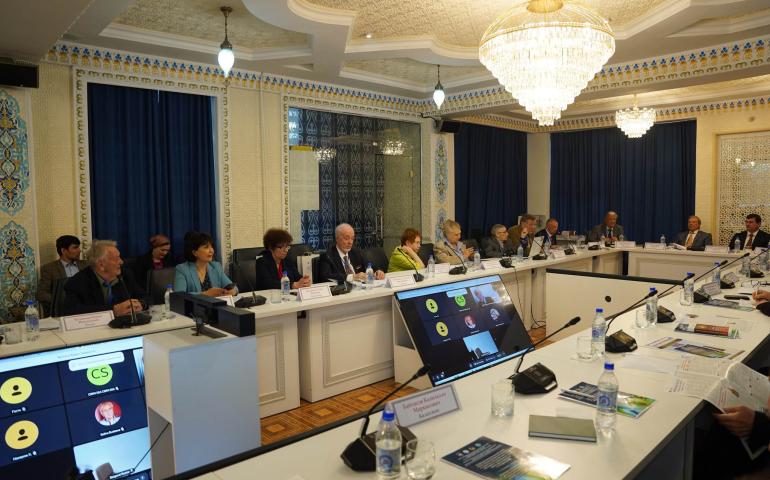
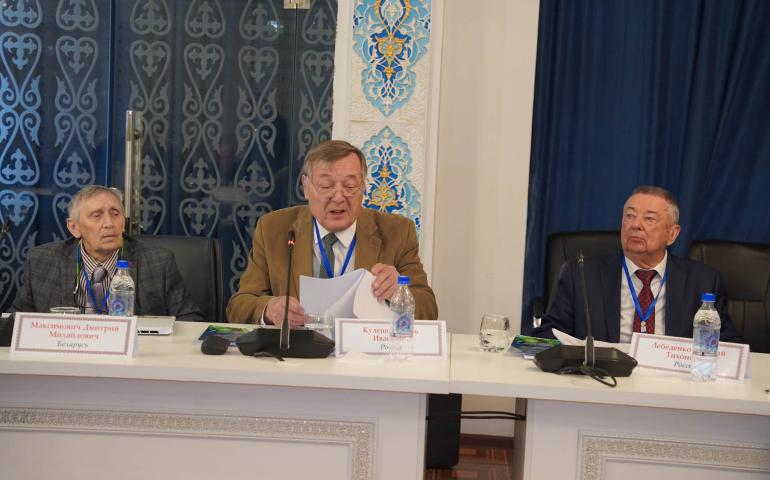
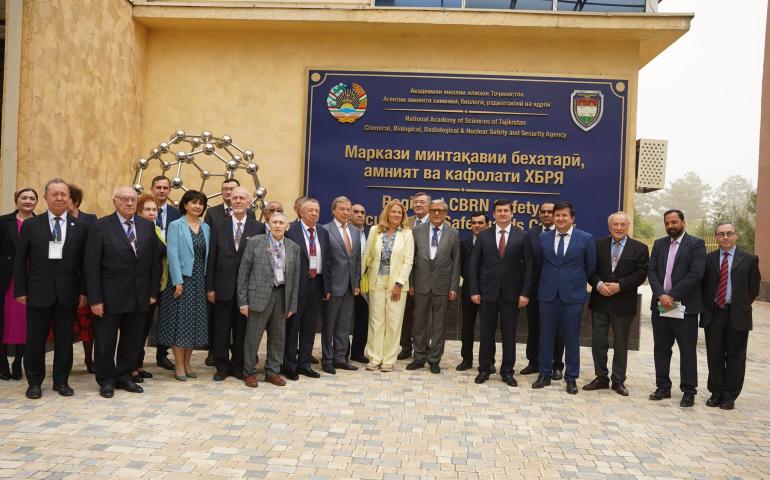
Today, April 15 an International scientific and practical conference on the topic “The role of international veterans’ organizations and scientific-technical organizations for regulatory authorities in ensuring nuclear and radiation safety” was held at the Regional Center for Safety, Security and Safeguards of Chemical, Biological, Radiological and Nuclear Safety of the Agency for Chemical, Biological, Radiological and Nuclear Safety of the National Academy of Sciences of Tajikistan.
The President of the National Academy of Sciences of Tajikistan, Academician Khushvakhtzoda Qobiljon Khushvakht, in his speech noted that today it can be stated with satisfaction that the scientific and technical potential of the National Academy of Sciences of Tajikistan and the Agency for Chemical, Biological, Radiological and Nuclear Safety makes it possible not only to solve national-level tasks, but also to make a significant contribution to the implementation of the regional agenda.
It was emphasized that with the support of the Government of the Republic of Tajikistan, the International Atomic Energy Agency (IAEA) and development partners, a technical services laboratory and a regional center for safety, security and safeguards have been established, which provide a favorable basis for improving safety levels and strengthening sectoral infrastructure.
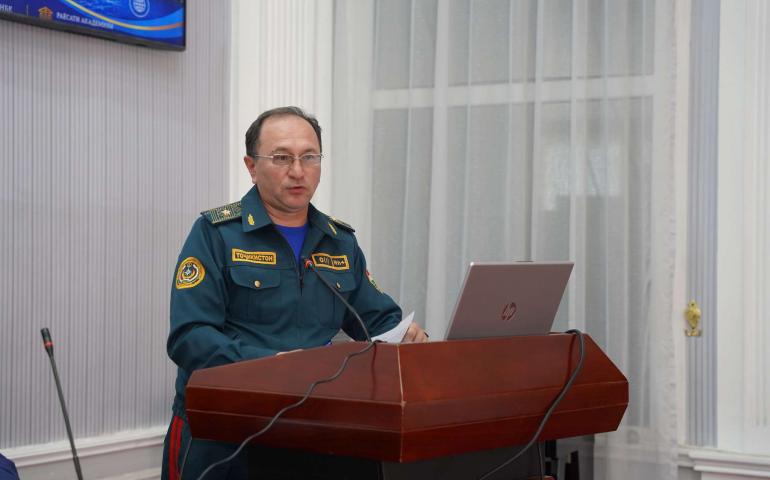
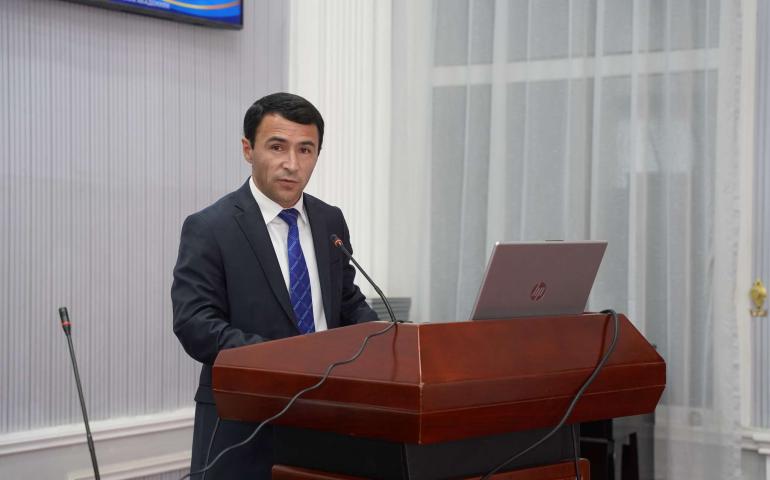
Further, other scientists and researchers from within the country and abroad delivered speeches, exchanging views on important issues of ensuring nuclear and radiation safety, the role of regulatory bodies, the use of advanced international experience and the implementation of the latest scientific research achievements.
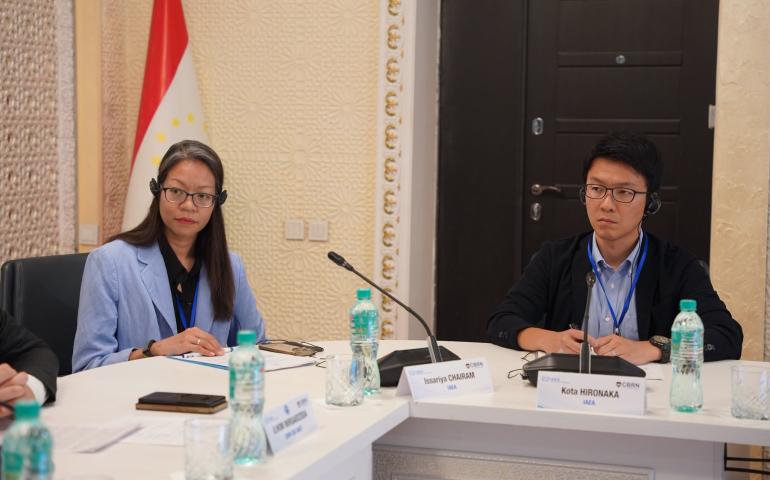
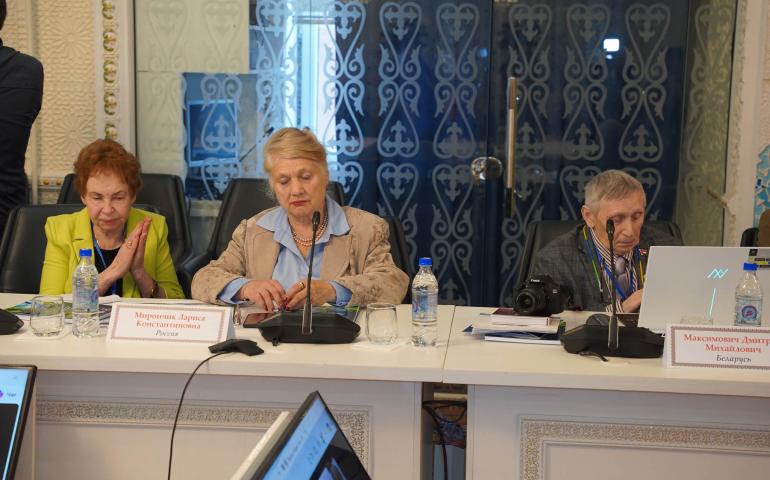
The participants also emphasized the importance of strengthening scientific and technical cooperation, improving the training level of highly qualified personnel and expanding institutional relations to prevent potential risks and ensure sustainable safety.It should be noted that the event is attended by industry specialists from Tajikistan, Uzbekistan, Kazakhstan, Armenia, Belarus, Mongolia, Turkey, Austria, the Russian Federation, as well as international organizations such as the International Atomic Energy Agency, the World Association of Nuclear Operators, CIS base organizations for radioactive waste processing, and experts from regulatory authorities of other countries in the field of nuclear and radiation safety, both in person and online.
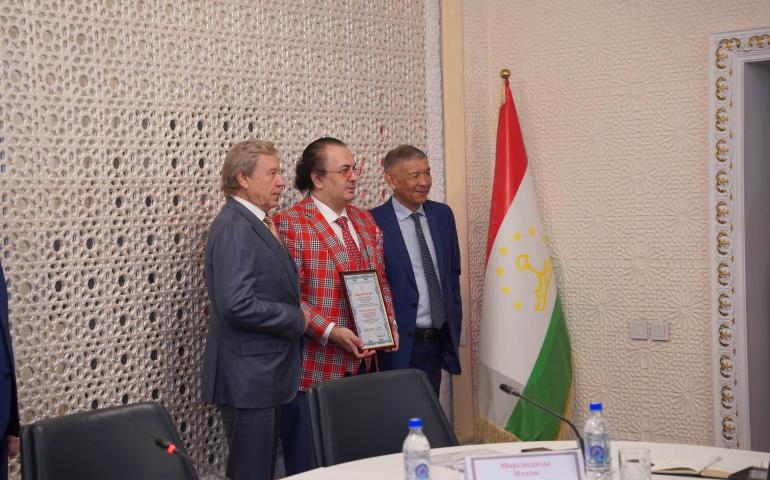
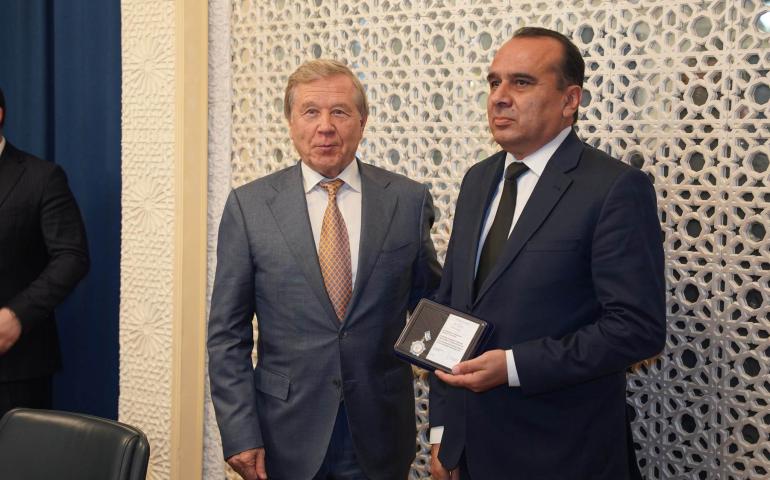
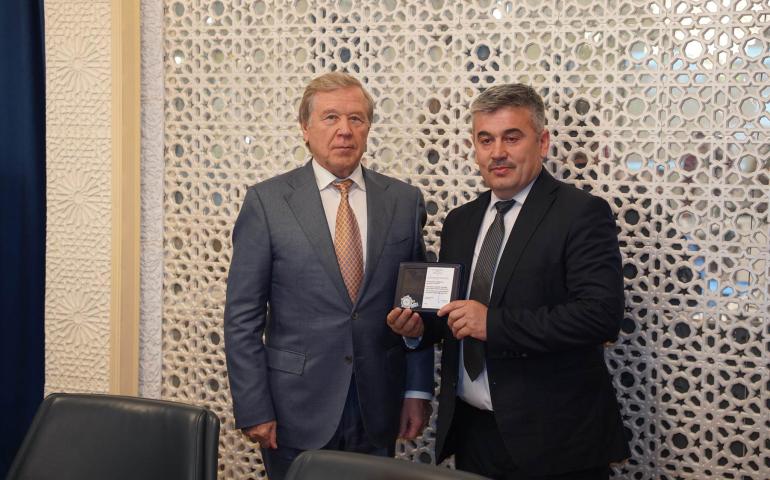
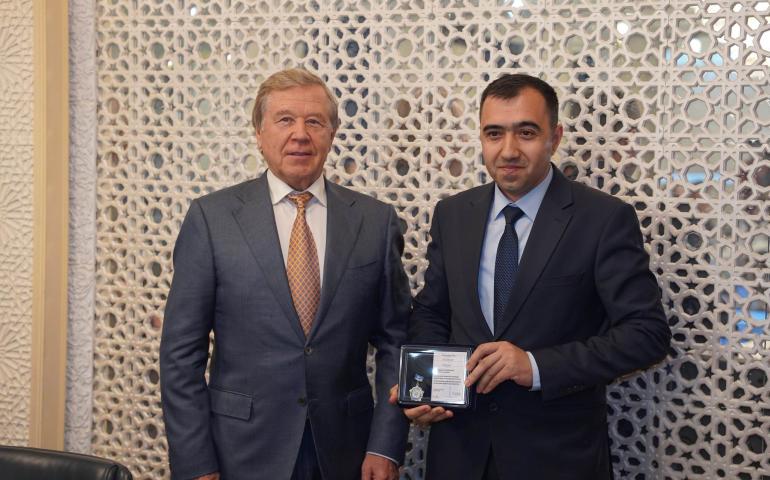
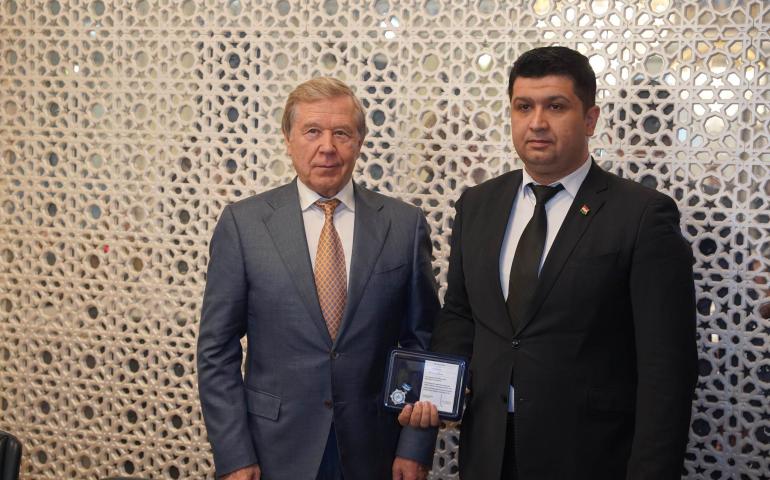
Within the framework of the conference, a number of researchers and industry specialists were awarded membership certificates of the International Association of Veterans of Energy and Nuclear Industry (MSVAEP), and were also honored with medals and other sectoral veteran awards for their significant contribution to the development of the nuclear and radiation safety system.
THE ROLE OF INTERNATIONAL VETERANS’ ORGANIZATIONS AND SCIENTIFIC-TECHNICAL ORGANIZATIONS FOR REGULATORY AUTHORITIES IN ENSURING NUCLEAR AND RADIATION SAFETY
Today, April 15 an International scientific and practical conference on the topic “The role of international veterans’ organizations and scientific-technical organizations for regulatory authorities in ensuring nuclear and radiation safety” was held at the Regional Center for Safety, Security and Safeguards of Chemical, Biological, Radiological and Nuclear Safety of the Agency for Chemical, Biological, Radiological and Nuclear Safety of the National Academy of Sciences of Tajikistan.
The President of the National Academy of Sciences of Tajikistan, Academician Khushvakhtzoda Qobiljon Khushvakht, in his speech noted that today it can be stated with satisfaction that the scientific and technical potential of the National Academy of Sciences of Tajikistan and the Agency for Chemical, Biological, Radiological and Nuclear Safety makes it possible not only to solve national-level tasks, but also to make a significant contribution to the implementation of the regional agenda.
It was emphasized that with the support of the Government of the Republic of Tajikistan, the International Atomic Energy Agency (IAEA) and development partners, a technical services laboratory and a regional center for safety, security and safeguards have been established, which provide a favorable basis for improving safety levels and strengthening sectoral infrastructure.
Further, other scientists and researchers from within the country and abroad delivered speeches, exchanging views on important issues of ensuring nuclear and radiation safety, the role of regulatory bodies, the use of advanced international experience and the implementation of the latest scientific research achievements.
The participants also emphasized the importance of strengthening scientific and technical cooperation, improving the training level of highly qualified personnel and expanding institutional relations to prevent potential risks and ensure sustainable safety.It should be noted that the event is attended by industry specialists from Tajikistan, Uzbekistan, Kazakhstan, Armenia, Belarus, Mongolia, Turkey, Austria, the Russian Federation, as well as international organizations such as the International Atomic Energy Agency, the World Association of Nuclear Operators, CIS base organizations for radioactive waste processing, and experts from regulatory authorities of other countries in the field of nuclear and radiation safety, both in person and online.
Within the framework of the conference, a number of researchers and industry specialists were awarded membership certificates of the International Association of Veterans of Energy and Nuclear Industry (MSVAEP), and were also honored with medals and other sectoral veteran awards for their significant contribution to the development of the nuclear and radiation safety system.
COMMISSIONING OF THE LABORATORY FOR RESEARCH ON TECHNOGENIC TRANSFORMATION OF THE GEOLOGICAL
Today, April 14, at the Regional Center for Safety, Security and Safeguards in Chemical, Biological, Radiological and Nuclear Safety of the Agency for Chemical, Biological, Radiological and Nuclear Safety of the Academy of Sciences of the Republic of Tajikistan, the Laboratory for Research on Technogenic Transformation of the Geological Environment, Radiation Monitoring and Nuclear Safety was put into operation.
The opening ceremony was attended by the President of the Academy of Sciences of the Republic of Tajikistan, Academician Khushvakhtzoda Qobiljon Khushvakht, the Rector of the Belarusian National Technical University, Sergey Vasilevich Kharitonchik, and other staff members.
It was noted during the opening that the establishment of this laboratory was implemented within the framework of an agreement between the Belarusian National Technical University and the Agency for Chemical, Biological, Radiological and Nuclear Safety of the Academy of Sciences of the Republic of Tajikistan.
It was reported that its activities are aimed at conducting fundamental and applied research, including the development of technologies for extracting rare earth element compounds from industrial phosphogypsum waste and uranium production waste, assessing the risks of technogenic accidents in waste dumps and storage facilities, developing geological and information models of technogenically burdened areas, conducting computational and experimental research in the field of nuclear and radiation safety, as well as developing technical regulatory legal documents in this field.
It is noted that the new laboratory will operate at two scientific and educational sites: at the Regional Center for Safety, Security and Safeguards in Chemical, Biological, Radiological and Nuclear Safety under the Agency in the city of Dushanbe, and at the Faculty of Mining and Engineering Ecology of the Belarusian National Technical University in the city of Minsk.
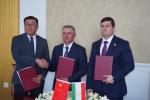
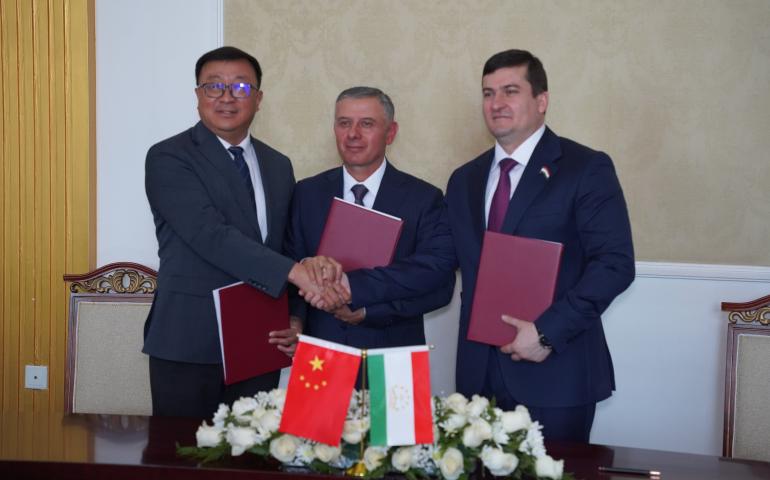
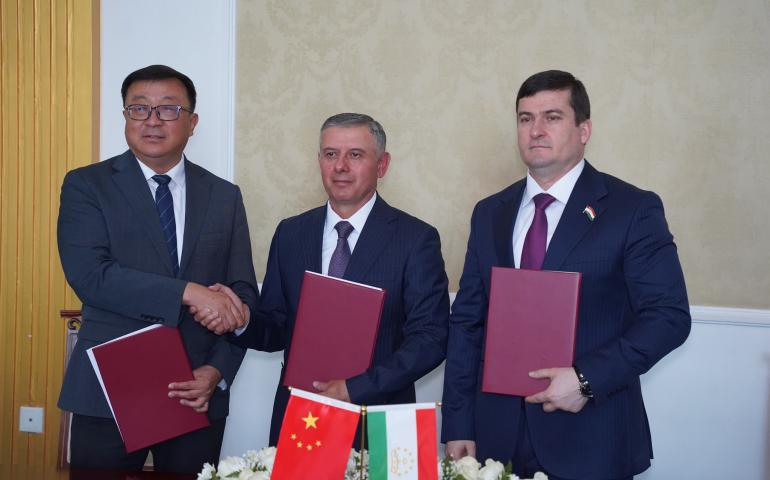
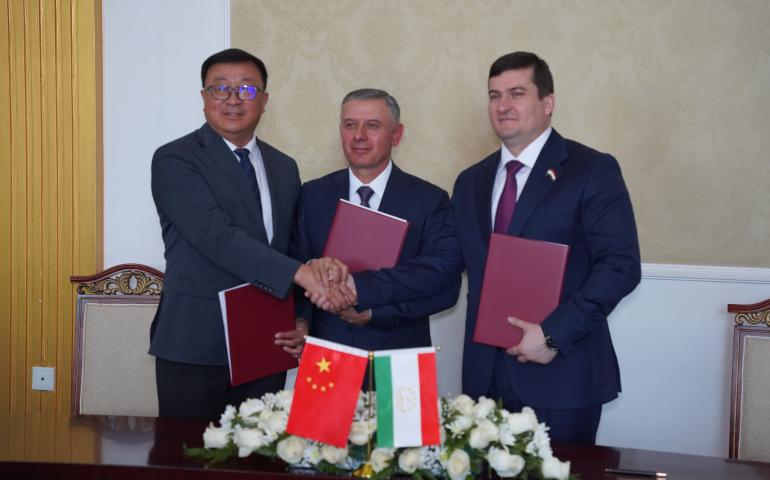
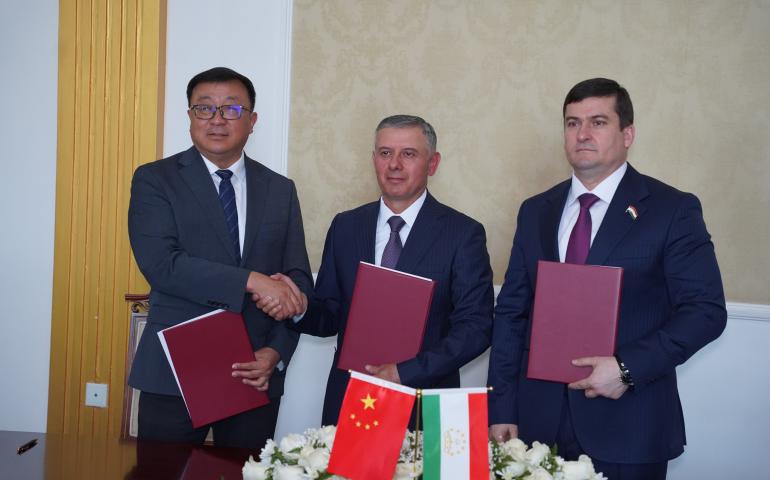
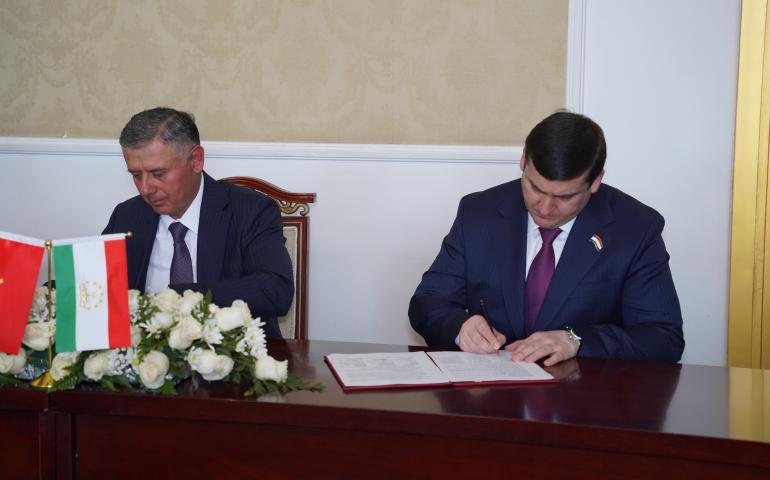
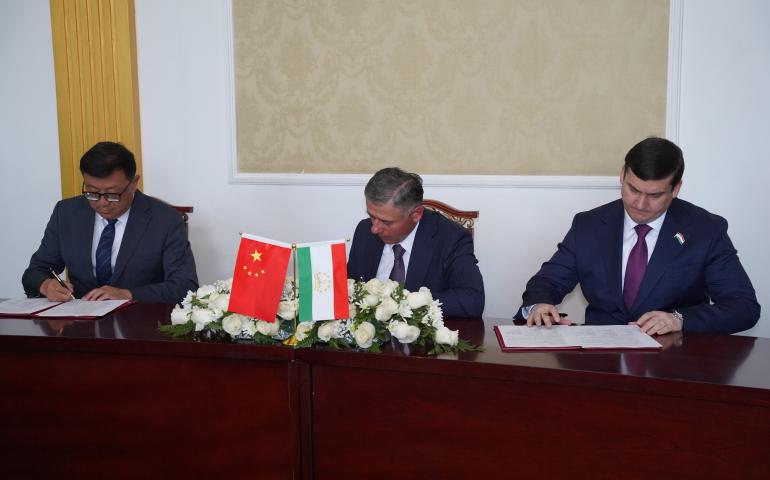
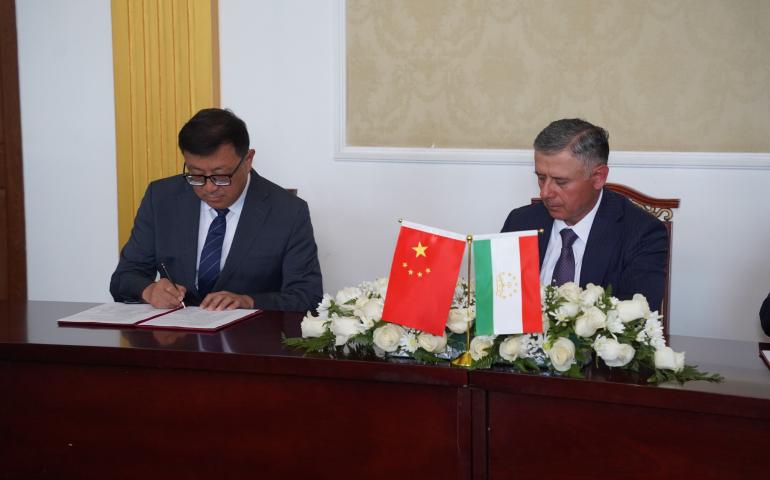
Subsequently, an agreement on the establishment and operation of a joint scientific laboratory between the Agency for Chemical, Biological, Radiological and Nuclear Safety of the Academy of Sciences of the Republic of Tajikistan and the Belarusian National Technical University was signed.
COMPLETION OF THE MAJOR RENOVATION OF THE FOLKLORE FUND AT THE ABUABDULLOH RUDAKI INSTITUTE OF LANGUAGE AND LITERATURE OF THE NATIONAL ACADEMY OF SCIENCES OF TAJIKISTAN
Today, April 13 on the occasion of the 35th anniversary of the State Independence of the Republic of Tajikistan, the Folklore Collection of the Abuabdulloh Rudaki Institute of Language and Literature of the National Academy of Sciences of Tajikistan was reopened after a long period of major renovation, with the participation of the President of the National Academy of Sciences of Tajikistan, Academician Khushvakhtzoda Qobiljon Khushvakht, as well as other scholars and staff.
During the opening, it was reported that the collection contains rare folklore materials, including manuscripts, audio recordings, oral texts, samples of oral creativity, and other valuable cultural heritage of the Tajik people. The major renovation was carried out to ensure preservation, proper storage, and better presentation of the national intangible heritage, as well as to provide favorable scientific conditions for researchers and scholars.
It was emphasized that the restoration and commissioning of such collections are of particular importance for the study, collection, and research of Tajik folklore, and play a significant role in strengthening national identity and preserving cultural values.
It was noted that within the framework of the renovation, storage conditions were brought in line with modern requirements, including the creation of specialized rooms equipped with necessary facilities such as temperature and humidity control systems, special shelving for document storage, as well as conditions for digitization and scientific processing of materials. This initiative will enable not only the preservation of rare folklore materials but also their wide use in research activities.
It was also highlighted that the reopening of the renovated collection provides new research opportunities for scholars, master’s students, and doctoral candidates, creating a solid foundation for conducting research, preparing dissertations, and publishing scientific works.
INSTALLATION OF SOLAR PANELS IN THE BUILDING OF THE REGIONAL CENTER FOR SAFETY, SECURITY AND SAFEGUARDS IN THE FIELD OF CHEMICAL, BIOLOGICAL, RADIATION AND NUCLEAR SAFETY
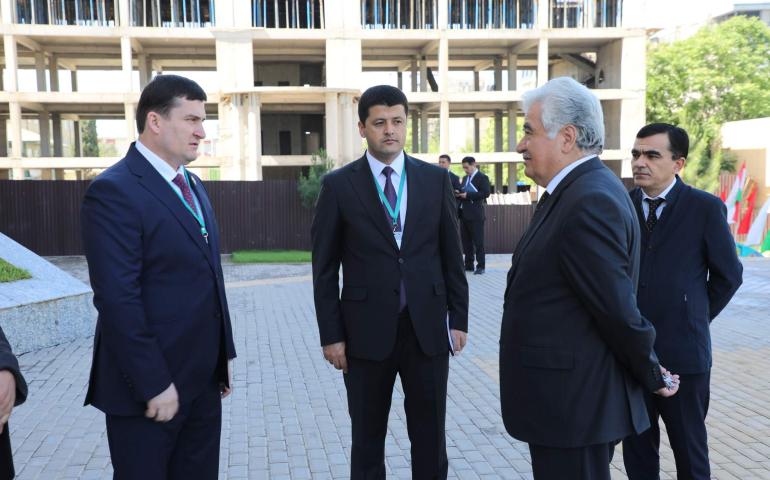
Today, April 10, the President of the National Academy of Sciences of the Republic of Tajikistan, Academician Khushvakhtzoda Qobiljon Khushvakht, together with a group of scientists and staff, visited the site of solar panel installation in the building of the Regional Center for Safety, Security and Safeguards in the field of chemical, biological, radiation and nuclear safety of the Agency for Chemical, Biological, Radiation and Nuclear Safety of the National Academy of Sciences of the Republic of Tajikistan and became fully acquainted with the operation of the solar panels.
It was noted that, in order to implement the Strategy of the Government of the Republic of Tajikistan in the field of introducing and developing a “green” economy, the staff of the National Academy of Sciences of the Republic of Tajikistan have organized scientific research activities. In this context, employees of the S.U. Umarov Institute of Physics and Technology of the Academy are developing and preparing solar panels that contribute to the advancement of renewable energy sources.
It was emphasized that the installation of such modern equipment creates opportunities to supply the institution with clean and environmentally friendly electricity, while also increasing the efficiency of energy resource utilization. This initiative can also serve as an example of best practice for the implementation of “green” technologies in other scientific institutions and various sectors of the national economy.
It was also noted that, by the Executive Authority of the city of Dushanbe, in order to save electricity, in the future, in accordance with the instruction of the Chairman of the city of Dushanbe, esteemed Rustam Emomali, solar panels must be installed in all newly constructed multi-storey residential buildings, higher education institutions, and educational facilities. In this regard, scientific staff of the National Academy of Sciences have organized the construction, commissioning, and installation of solar panels.
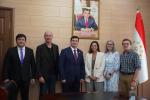
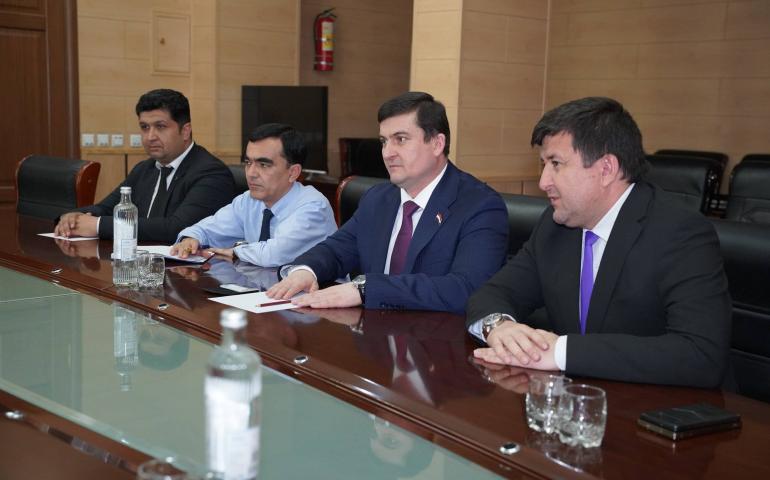
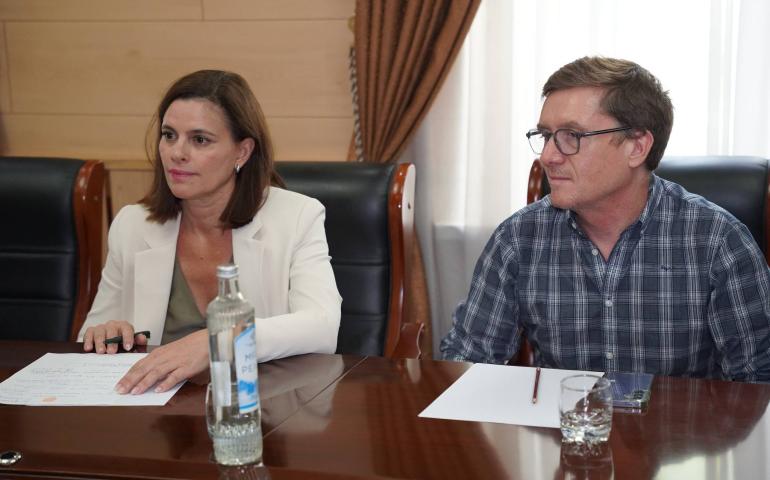
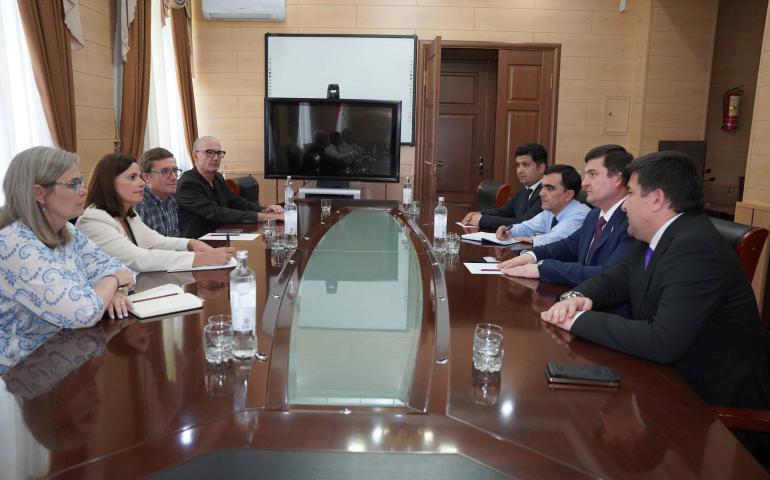
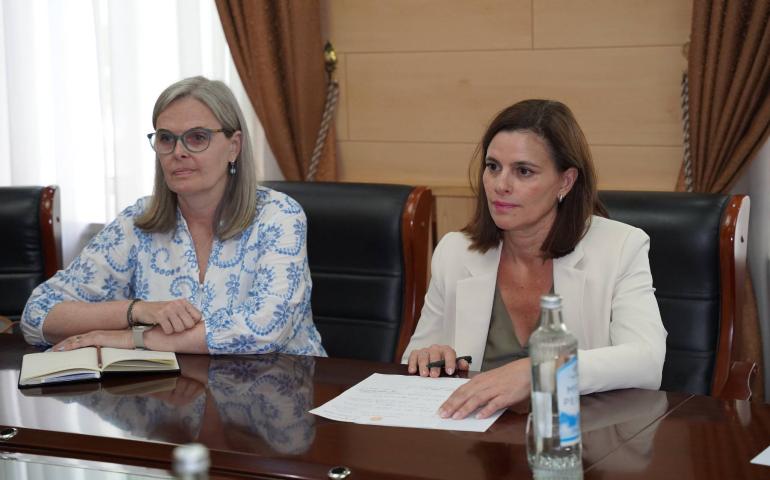
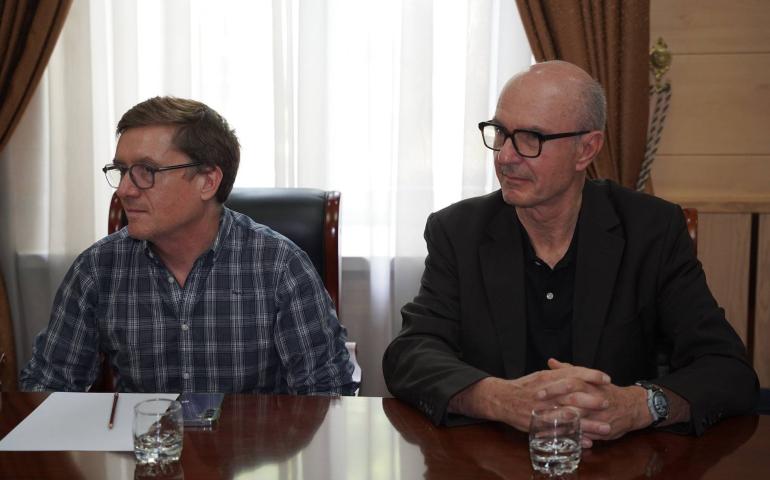
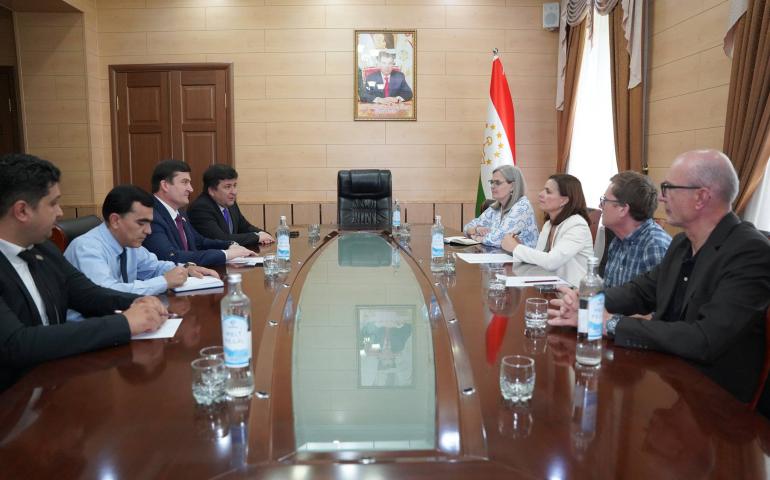
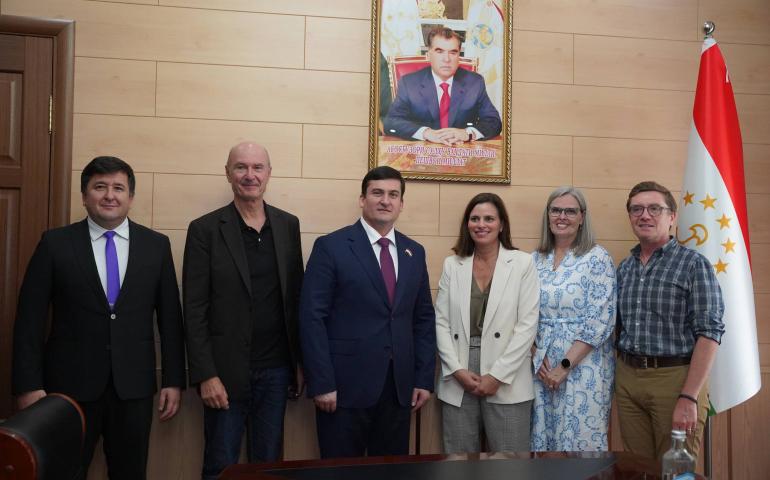
Today, April 8, a meeting was held at the National Academy of Sciences of Tajikistan between the President of the National Academy of Sciences of Tajikistan, Academician Khushvakhtzoda Qobiljon Khushvakht, and representatives of the University of Oxford.
The meeting was attended by the leadership, the Vice President, and the Head of the Department of International Relations, as well as specialists in Persian language and literature from the University of Oxford, including Professor Edmund Herzig, Dr. Farniyaz Zaker, and Ms. Ani Beth-Moses.
During the meeting, the parties discussed issues related to establishing an agreement between the National Academy of Sciences of Tajikistan and the University of Oxford, expanding research cooperation, exchanging experience among scholars, launching joint educational programs, and implementing international projects.
It was emphasized that cooperation in the study of Persian language and literature, research on cultural heritage, and the development of academic relations can serve the interests of both parties. Particular attention was paid to the training of scientific personnel from among master's and doctoral students, and the parties stressed the need to strengthen cooperation in training highly qualified specialists.
It was noted that attracting talented youth to master's and doctoral programs, organizing exchanges of students and researchers, and creating favorable conditions for conducting joint research can contribute to the further development of science and education and to strengthening the intellectual potential of society.
The parties also agreed to hold joint scientific conferences and seminars in the future, emphasizing that such events can provide a favorable platform for knowledge exchange, presentation of research results, and expansion of scientific cooperation. It was noted that the regular organization of such events will contribute to strengthening academic ties and developing the scientific environment of both sides.