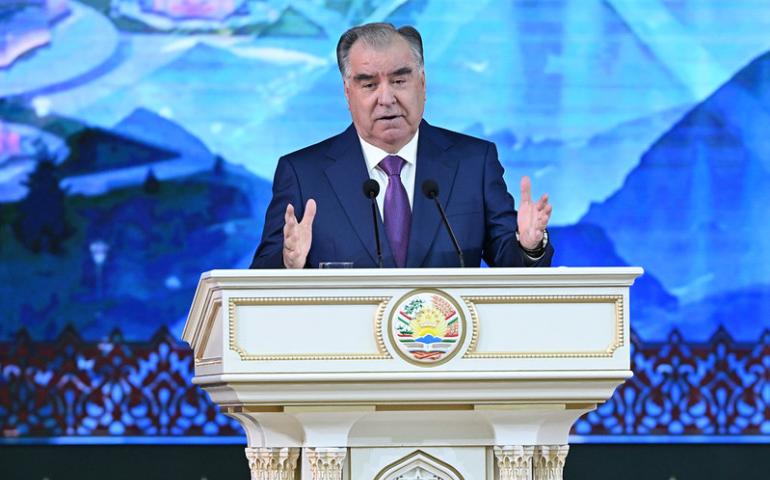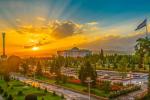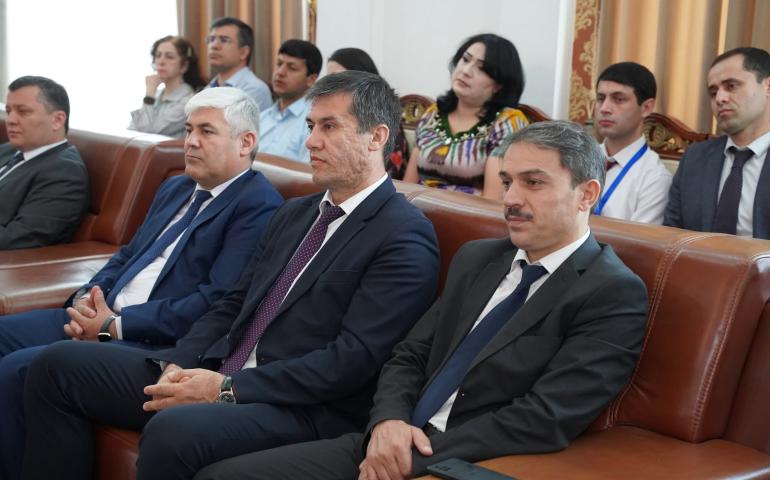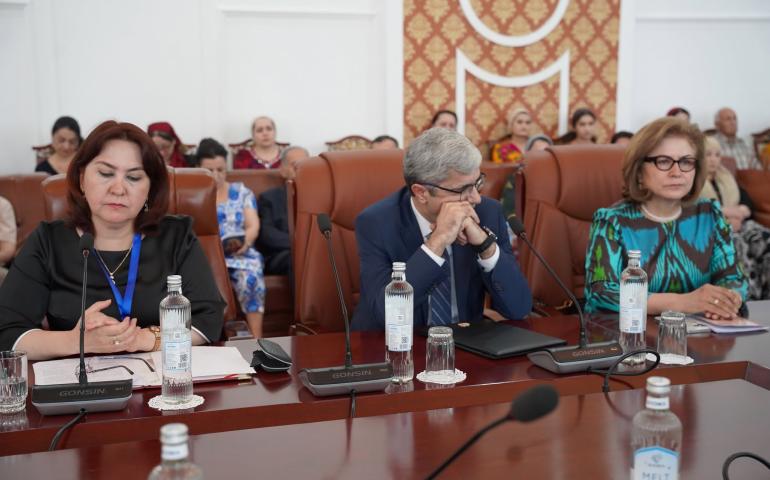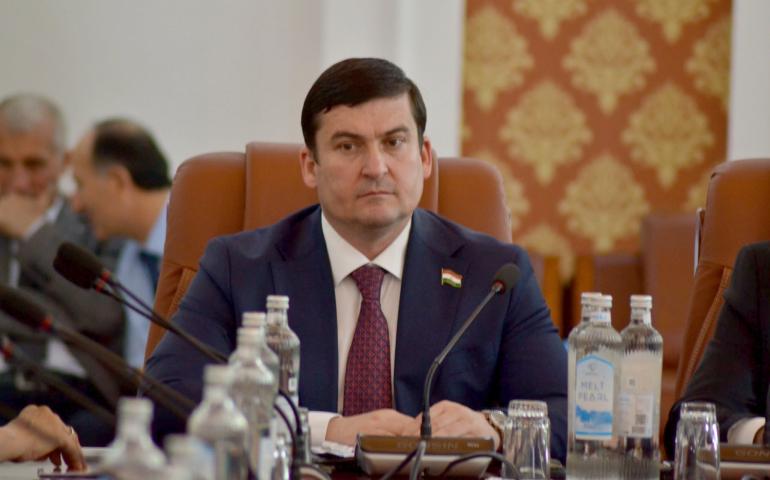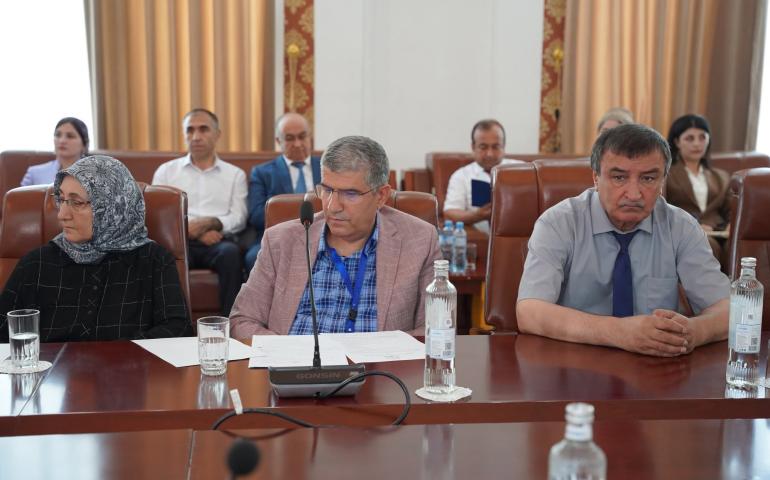



Dushanbe is the heart and capital of Tajikistan for Tajiks worldwide. Over the past thirty-five years of independence, the city has undergone profound transformation, evolving from a modest post-Soviet center into a symbol of national revival, unity, and cultural identity. This progress is closely associated with the consistent efforts of the country’s leadership, particularly the President of the Republic of Tajikistan, his Excellency Emomali Rahmon, whose state policy has prioritized peace, stability, and sustainable development as the foundations of urban growth.
 Following the challenges of the early independence period, including economic difficulties and internal conflict, the restoration of peace created the necessary conditions for reconstruction and modernization. Under the leadership of the President of the Republic of Tajikistan Honorable Emomali Rahmon, large-scale national programs were implemented to strengthen infrastructure, improve living standards, and enhance the international image of the capital. Dushanbe gradually became a political, economic, and cultural hub, hosting important international events and fostering cooperation with global partners.
At the municipal level, the role of the city’s executive authority has been equally significant. The long-term administration of the Mayor of Dushanbe, Rustami Emomali, has been marked by active urban development, modernization of public services, expansion of transport networks, and the creation of green spaces. Particular attention has been given to improving the quality of life for residents through the construction of new residential complexes, educational institutions, healthcare facilities, and cultural centers.
The combined efforts of national and local authorities have turned Dushanbe into a modern and dynamic capital that reflects the aspirations of the Tajik people. Today, the city stands not only as the administrative center of the state but also as a powerful symbol of independence, peace, and progress achieved during more than three decades of sovereign development.
Dushanbe is the capital that unites Tajiks across the world. It stands not only as the political center of the Republic of Tajikistan but also as a symbol of national identity, cultural heritage, and collective aspirations.
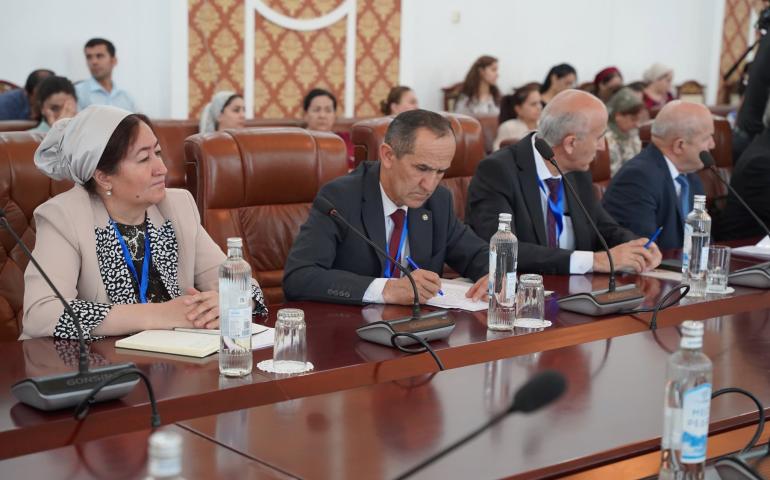
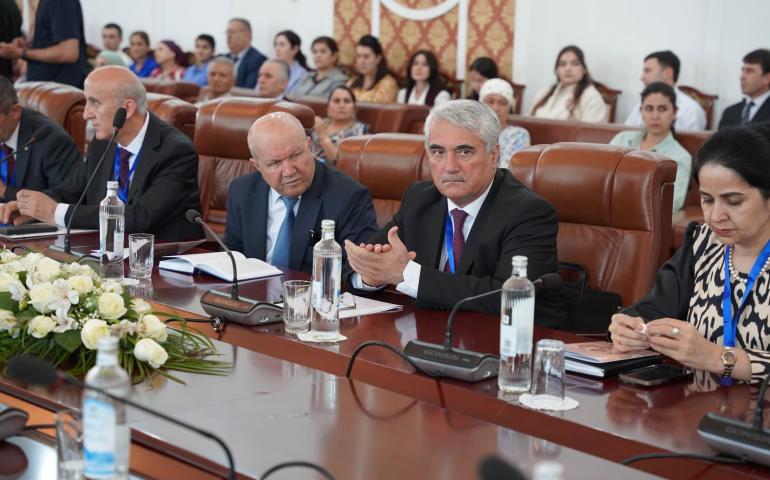
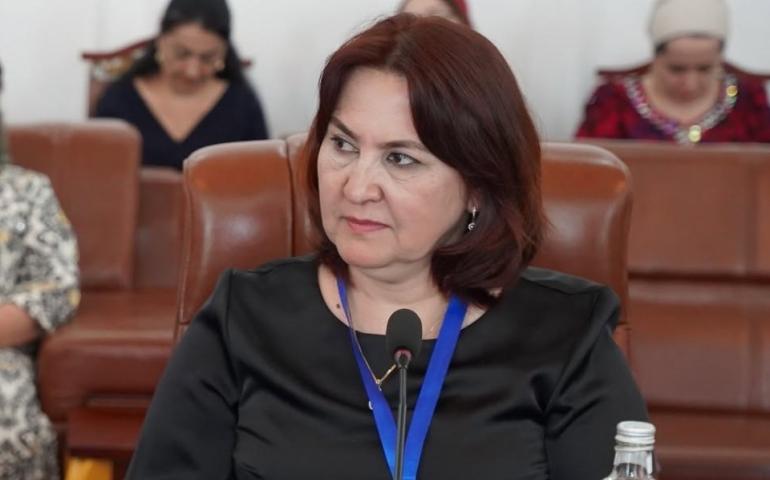
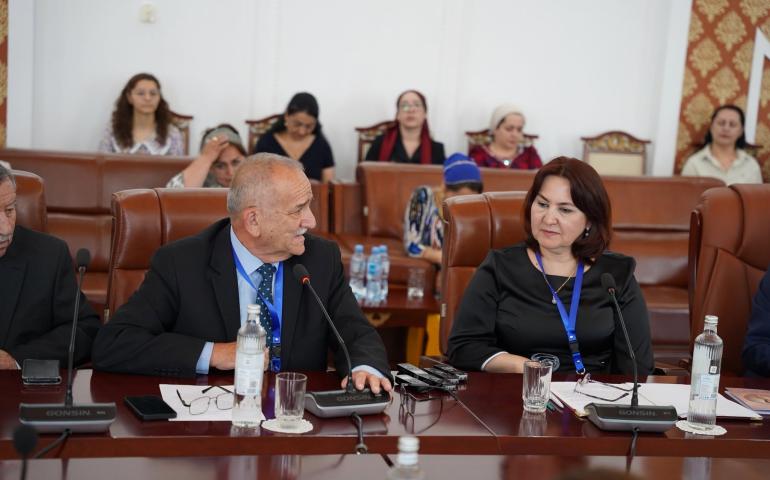
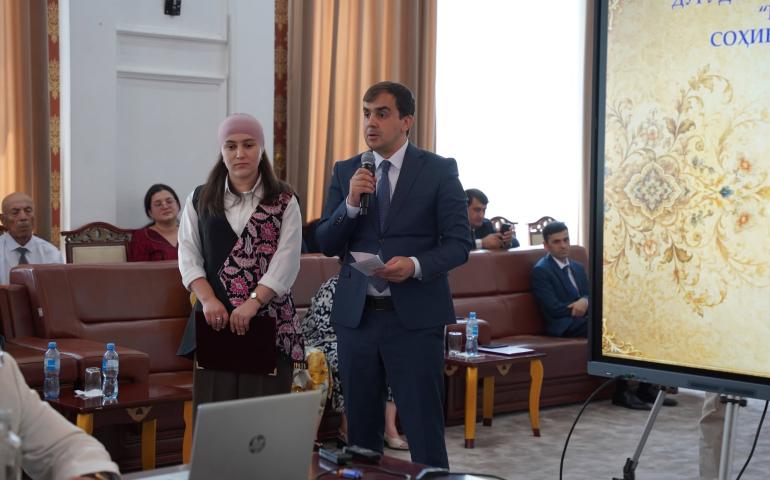
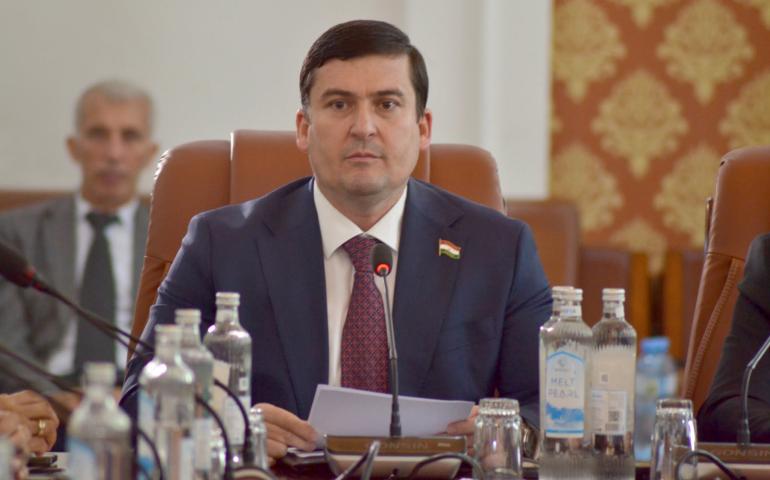
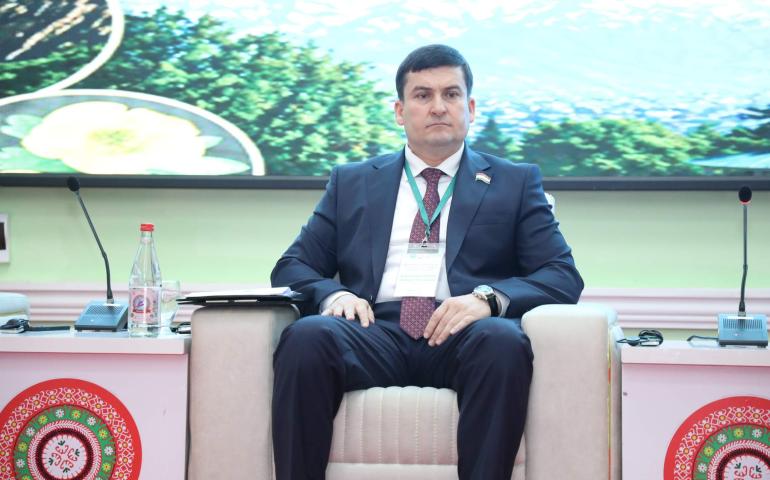
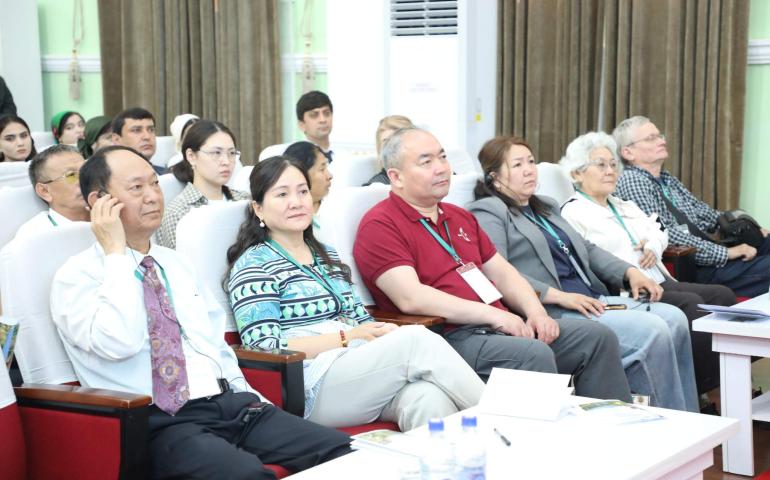
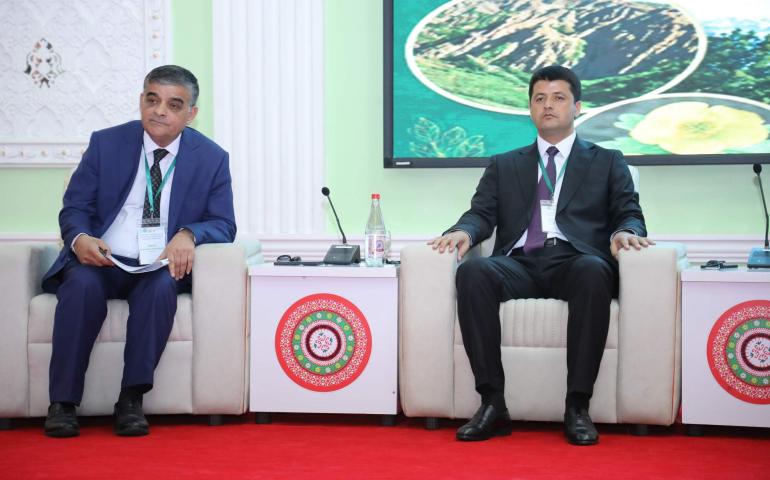
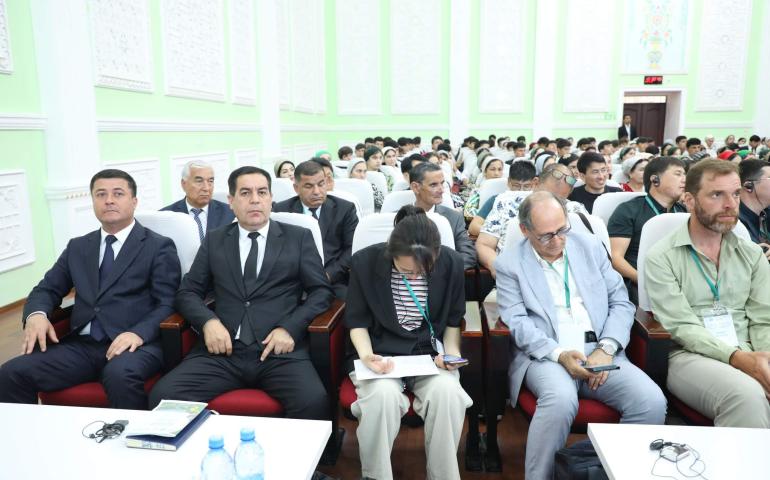
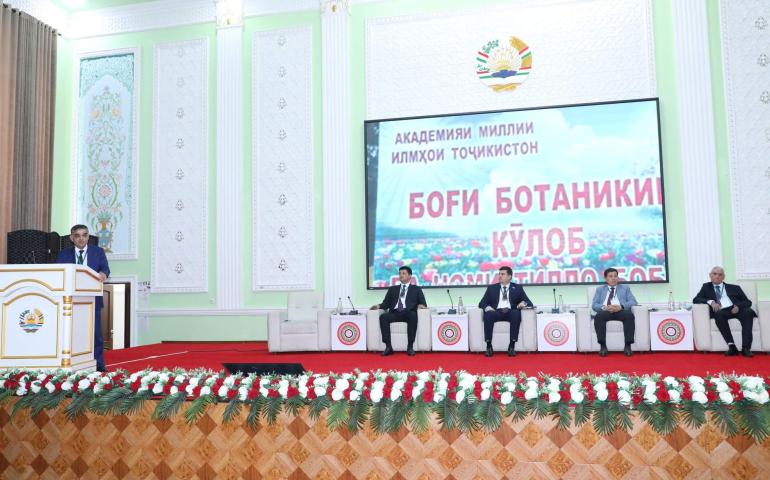
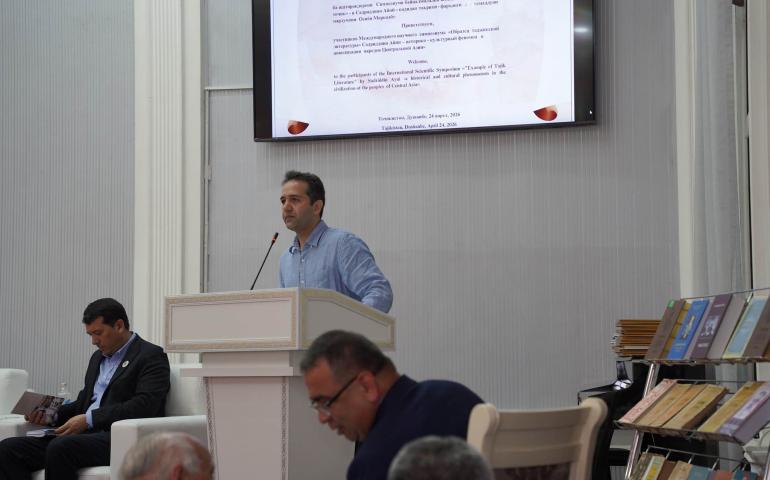
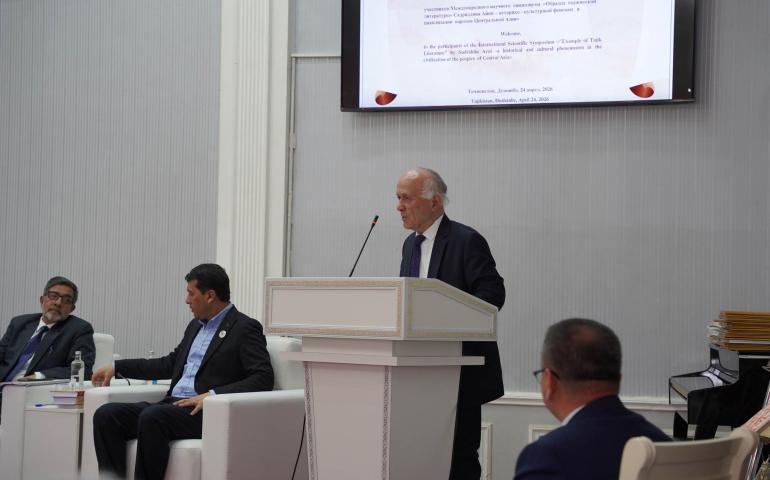
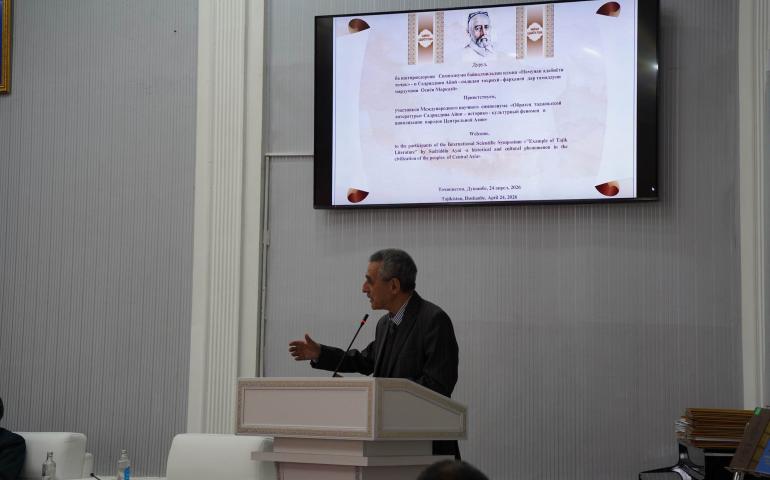
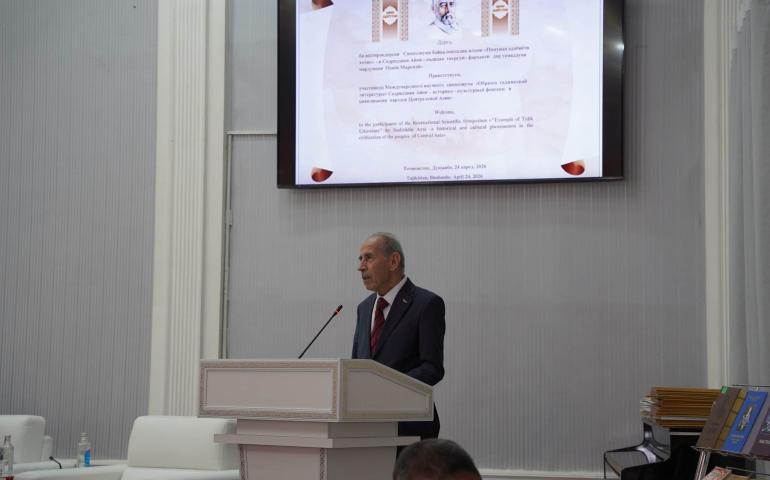
Under the leadership of the President of the Republic of Tajikistan his Excellency, Emomali Rahmon consistent efforts have been directed toward the development and beautification of the capital and the country as a whole. In recent years, the city authorities have also made significant contributions to strengthening the conditions necessary for organizing scientific and academic events, creating an environment that encourages intellectual exchange and cooperation.
Today, Dushanbe is steadily transforming into a modern city with well-developed infrastructure. The construction of contemporary conference halls, hotels, and service facilities has made it increasingly attractive for hosting both national and international scientific forums. At the same time, improvements in communication technologies and the expansion of air transport links have enhanced the city’s accessibility, enabling scholars and specialists from different parts of the world to gather and collaborate.
The visible progress of the capital is also closely associated with the initiatives of the Mayor of Dushanbe, Rustami Emomali, whose efforts have contributed to the modernization of the city. These developments reflect the broader state policy focused on youth, education, and innovation, which continues to shape the future of the nation.
As a result of these combined efforts, Dushanbe has undergone a remarkable transformation. Its appearance, infrastructure, and social environment have evolved significantly, giving it the character of a modern and dynamic city. At the same time, it remains a reflection of the history, traditions, and spirit of the Tajik people.
Dushanbe is the largest city in Tajikistan and serves as the country’s main center of science and culture. It is a place where history and modernity coexist, where educational institutions, cultural centers, and research organizations contribute to the intellectual life of the nation.
More than that, Dushanbe is a city that brings people together. It represents warmth, hospitality, and mutual respect. For many, it is not just a capital city, but a home, a place filled with memories, growth, and belonging. Like a caring mother, it nurtures those who live in it and welcomes those who come from afar.
Rich in natural beauty, greenery, and a sense of harmony, Dushanbe inspires admiration in all who walk its streets. Its atmosphere, shaped by the kindness and culture of its people, leaves a lasting impression. In such moments, one cannot help but feel pride and say: long live our beloved city, Dushanbe.
Dushanbe is a city of wisdom, dignity, and joy, a place where thoughtful men, honorable women, and cheerful children shape the spirit of everyday life. It is a city that naturally draws the heart, leaving a deep and lasting impression on all who experience its atmosphere. Known for its beauty and elegance, Dushanbe is equally distinguished by the hospitality, nobility, and pride of its people.
As citizens of this land, it is our duty to value and celebrate its significance. Dushanbe is not only visually appealing, with its blooming gardens and well-designed spaces, but also remarkable for its urban development. Modern buildings, spacious palaces, cultural centers, theaters, and universities stand alongside important administrative institutions, forming a harmonious combination of tradition and progress. Being the political, economic, and cultural center of Tajikistan further enhances its importance and appeal.
For every resident, Dushanbe is a source of pride. Its image, often reflected in literature and admired by writers, continues to inspire admiration. Yet beyond all written praise, the city possesses a unique charm that speaks for itself, a beauty that cannot easily be compared, one that captivates both the eye and the mind.
Dushanbe holds a special place in the hearts of Tajiks, much like a precious jewel that shines ever brighter with time. People of all generations are deeply connected to it, finding in the city a sense of belonging and inspiration. Its welcoming environment, open doors, and vibrant life create a feeling of hope and possibility for both residents and visitors.
We are grateful to belong to such a place, a city rich in culture, kindness, and natural beauty. Even those who travel far from their homeland carry the image of Dushanbe with them, remembering its fresh air, greenery, and warmth with affection and pride.
With sincere appreciation, we recognize Dushanbe as a city of art, culture, and noble character. It is a place that deserves respect and care in every detail, from its landscapes to its heritage.In conclusion, Dushanbe, as the central city of independent Tajikistan, continues to grow and flourish. With each passing day, it becomes more developed, comfortable, and attractive. Its charm is undeniable, and its atmosphere leaves no one untouched. It is difficult to imagine anyone who would not appreciate the beauty and spirit of this remarkable city.
There is hardly a moment when the gentle fragrance of Dushanbe does not awaken feelings of warmth and affection. The city’s atmosphere, filled with the spirit and culture of its people, leaves a lasting impression on both the heart and the mind.
A brief overview of the history of DushanbeDushanbe is the capital of Tajikistan and holds the status of a city of republican significance. It is the largest scientific, cultural, political, economic, and administrative center of the country, where the highest state institutions are located.
The city’s name and status have changed over time. Between 1925 and 1929 it was officially known as Dushanbe, and from 1929 to 1961 it was renamed Stalinabad in honor of Joseph Stalin. In 1961, during the period of de-Stalinization, the historical name Dushanbe was restored. Since 1991, following independence, it has served as the capital of the Republic of Tajikistan.
Today, Dushanbe plays a central role in the country’s development. A significant portion of Tajikistan’s industrial capacity is concentrated here, and the city is home to over a million residents. Since 2017, the city has been led by Mayor Rustam Emomali.The name “Dushanbe” has deep historical roots. It is mentioned in the 17th century work Bahr al-asror fi manaqib al-akhyar by Mahmud ibn Vali, as well as in historical correspondence involving regional rulers. In earlier records, the settlement was also referred to as “Dushanbe-kurgan,” where “kurgan” (a Turkic term) means “fortress.” The original settlement developed near a fortress on the left bank of the Varzob River, where a market was traditionally held every Monday. The name “Dushanbe,” meaning “Monday,” reflects this long-standing торговая tradition.
Archaeological evidence suggests that the territory of modern Dushanbe has been inhabited for over two millennia. Excavations have uncovered remnants of ancient settlements, fortifications, burial sites, and coins, indicating a continuous human presence. Scholars generally divide the history of the area into three main periods: ancient, medieval, and modern.
In ancient times, the region of Dushanbe was part of the eastern area of the Hissar Valley, a fertile zone that supported early human settlement. The city’s origins are linked to the so-called Hissar culture, an ancient Neolithic civilization that developed in Central and Southern Tajikistan between the 7th and 2nd millennia BCE. This early cultural foundation reflects the deep historical roots of the city and its surrounding region.
Overall, Dushanbe is not only a modern capital but also a place where history, culture, and tradition are closely intertwined, forming a unique identity that continues to evolve today.The Period of IndependenceFrom the late 1980s and early 1990s, profound political and social transformations reshaped both Dushanbe and the entire country. A key turning point came on August 24, 1990, when the Declaration of Independence was adopted by the Supreme Council of the Republic. This step was followed on September 9, 1991, when, at an extraordinary session held in Dushanbe, the Declaration of State Independence of Tajikistan was officially proclaimed. Since that historic moment, Dushanbe has served as the capital of a sovereign and independent state.
Over the 35 years of independence, the city has undergone remarkable transformation. Large-scale construction and urban development projects have significantly changed its appearance. Modern architectural complexes, cultural institutions, administrative buildings, wide avenues, and residential districts have been established, turning Dushanbe into a dynamic and rapidly developing capital. These achievements are closely associated with the state-building policy and constructive efforts of the Founder of Peace and National Unity – Leader of the Nation, President of the Republic of Tajikistan, his Excellency Emomali Rahmon, whose leadership has played a decisive role in strengthening stability, unity, and progress.
During this period, particular attention has been paid to the development of education and science. The network of general education institutions has expanded in accordance with national programs, while new types of educational establishments lyceums, gymnasiums, and colleges have been created. Scientific and cultural life has also flourished, reinforcing the status of Dushanbe as the intellectual center of the country.
International recognition of the city’s peaceful development came in 2004, when UNESCO awarded Dushanbe the “City of Peace” prize for the Asia-Pacific region (2002–2003), acknowledging its contribution to promoting peace, dialogue, and cultural diversity.The symbolic image of Dushanbe as a center of national identity is reflected in its architectural landmarks, particularly the complex of National Unity and the Revival of Tajikistan, including the monument to Ismoili Somoni. The city is also adorned with monuments to outstanding figures of Tajik and world culture, such as Abu Abdallah Rudaki, Avicenna, Firdavsi, Omar Khayom, Sadriddin Aini, and Bobojon Gafurov.
As the political and diplomatic center of the country, Dushanbe hosts numerous foreign embassies and international organizations. Diplomatic missions from major world powers and neighboring states operate in the city, along with agencies of the United Nations and various international financial institutions, reflecting its growing role in global cooperation.
Dushanbe is governed in accordance with the Constitutional Law “On the Status of the Capital,” which defines the relationship between national authorities and the city’s local government. The executive power of the city is headed by the Mayor, currently Honorable Rustami Emomali, who oversees the implementation of state policies, economic management, and the development of social, cultural, and scientific institutions.
The city also has its own officially approved emblem, symbolizing its historical heritage, cultural richness, and modern achievements.In summary, during the years of independence, Dushanbe has transformed into a thriving political, economic, and cultural center. Its steady growth, combined with peace and stability, reflects the broader development of independent Tajikistan and the aspirations of its people for a prosperous future.
Saidzoda Halim Aziz – doctor of philology, professor Head of the Department of Foreign Languages under the
Directorate for Training Scientific Personnel of the National Academy of Sciences of Tajikistan