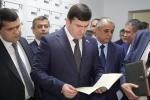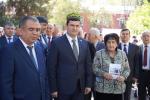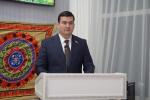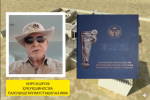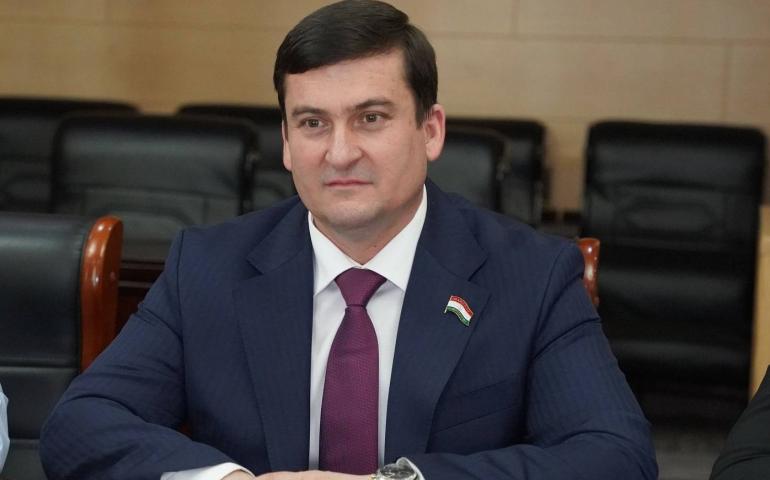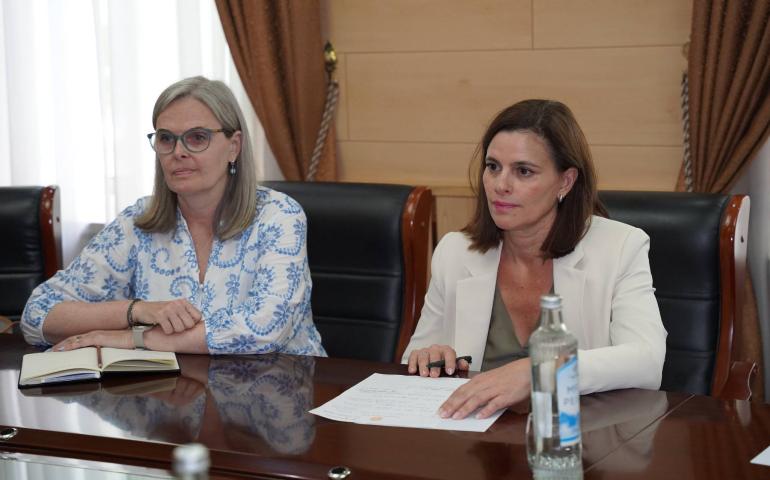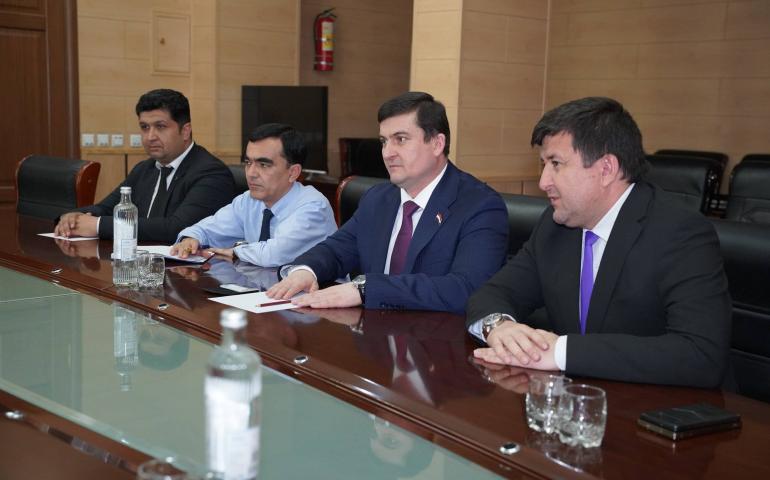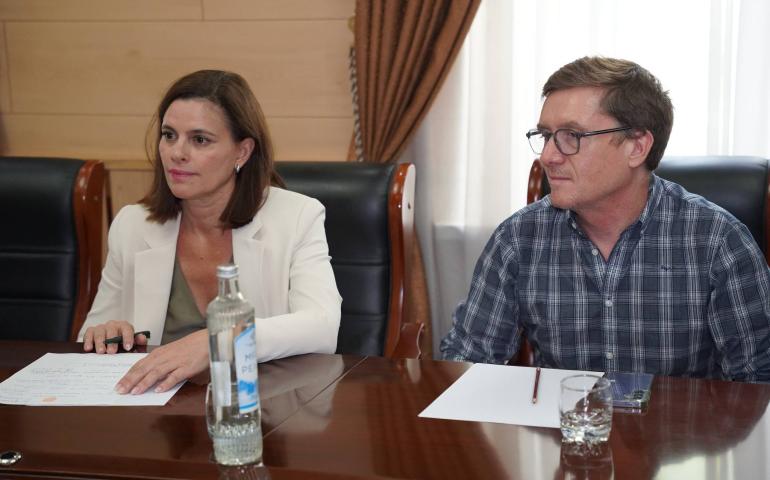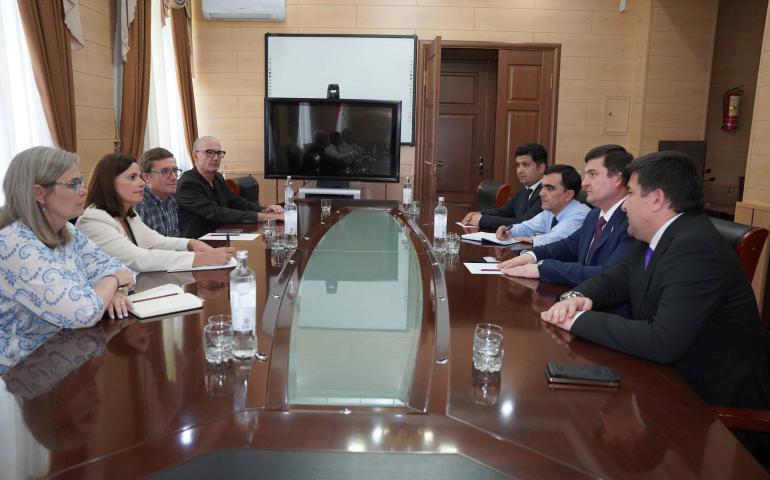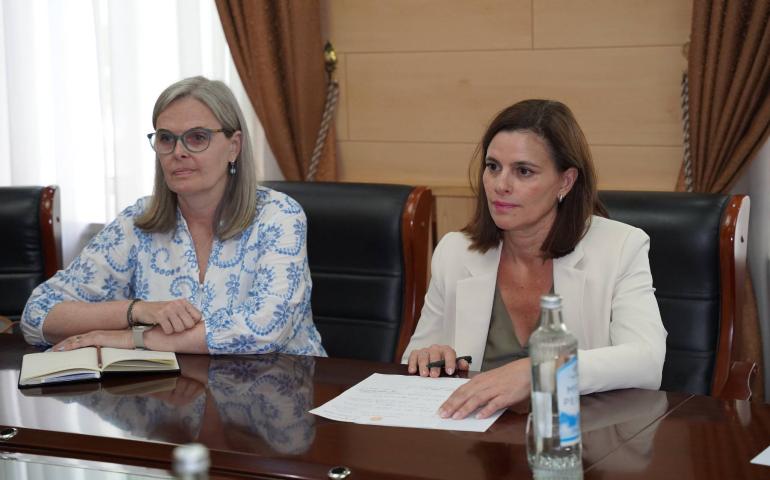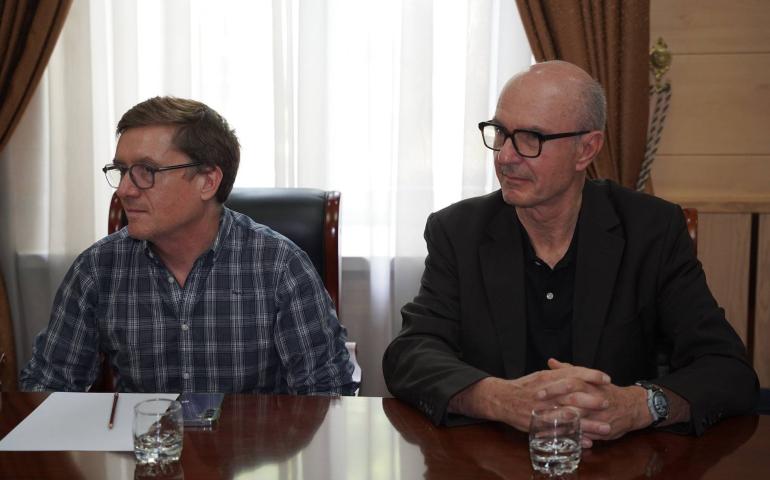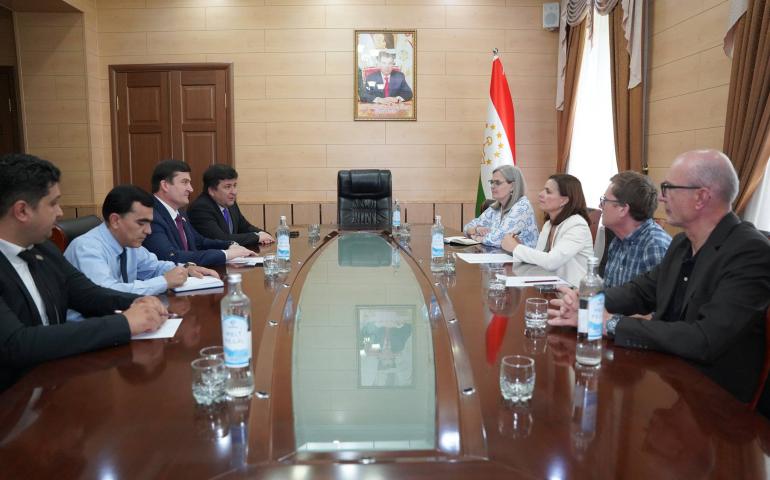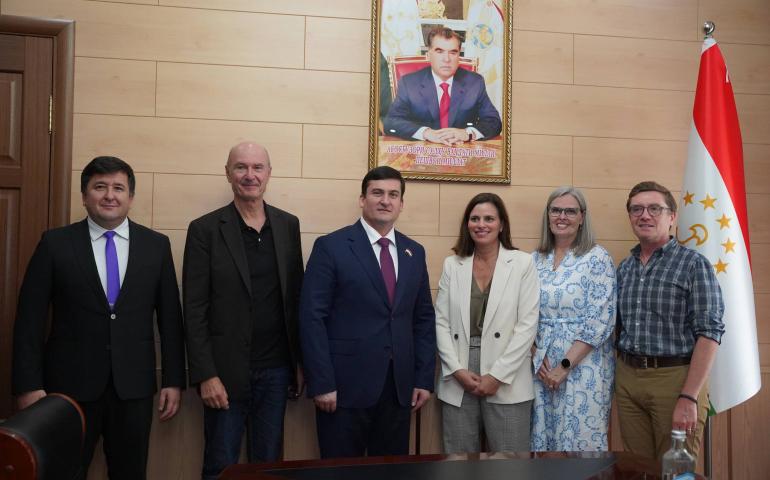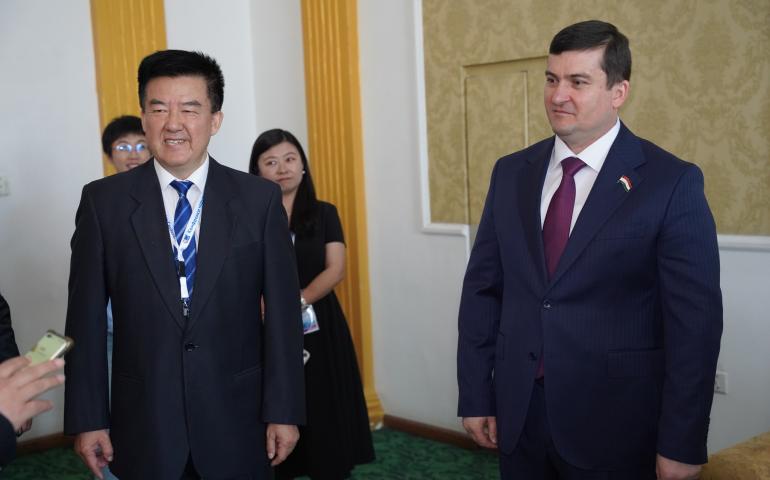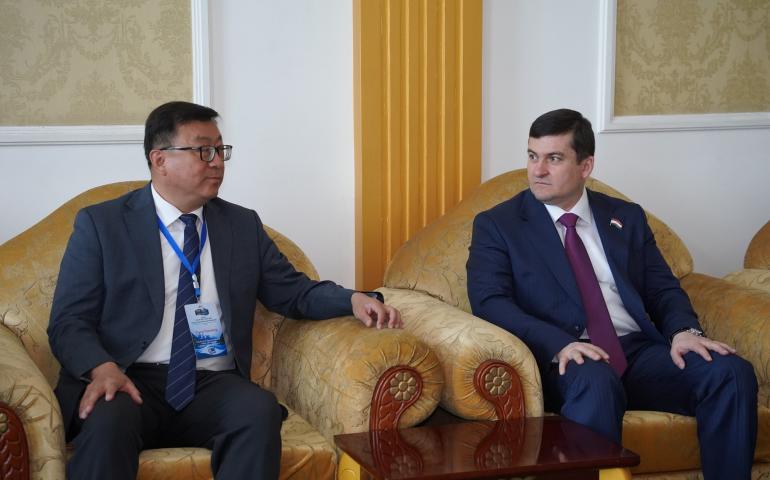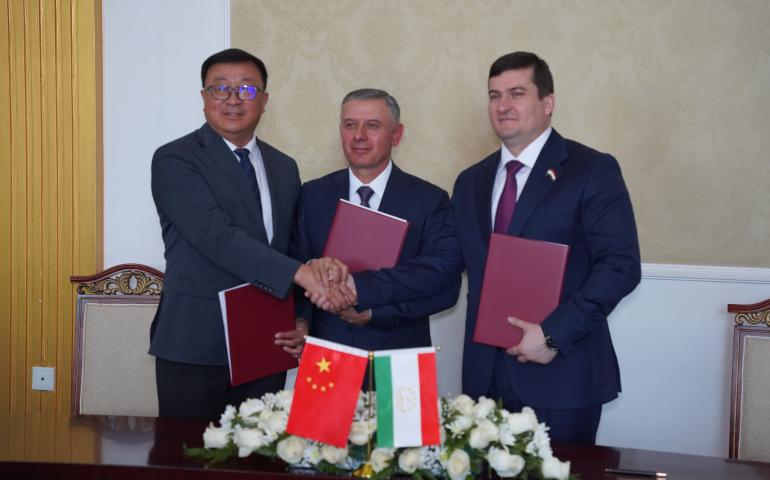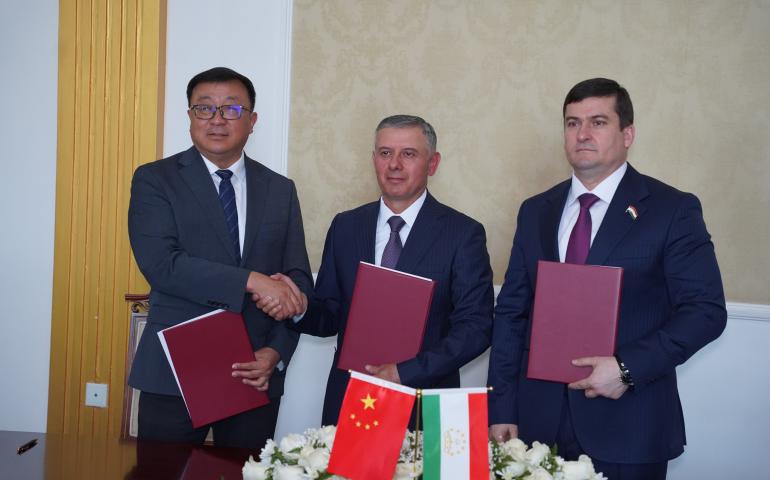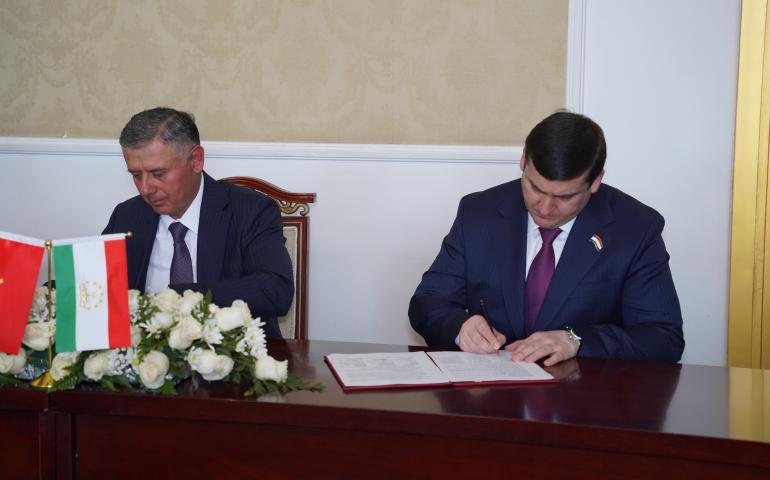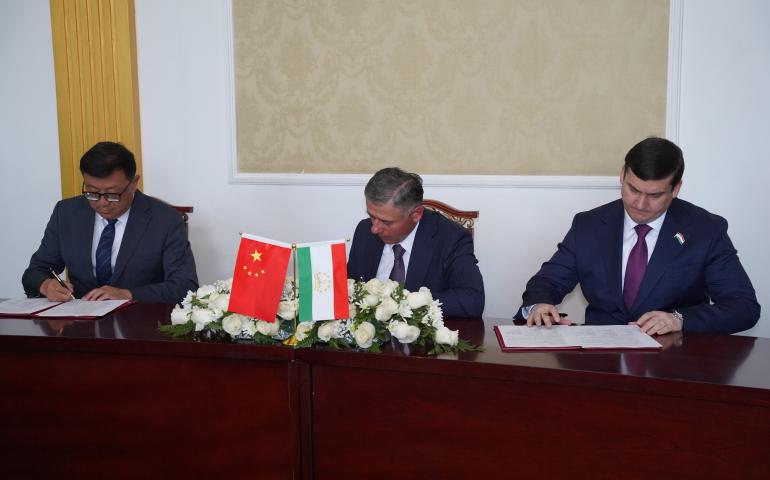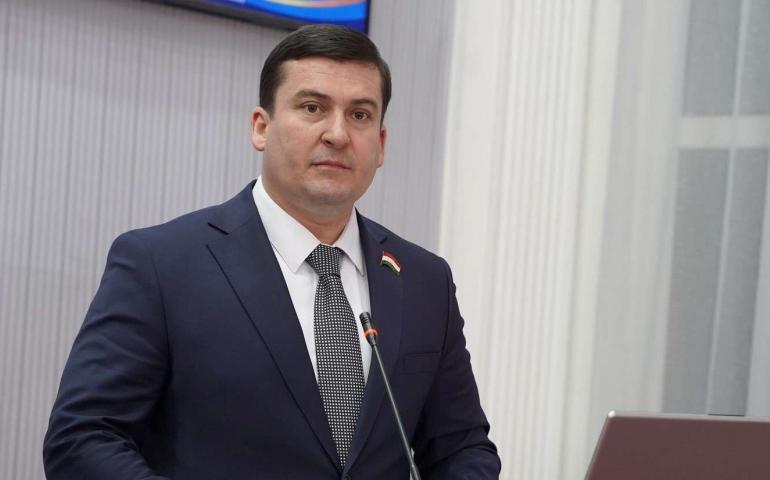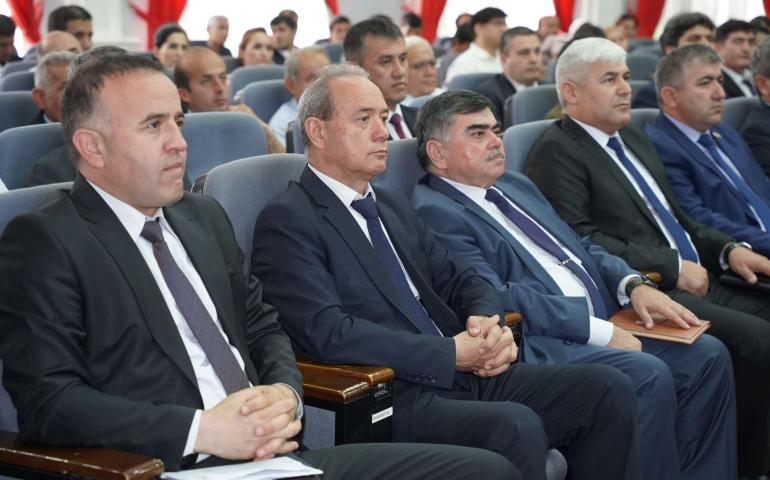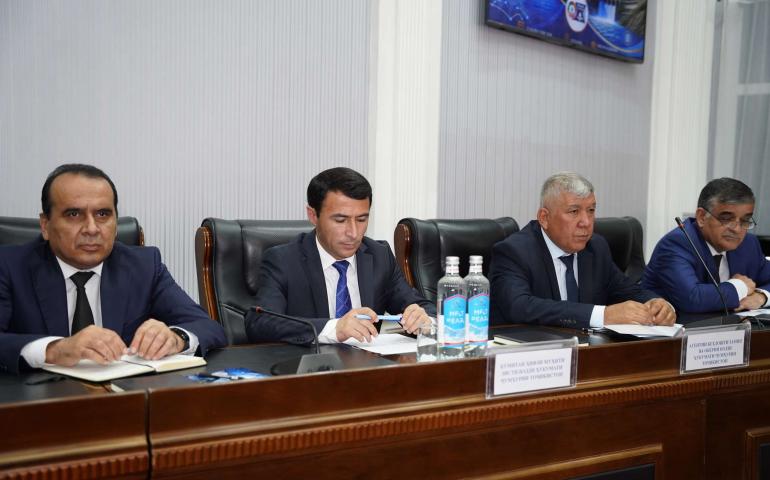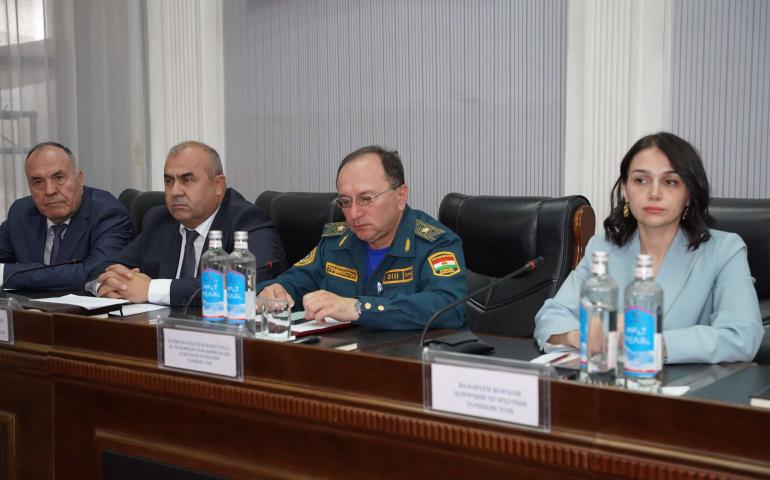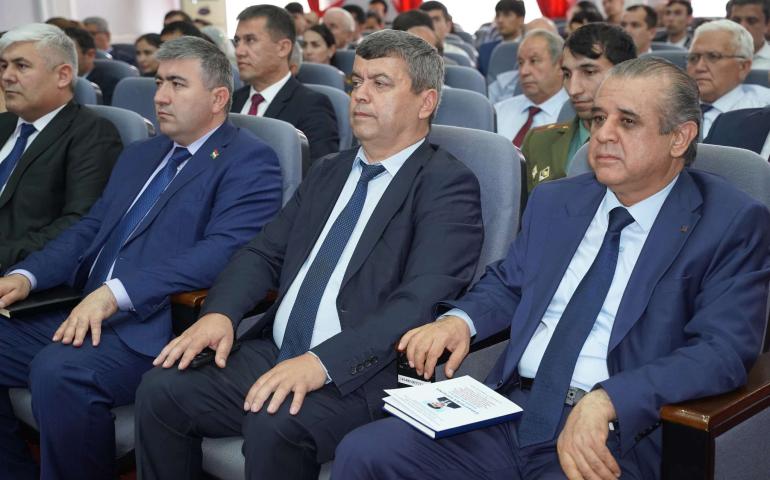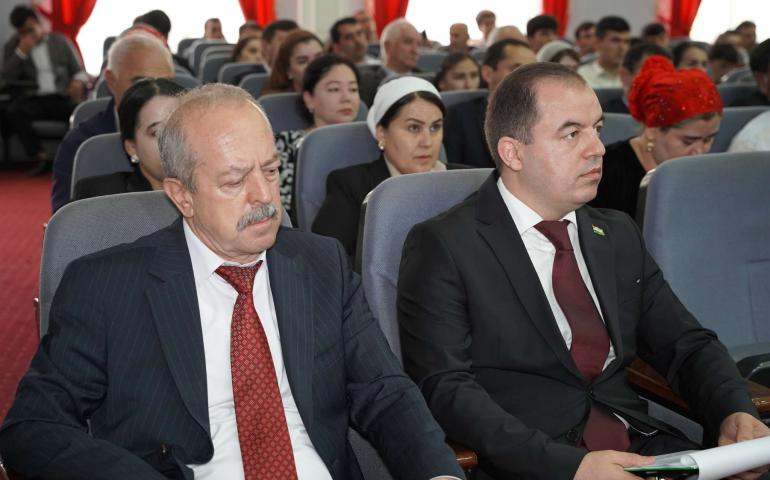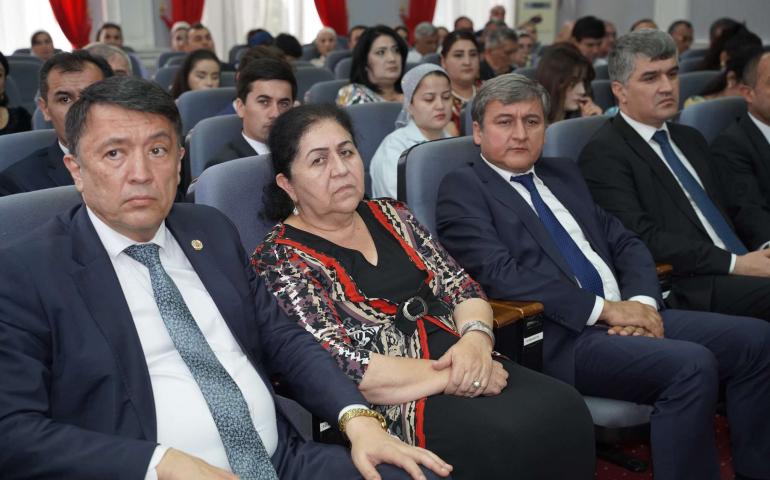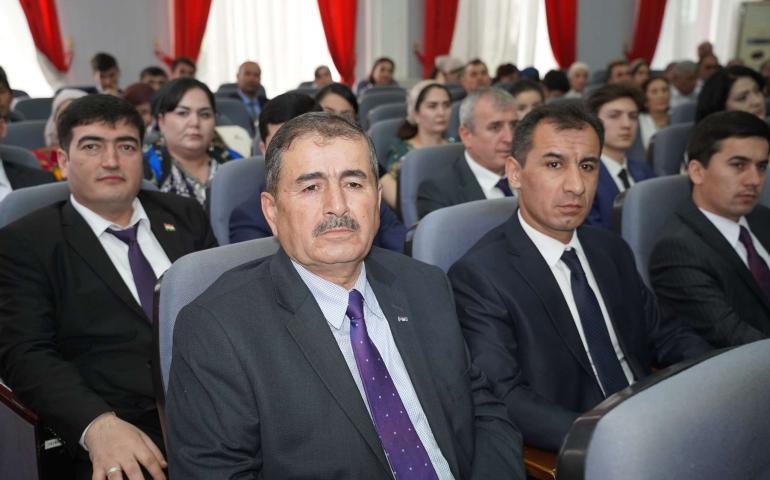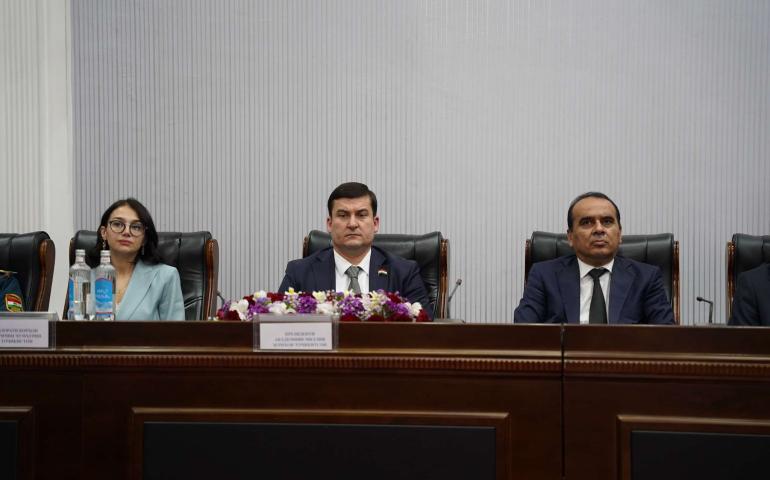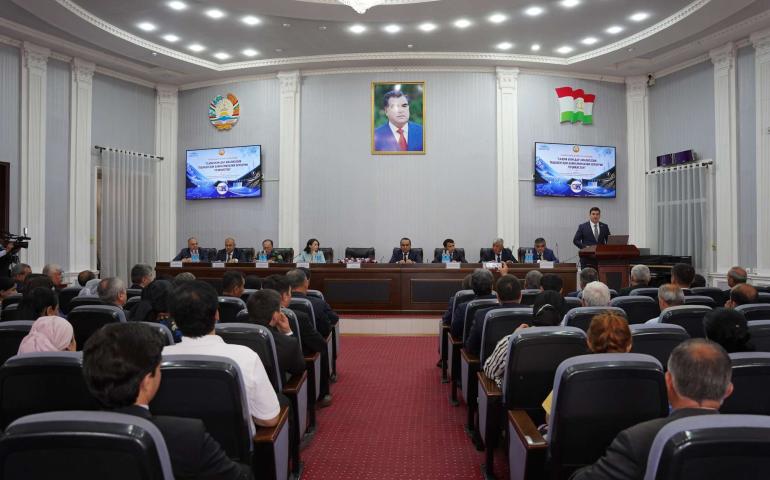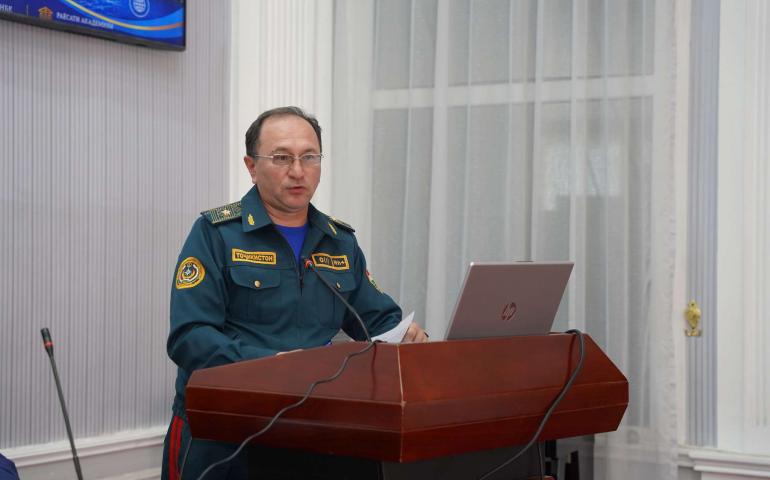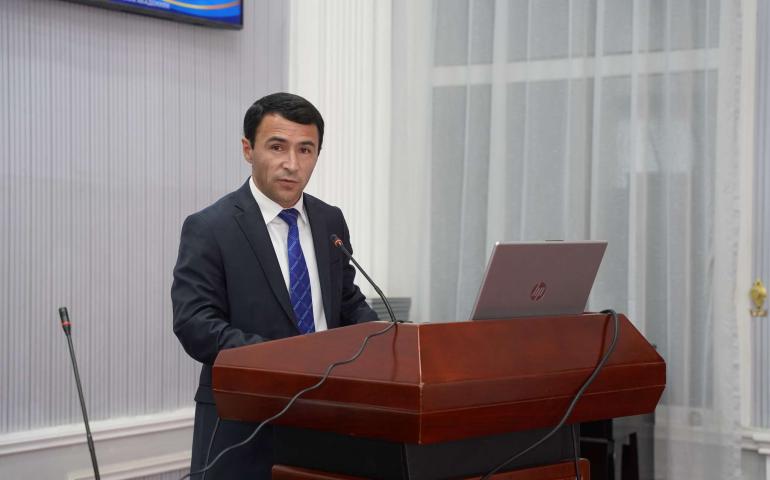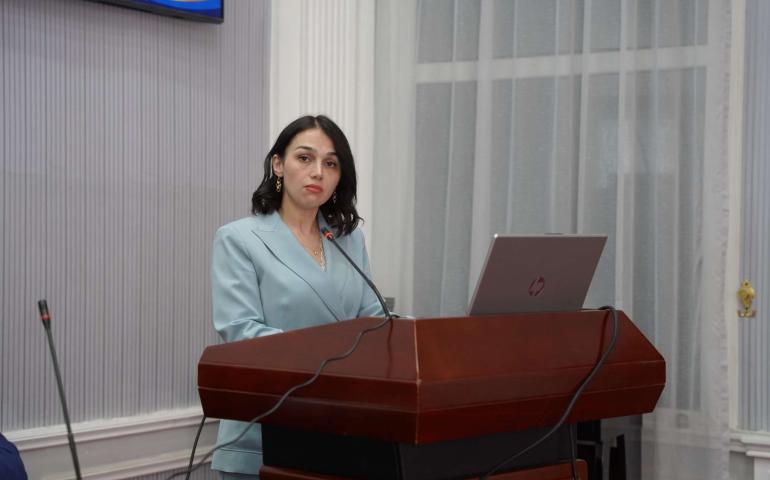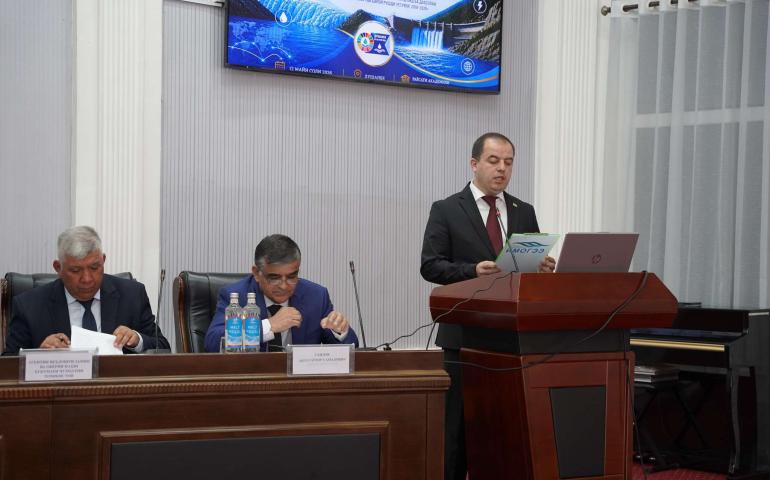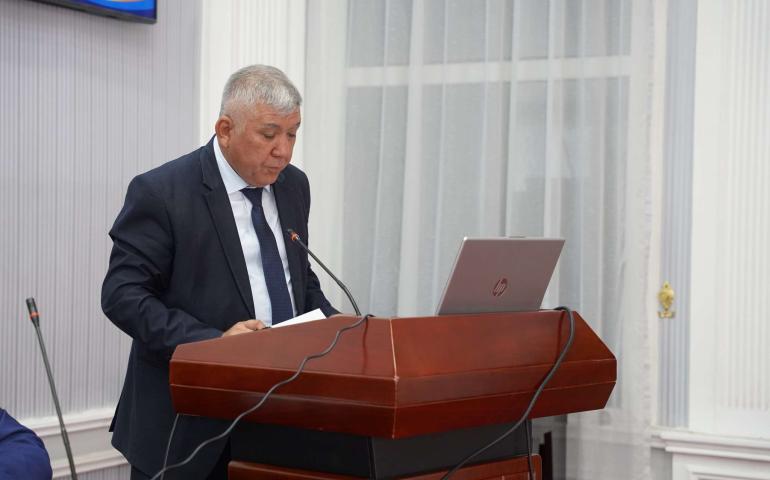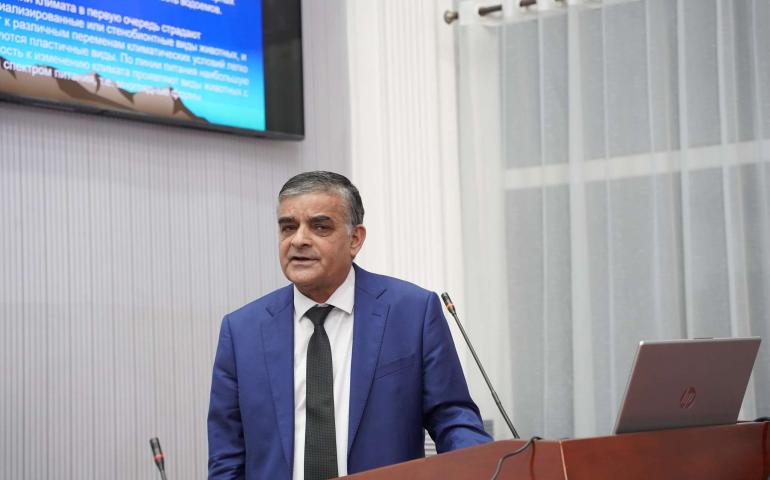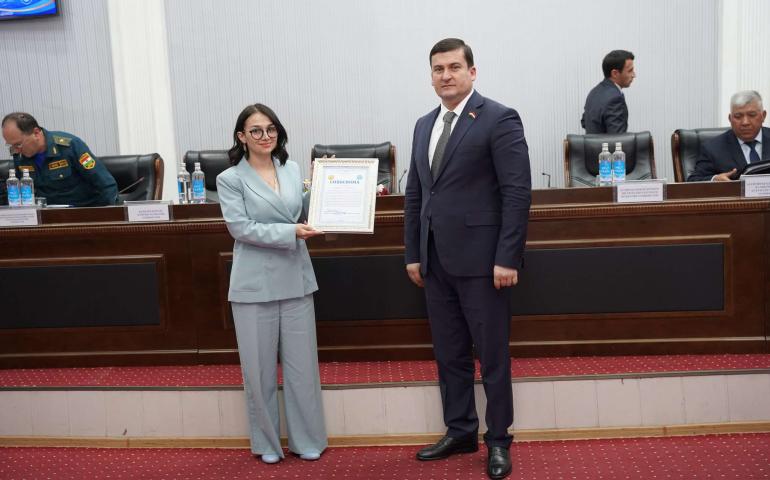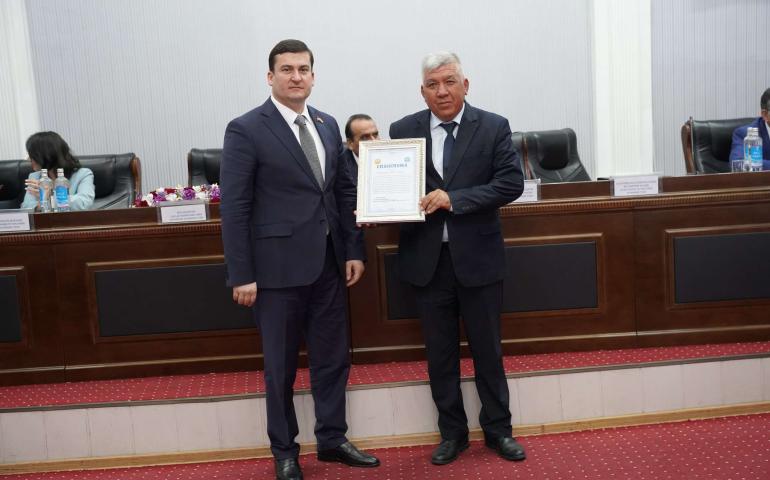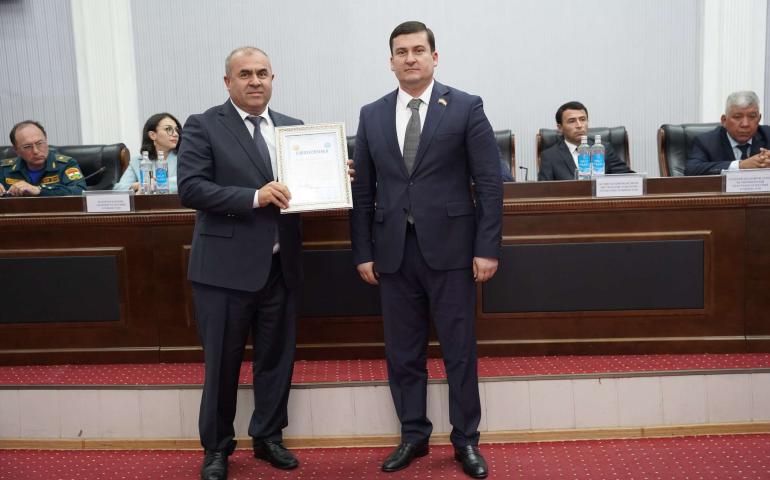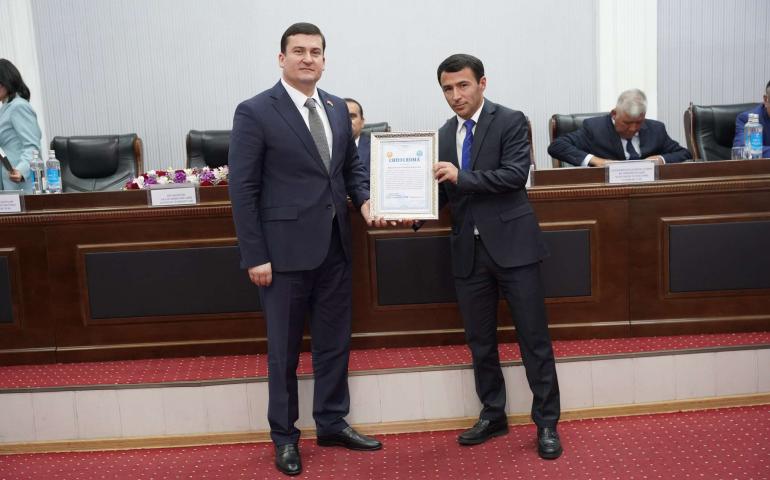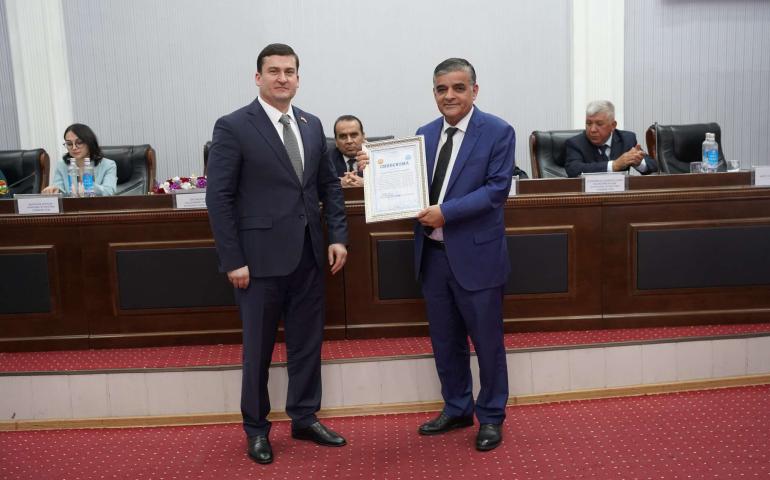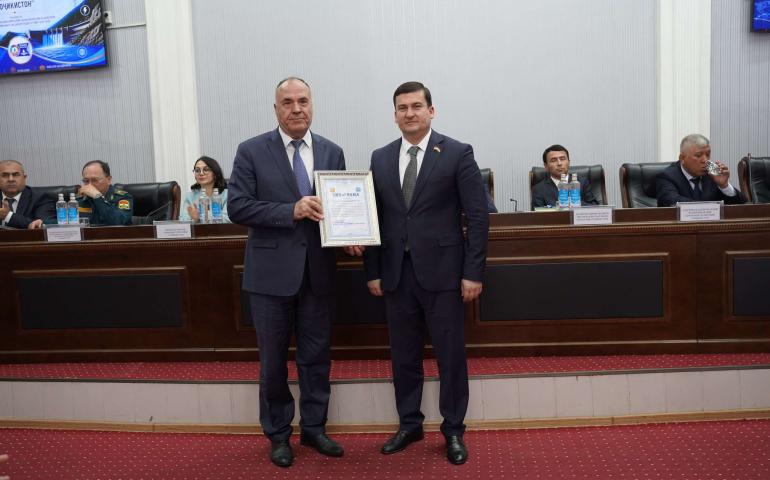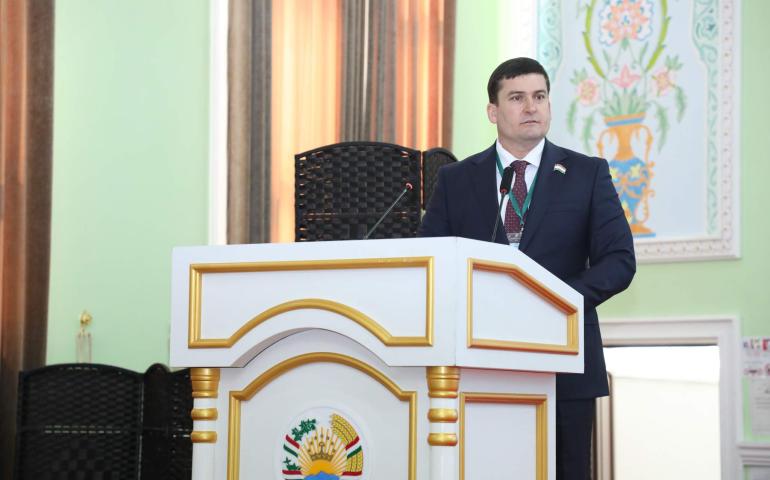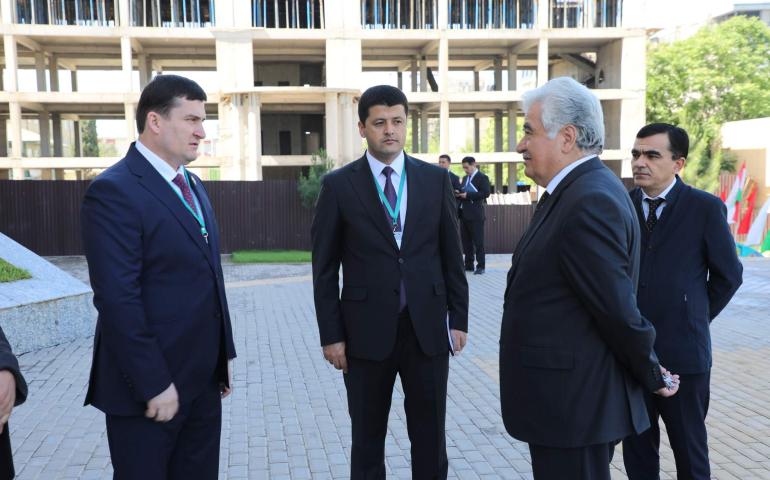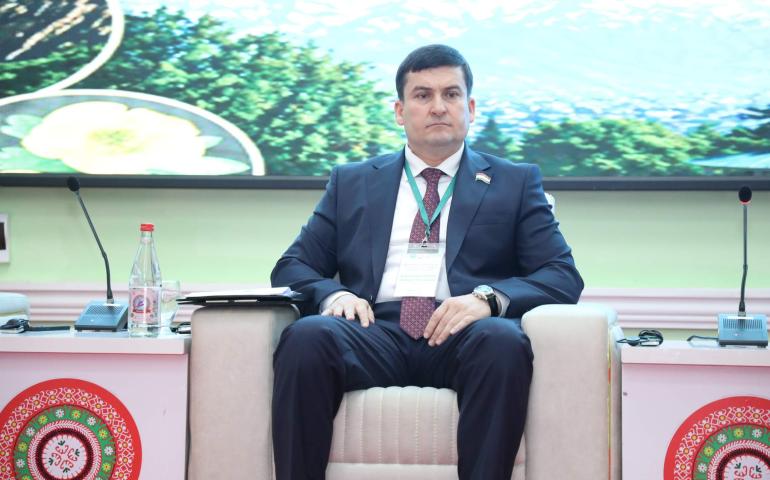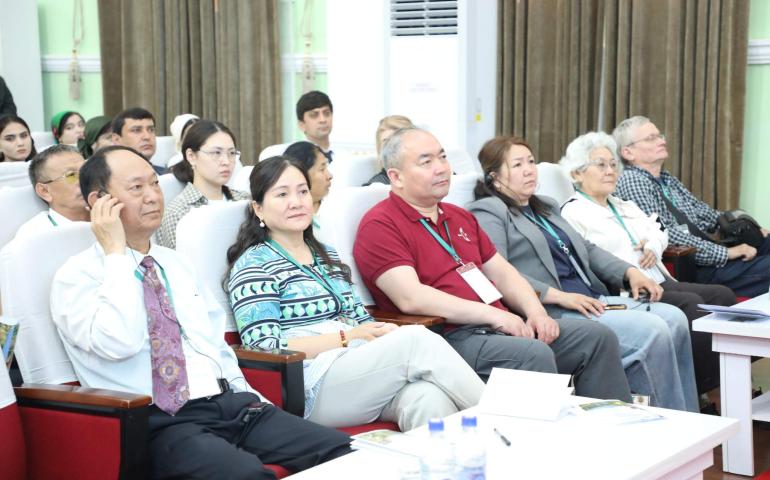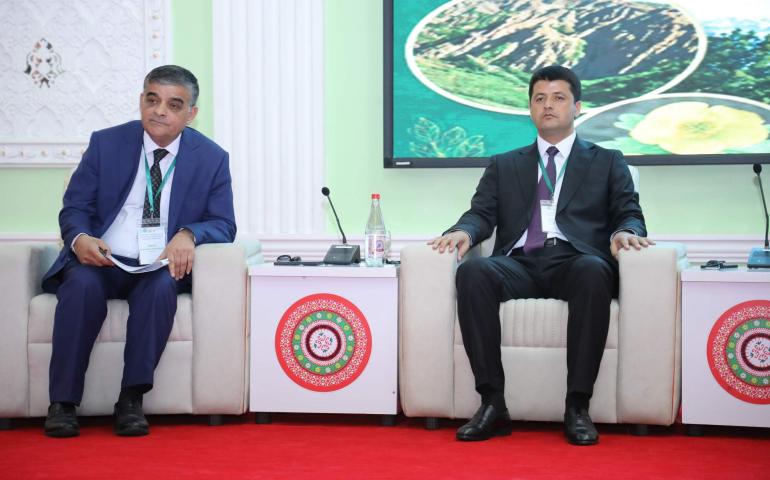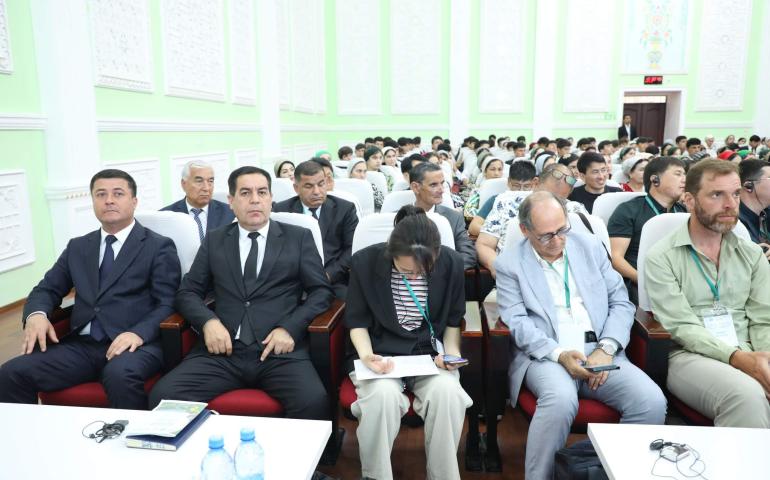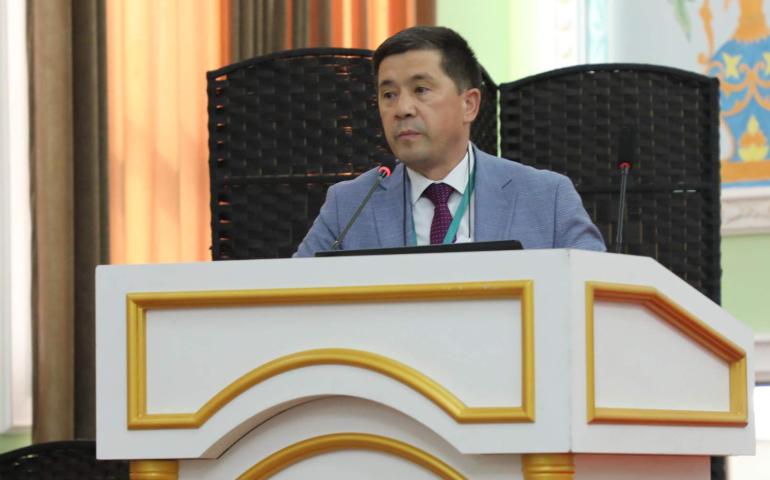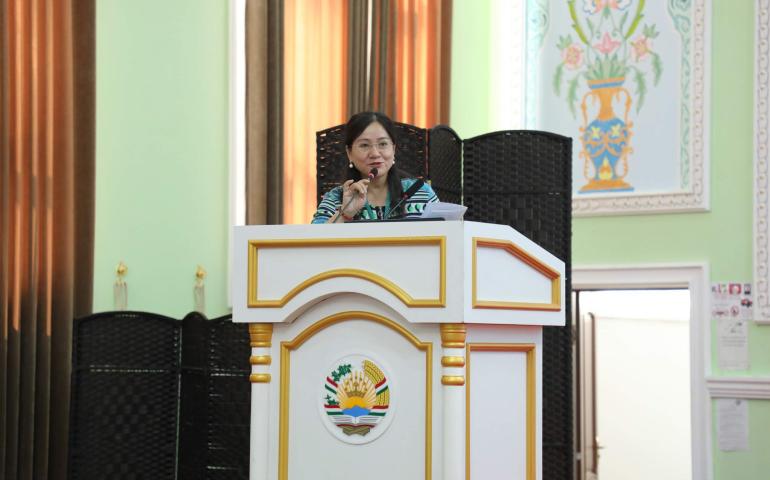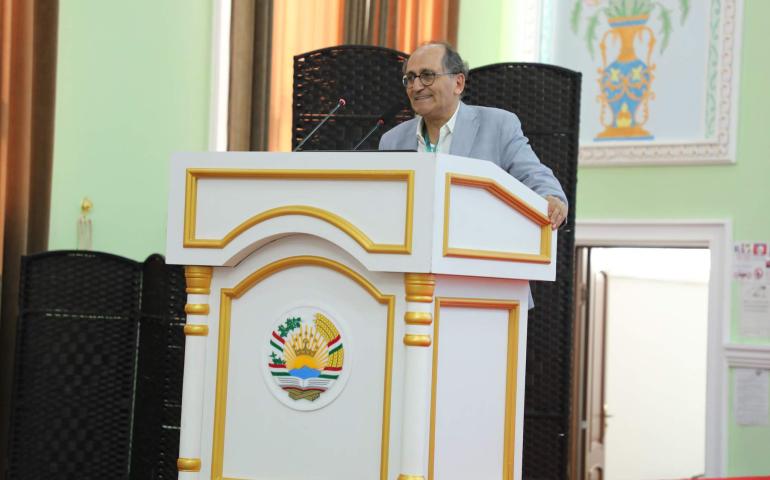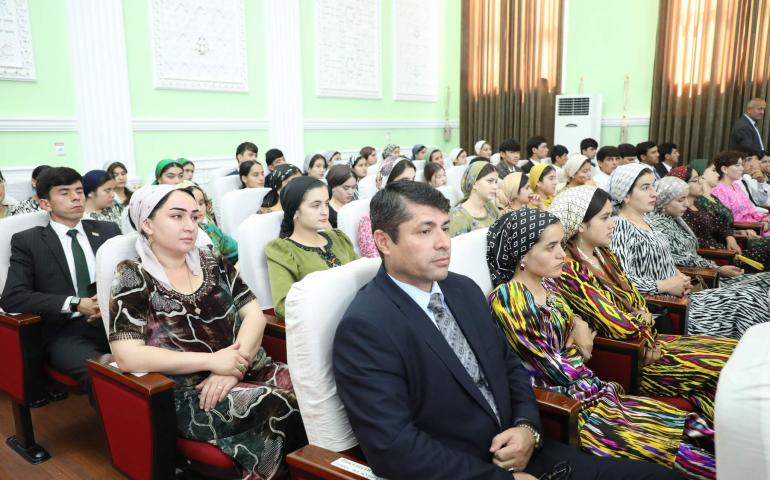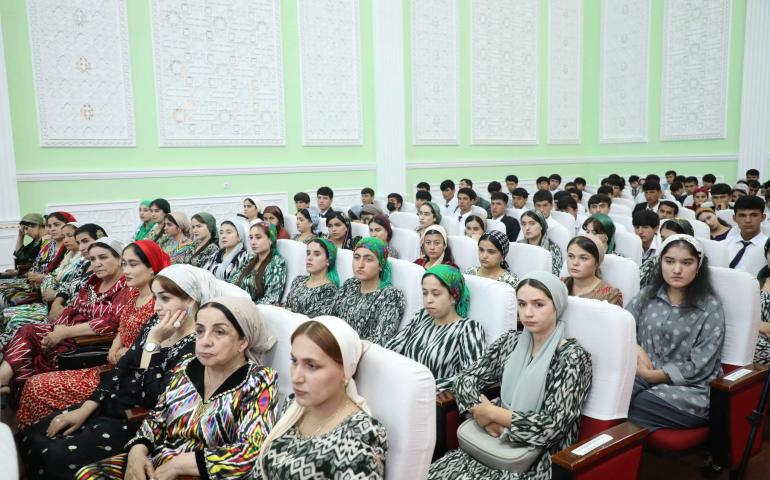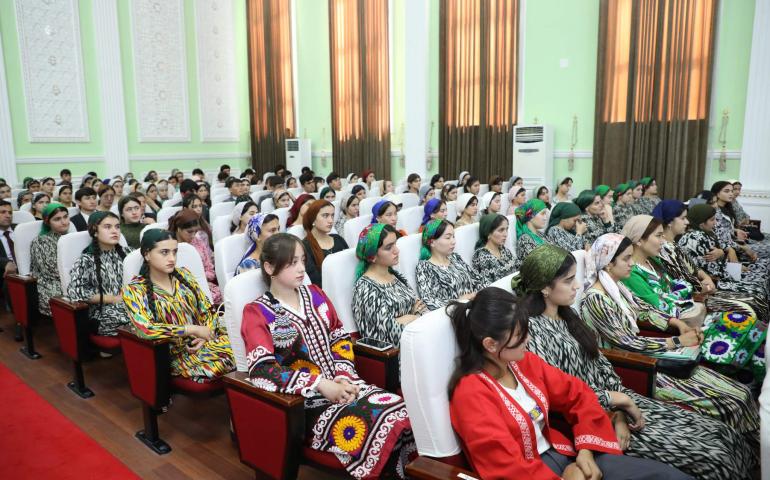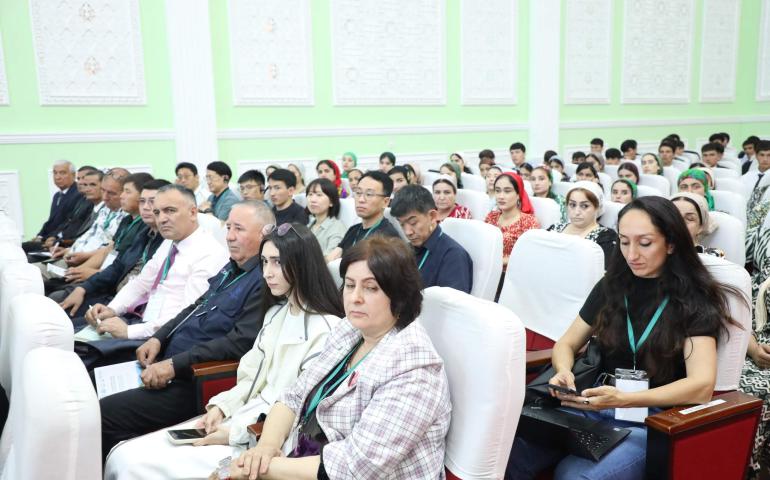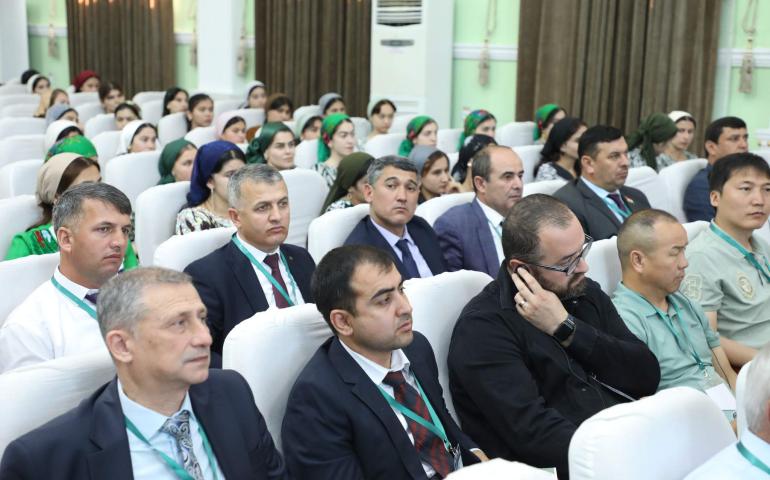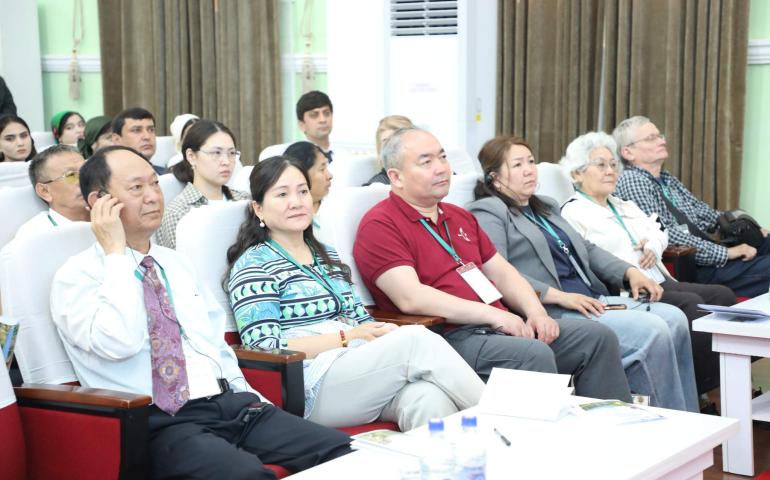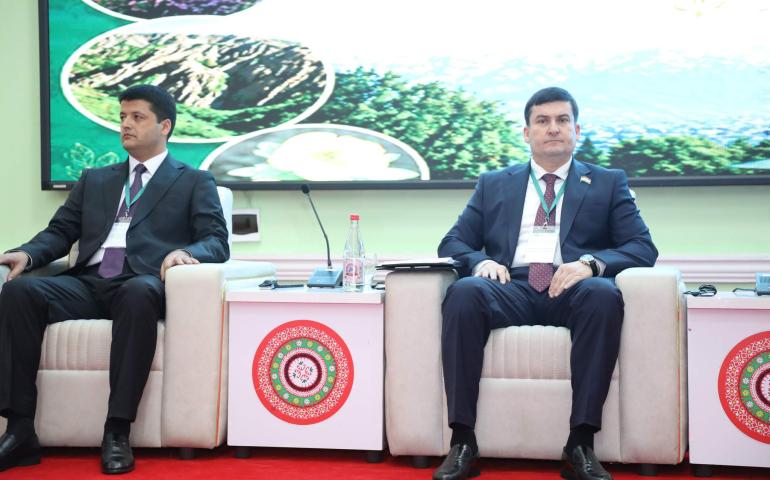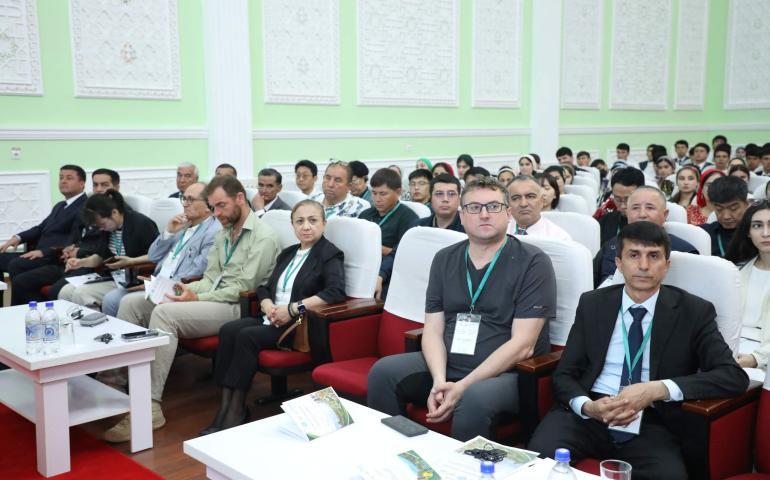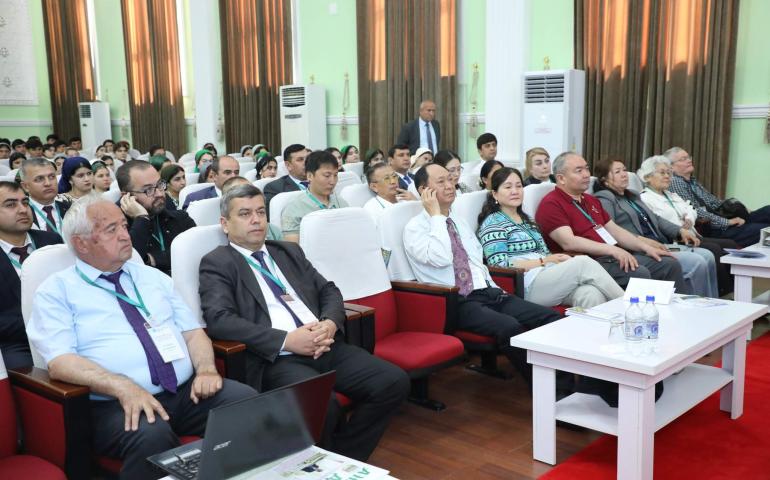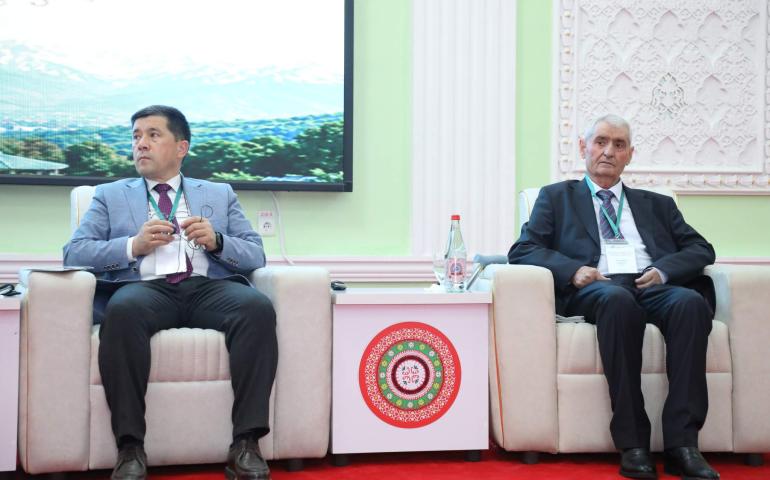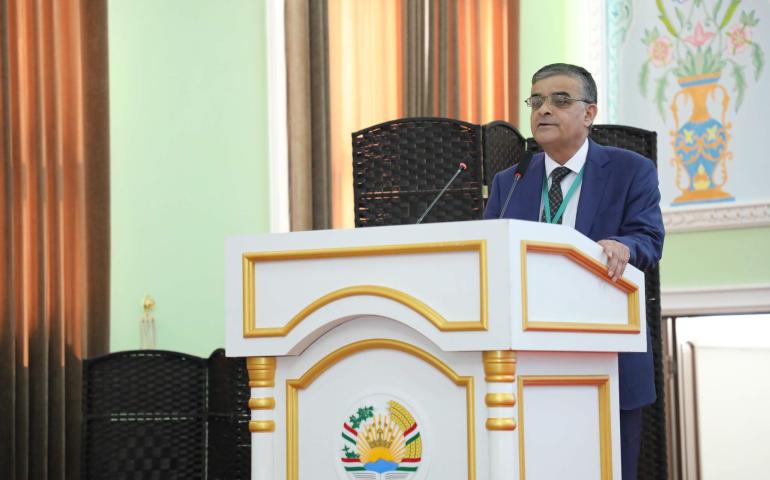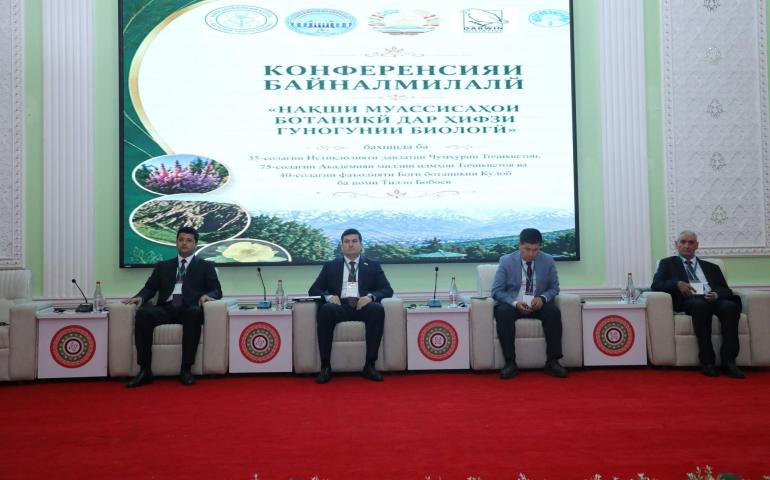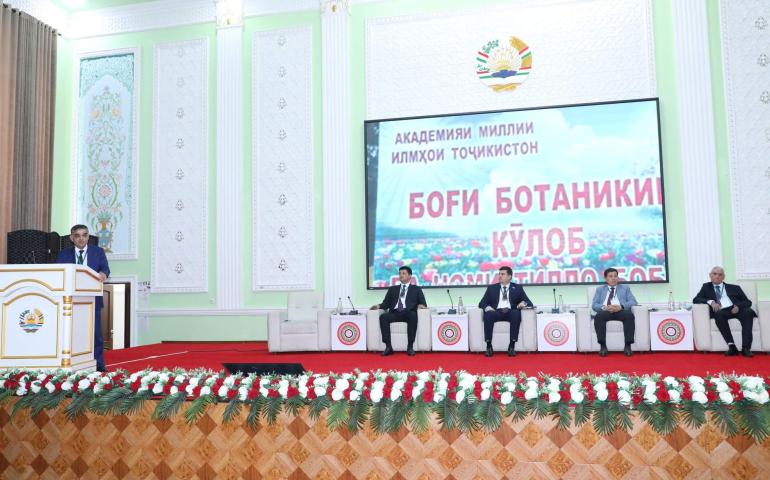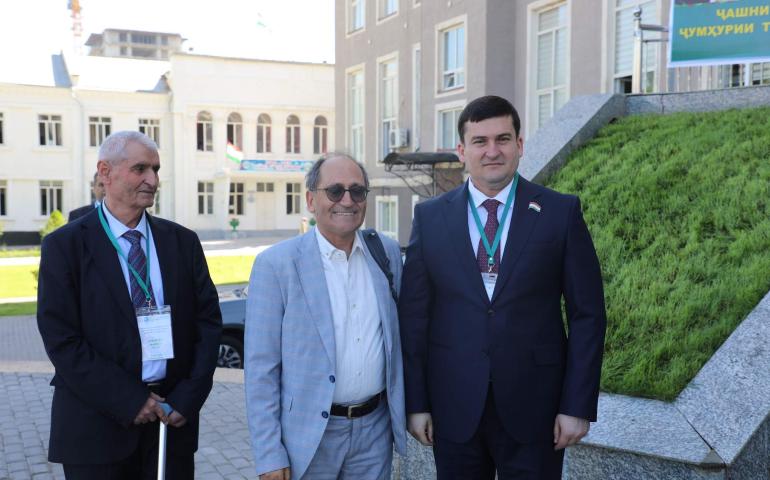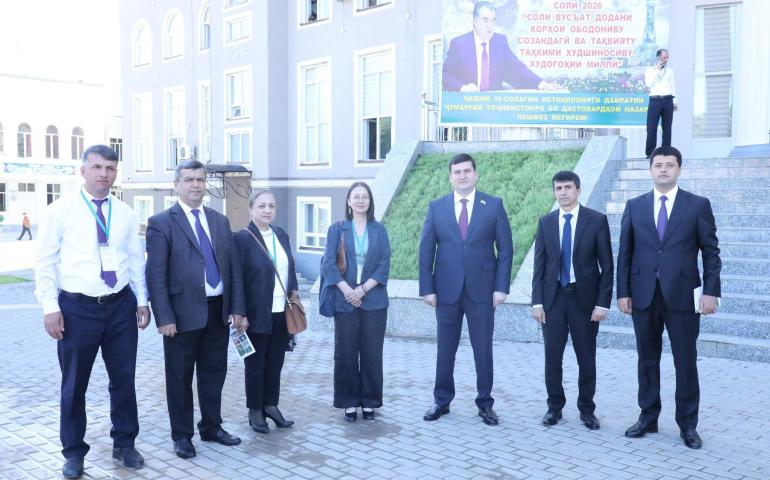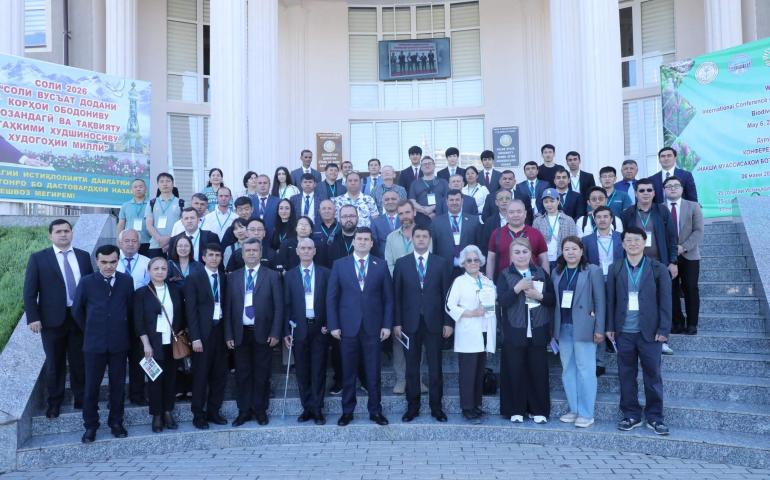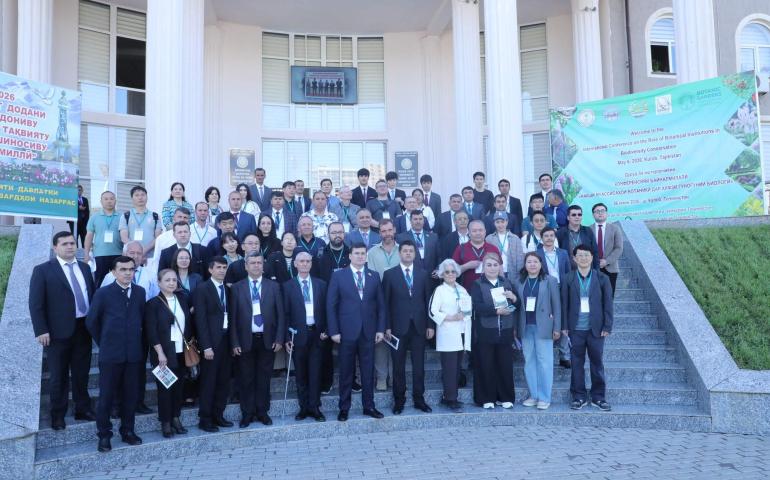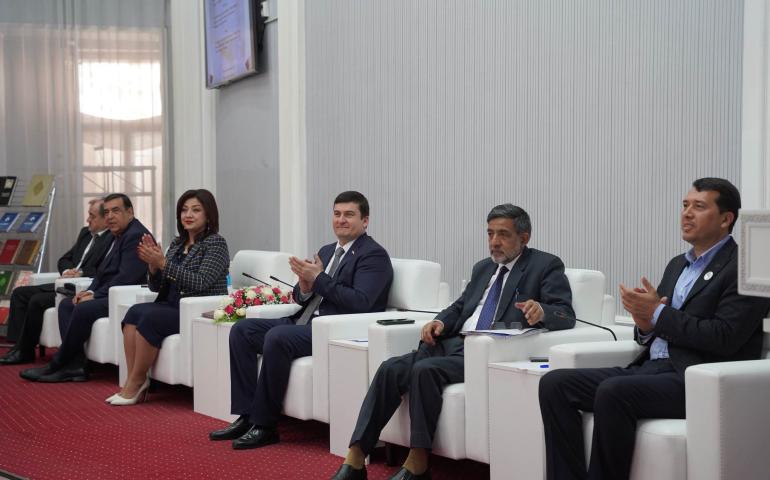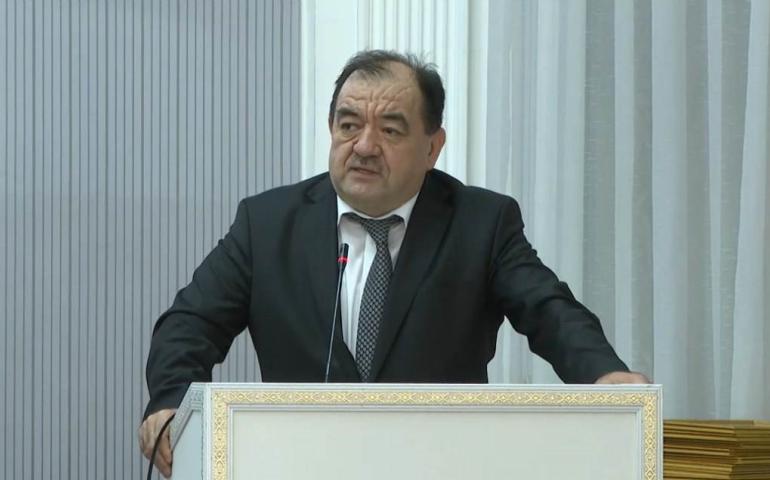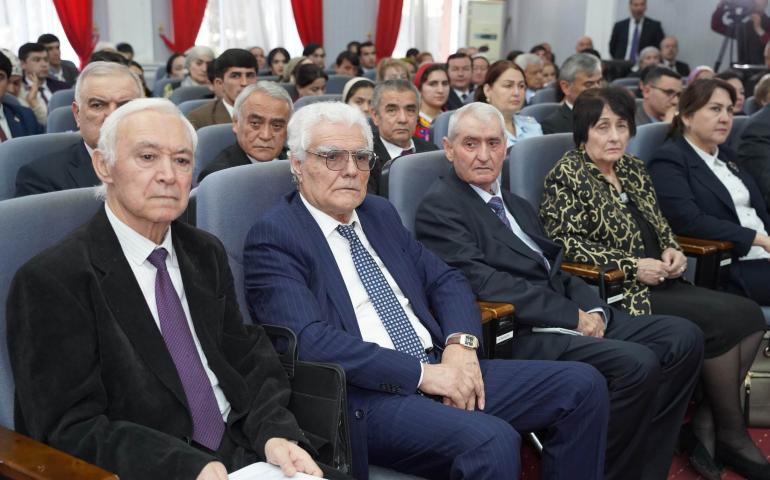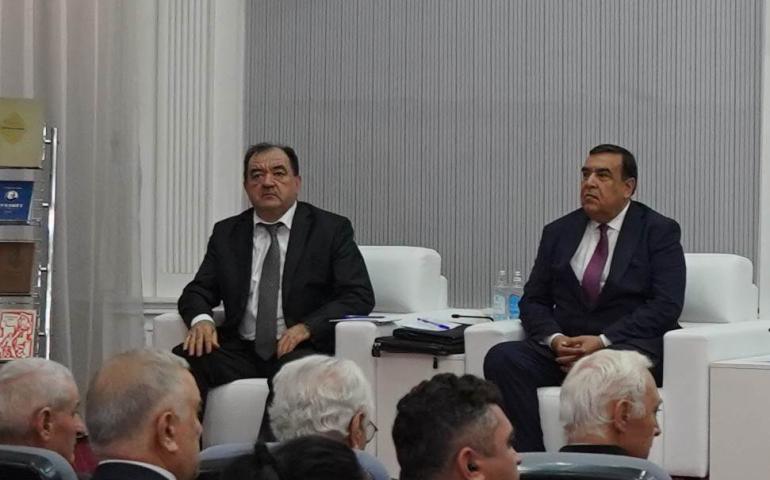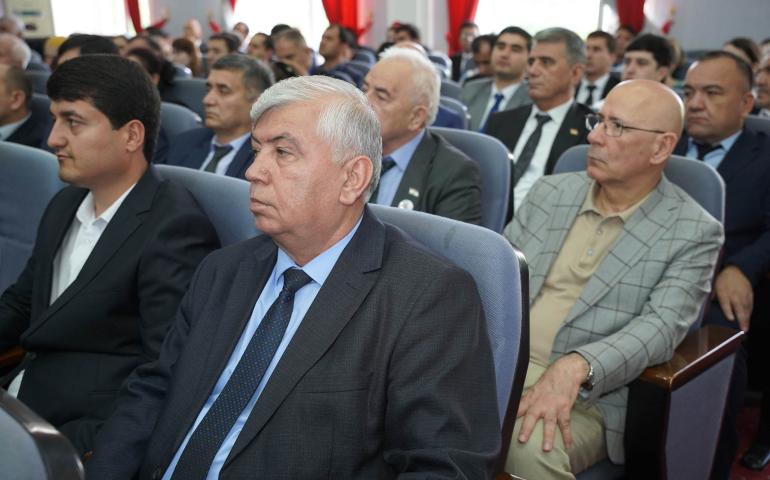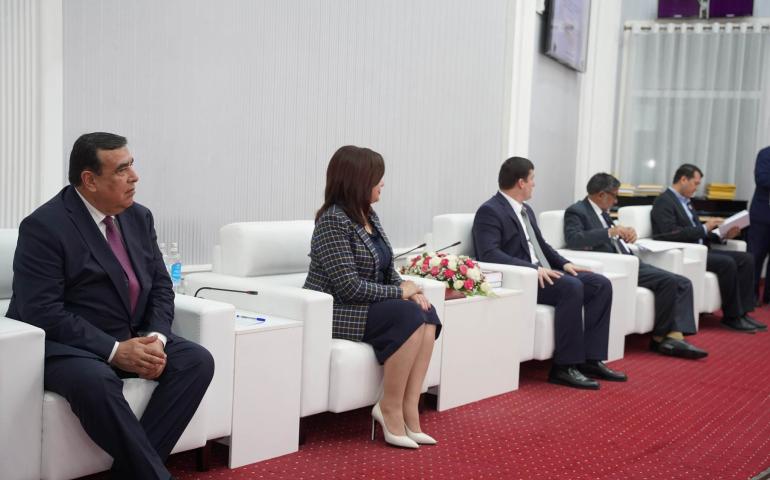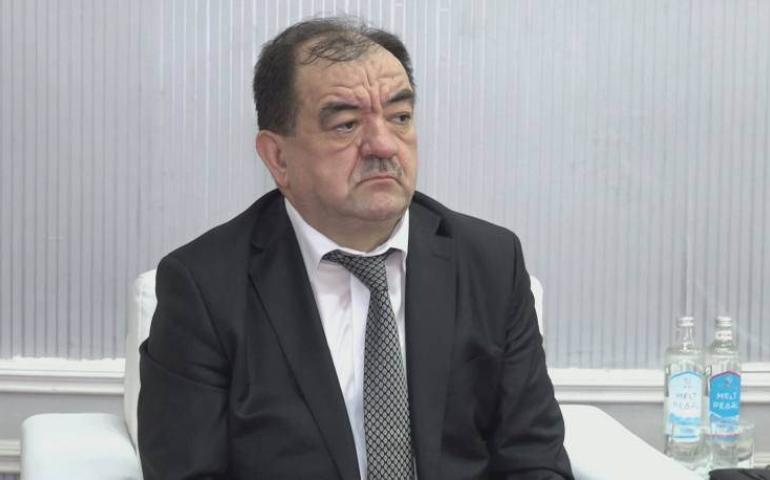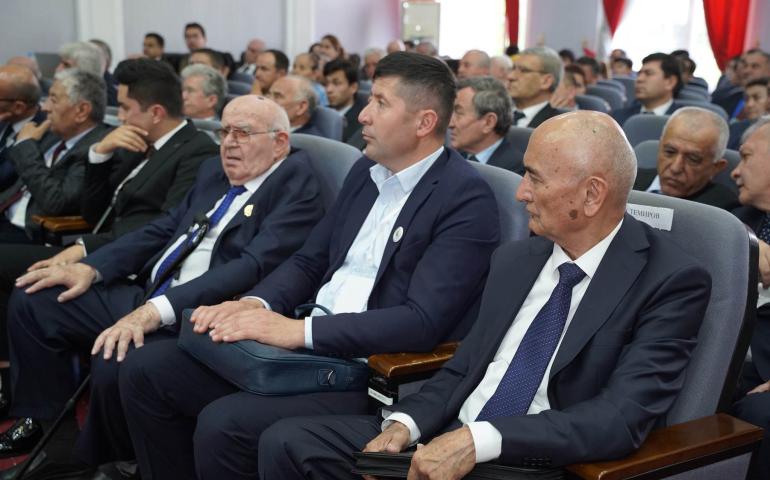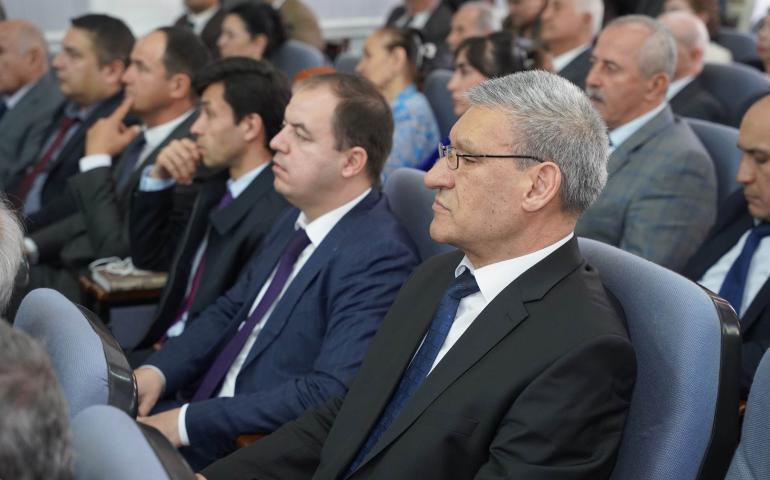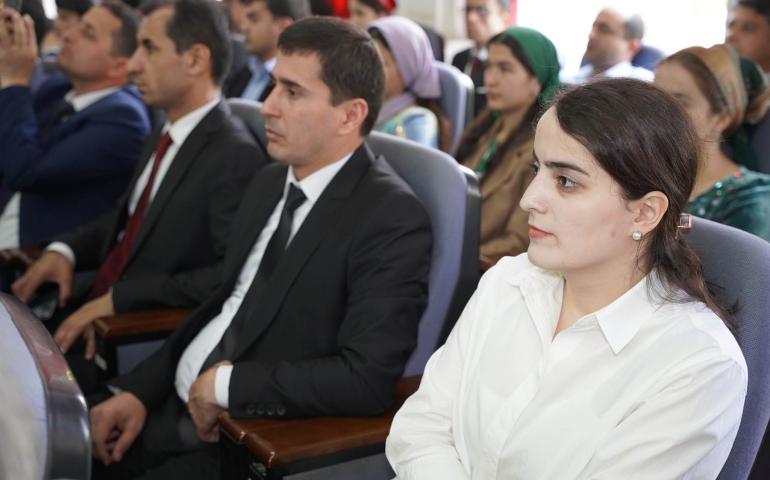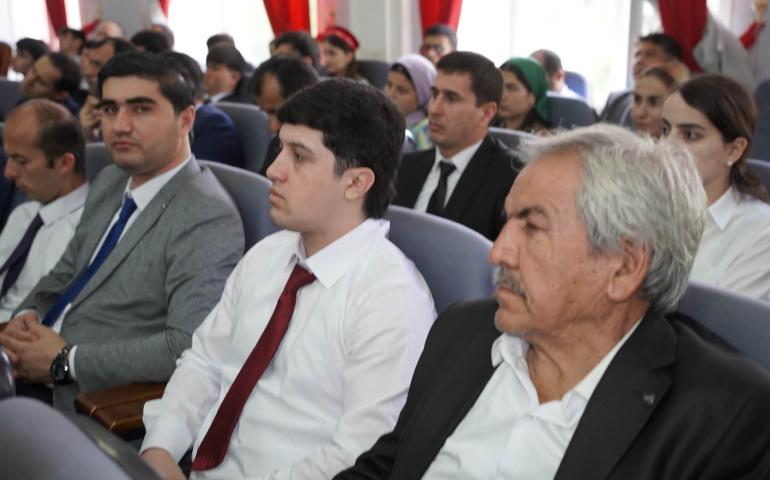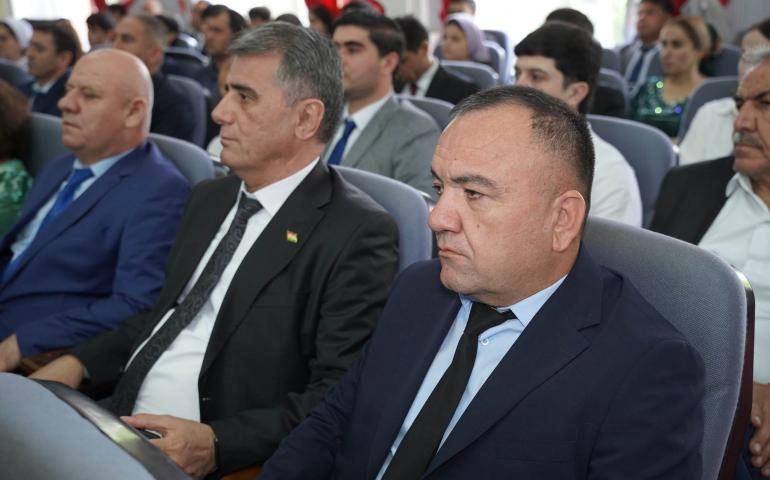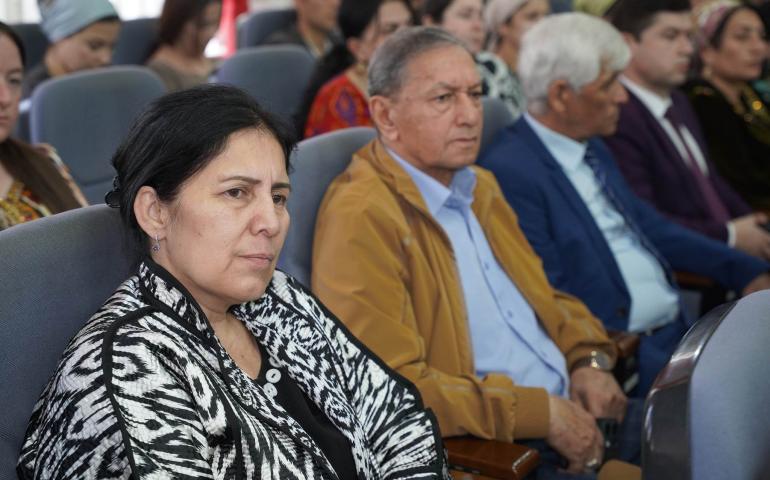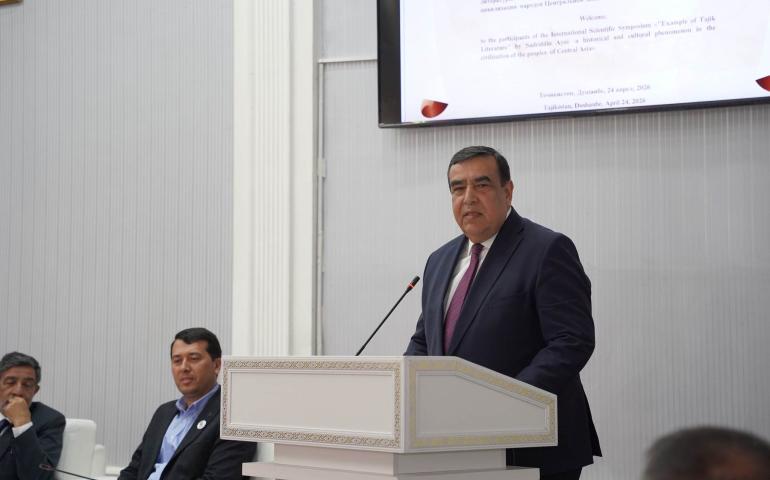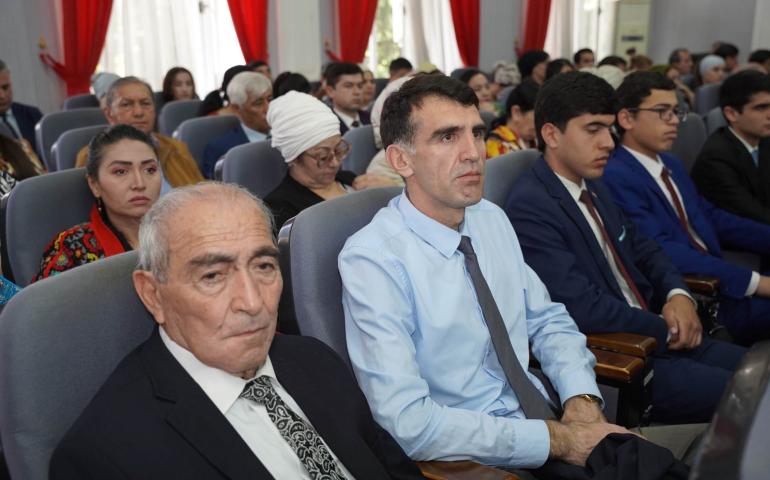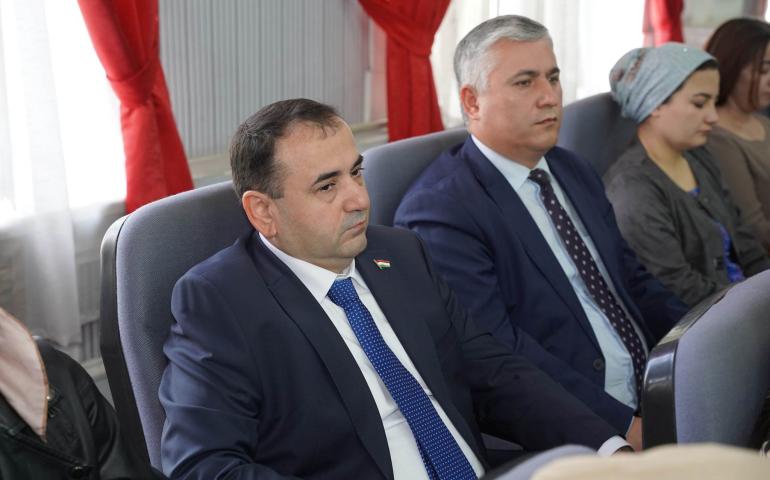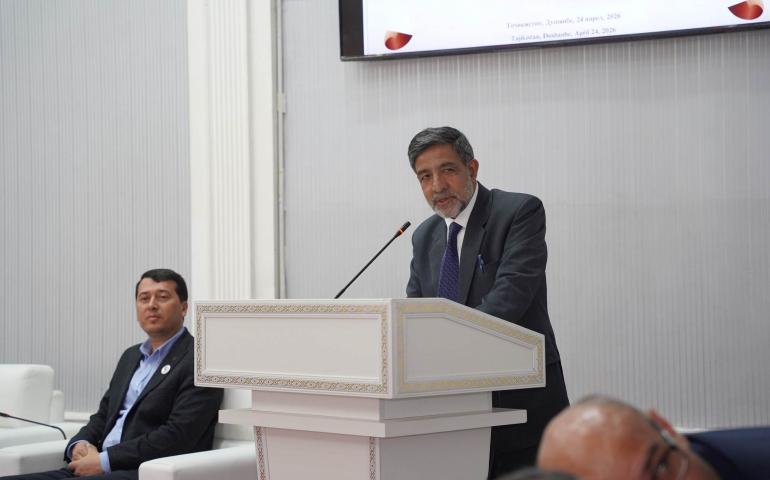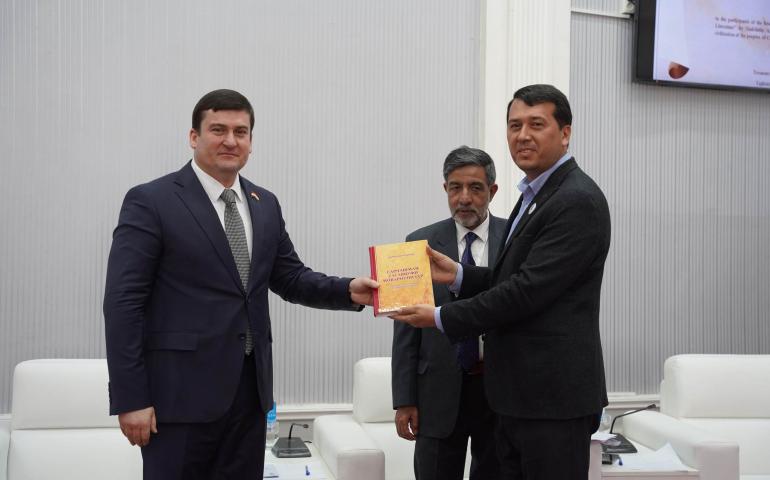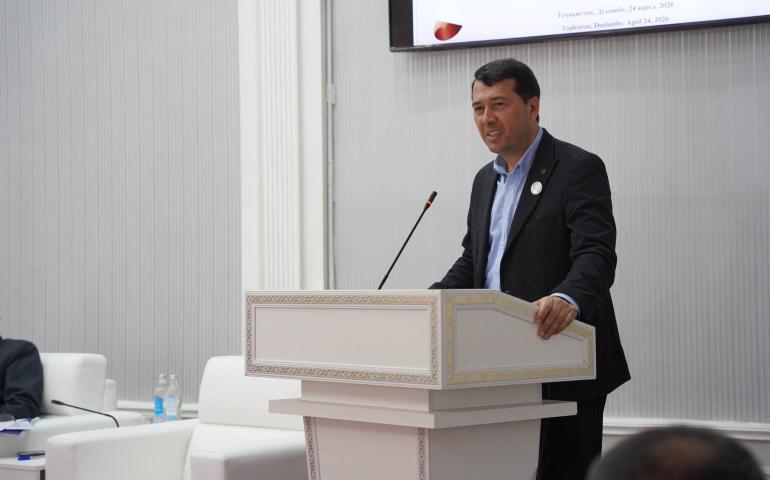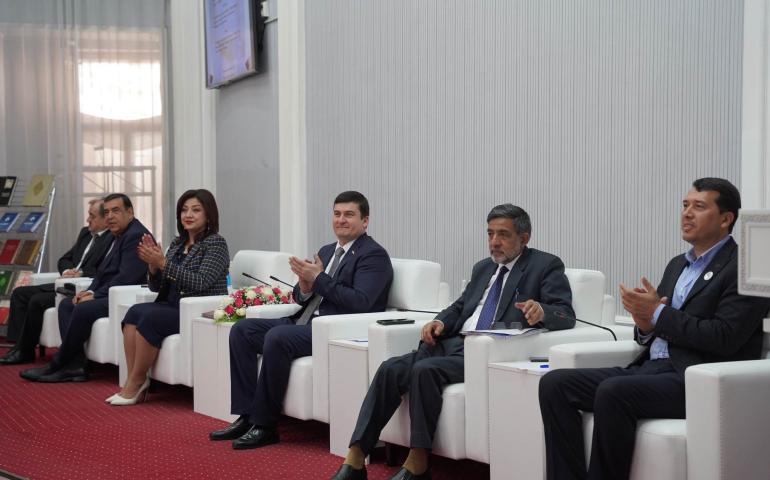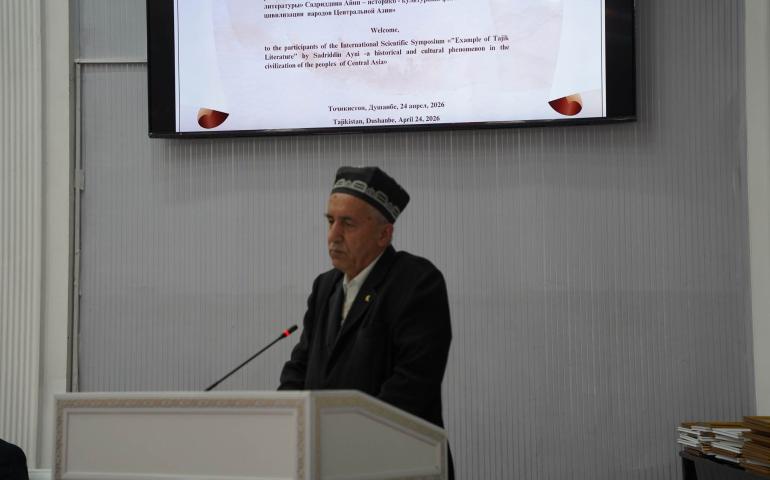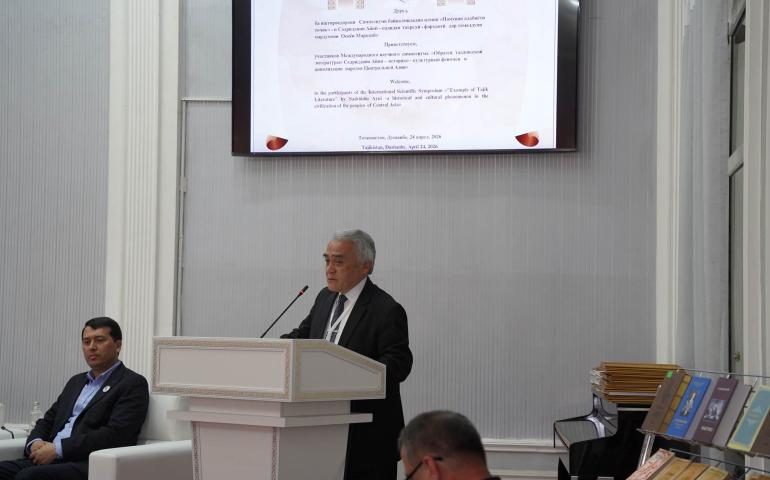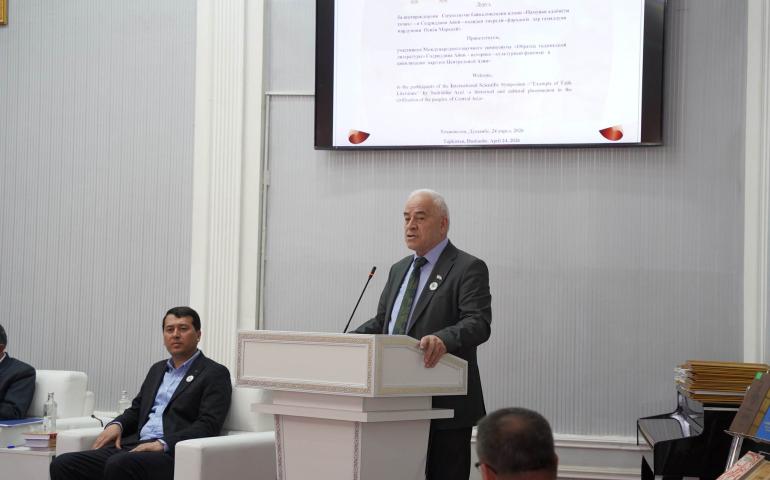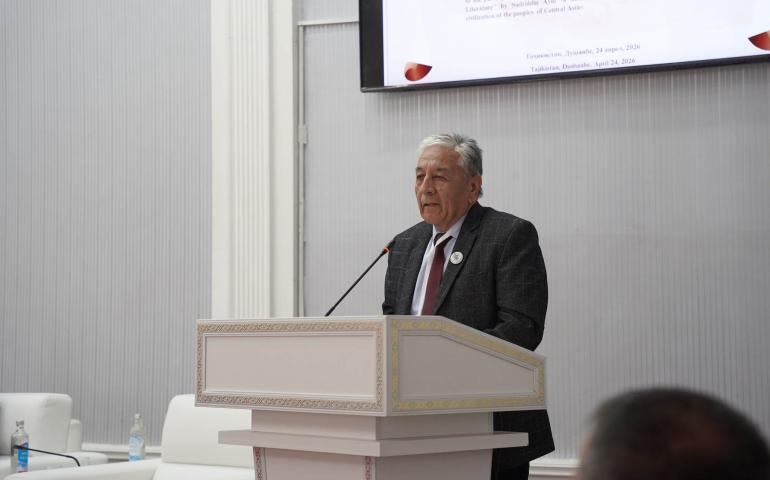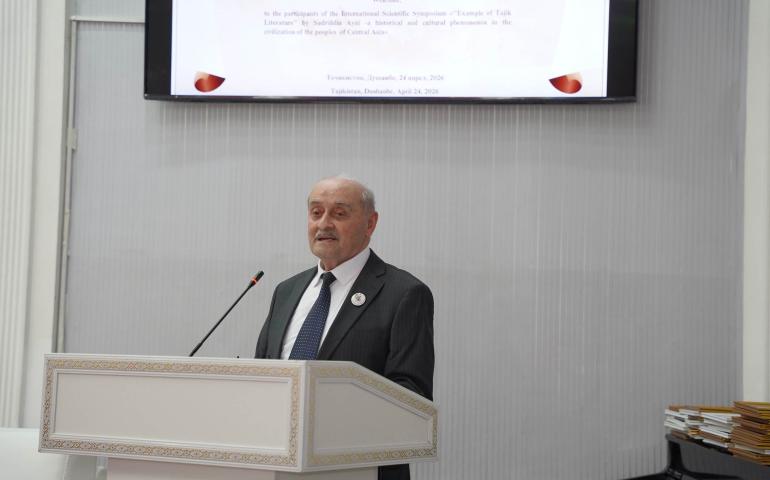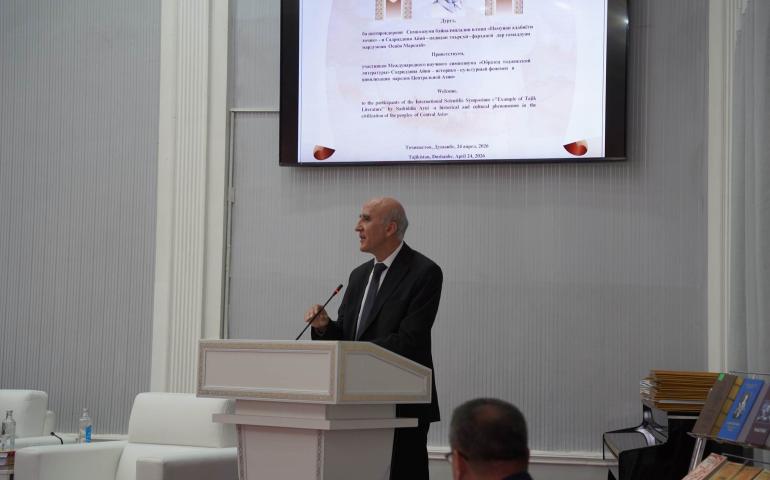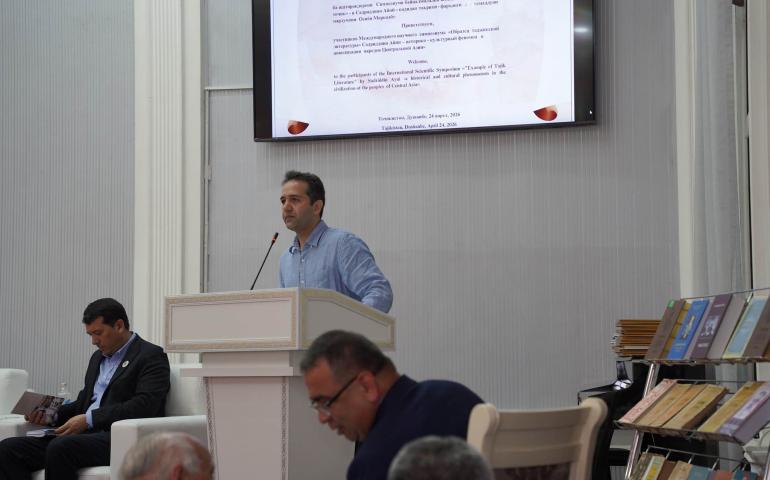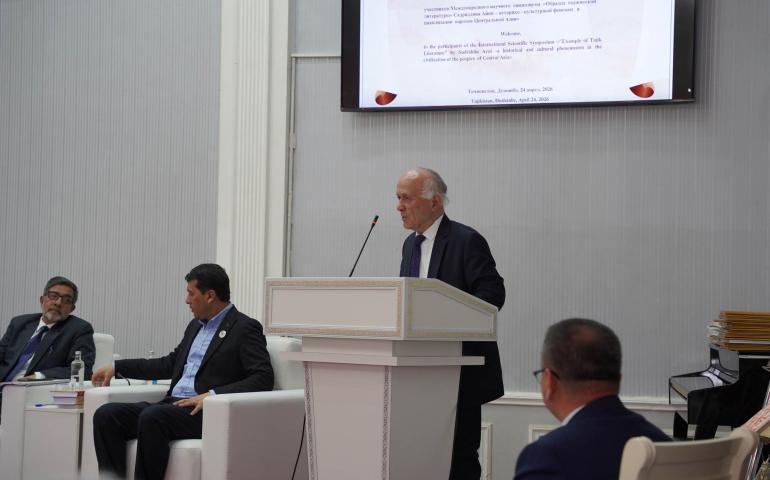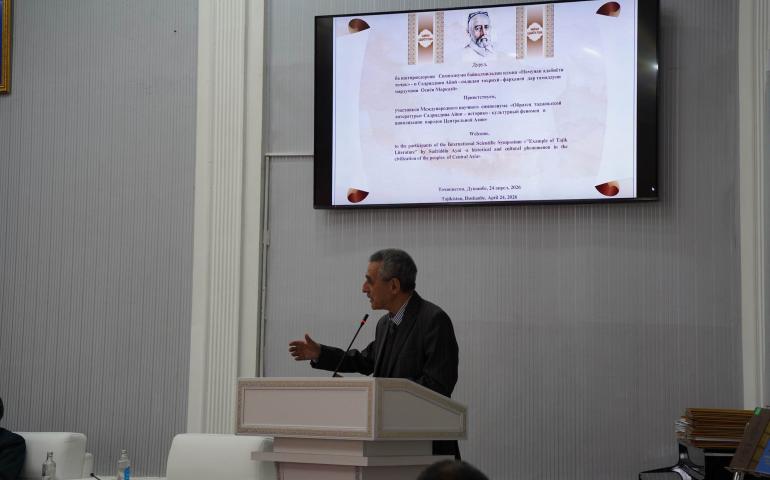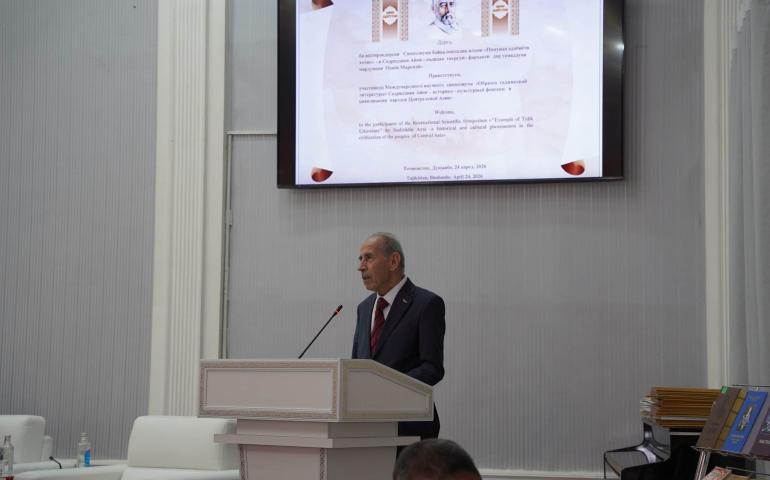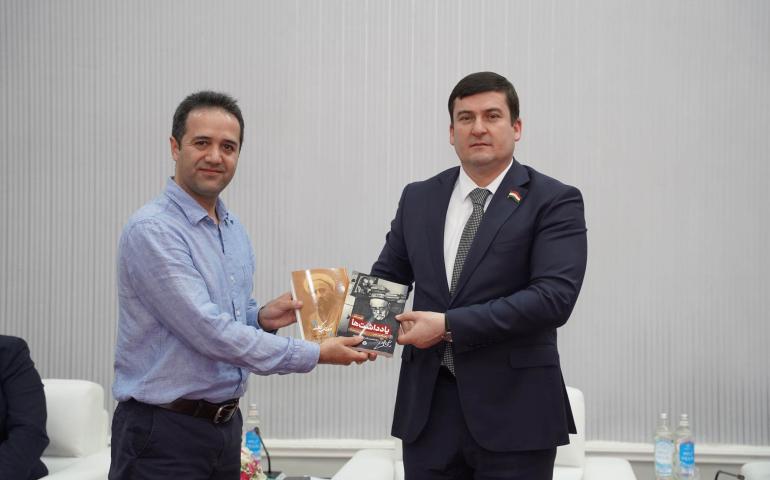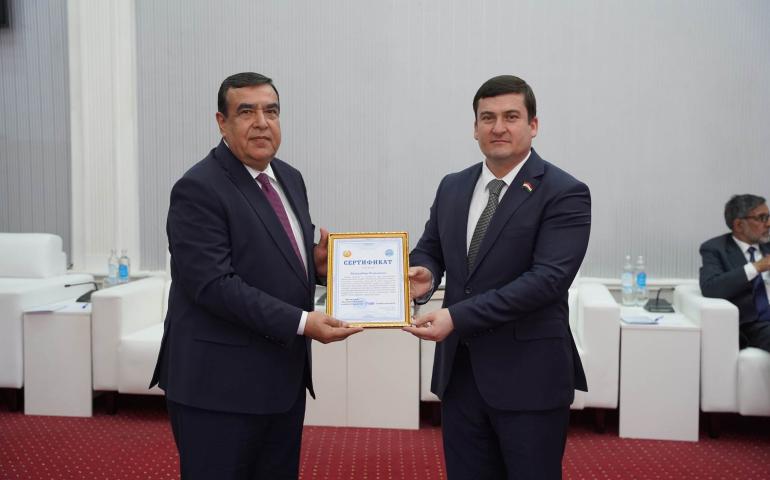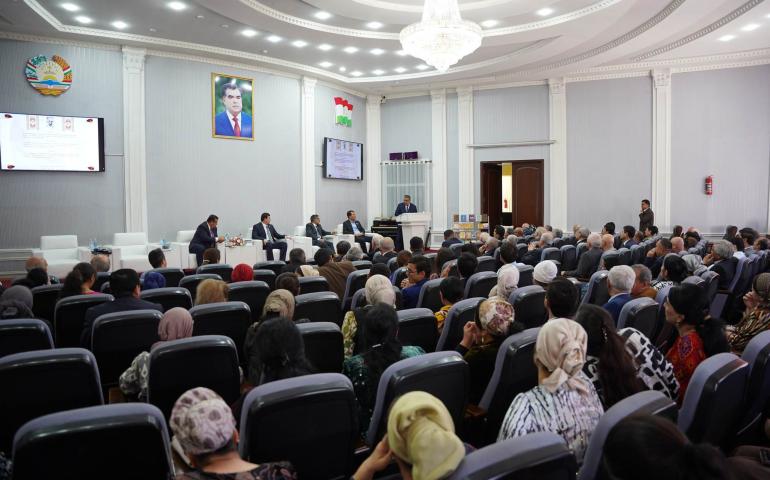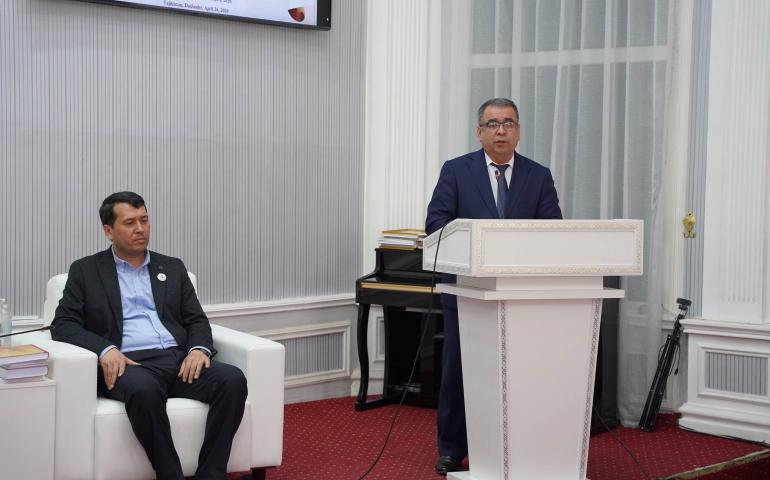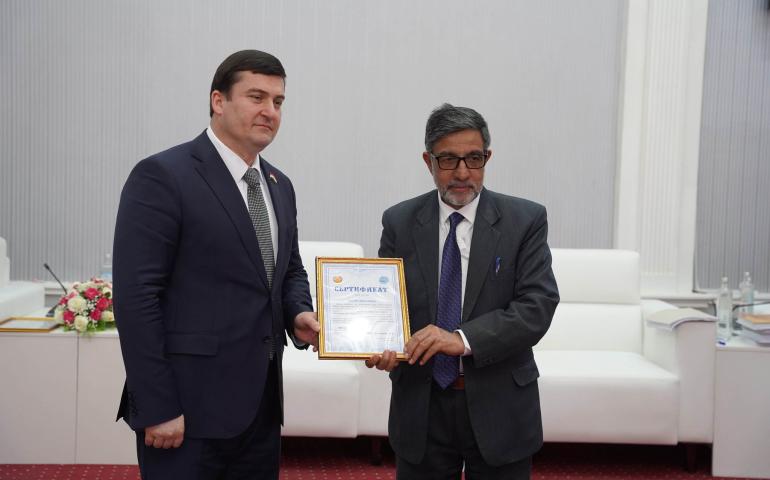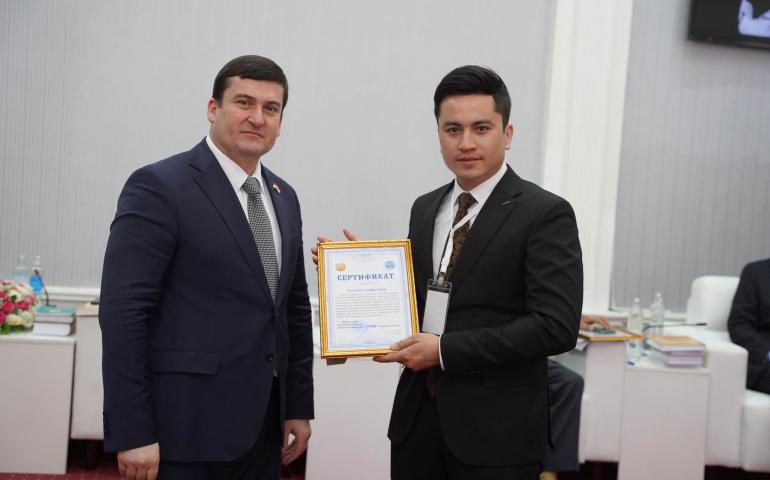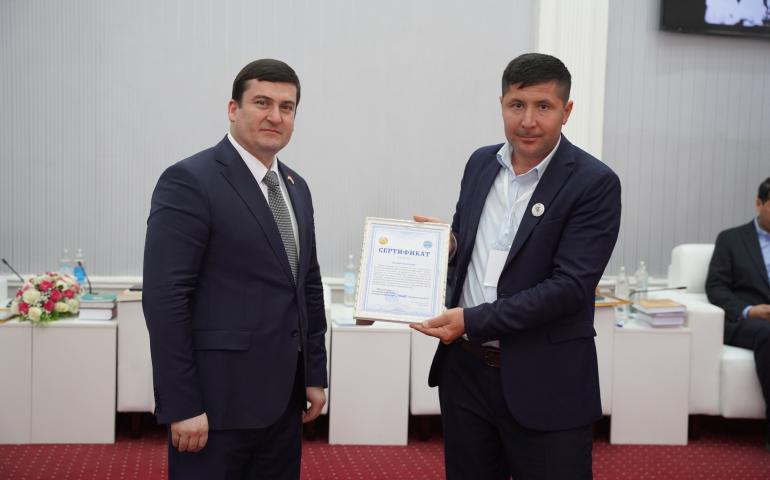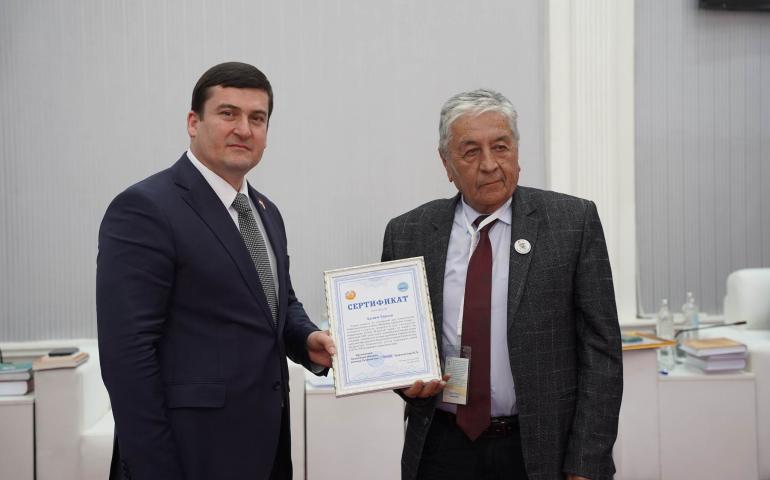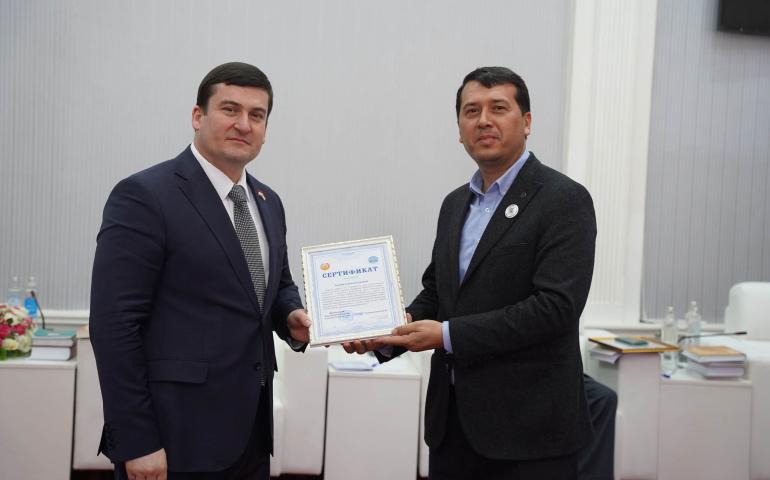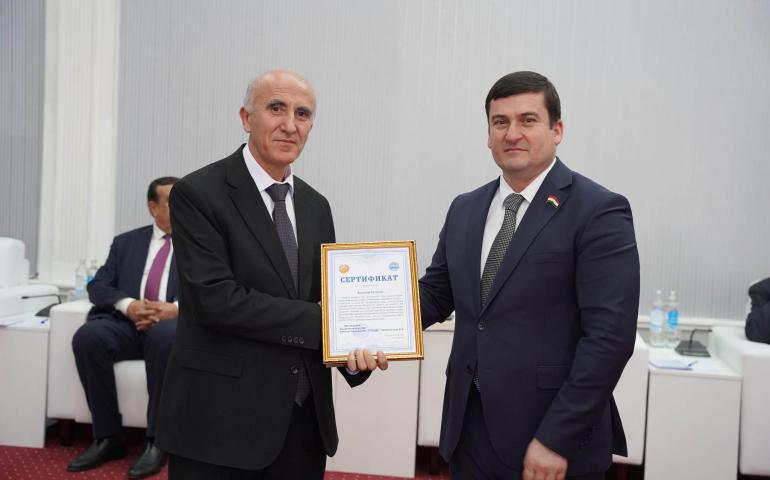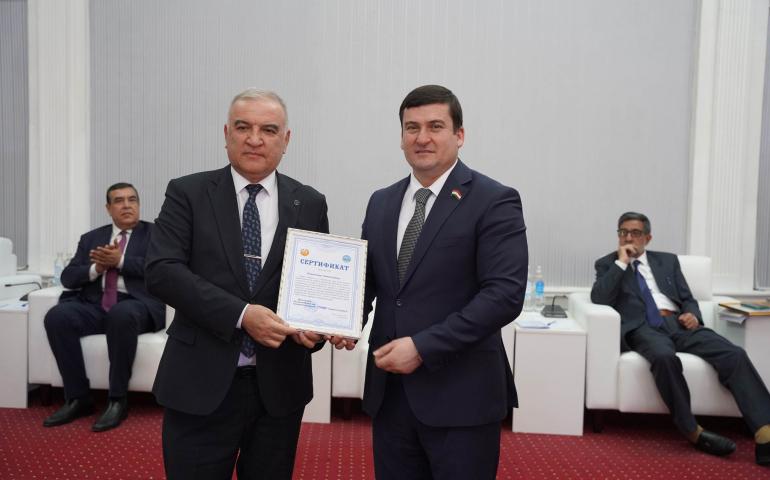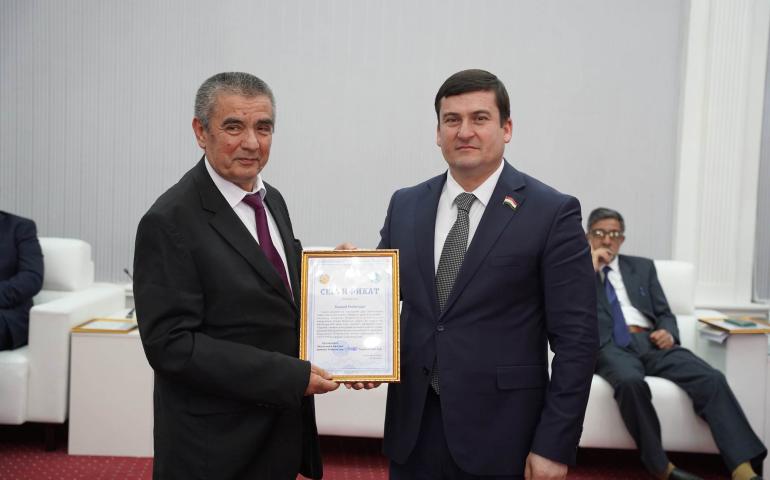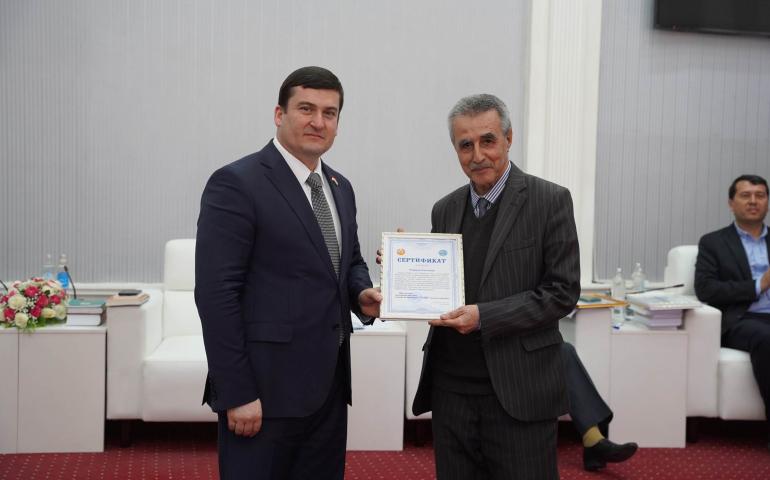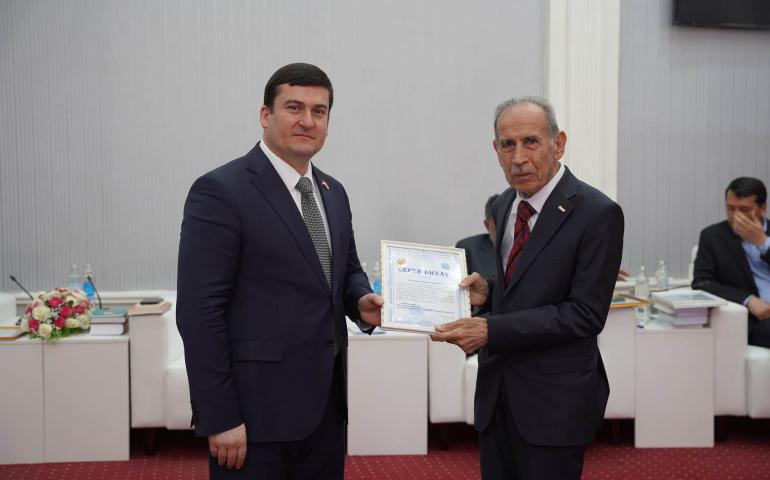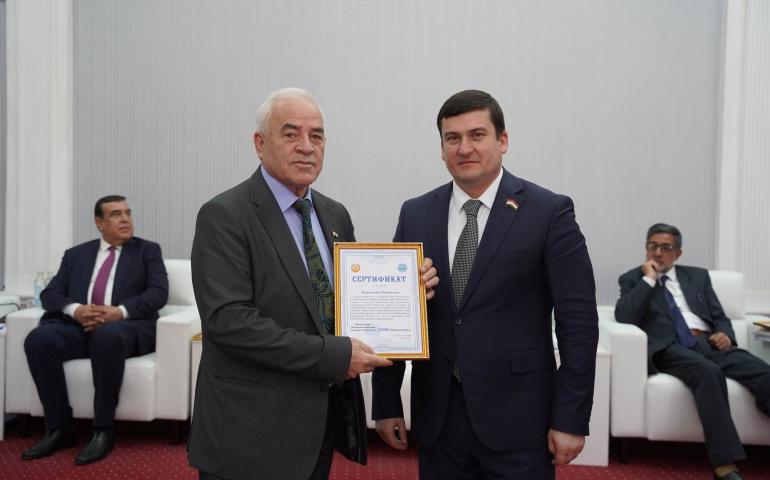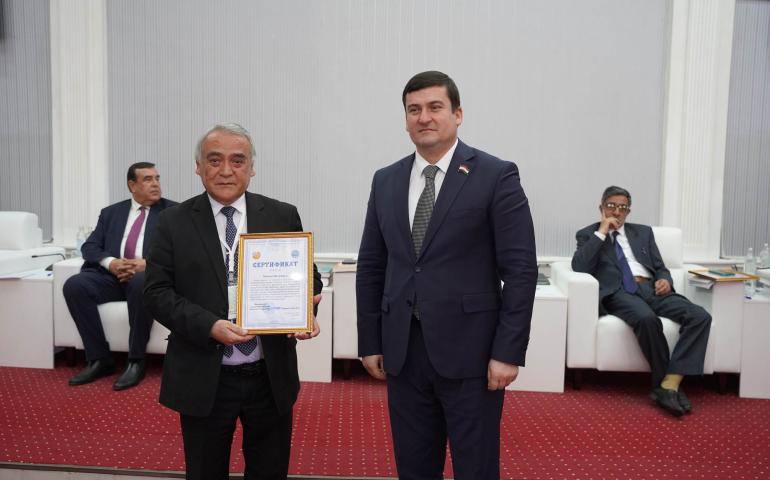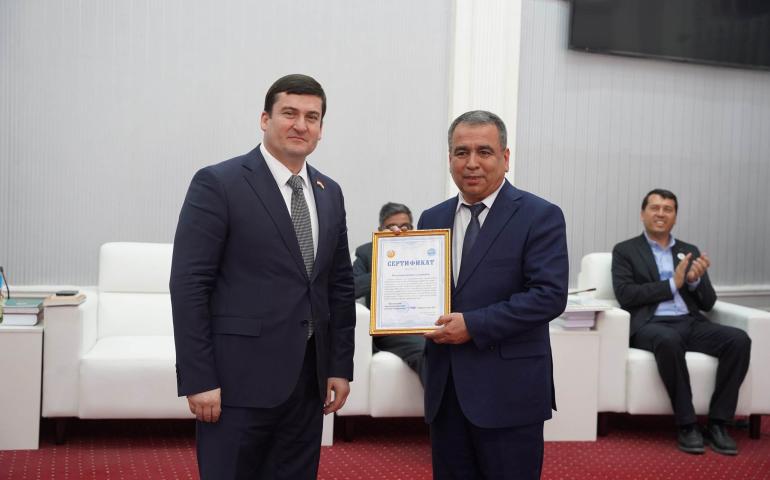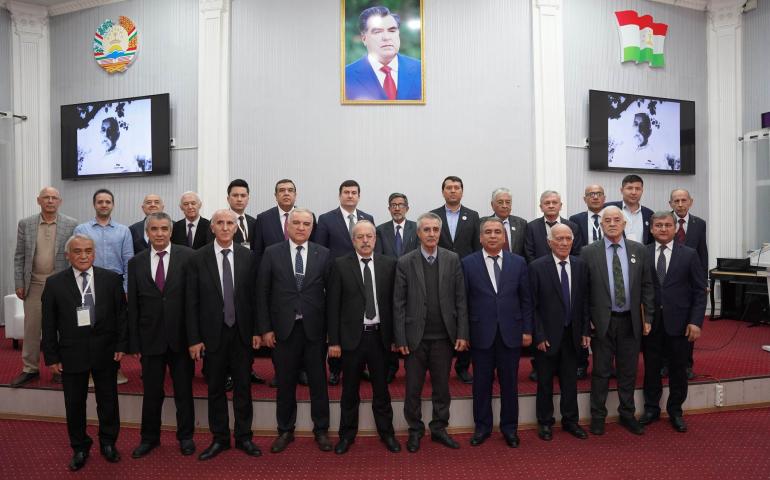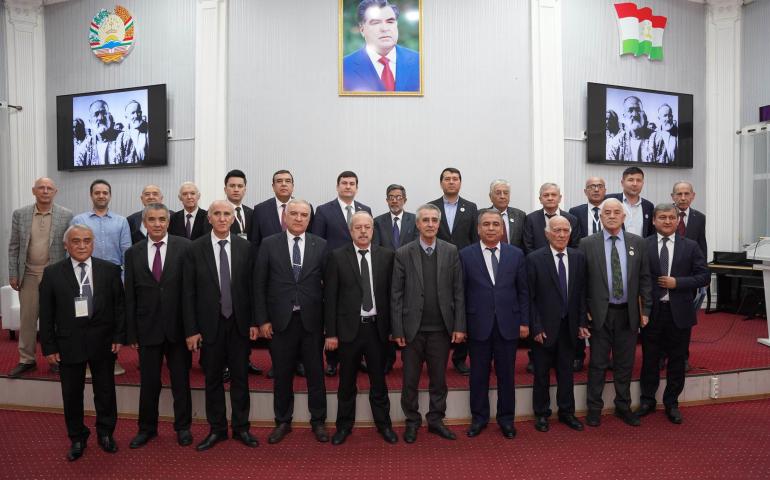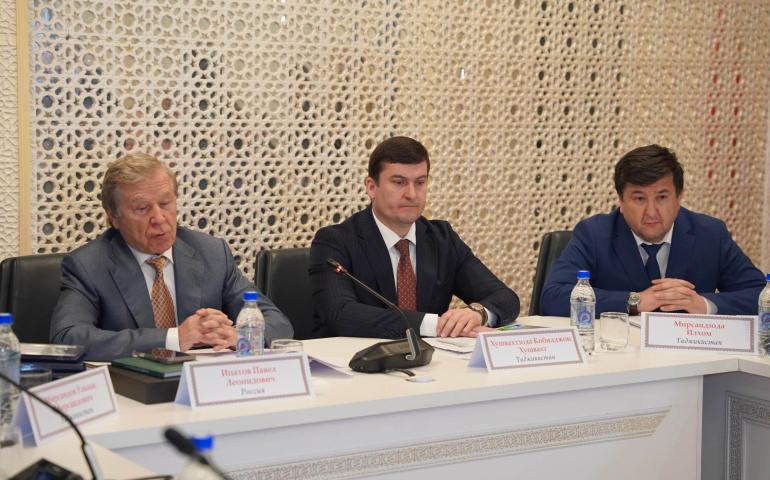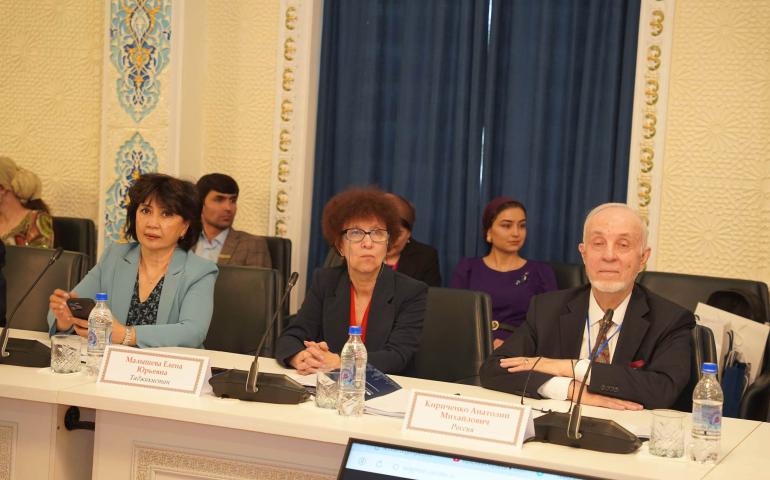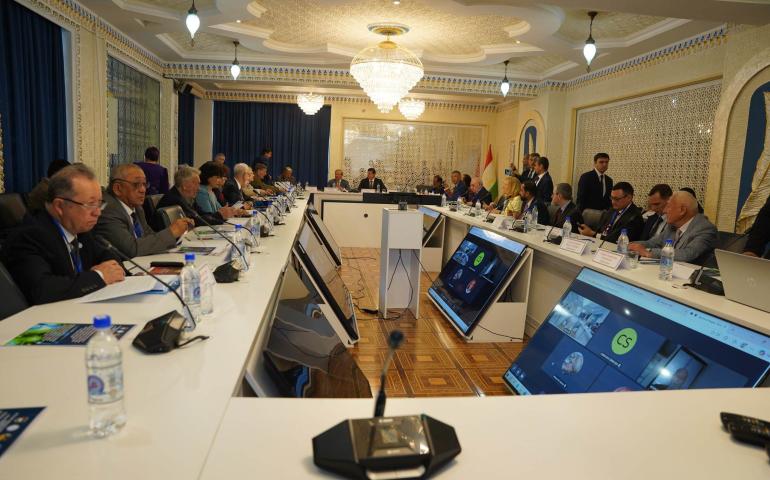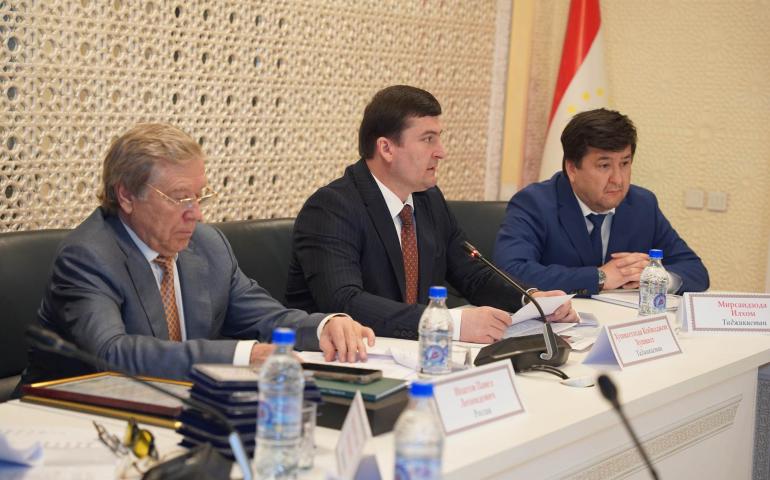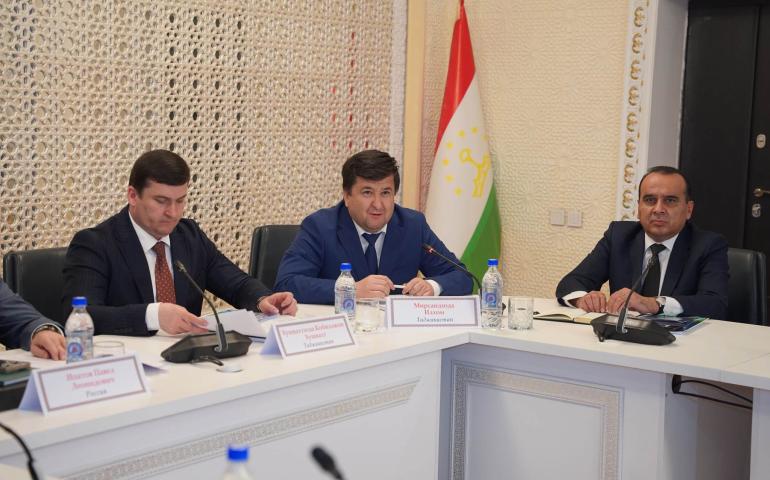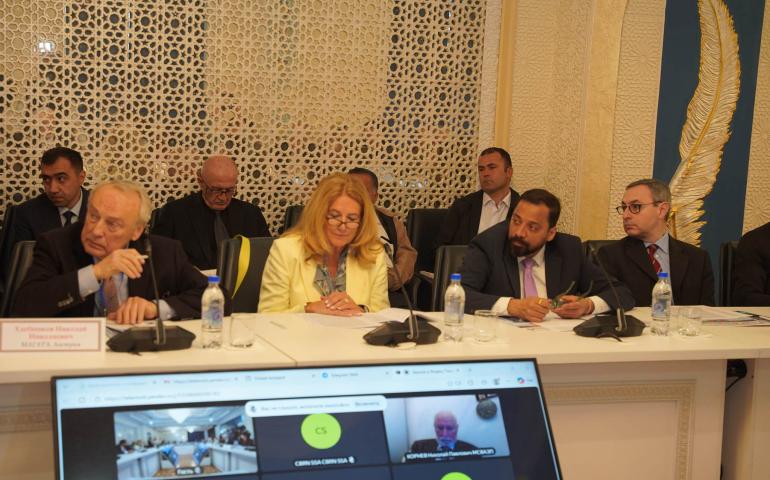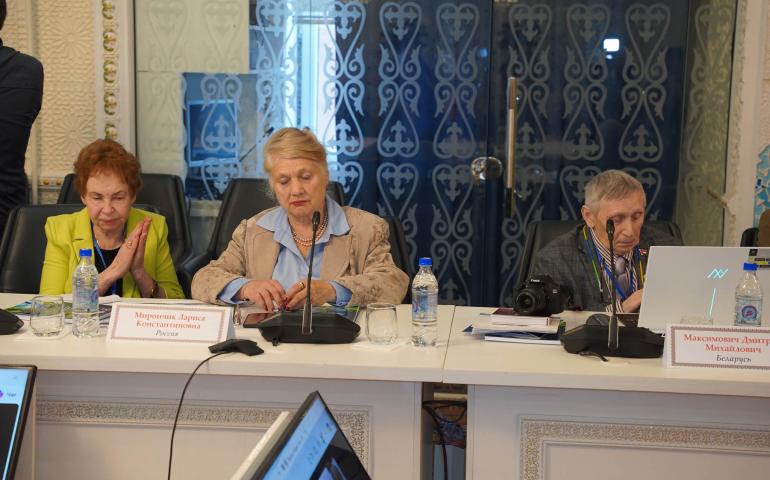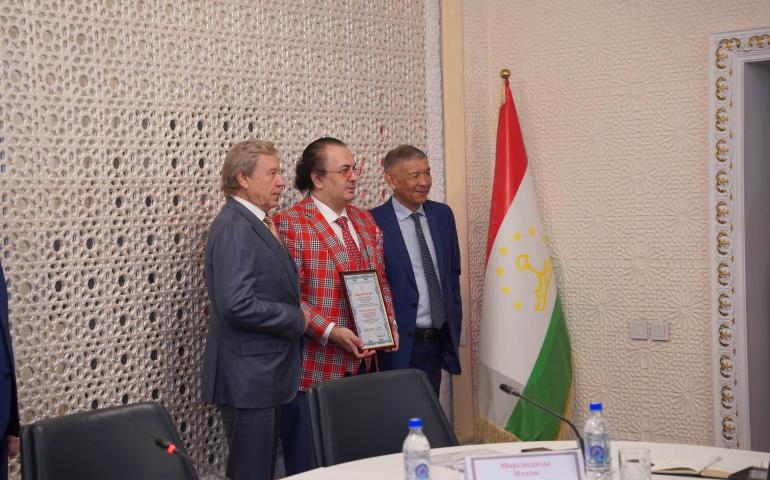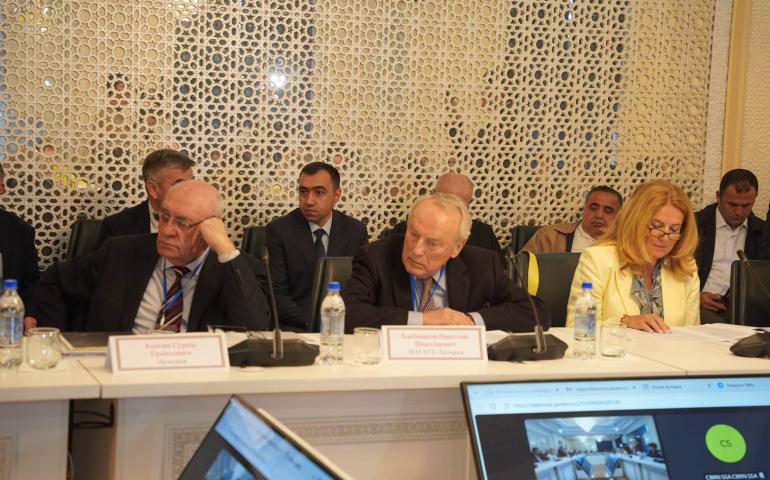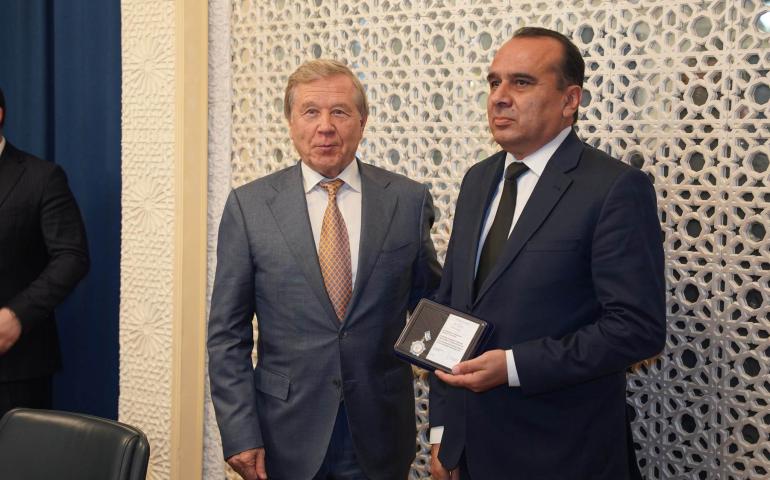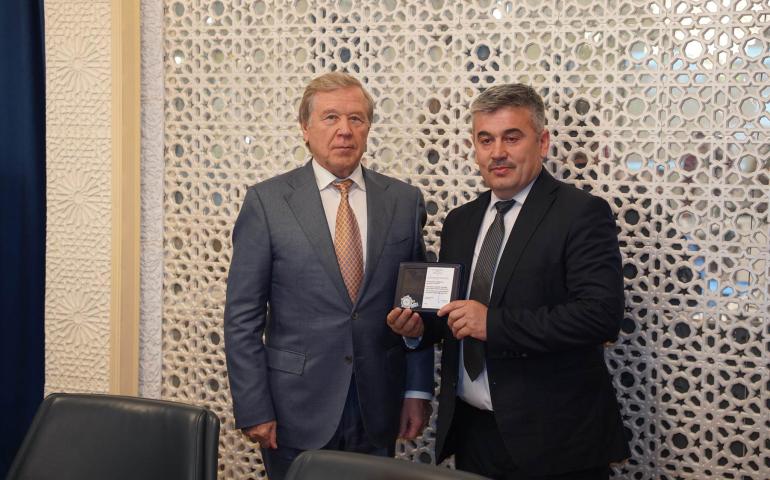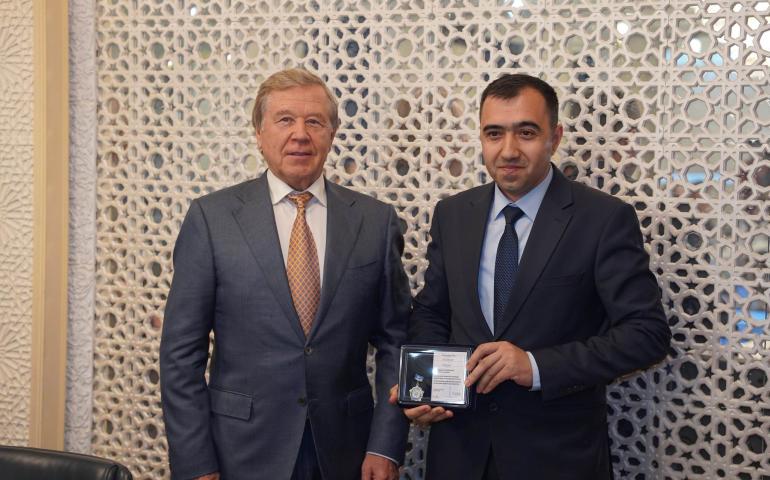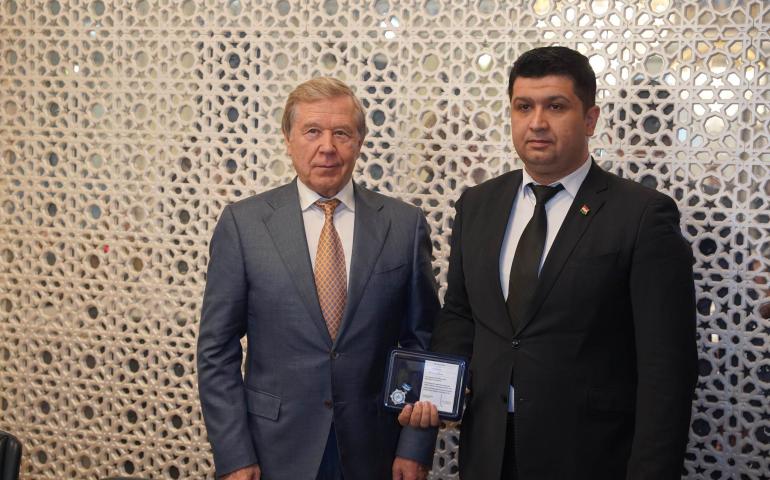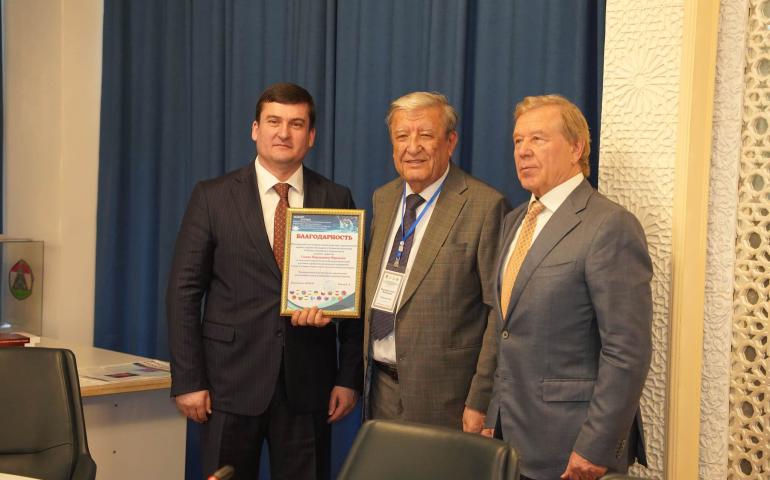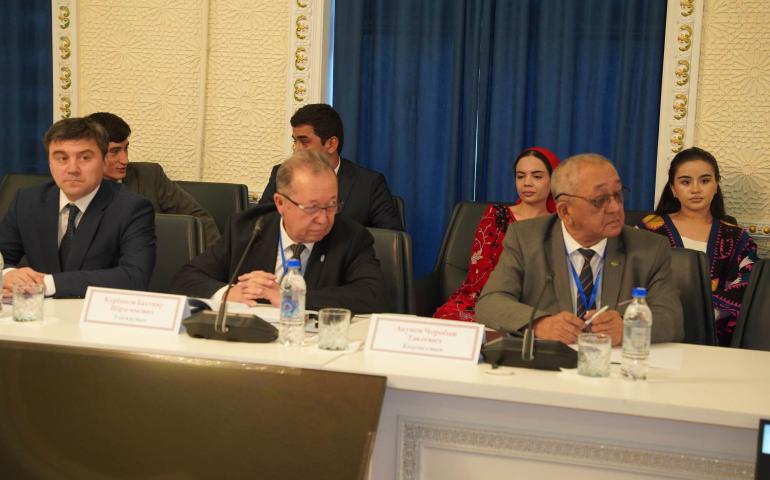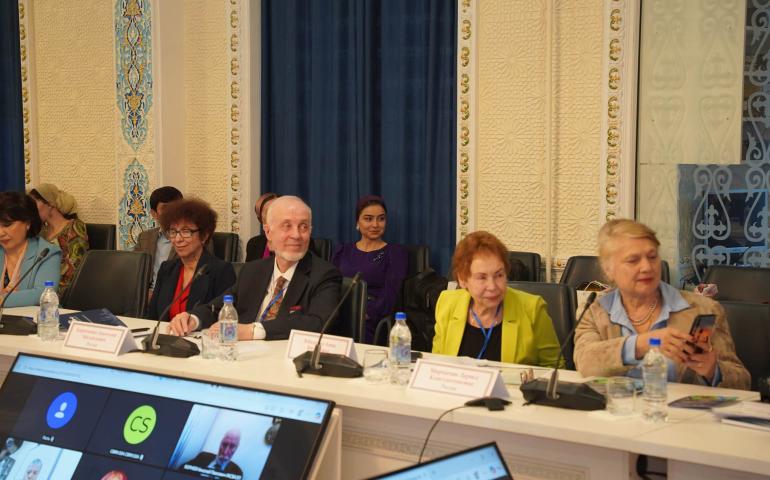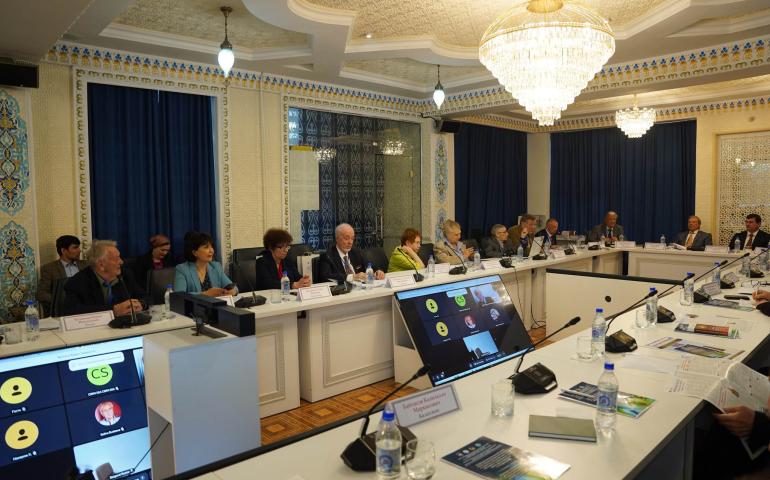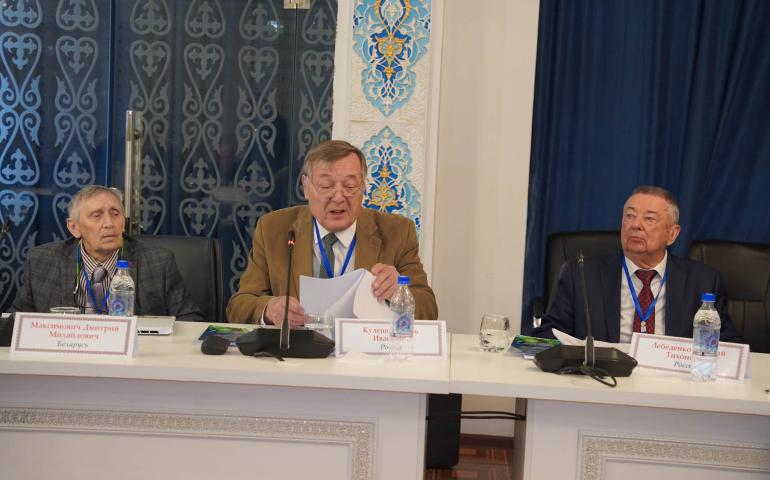


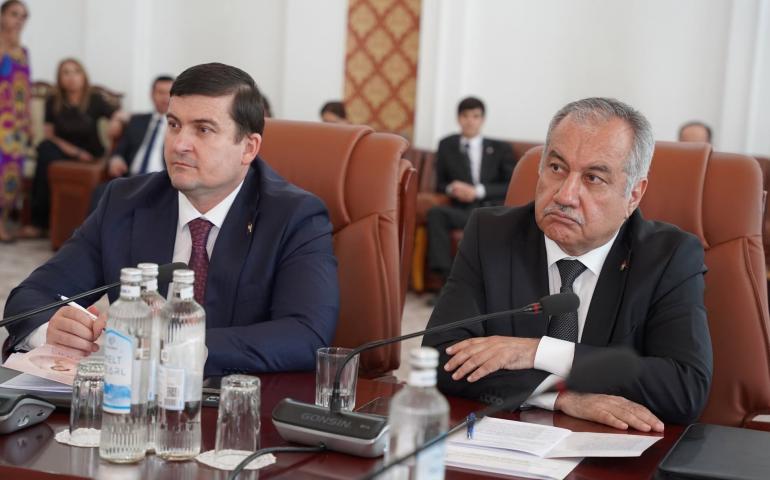
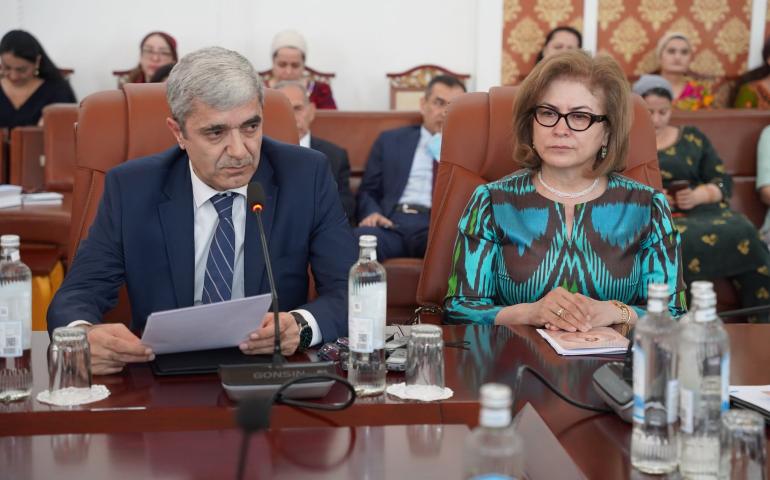
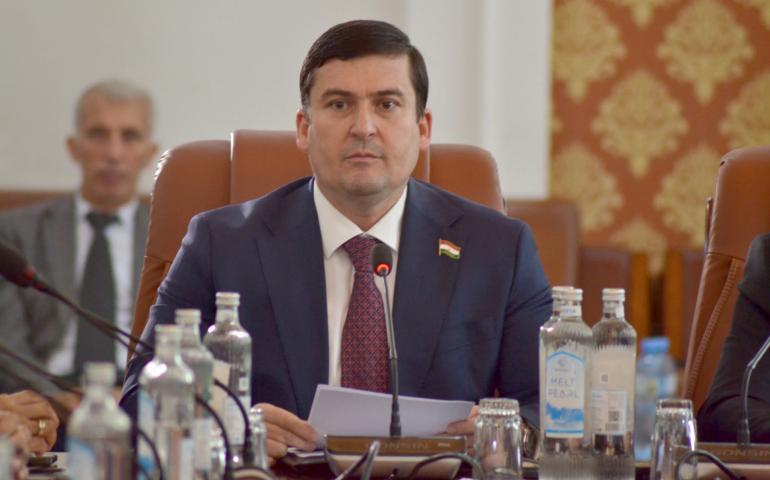
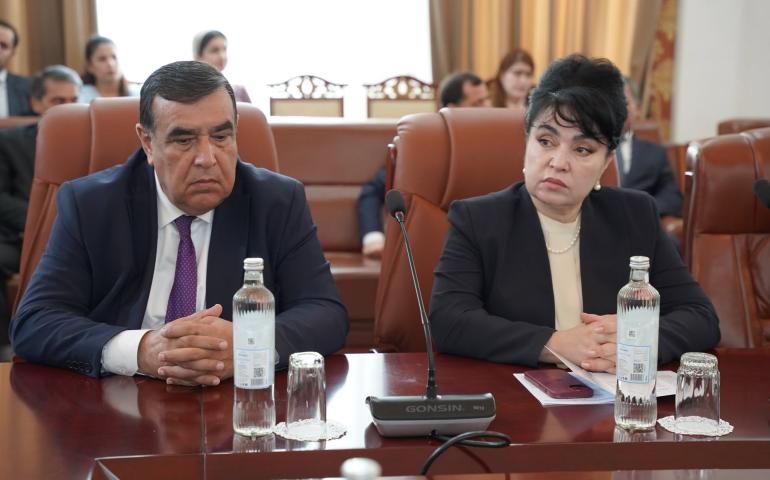
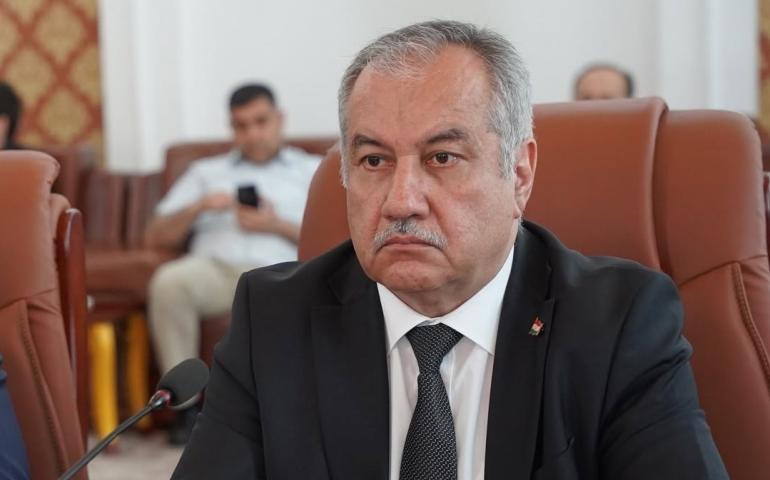
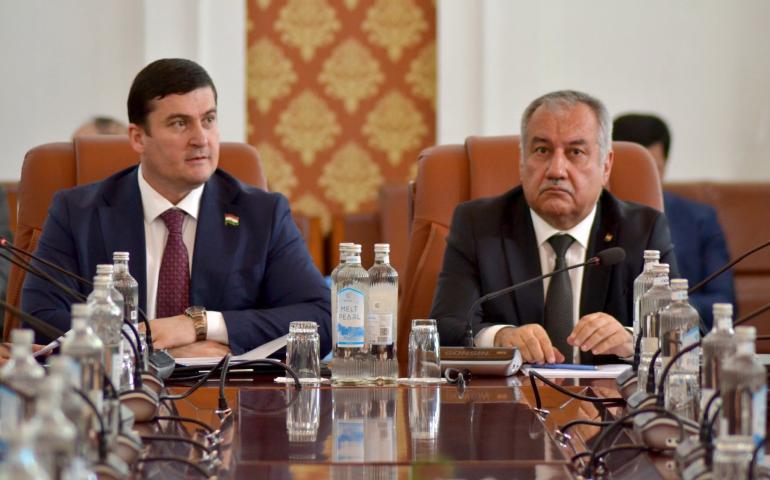
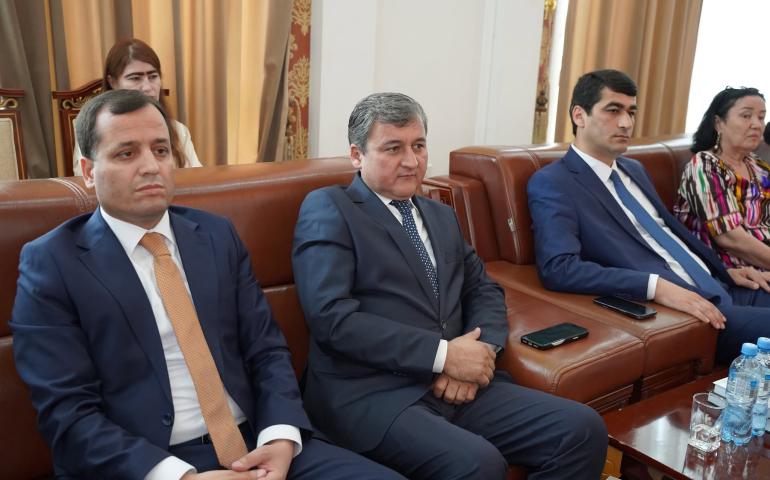
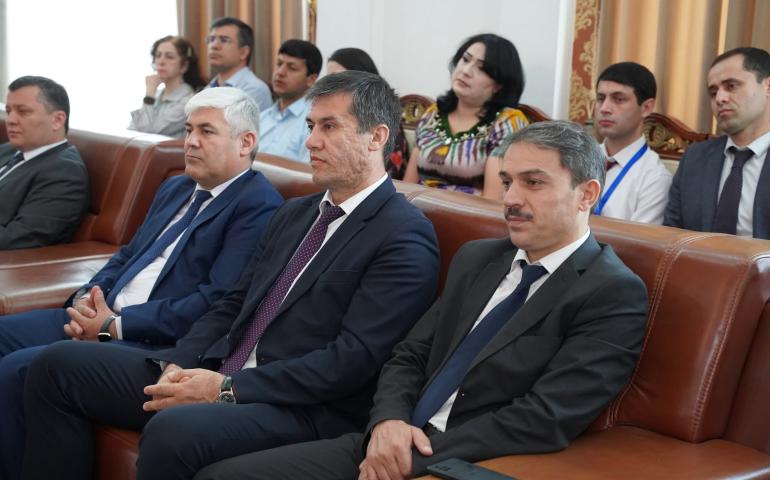
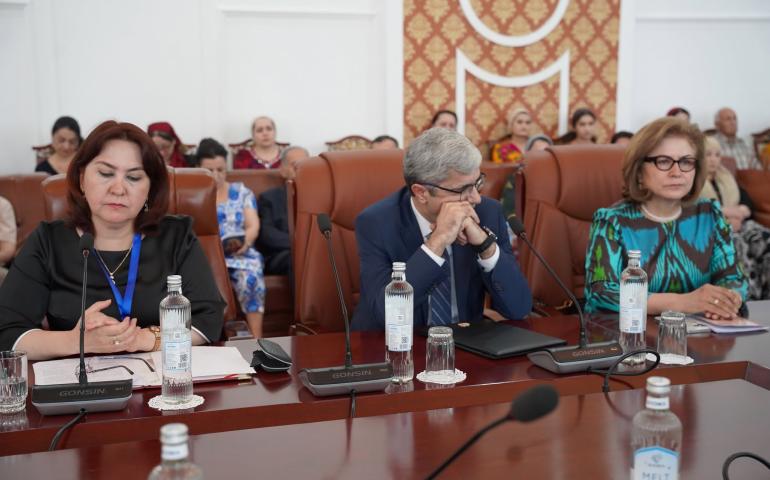
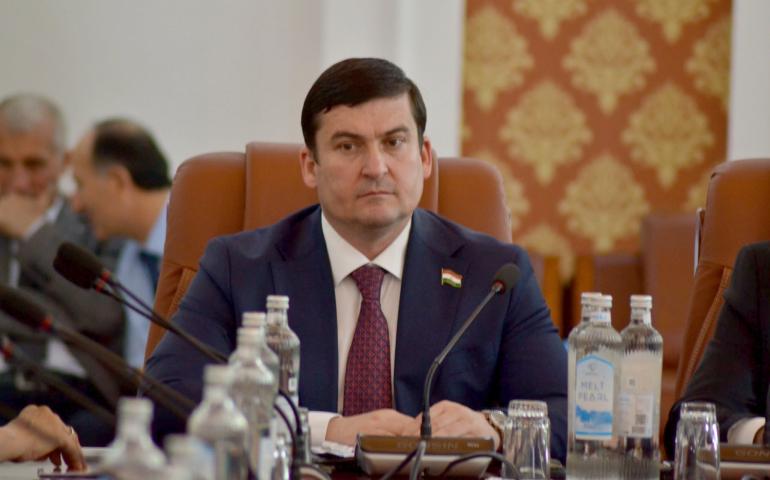
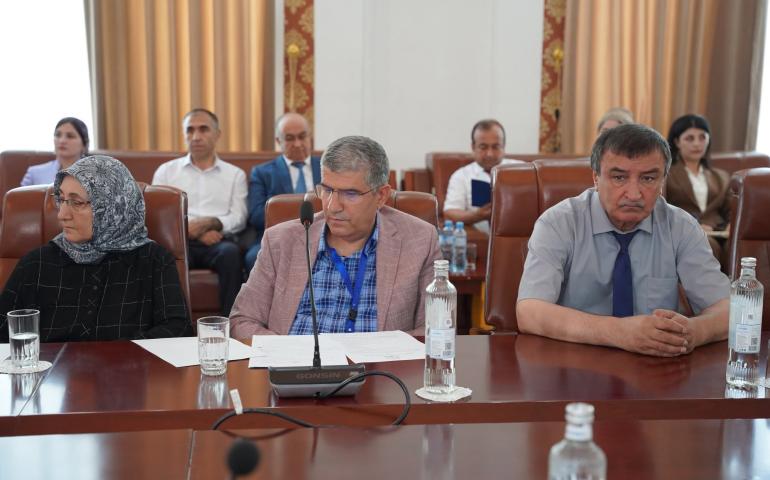
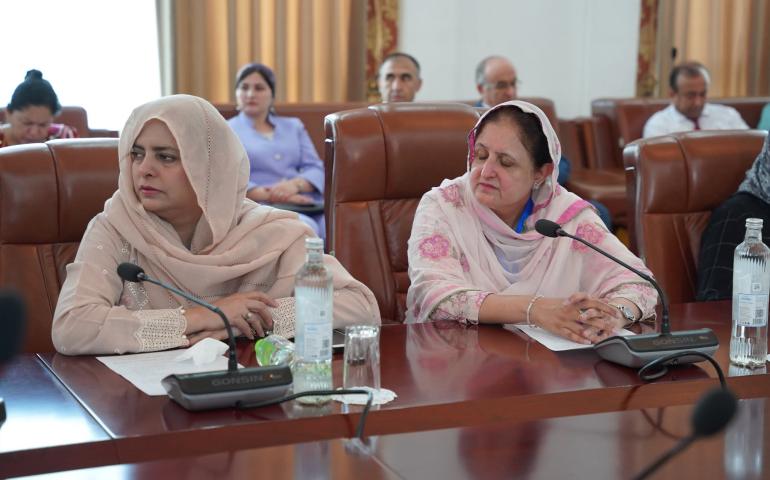
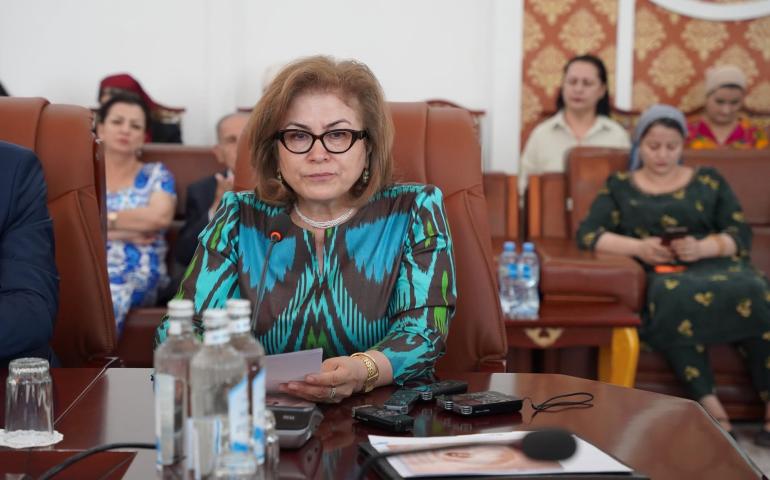
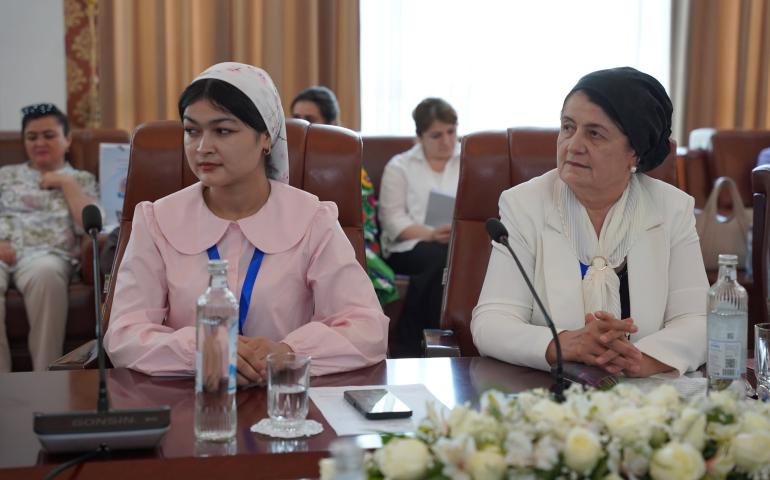
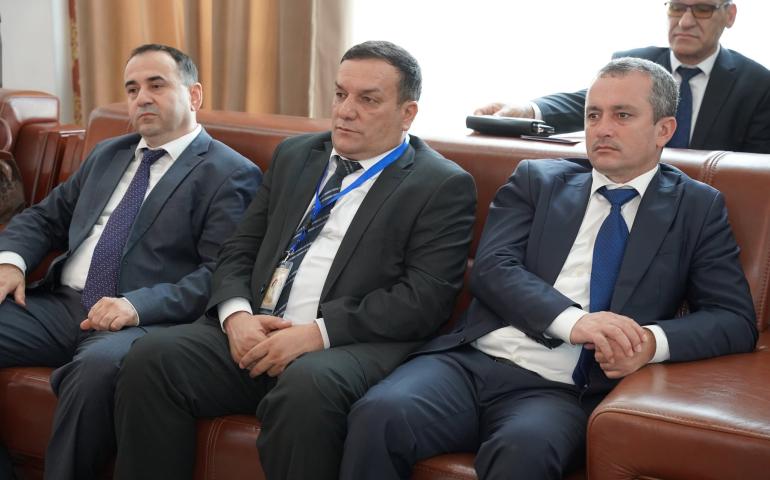
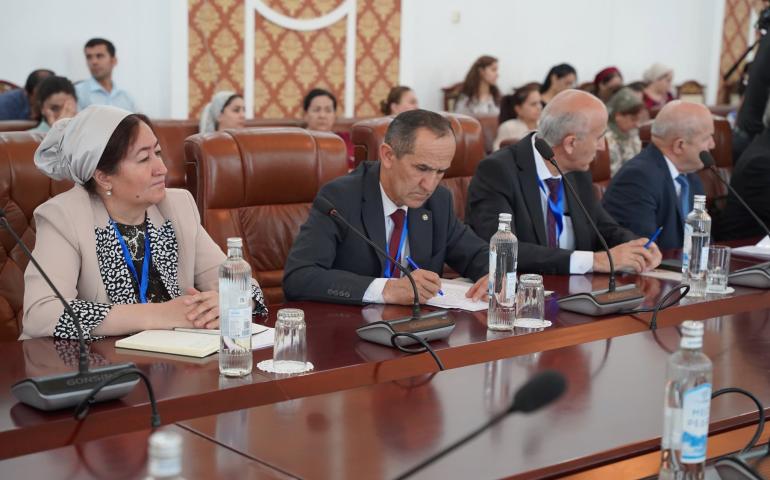
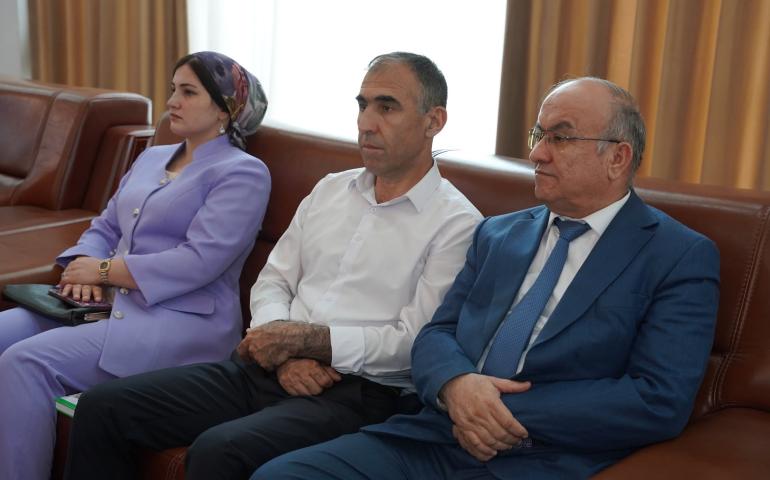
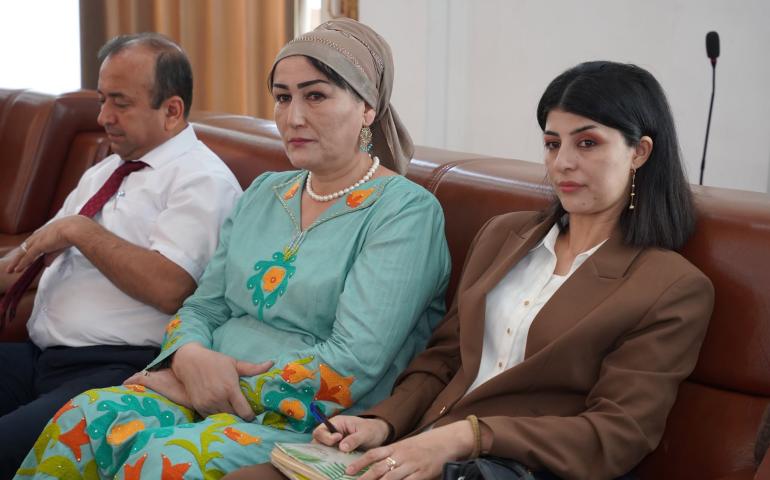
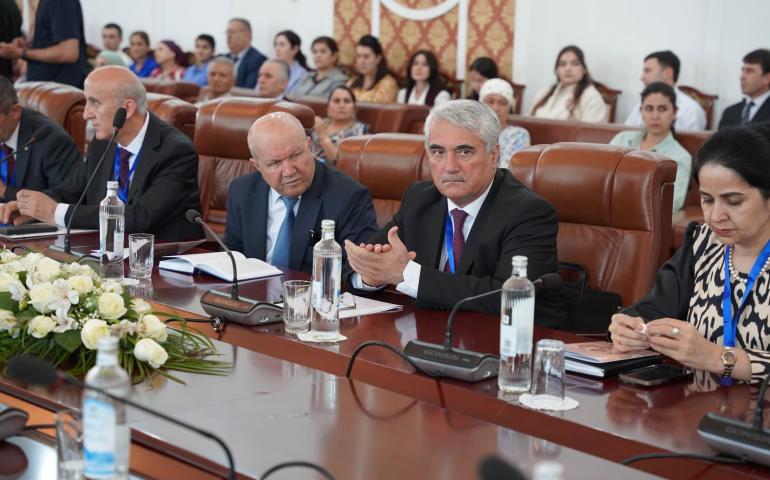
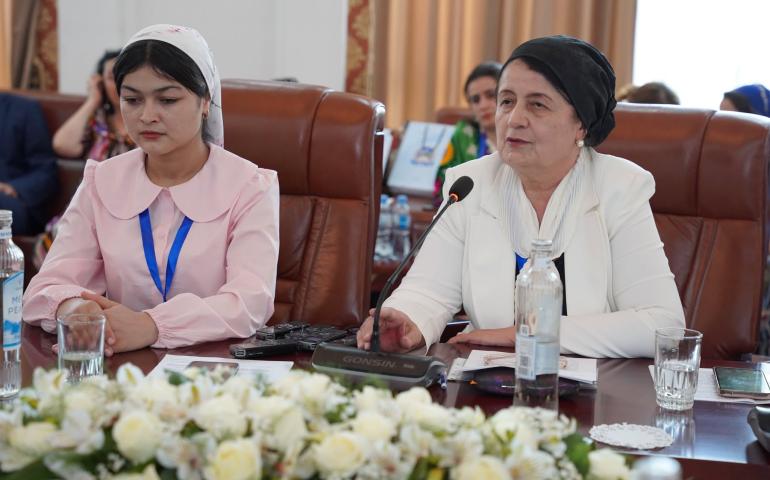
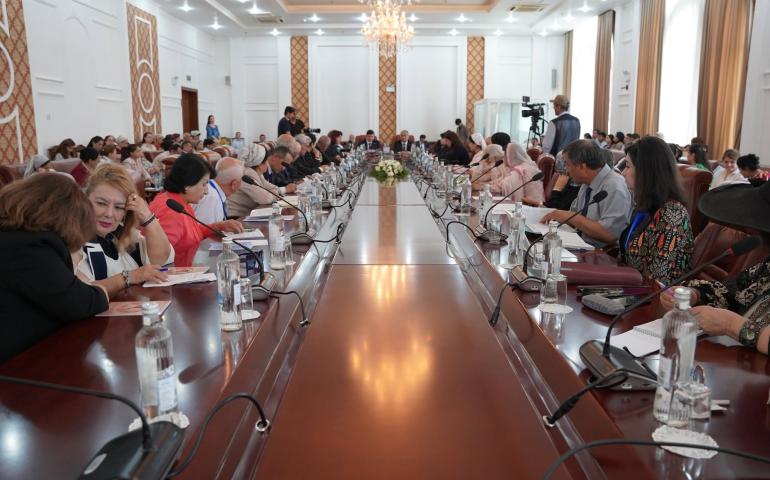
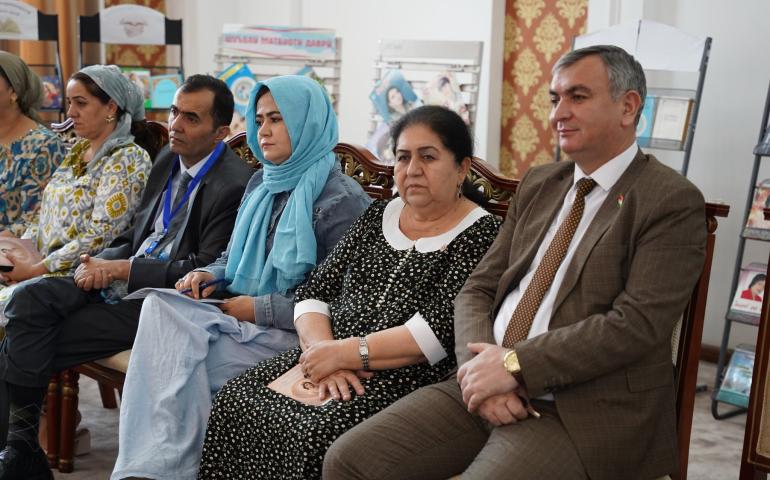
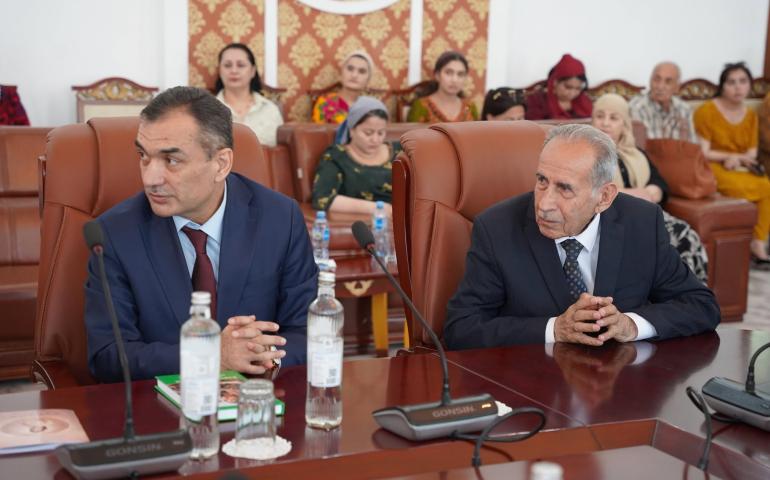
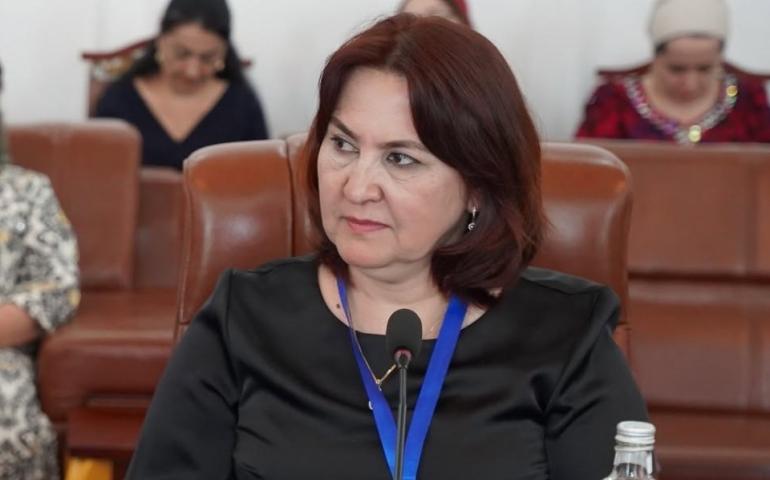
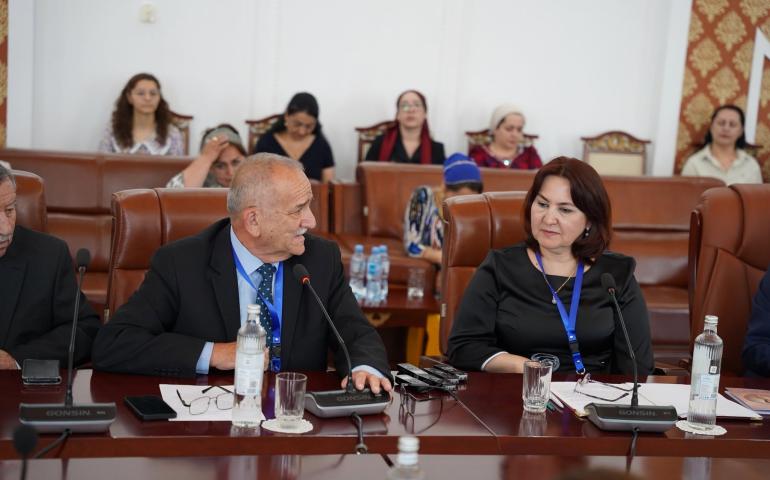
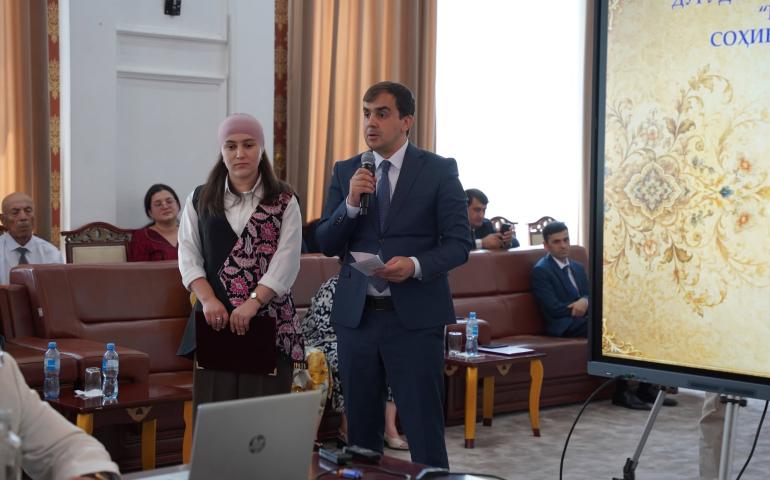
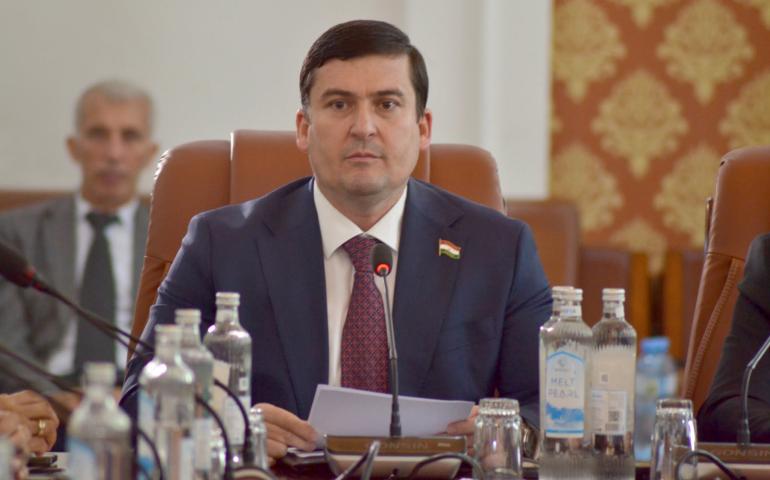
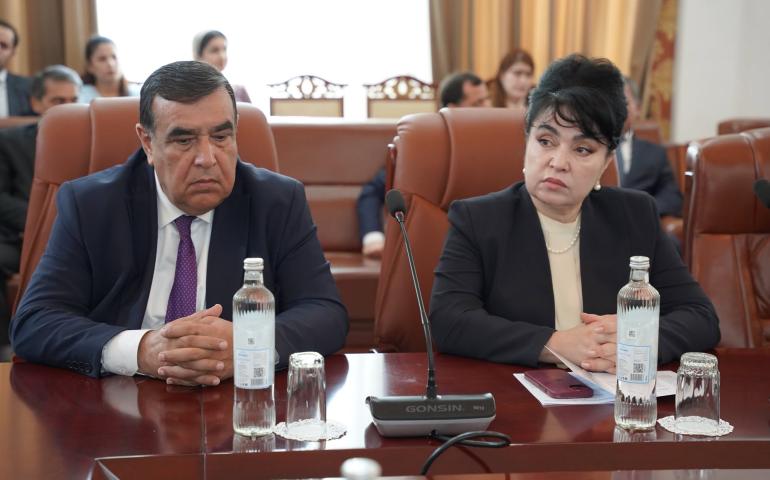
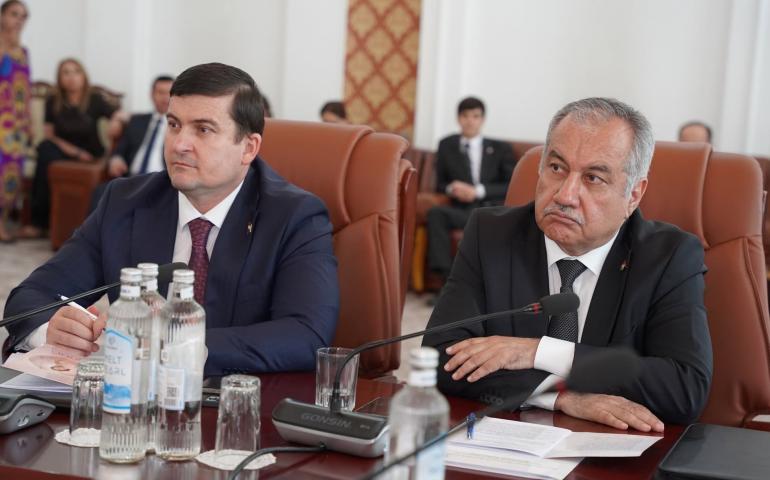
Today, June 10, at the initiative of the Presidium of the National Academy of Sciences of Tajikistan and the Institute of Language and Literature named after Rudaki, an International Scientific and Theoretical Conference entitled “Rabia Balkhi — the First Woman Poet with a Divan in Tajik-Persian Literature” was held at the National Library of Tajikistan.
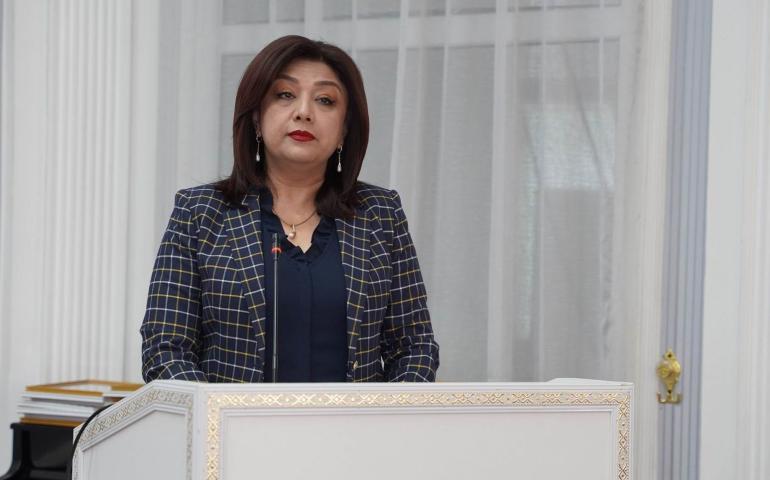
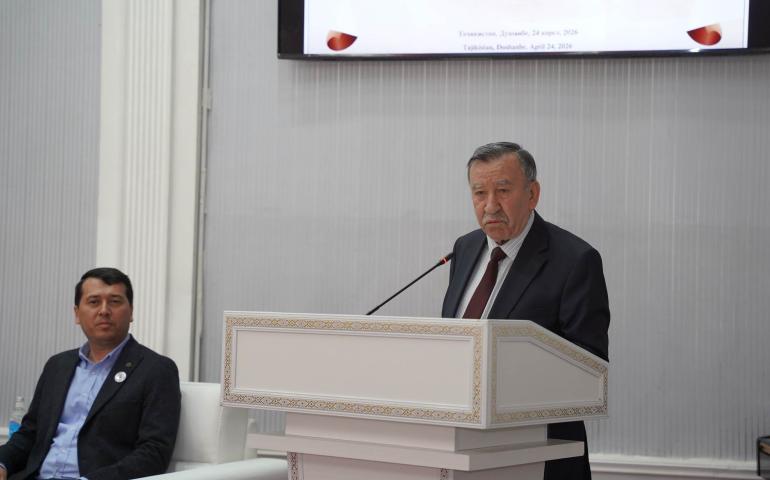
The conference was opened by Farangis Sharifzoda, Director of the Rudaki Institute of Language and Literature of the National Academy of Sciences of Tajikistan, who emphasized that Rabia Balkhi is one of the prominent figures of classical Tajik-Persian literature and that her works played a significant role in the formation of poetic traditions and the development of Persian-language literature.
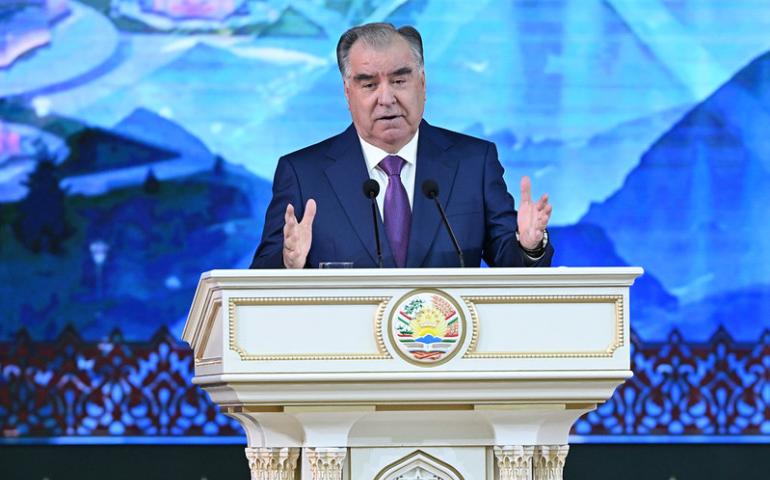
In his opening remarks, the President of the National Academy of Sciences of Tajikistan, Academician Khushvakhtzoda Qobiljon Khushvakht, stated that Rabia Balkhi is one of the outstanding figures of classical Tajik-Persian literature who, through her exceptional talent, broad worldview, and remarkable literary mastery, earned a special place in the history of national culture and literature. It was emphasized that the valuable literary heritage of this distinguished poet not only reflects human feelings and thoughts but also serves as a model of aesthetic excellence, free thinking, and respect for spiritual values.
It was noted that during the years of independence, under the wise leadership of the Founder of Peace and National Unity — Leader of the Nation, President of the Republic of Tajikistan, His Excellency Emomali Rahmon, special attention has been devoted to the study, preservation, and promotion of the nation’s rich cultural and literary heritage, and favorable conditions have been created for comprehensive research on the works of prominent historical and literary figures.
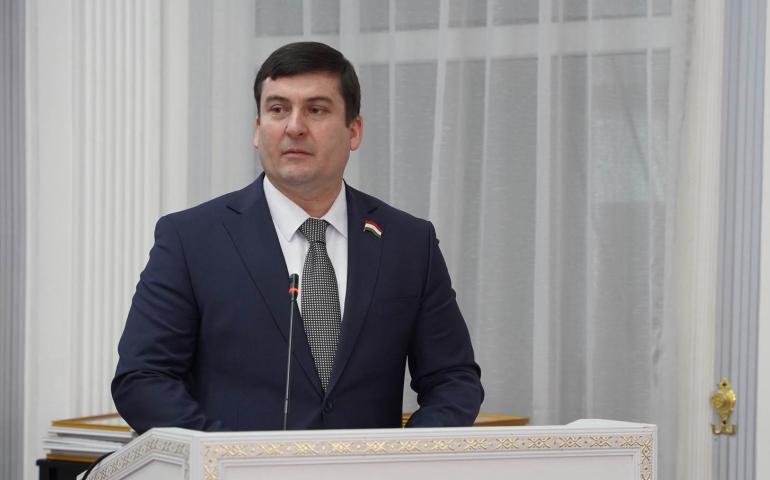
Continuing the conference, Masrur Abdullozoda, Senior Adviser of the Assistant to the President of the Republic of Tajikistan for Social Development and Public Relations, emphasized that the literary and cultural heritage of the Tajik people is one of the most important foundations of national identity, and that the study and promotion of outstanding figures of science and literature play an effective role in strengthening national identity and the spiritual education of society.
It was noted that Rabia Balkhi, as one of the earliest representatives of Tajik-Persian literature, holds a worthy place in the history of world culture through her rich literary works and unique personality, and that a comprehensive study of her life and творчество has particular significance for a deeper understanding of the history of literature and national culture.
In her speech, the Minister of Culture of the Republic of Tajikistan, Matlubakhon Sattoriyon, noted that Rabia Balkhi is among the literary geniuses and enduring figures of Persian-speaking civilization, and that her name, as the first woman poet with a divan in Tajik-Persian literature, has been inscribed in history in golden letters. It was emphasized that the surviving works of this talented poet are outstanding examples of literary culture and reflect the status and role of women in the cultural society of that era.
It was further stated that during the years of independence, with the continuous support of the Government of the Republic of Tajikistan and the special attention of the Leader of the Nation, His Excellency Emomali Rahmon, special importance has been attached to the preservation, study, and promotion of the nation’s historical and cultural heritage. It was noted that honoring the life and works of great cultural figures, including Rabia Balkhi, contributes to strengthening national identity, enhancing cultural awareness, and educating the younger generation in the spirit of respect for national values.
During the continuation of the conference, scholars and researchers from within the country and abroad delivered presentations, emphasizing that Rabia Balkhi is among the earliest shining stars of Persian-Tajik literature and that her literary works played an important role in the formation of classical literature and the development of Persian literary traditions. It was noted that the works of this gifted poet are filled with love, purity, loyalty, free thinking, and lofty human values, and continue to retain their scholarly and literary significance to this day.
It was emphasized that an in-depth study of the life and creative activity of Rabia Balkhi is of particular importance for a better understanding of the early stages of the formation of Persian-Tajik literature and for determining the place of women in the history of the region’s culture and civilization. In this context, the literary heritage of Rabia Balkhi constitutes an important part of the cultural treasury of Persian-speaking peoples, and its broader international promotion will contribute to strengthening cultural ties and expanding scientific cooperation.