Наврӯз ҳамчун ҷашни бостонии мардуми тоҷик ва дигар халқҳои минтақаи Осиёи Марказӣ, Шарқи Наздик ва Қафқоз, на танҳо иди фарорасии баҳор ва эҳёи табиат аст, балки бо худ мафҳумҳои амиқи иҷтимоӣ, фарҳангӣ ва маънавиро низ таҷассум менамояд.
Дар тӯли ҳазорсолаҳо, Наврӯз ҳамчун иди суннатии мардуми ориёитабор шинохта шуда, дар замони ҳукмронии шоҳони Эрони бостон — кайониён, ахеменидҳо ва сосониён — бо тамоми шукӯҳ таҷлил мегардид. Дар манобеи таърихӣ, аз ҷумла осори Абурайҳони Берунӣ, “Наврӯзнома”-и Умари Хайём ва дигар сарчашмаҳо, ҷашни Наврӯз ҳамчун ойини солшуморӣ ва эҳёи зиндагии инсонӣ пас аз зимистон тасвир шудааст. Ба эътиқоди аҷдодон, дар ин рӯз олам аз нав зинда мешавад, равшанӣ бар зулмат пирӯз меояд ва инсон бо дили тоза ва нияти неку хайр ба сӯи зиндагии нав рӯ меорад.
Яке аз унсурҳои муҳим ва ҷудонашавандаи ҷашни Наврӯз, ки аз замонҳои пешин то имрӯз боқӣ мондааст, маҳз варзиш ва бозиҳои миллӣ мебошад. Дар осори таърихии ниёгон, аз ҷумла дар “Шоҳнома”-и Абулқосим Фирдавсӣ, ки таърихи подшоҳони бостонро ба риштаи назм даровардааст, варзиш ҳамчун шеваи таҳкими қудрати ҷисмонӣ, рӯҳии мардонагӣ ва нишонаи шуҷоат зикр гардидааст. Подшоҳон ва сарлашкарони бостон дар рӯзҳои Наврӯз мусобиқаҳои аспдавонӣ, гӯштин ва шикор ташкил мекарданд, ки ин анъана солҳои зиёд дар тамоми кишварҳои форсизабон роиҷ будааст. Маҳз дар ҳамин айём, мардум бо ҳисси баланди ватандорӣ ва ифтихори миллӣ бо варзиш ва дигар намудҳои бозӣ рӯҳияи якдигарфаҳмӣ ва ваҳдатро тақвият мебахшиданд.
Дар фарҳанги суннатии тоҷикон, бахусус дар деҳот, Наврӯз бо баргузории чорабиниҳои варзишӣ ба мисли гӯштин, бузкашӣ, аспдавонӣ, камонварӣ ва бозиҳои мардумӣ, аз қабили арғунчак, сангбардорӣ, тухмҷанг ва бандкашӣ ҳамроҳ будааст. Ҳар як намуди варзиш дар ин ҷашн натанҳо воситаи фароғат, балки омили муҳими тарғиби ҳаёти солим ва таҳкими робитаи иҷтимоӣ ба ҳисоб мерафтааст. Масалан, гӯштини наврӯзӣ, ки қоидаҳои махсус доштааст, майдони намоиши қувват, шуҷоат ва ҳунари ҷавонмардӣ буда, барои ҳар марди тоҷик фурсате будааст, ки ба мардуми маҳал қудрат ва балоғаташро нишон диҳад. Дар саҳроҳои васеи кишвар аспдавонӣ баргузор мешуд, ки на танҳо бардасти аспсаворонро мепарварид, балки эҳсоси ватандӯстиву иттиҳоди мардумро таҳким мебахшид. Бузкашӣ ҳамчун бозии лашкариён бо хусусияти омодагӣ ба ҷанг ва шевои ҳарбӣ, дар замони пешин василаи рӯҳбаландсозии мардуми сарзамини мо будааст ва он имрӯз ҳам яке аз рамзҳои муҳими ҷашни Наврӯз дар ноҳияҳои кӯҳистон ба шумор меравад.
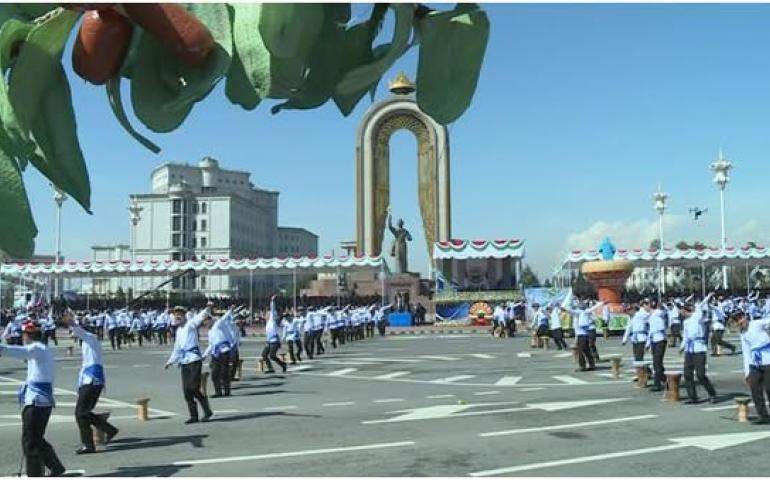
Дар даврони муосир, варзиш дар Наврӯз аҳамияти боз ҳам бештар пайдо намудааст. Дар доираи таҷлили расмии ҷашнҳои наврӯзӣ дар тамоми минтақаҳои Тоҷикистон мусобиқаҳои гуногуни варзишӣ ва озмунҳои ҳунарӣ баргузор мегарданд, ки ба оммавияти варзиш, рушди ҷисму рӯҳи ҷавонон ва таҳкими сулҳу ваҳдат мусоидат мекунанд. Ҳукумати Тоҷикистон ба варзиш аҳамияти махсус дода, онро як бахши муҳими рушди солими наслҳои оянда медонад ва дар ҳар як ҷашни миллӣ, аз ҷумла Наврӯз, чорабиниҳои варзишӣ нақши марказӣ доранд. Ин гуна тадбирҳо ба хотири онанд, ки мардум, махсусан ҷавонон, аз хурдӣ бо анъанаҳои миллӣ, варзишӣ ва фарҳангии Наврӯз ошно шуда, эҳсоси ифтихори ватандорӣ ва таассуби миллӣ дар онҳо парвариш ёбад.
Наврӯз дар баробари оини варзиш, инчунин ҳамчун рамзи ваҳдати миллӣ ва ягонагии мардум хизмат мекунад. Ин ҷашн дар шароити муосир ба майдони гиромидошти арзишҳои умумибашарӣ табдил ёфтааст, ки дар он нафарони ҳама синну сол, миллату дин, касбу фаъолият ширкат мекунанд. Фарқ надорад, ки кистӣ ва аз куҷоӣ — Наврӯз ҷашни ҳар тоҷику форс ва кулли дӯстдорони баҳор аст. Ҳамин эҳсоси умумӣ ва рӯҳи шодиву якдилӣ, ки дар рӯзҳои Наврӯз дар дилу дидаи мардум шуълавар аст, худ нишонаи ваҳдати миллӣ ва иттиҳоди халқ дар атрофи арзишҳои бостонӣ ва фарҳанги миллӣ мебошад. Ҷашни Наврӯз имконият медиҳад, ки мардум бо дили кушода ва нияти нек ба ҳамдигар меҳру муҳаббат зоҳир созанд, кинаву адоватро канор гузошта, аз фазои шодию истиқбол баҳраманд гарданд.
Хулоса, Наврӯз танҳо як ҷашни фаслии сол нест, балки ойине аст, ки дар заминаи он беҳтарин арзишҳои миллии мардуми тоҷик — аз ҷумла варзиш, ватандӯстӣ, ваҳдати миллӣ ва фарҳанги ҳамбастагӣ — таҷассум ёфтааст. Ойини варзишӣ дар Наврӯз на танҳо нишонаи гузаштаи ҷасуронаи ниёгон, балки воситаи пурқуввати тарбияи ҷавонон дар рӯҳияи зебоии ҷисму рӯҳ ва парчамбардории сулҳу дӯстӣ аст. Имрӯз мо вазифадорем, ки ин мероси фарҳангиро ба таври шоиста пос дорем ва онро ҳамчун омили таҳкими ваҳдати миллӣ ва солимии ҷомеа ба наслҳои оянда интиқол диҳем. Наврӯз бо оини варзишии худ фурсатест, ки мардум бо ҳам пайванд ёбанд ва бо дили пур аз умед ба ояндаи дурахшон қадам гузоранд.
Наврӯз муборак бод!
Қурбонов Шодком Аҳмадбоевич– н.и.т., ходими калони илмии озмоишгоҳи ғанигардонии маъдани Институти химияи ба номи В.И. Никитини АМИТ
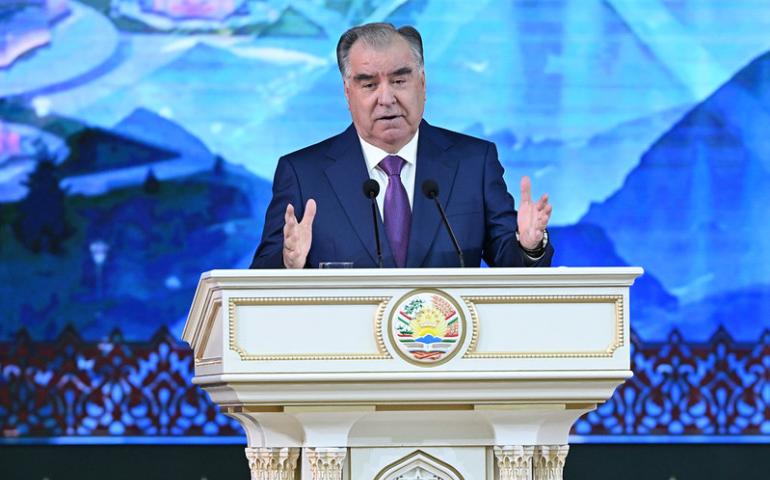
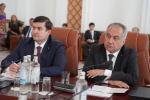
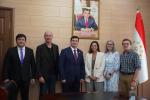
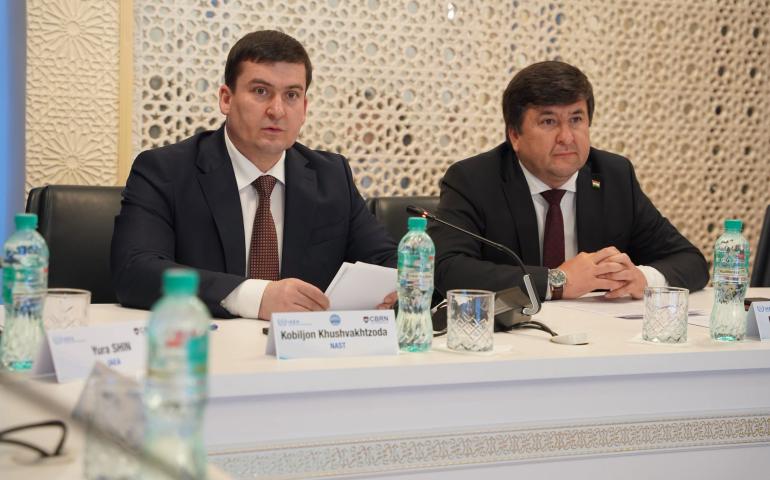
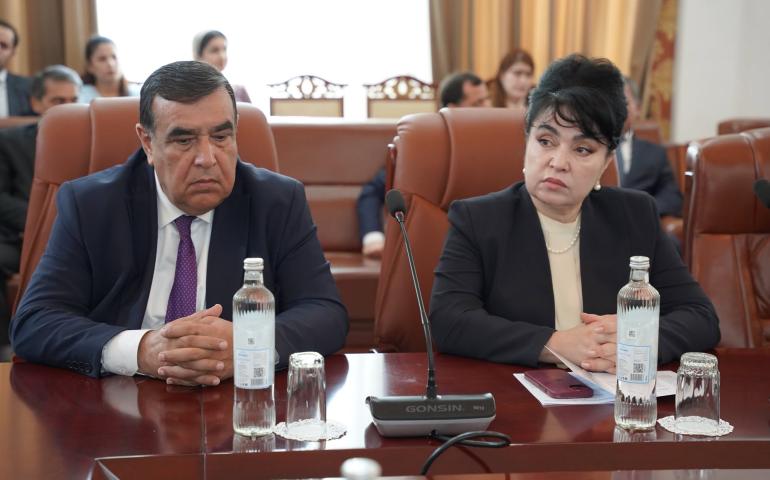
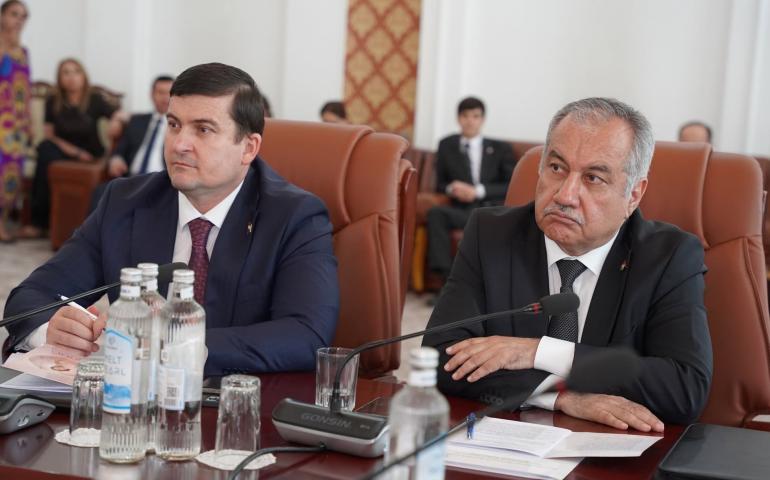
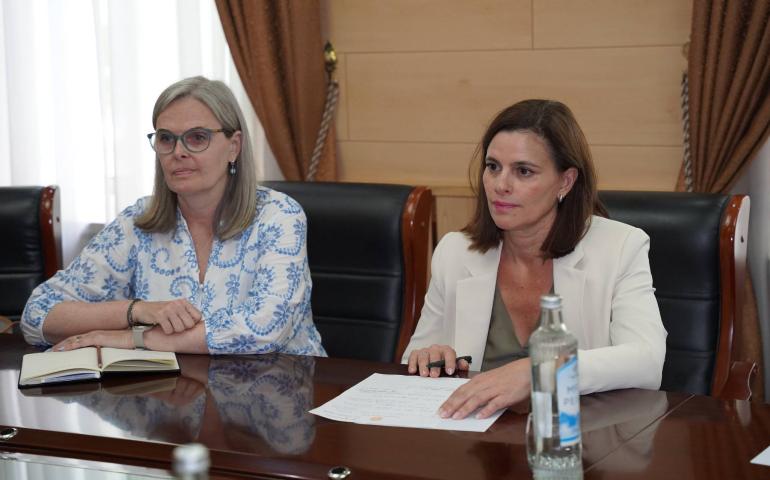
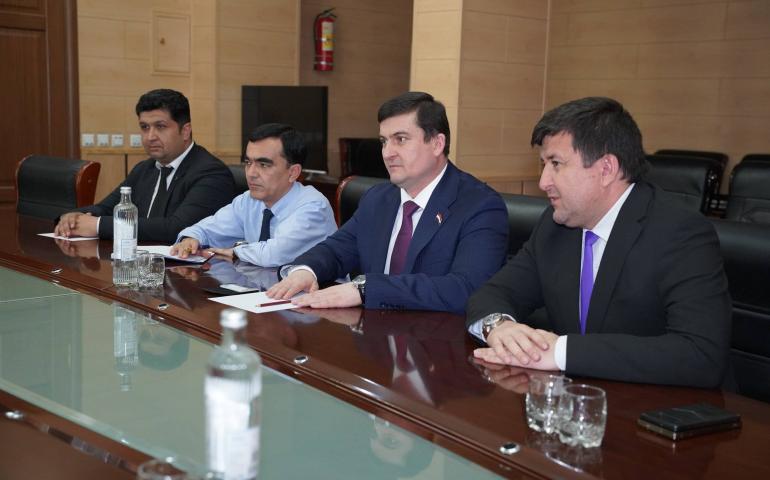
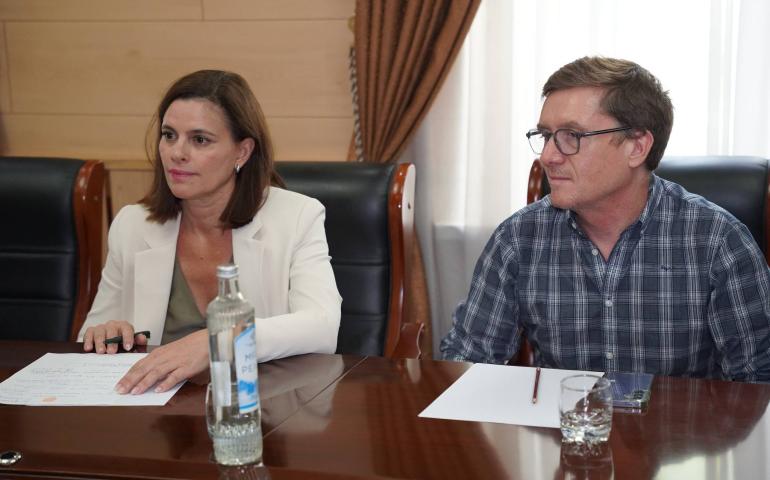
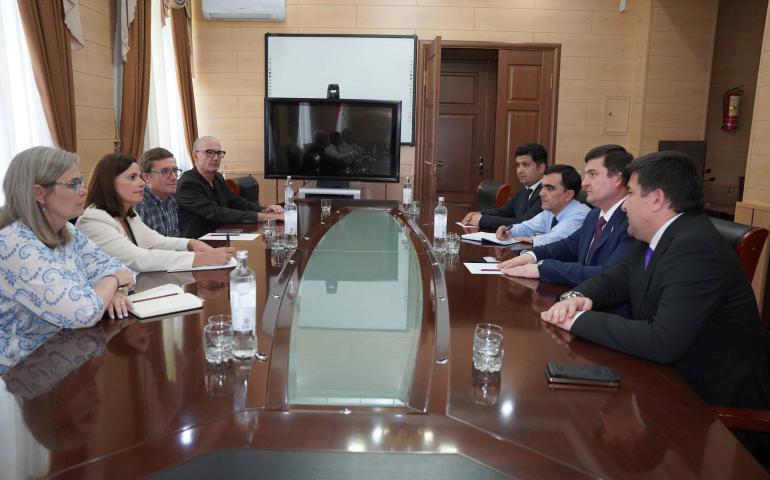
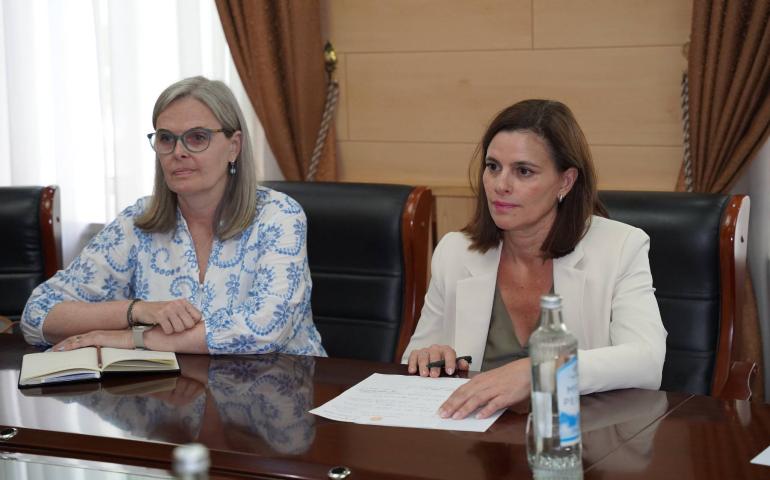
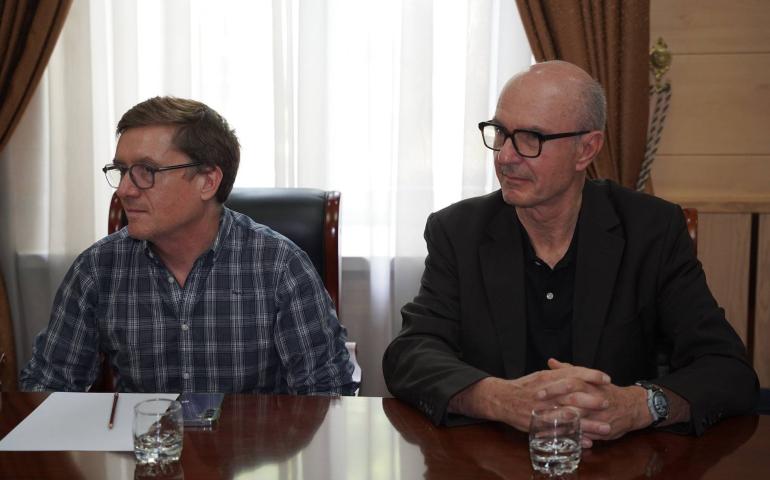
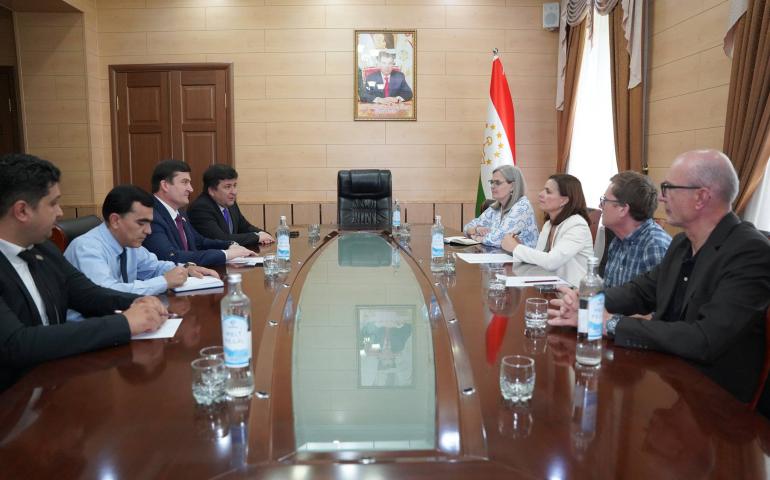
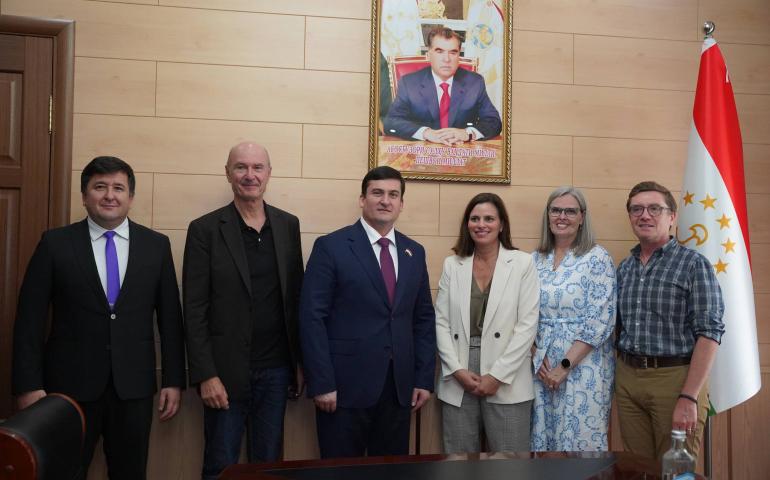
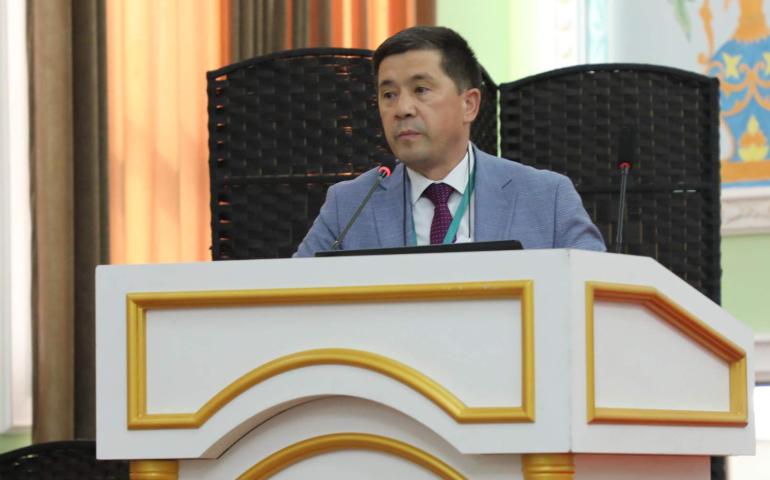
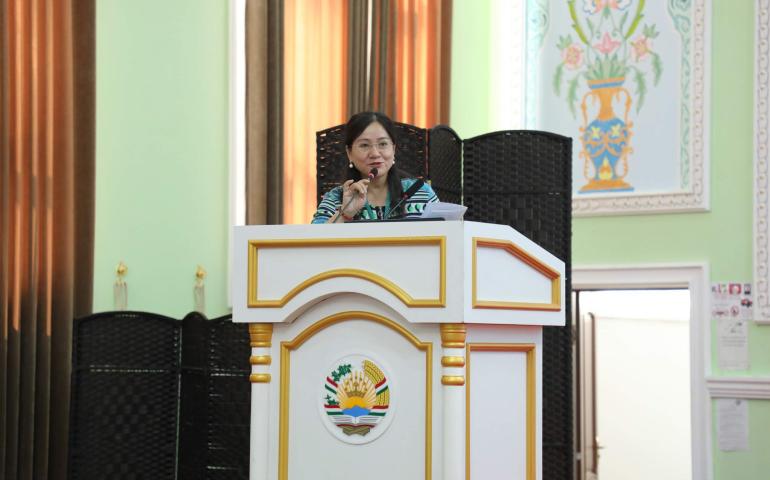
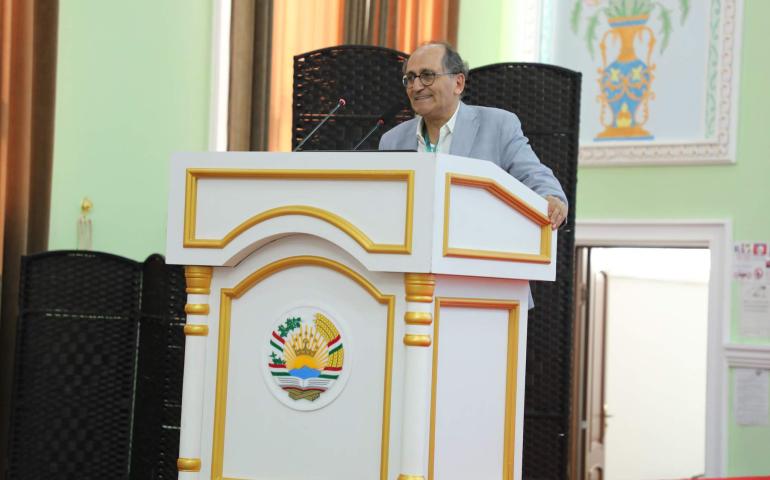
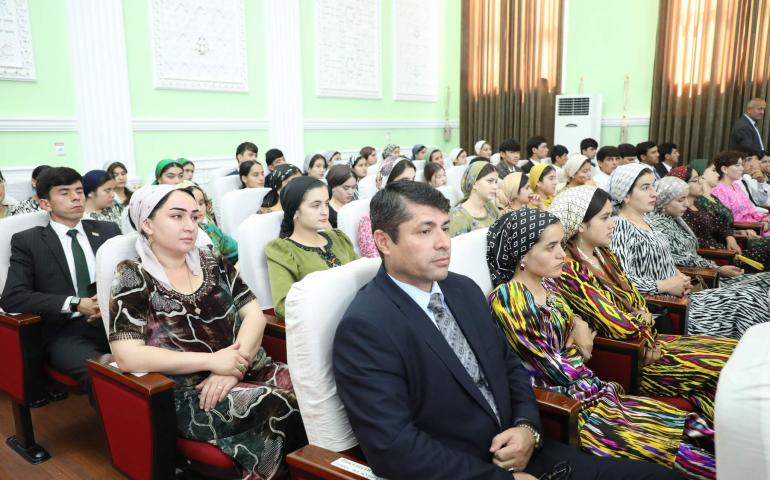
Today, April 8, a meeting was held at the National Academy of Sciences of Tajikistan between the President of the National Academy of Sciences of Tajikistan, Academician Khushvakhtzoda Qobiljon Khushvakht, and representatives of the University of Oxford.
The meeting was attended by the leadership, the Vice President, and the Head of the Department of International Relations, as well as specialists in Persian language and literature from the University of Oxford, including Professor Edmund Herzig, Dr. Farniyaz Zaker, and Ms. Ani Beth-Moses.
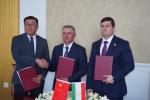
During the meeting, the parties discussed issues related to establishing an agreement between the National Academy of Sciences of Tajikistan and the University of Oxford, expanding research cooperation, exchanging experience among scholars, launching joint educational programs, and implementing international projects.
It was emphasized that cooperation in the study of Persian language and literature, research on cultural heritage, and the development of academic relations can serve the interests of both parties. Particular attention was paid to the training of scientific personnel from among master's and doctoral students, and the parties stressed the need to strengthen cooperation in training highly qualified specialists.
It was noted that attracting talented youth to master's and doctoral programs, organizing exchanges of students and researchers, and creating favorable conditions for conducting joint research can contribute to the further development of science and education and to strengthening the intellectual potential of society.
The parties also agreed to hold joint scientific conferences and seminars in the future, emphasizing that such events can provide a favorable platform for knowledge exchange, presentation of research results, and expansion of scientific cooperation. It was noted that the regular organization of such events will contribute to strengthening academic ties and developing the scientific environment of both sides.
COMMISSIONING OF THE SEISMIC MONITORING CENTER AT THE INSTITUTE OF GEOLOGY, EARTHQUAKE-RESISTANT CONSTRUCTION AND SEISMOLOGY OF NASТ
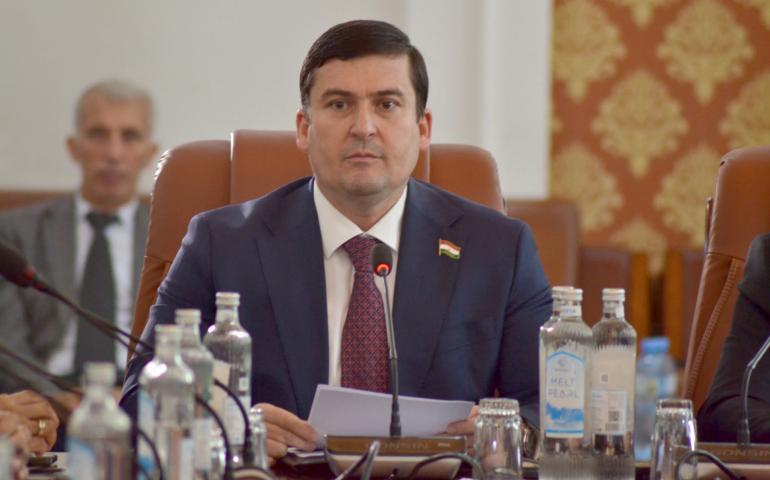
Today, April 2, at the Institute of Geology, Earthquake-Resistant Construction and Seismology of the National Academy of Sciences of Tajikistan, with the participation of the President of the National Academy of Sciences of Tajikistan, Academician Khushvakhtzoda Qobiljon Khushvakht, as well as other scientists and guests, the Seismic Monitoring Center equipped with modern equipment was commissioned.
It was emphasized that the main objective of the Seismic Monitoring Center of the Institute of Geology, Earthquake-Resistant Construction and Seismology of the National Academy of Sciences of Tajikistan is прежде всего the establishment of round-the-clock seismic monitoring, including the recording and processing of all seismic events in Tajikistan in real time (real-time), determination of the coordinates of the earthquake source (epicenter), its depth and magnitude using local hodographs, as well as the creation and maintenance of a seismic database for future scientific research and the training of young technical and scientific personnel.
It was noted that currently two types of seismic stations are used at the Seismic Monitoring Center to record earthquakes and determine their parameters. In particular, broadband digital seismic stations are designed for continuous and accurate recording of a wide range of seismic vibrations (from distant earthquakes to microtremors), and the obtained data are used to determine and assess the seismic regime of various regions of Tajikistan, study the geological structure of the Earth, the activity of tectonic faults, and conduct engineering and geological research.
At the same time, equipment for recording strong seismic vibrations (accelerometers) makes it possible to quantitatively record strong ground motions and structural vibrations during earthquakes. This equipment records the velocity and acceleration of seismic waves in the ground and is used for assessing seismic hazards, analyzing the behavior of buildings, designing earthquake-resistant structures, as well as for early warning of natural disasters, including infrastructure collapse and landslides.
It should be noted that the initiative of the Presidium of the National Academy of Sciences of Tajikistan to establish the Seismic Monitoring Center at the Institute of Geology, Earthquake-Resistant Construction and Seismology is the first in the 75-year history of the Academy and represents an important step toward strengthening research infrastructure and developing seismology in the country. This initiative provides a favorable basis for improving the study and research of seismic processes, ensuring seismic safety, and effective preparedness for emergency situations.
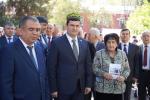
Today, Aprile 1, the International Navruz holiday was celebrated with special grandeur at the National Academy of Sciences of Tajikistan. On this occasion, a festive cultural program was held in the courtyard of the Presidium building of the Academy, where employees and scholars of the research institutions participated with a high festive spirit.
The President of the National Academy of Sciences of Tajikistan, Academician Khushvakhtzoda Qobiljon Khushvakht, once again congratulated all scientists and staff on the International Navruz holiday and noted that the grand celebration of Navruz and its acquisition of international status, along with the revival of other material and spiritual values of our people — the Tajiks — are among the noble initiatives and cultural policy of the Founder of Peace and National Unity — the Leader of the Nation, President of the Republic of Tajikistan, Honorable Emomali Rahmon, which has created favorable conditions for the worthy presentation of our state and nation on the world stage.
It was emphasized that Navruz is considered one of the most ancient and magnificent celebrations of the Tajik people and other peoples of Aryan origin. This holiday has a very ancient history and, according to researchers, dates back more than five to six thousand years. The word “Navruz” consists of two words — “nav” and “ruz”, meaning “new day”, “new beginning”, and “the start of a new life”. Navruz is always celebrated with the arrival of spring and the equalization of day and night. During this time, nature awakens from its winter sleep, trees turn green, flowers bloom, and a new life begins. For this reason, Navruz is a symbol of revival, renewal, hope, and joy for the future.
It was noted that the history of Navruz dates back to very ancient times, to the era of the Aryan civilization. Historical sources and ancient legends state that Navruz was celebrated even during the time of the legendary king Jamshid. According to the legends, after defeating cold and darkness, Jamshid declared the new day as the beginning of the new year, and people celebrated that day with joy and happiness. Since then, this day became known among the people as a blessed and auspicious day and a symbol of the awakening of nature.
It was said that many scholars and historians believe that Navruz is not only a folk celebration but also an important part of the ancient culture of the peoples of the East. In different historical periods, including during the reign of the Achaemenids and the Sassanids, Navruz was celebrated with great ceremonies. Kings organized grand celebrations on this day, gave gifts to the people, and the people congratulated one another with joy.
It was noted that interesting information about Navruz can also be found in the works of many scholars and famous poets and writers of the world. For example, the great Eastern scholar Abu Rayhan Biruni provided valuable information about the origin and traditions of Navruz in his works. Likewise, the great Tajik-Persian poet Abulqosim Ferdowsi mentioned Navruz in his famous work “Shahnameh” as a blessed holiday and a symbol of the victory of light over darkness. In addition, the famous poet and astronomer Omar Khayyam in his work “Navruznama” also referred to the importance of this holiday and considered Navruz as a symbol of the beginning of a new life and the beauty of nature.
It was noted that one of the important traditions of Navruz is the preparation of sumanak. Sumanak is made from sprouted wheat and symbolizes abundance and prosperity in life. The preparation of sumanak usually lasts throughout the night. During this ritual, women and girls gather together and cook this symbolic dish with songs and joy. This custom is considered one of the beautiful traditions of Tajik culture and has been preserved to this day in all regions of Tajikistan. Along with sumanak, decorating the Navruz festive table is also considered one of the ancient traditions. The Navruz table is decorated with festive dishes of “haft sin” and “haft shin” and household items. Each of these dishes and items has its own symbolic meaning and represents prosperity and abundance in life.
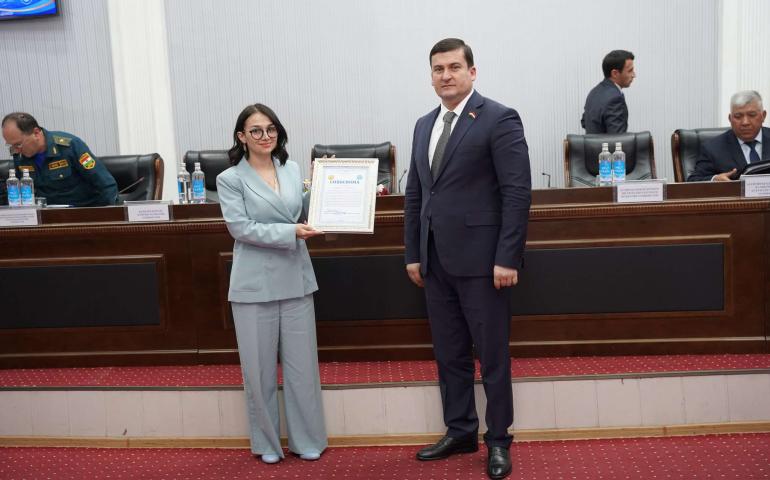
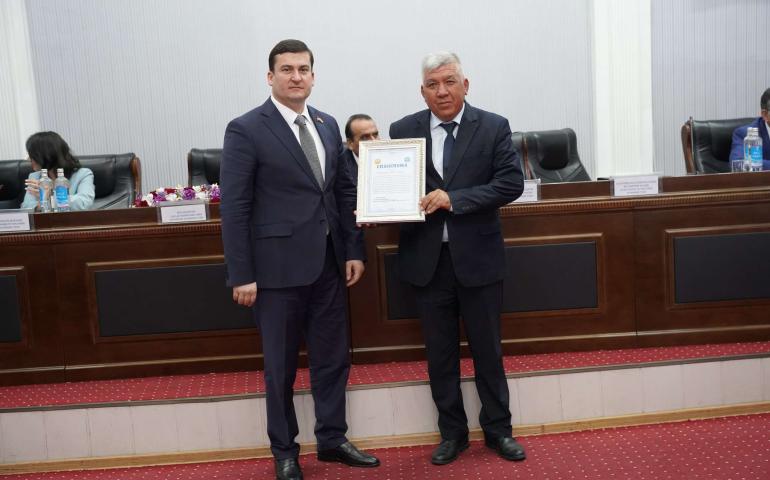
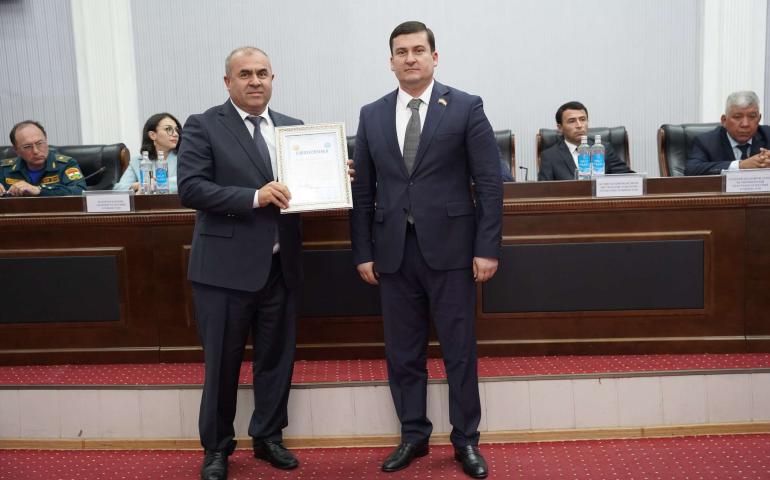
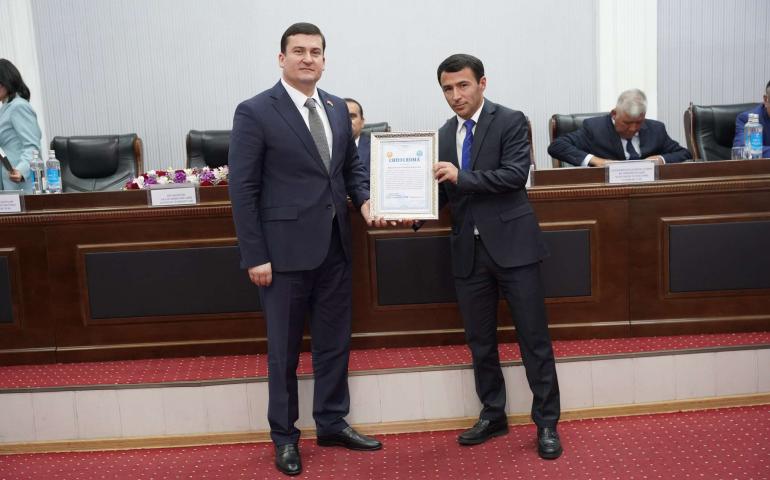
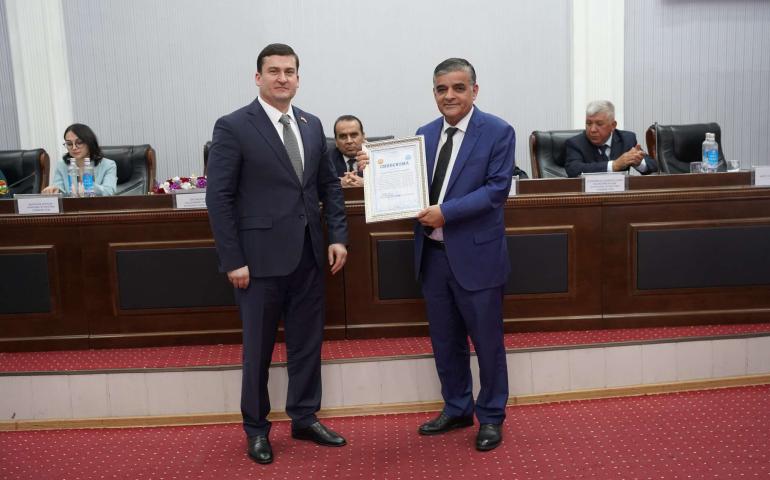
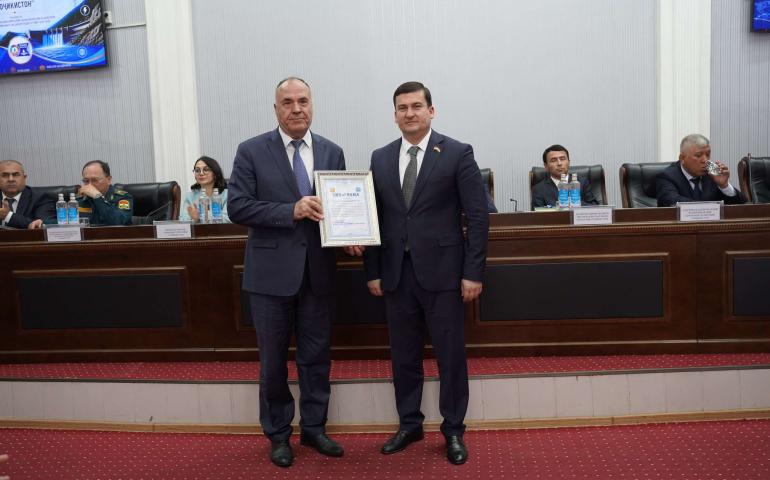
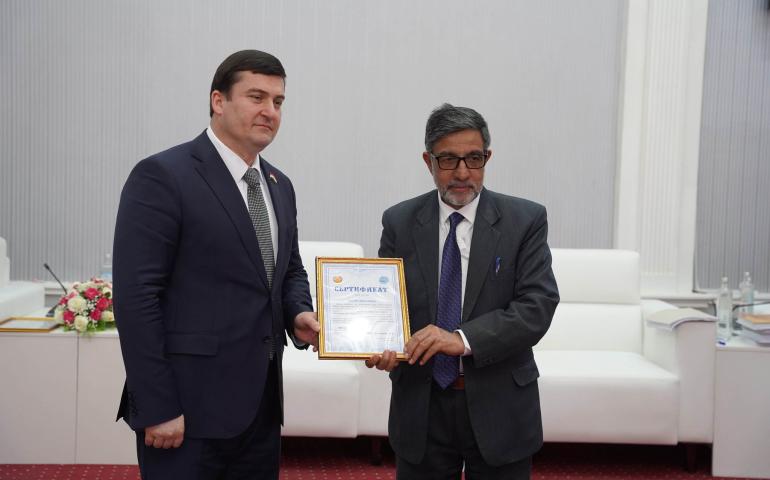
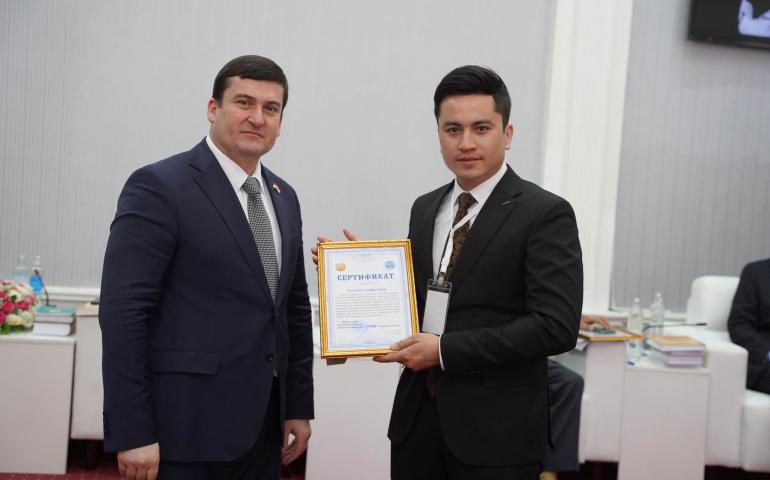
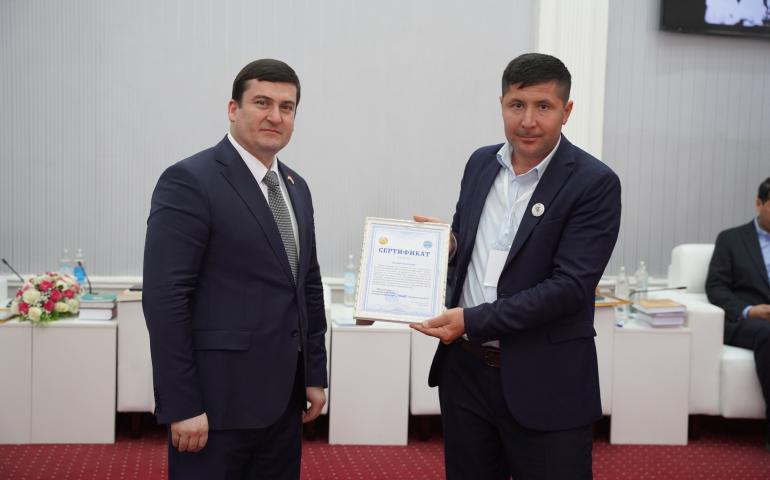
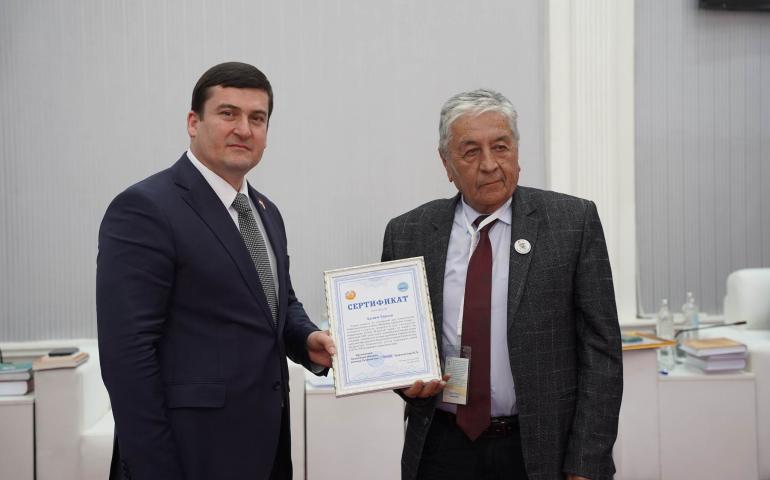
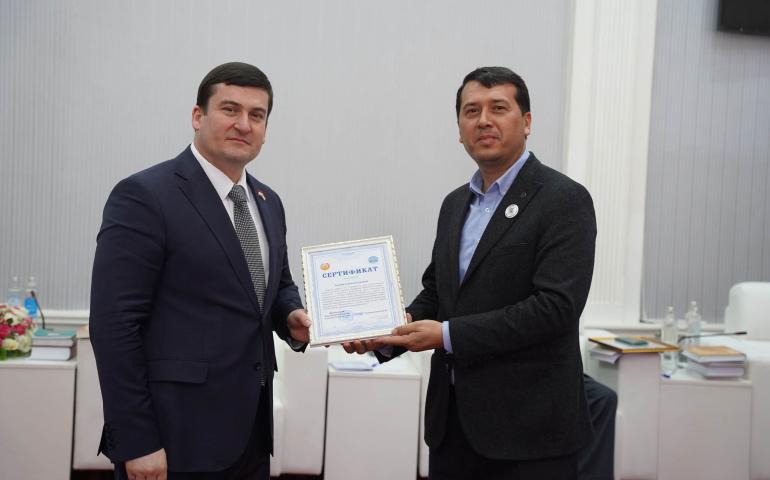
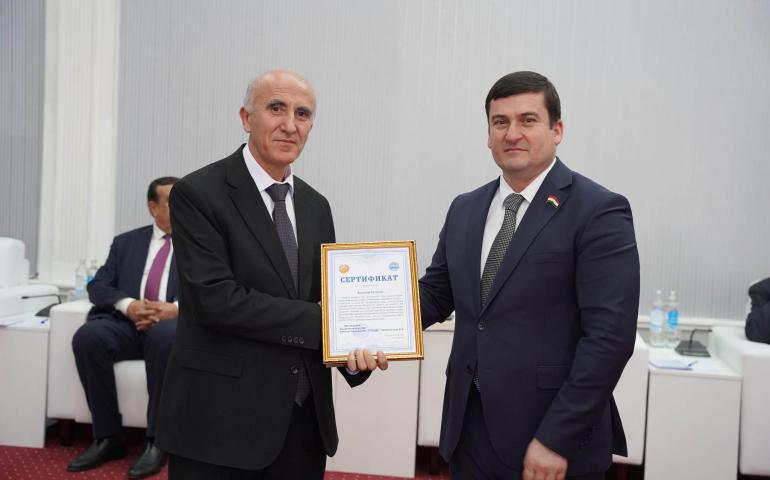
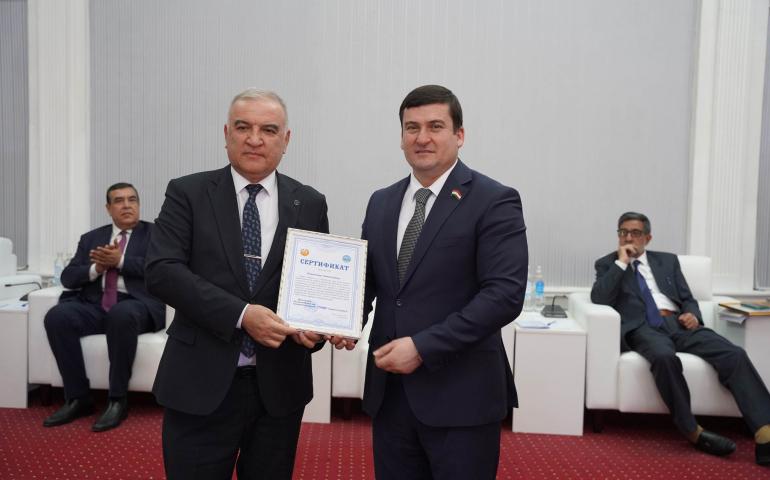
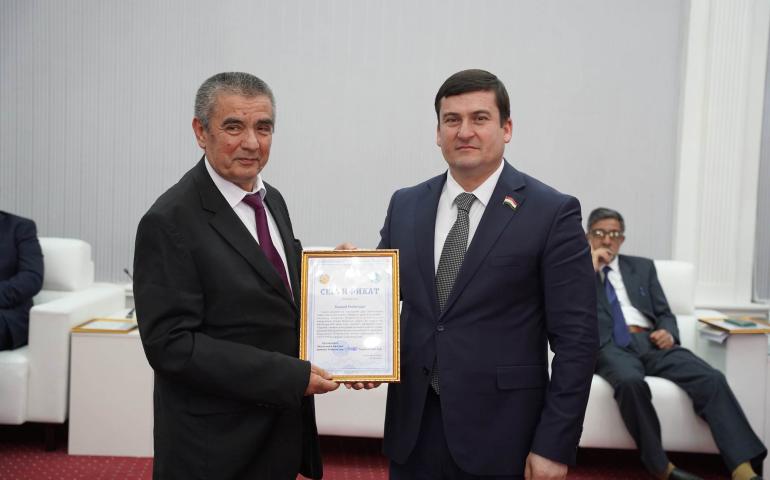
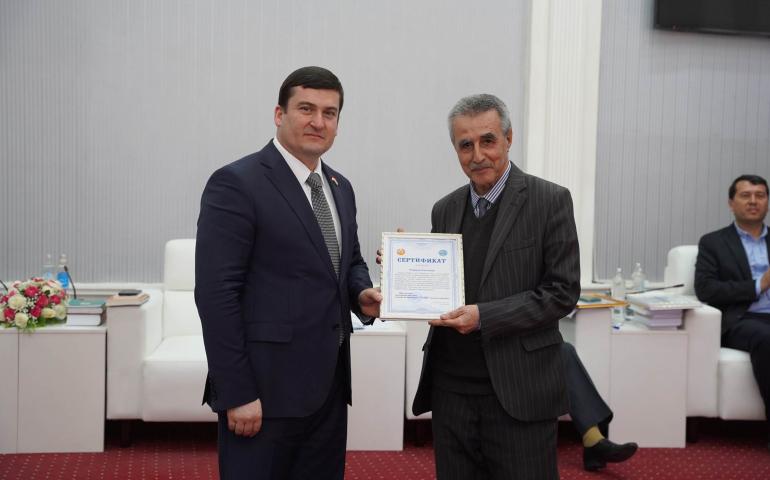
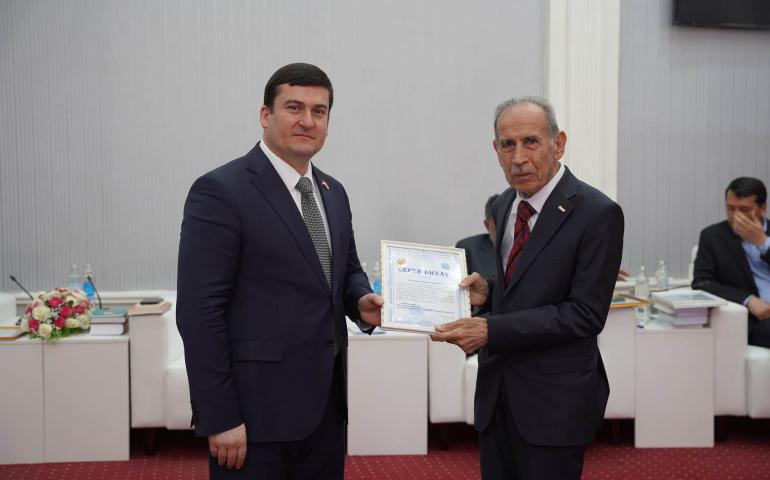
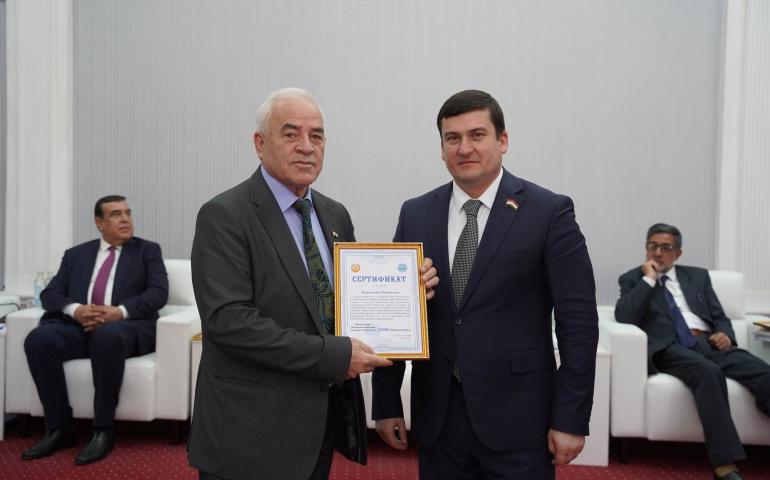
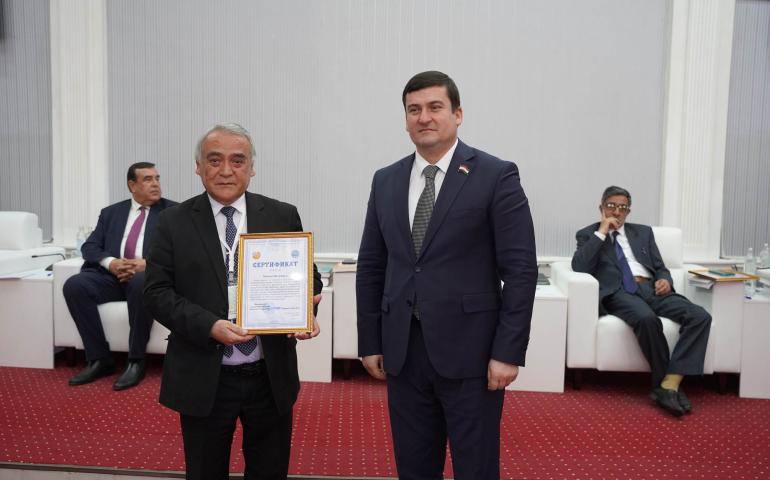
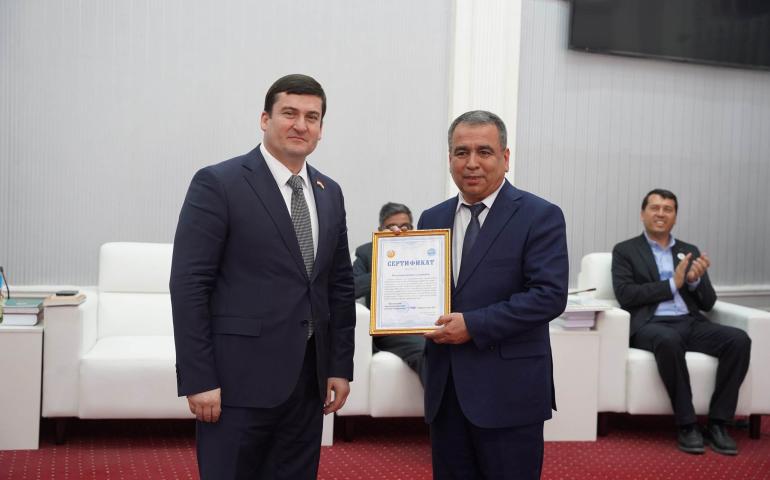
During the continuation of the event dedicated to the International Navruz holiday, the winners of sports competitions, who demonstrated high skill, strong will, and sports spirit, were awarded commemorative gifts and certificates of appreciation. At the same time, two activists were awarded the badge “Excellent Worker of Education” and the Certificate of Honor of the Ministry of Education and Science of the Republic of Tajikistan for their valuable contribution to the development of the education sector.
Then, at the festive event, well-known artists of the republic performed and delighted the audience with their colorful songs.
VISIT TO THE NAVRUZ FESTIVE TABLE OF THE RESEARCH INSTITUTIONS OF THE NATIONAL ACADEMY OF SCIENCES OF TAJIKISTAN
Today, on Aprile 1, in honor of the International Day of Navruz, a traditional Navruz festive table was arranged in the courtyard of the Presidium building of the National Academy of Sciences of Tajikistan by the scholars and staff of the Academy’s research institutions, observing national customs and traditions, including the symbolic “Haft-Sin” and “Haft-Shin”.
During the visit, the leadership of the National Academy of Sciences of Tajikistan, along with scholars and staff members, viewed the Navruz festive tables prepared by the research institutions and became closely acquainted with their arrangement, Navruz traditions, and the examples of national art and culture presented by each institution.
It was emphasized that Navruz, as an ancient celebration and a symbol of the revival of nature, peace, friendship, and unity among peoples, holds a special status and, during the years of State Independence, under the culture-supporting policy of the Leader of the Nation, His Excellency Emomali Rahmon, has gained even greater respect and recognition.
It was also noted that arranging the Navruz festive table is considered one of the ancient traditions of the Tajik people and symbolizes abundance, purity, kindness, and the beginning of the new agricultural year. In this regard, the staff of the Academy’s research institutions, showing respect for the cultural heritage of their ancestors and the national traditions of the Tajik people, decorated the Navruz tables with special skill and a distinctive national style, presenting traditional dishes, sweets, and various symbolic products.
The event was held in a warm and friendly atmosphere and once again demonstrated the respect and appreciation of the scholars and staff of the research institutions for national values, the rich culture, and the noble traditions of the Tajik people.
Such initiatives, along with strengthening national self-awareness, also contribute to the presentation of ancient Navruz traditions and the preservation and promotion of national culture.
CONFERENCE: “RESEARCH IN THE HISTORY AND CIVILIZATION OF THE ARYANS: PAST AND PRESENT
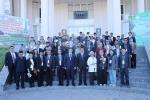
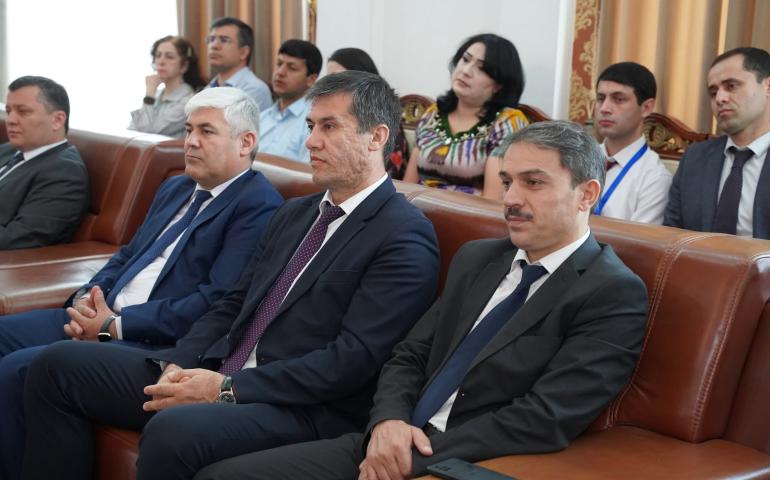
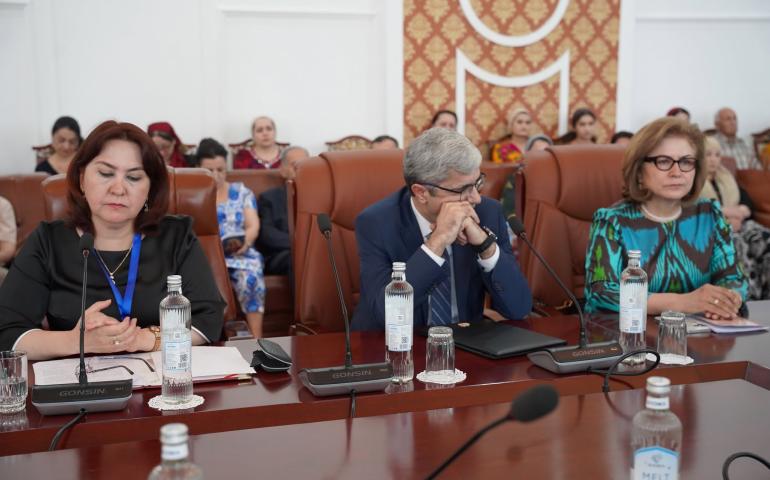
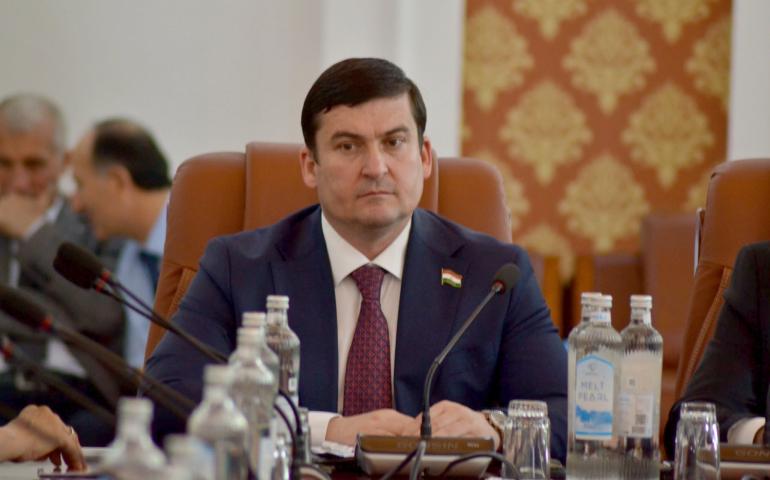
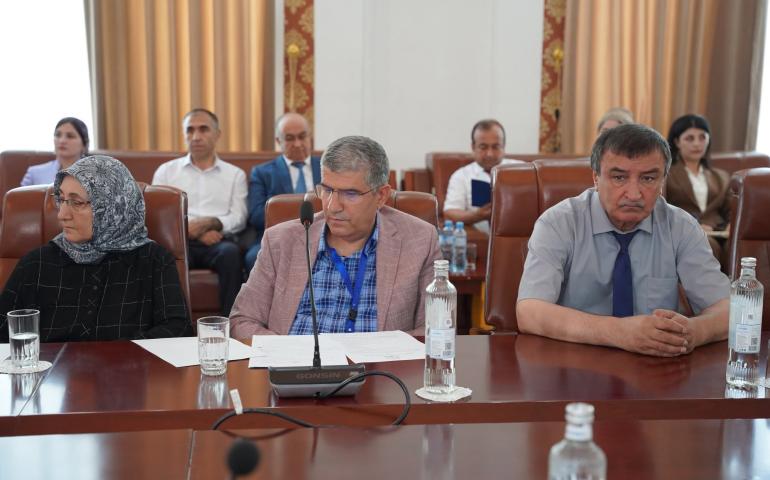
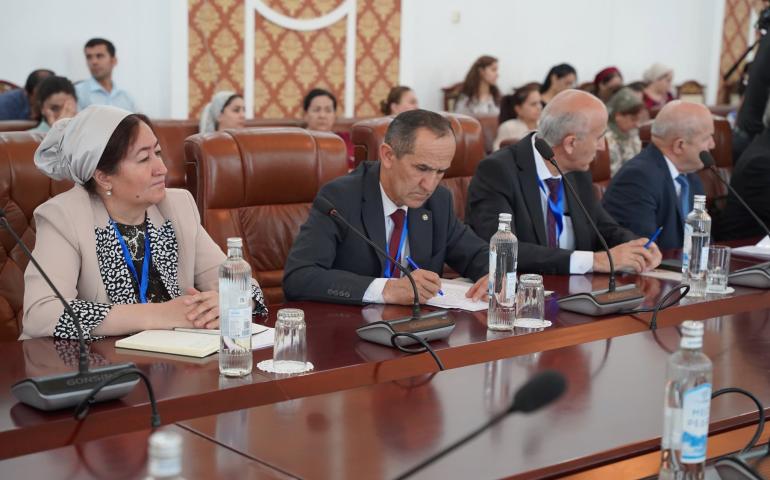
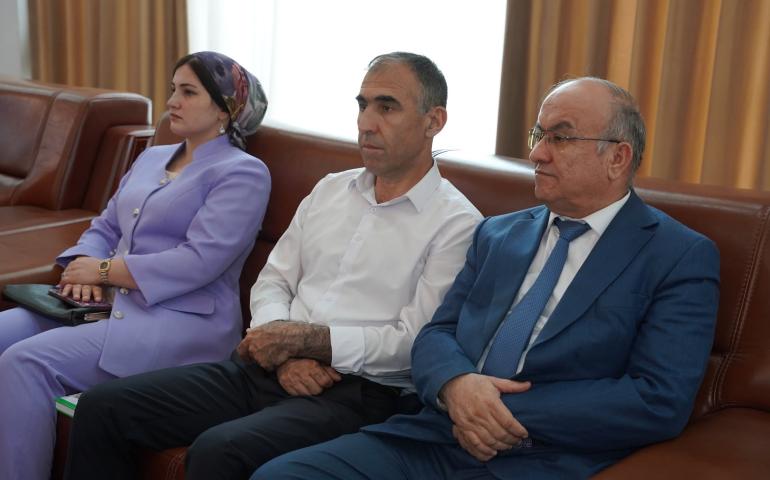
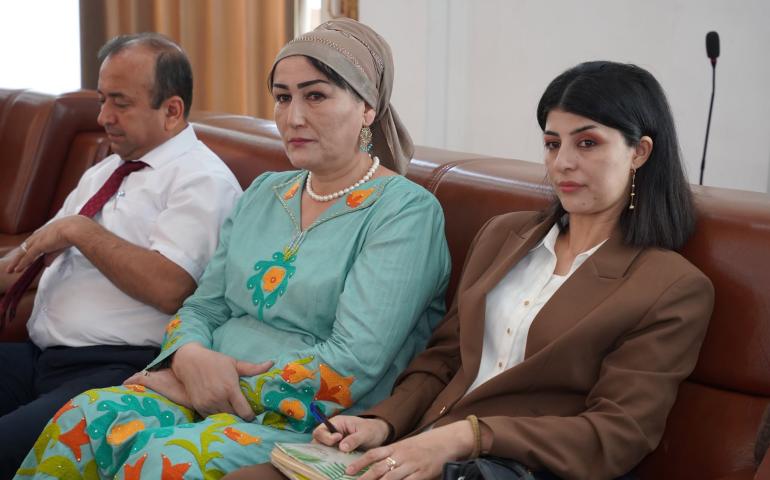
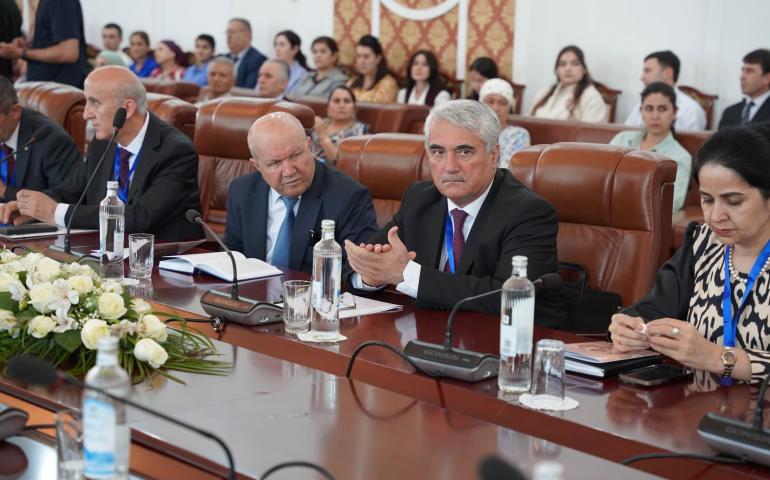
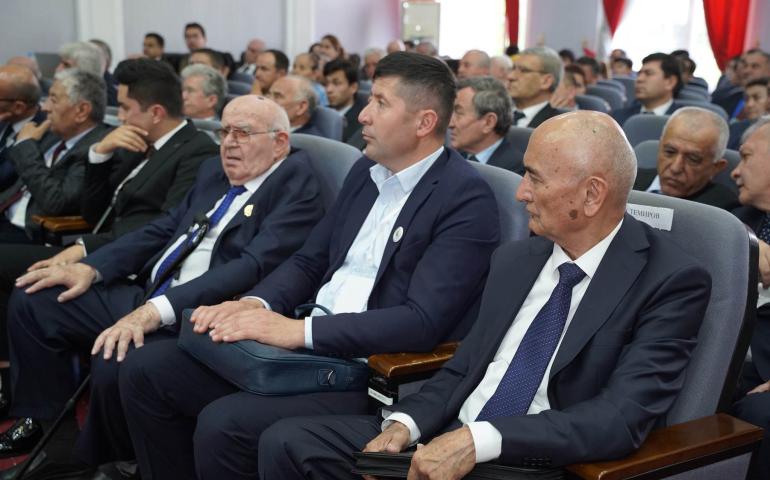
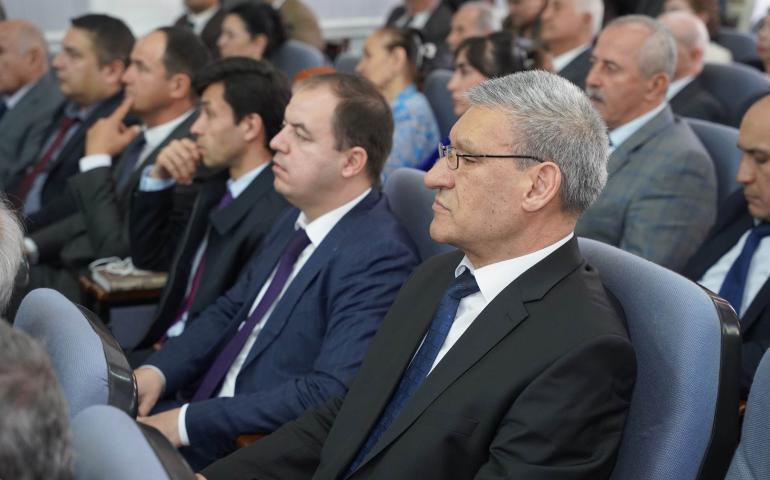
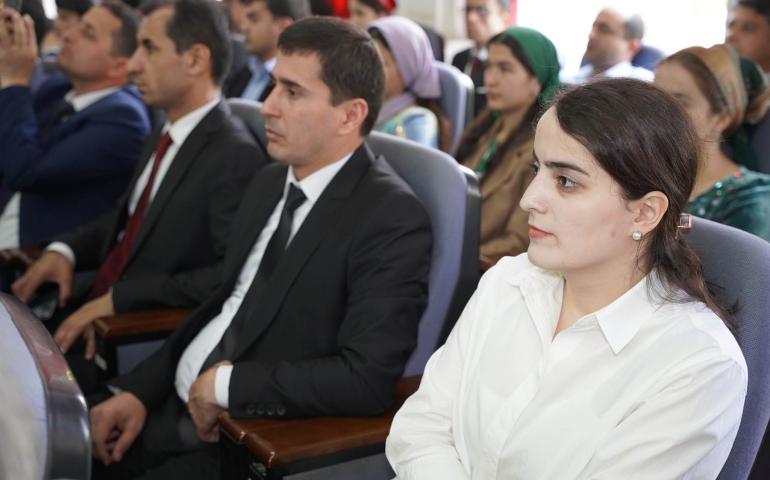
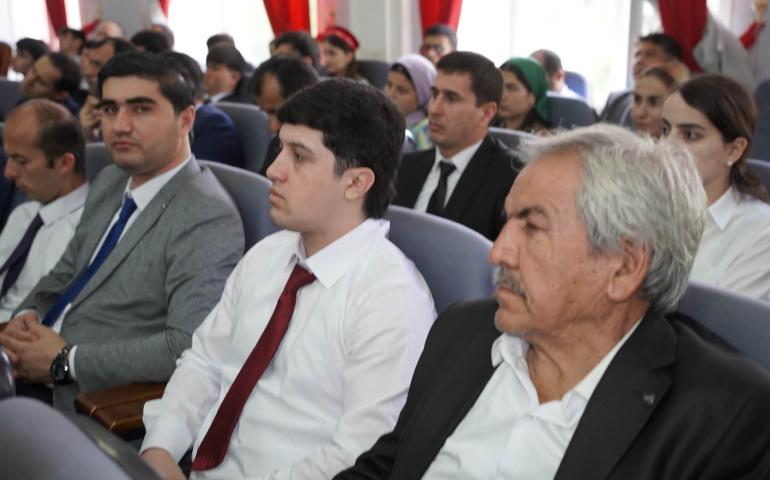
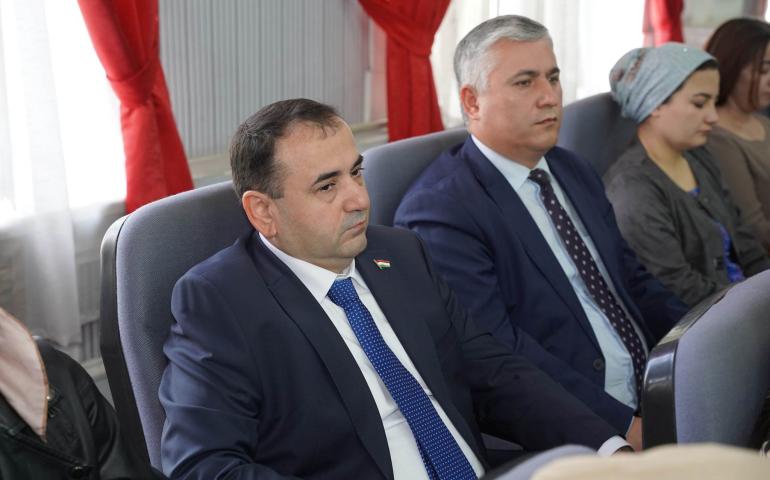
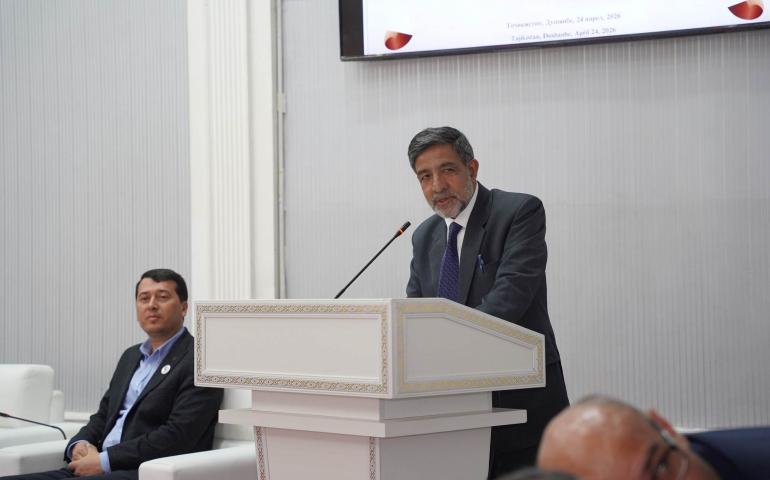
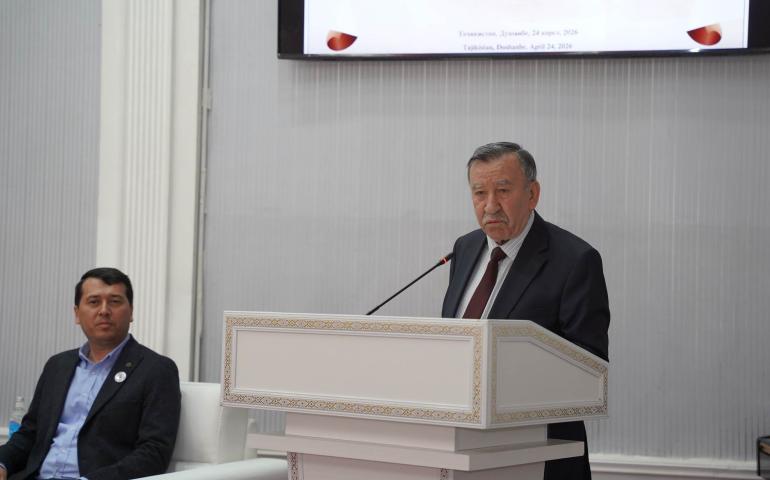
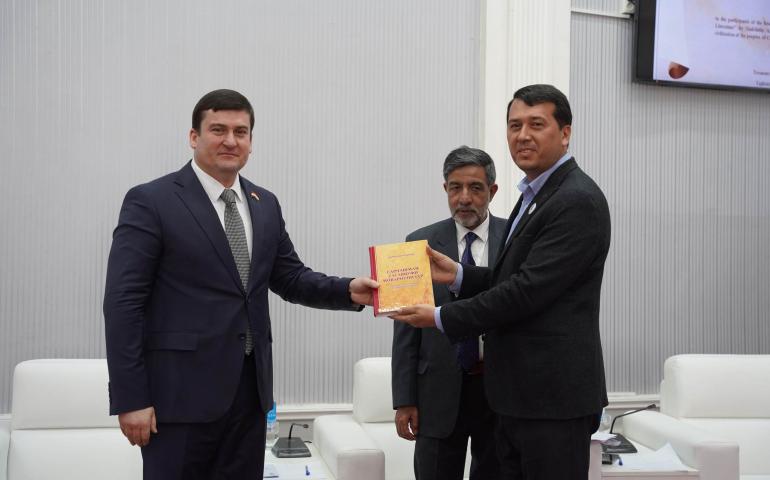
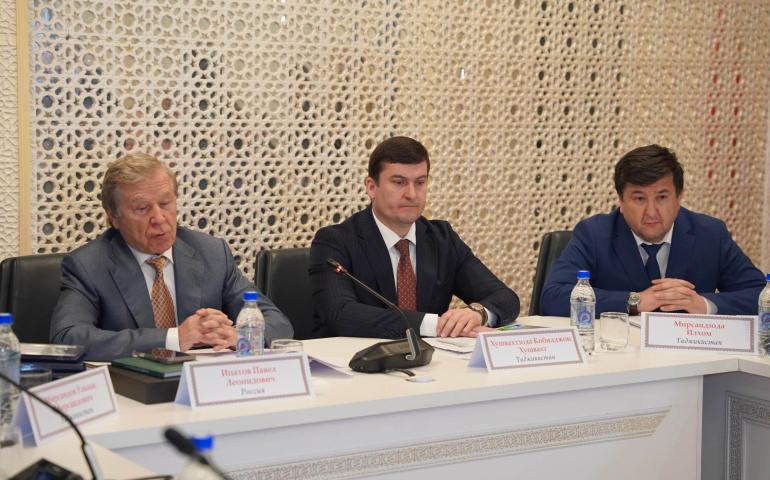
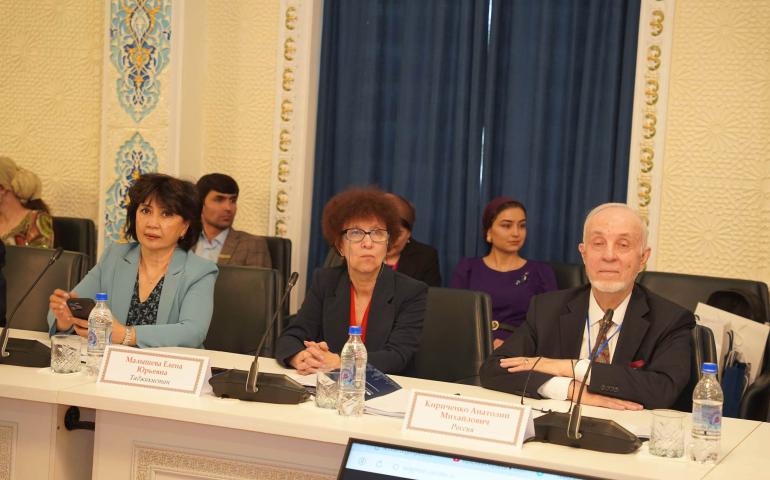
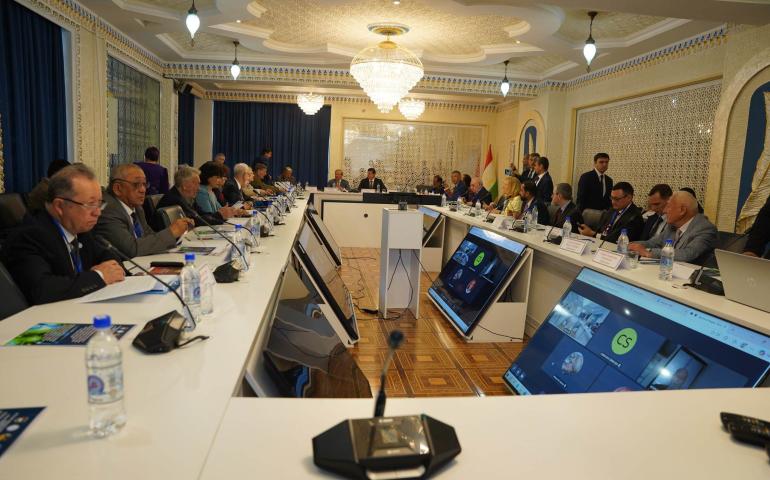
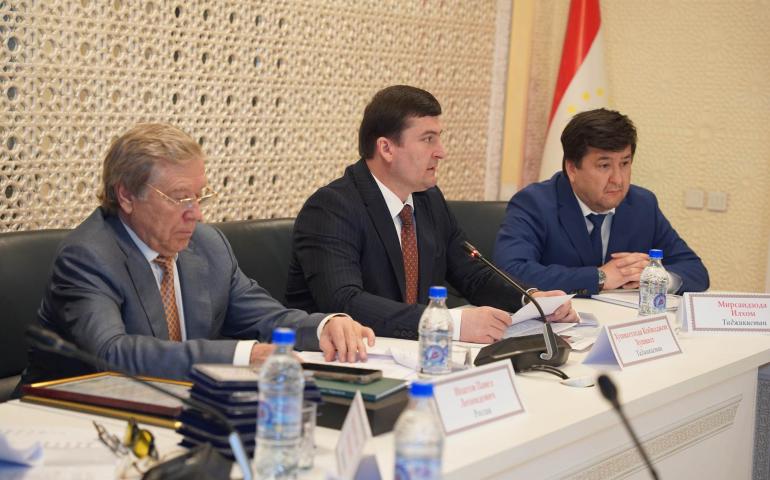
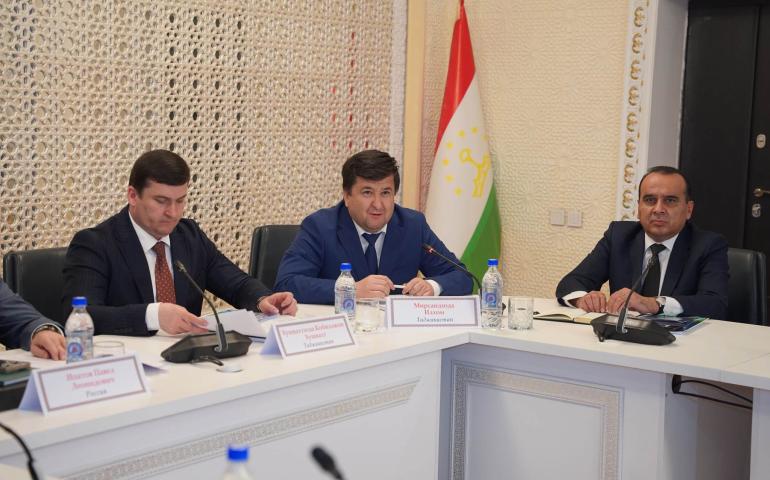
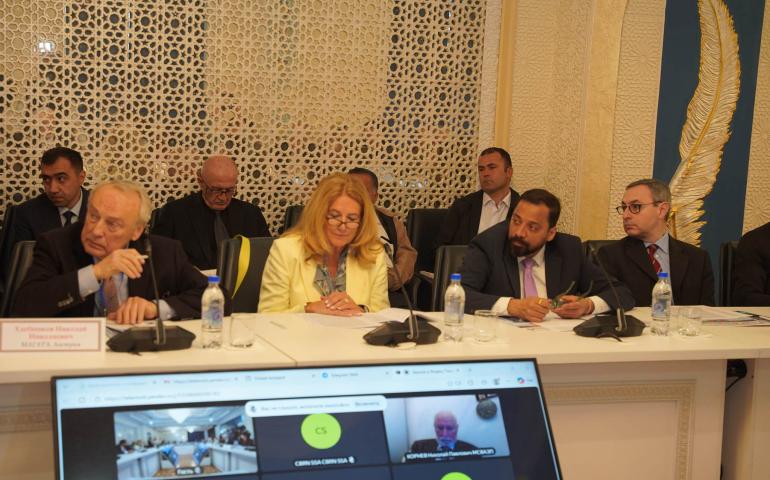
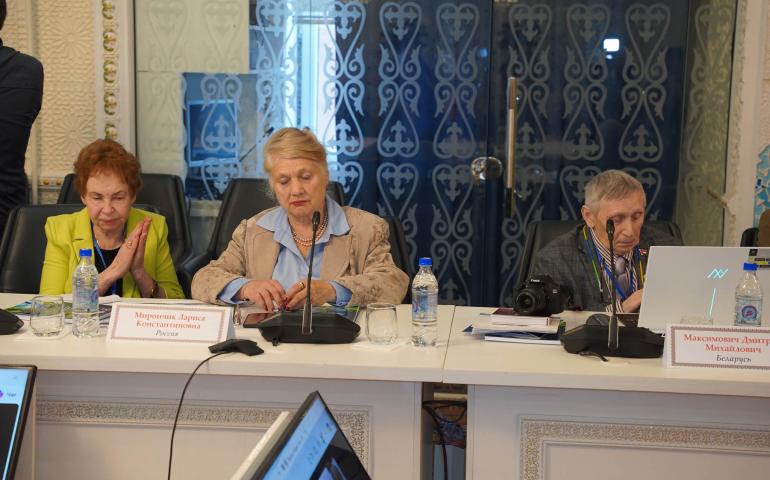
”Today, on March 19, an international scientific and practical conference titled “Research in the History and Civilization of the Aryans: Past and Present” was held in the hall of the Presidium of the National Academy of Sciences of Tajikistan.
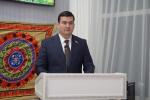
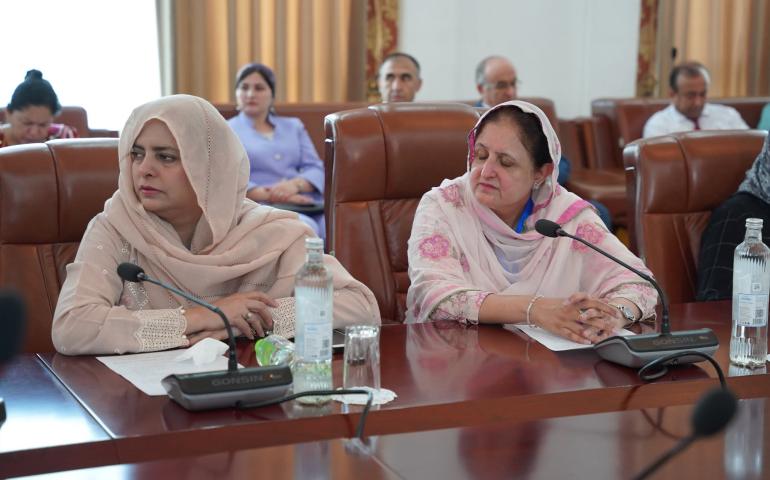
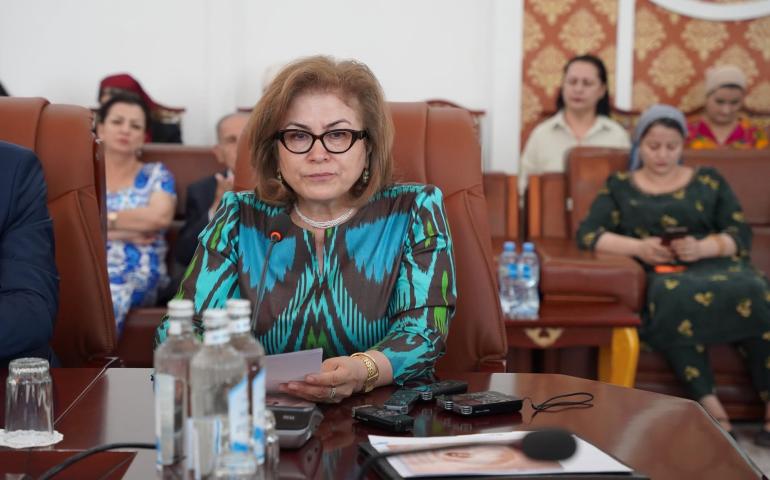
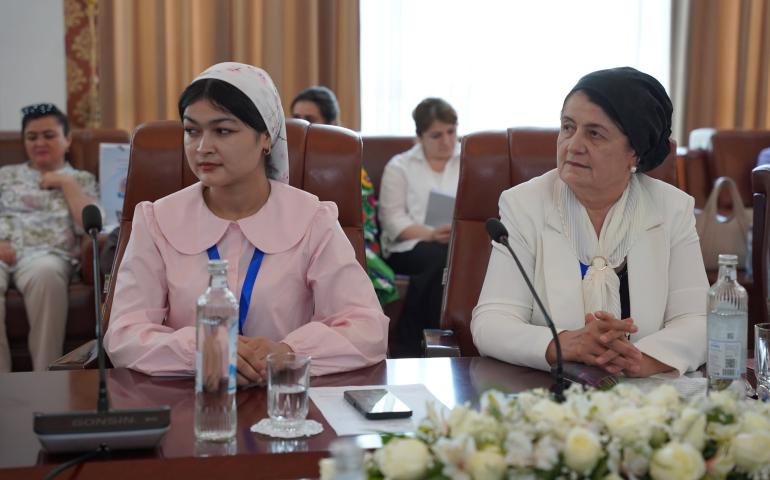
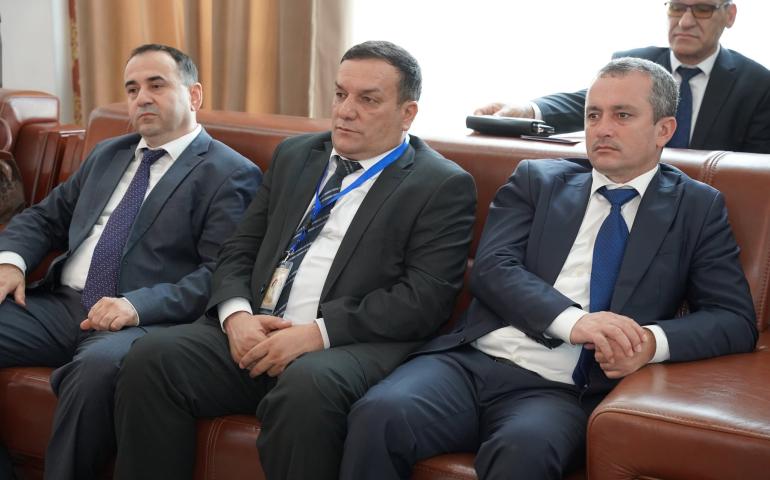
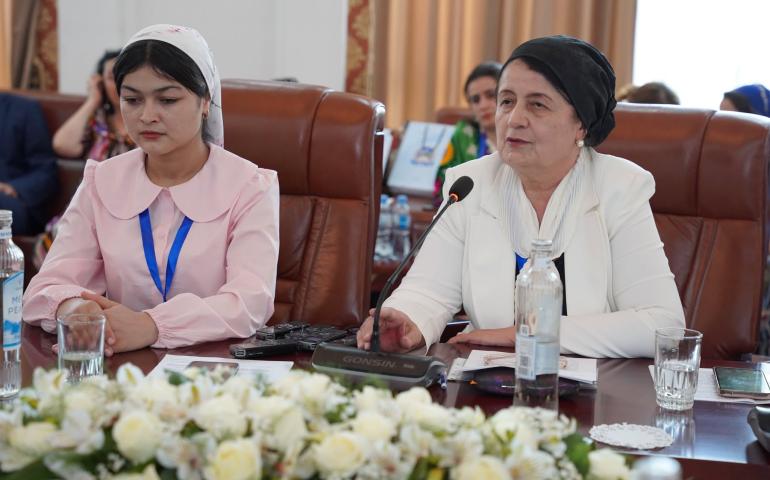
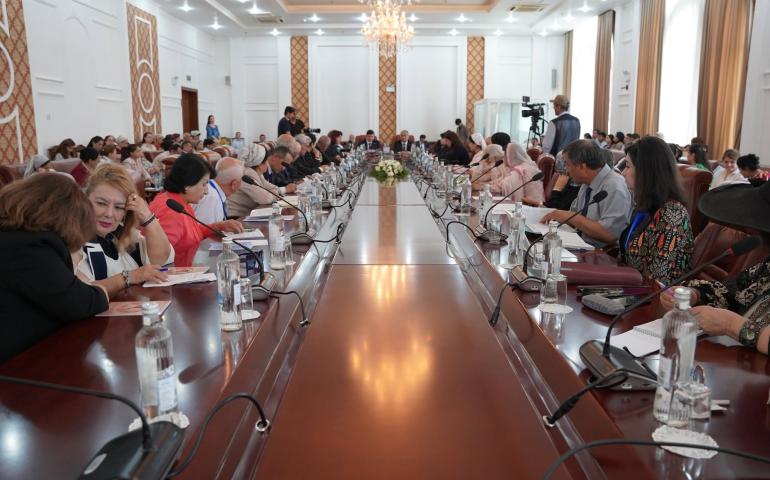
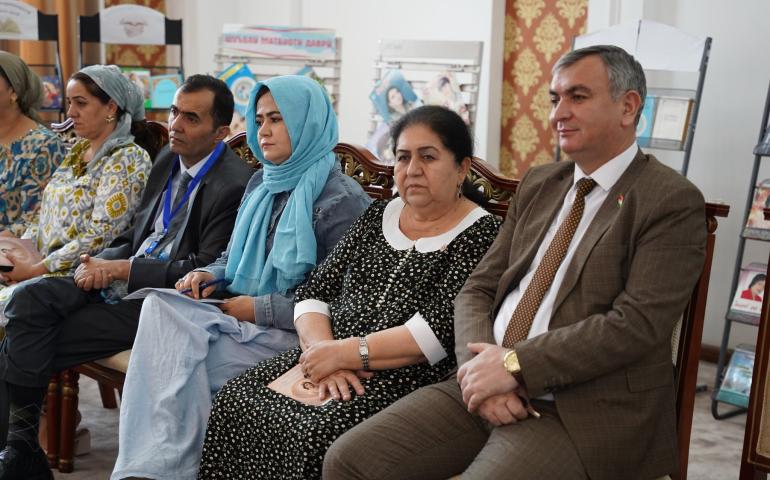
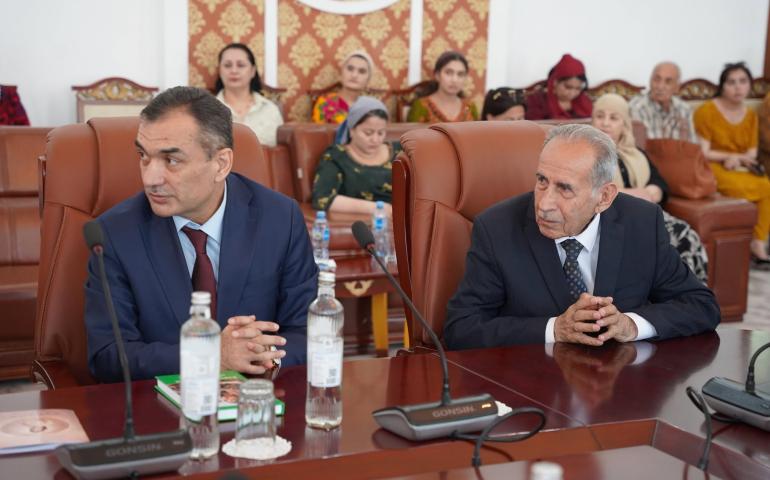
The conference was organized in connection with the proposals of the Founder of Peace and National Unity — Leader of the Nation, President of the Republic of Tajikistan Emomali Rahmon, regarding the establishment of the Center for Aryan Civilization and the International Navruz Center in the city of Dushanbe. Representatives of the Executive Office of the President of the Republic of Tajikistan, the leadership of the National Academy of Sciences, scholars and researchers, Persian-speaking intellectuals from Navruz-celebrating countries, as well as representatives of the Society for Friendship and Cultural Relations of Tajikistan with Foreign Countries participated in the conference and delivered speeches.
In his opening remarks, the President of the National Academy of Sciences of Tajikistan, Academician Kobiljon Khushvakhtzoda, emphasized that in his recent address to the nation the President of the Republic of Tajikistan E. Rahmon proposed the establishment of the Center for Aryan Civilization and the International Navruz Center in Dushanbe. According to him, this initiative once again demonstrates the continuous attention of the country’s leadership to the revival, research, and promotion of the historical and cultural values of the Tajik people and the ancient Aryan civilization.
It was noted that the Aryan civilization is one of the oldest civilizations in human history and has played a fundamental role in the formation of culture, language, worldview, social systems, and spiritual values of many peoples. Studies in history, archaeology, linguistics, anthropology, and cultural studies confirm that Central Asia, including the territory of present-day Tajikistan, is one of the main centers of the formation of Aryan civilization. The Tajik language, as a continuation of ancient Aryan languages such as Avestan, Pahlavi, Sogdian, and Bactrian, serves as a living testimony to this historical continuity.
Participants emphasized that the establishment of the Center for Aryan Civilization would create a solid scientific foundation for systematic and continuous research into this significant heritage. Such a center could become an interdisciplinary institution where comprehensive research on the history of civilization, migration, state formation, legal systems, religion, philosophy, and both material and intangible culture of the Aryan peoples would be conducted.
According to the speakers, the center could unite domestic and international scholars and transform Tajikistan into an important international platform for Aryan studies.
It was also stressed that the establishment of the Center for Aryan Civilization would contribute significantly to strengthening national self-awareness. In the context of globalization, where processes of cultural homogenization threaten the diversity of civilizations, studying and promoting the historical roots of a nation plays an important protective role.
During the conference, Senior Adviser of the Assistant to the President of the Republic of Tajikistan for Social Development and Public Relations Masrur Abdullozoda highlighted that studying and promoting Aryan civilization is essential for strengthening national identity, expanding scientific cooperation, and encouraging intercultural dialogue.
Deputy Chairman of the Society for Friendship and Cultural Relations of Tajikistan with Foreign Countries Ibrohim Abdullozoda also noted that the study and promotion of Aryan civilization contributes to strengthening cultural ties among the countries of the Navruz cultural area. Shared cultural values and traditions, he stated, can serve as an important basis for friendship, mutual understanding, and the development of scientific and cultural cooperation among peoples.
During the conference, all the scholars and researchers from various countries expressed their support for the initiative of the President of Tajikistan to establish the Center for Aryan Civilization and the International Navruz Center in Dushanbe, emphasizing the importance of such institutions for the study, preservation, and international promotion of Aryan cultural heritage.
The participants also noted that the establishment of these centers could create favorable conditions for expanding scientific and cultural cooperation and strengthening friendly relations among the countries of the Navruz cultural sphere.
MEETING WITH THE VICE PRESIDENT OF THE JAPAN INTERNATIONAL COOPERATION AGENCY (JICA)
Today, January 26, a meeting was held at the Academy of Sciences of Tajikistan between the President of the Academy of Sciences of Tajikistan, Academician Khushvakhtzoda Qobiljon Khushvakht, and the Vice President of the Japan International Cooperation Agency (JICA), Yoshikawa Yoshifumi.
During the meeting, the parties exchanged views on expanding scientific and research cooperation, implementing joint educational and training projects, as well as sharing international experience in the fields of exact and natural sciences. The participants also discussed issues related to climate change, environmental protection, and other global challenges, along with prospects for conducting joint scientific research and implementing strategic projects in these areas.
In addition, the meeting addressed the development of cooperation between Tajikistan and Japan in the field of green energy, geothermal technologies, and the implementation of new projects in this sector. Special attention was given to the training of specialists in renewable energy and innovative technologies.
The President of the National Academy of Sciences of Tajikistan, Academician Khushvakhtzoda Qobiljon, emphasized the importance of strengthening scientific ties and strategic cooperation, highlighting the critical role of green energy and international partnerships in addressing global challenges.
For his part, the Vice President of the Japan International Cooperation Agency (JICA), Mr. Yoshifumi Yoshikawa, highly praised the Academy’s achievements in advancing science and implementing important environmental projects in Tajikistan. He also expressed JICA’s readiness to support new initiatives, joint research projects, and the training of young specialists in the fields of green energy and geothermal technologies.
At the conclusion of the meeting, both sides reaffirmed their commitment to continuing mutually beneficial cooperation and further developing Tajikistan’s scientific and energy sectors.
Today, the Chairman of the Majlisi milli of the Majlisi Oli of the Republic of Tajikistan, Chairman of the city of Dushanbe, Honourable Rustam Emomali, held a meeting with a number of archaeologists, historians, cultural experts, and other representatives
Today, the Chairman of the Majlisi milli of the Majlisi Oli of the Republic of Tajikistan, Chairman of the city of Dushanbe, Honourable Rustam Emomali, held a meeting with a number of archaeologists, historians, cultural experts, and other representatives of science and literature.
During the meeting was discussed the issue of establishing a Complex for the revival of historical memory and the strengthening of national identity in the city of Dushanbe. The participants welcomed the new initiative of Honourable Rustam Emomali and expressed their opinions and proposals on the matter.
@RustamEmomali
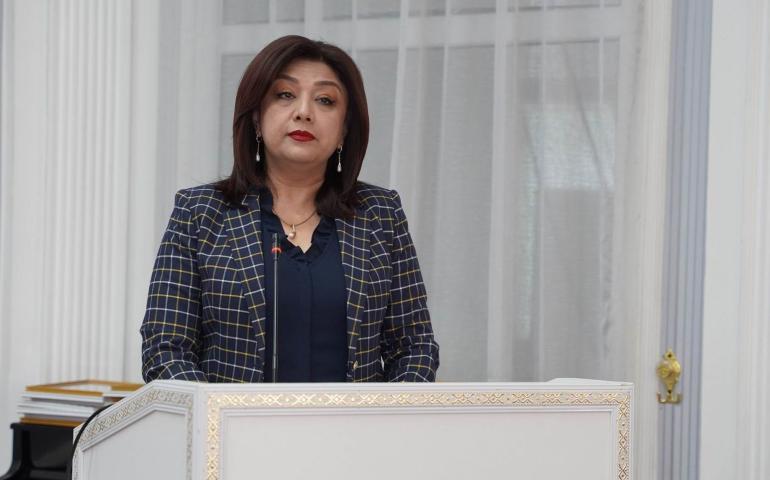
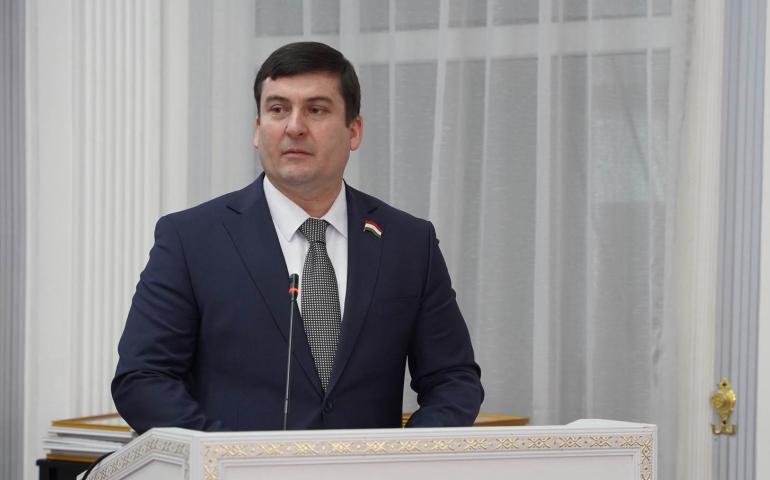
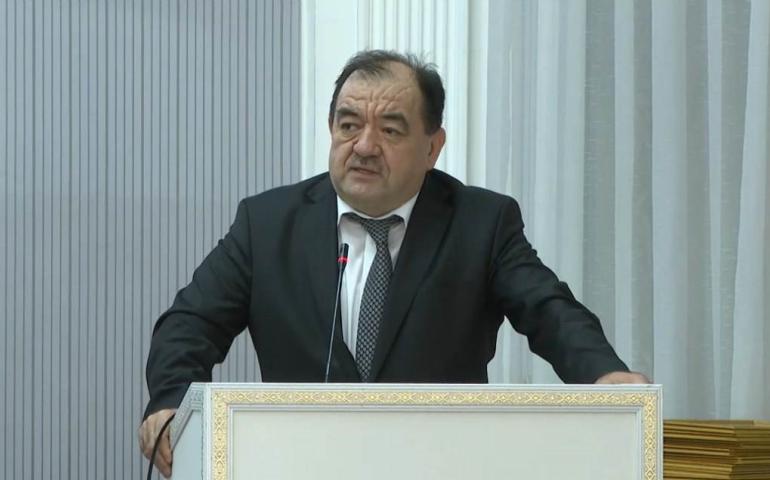
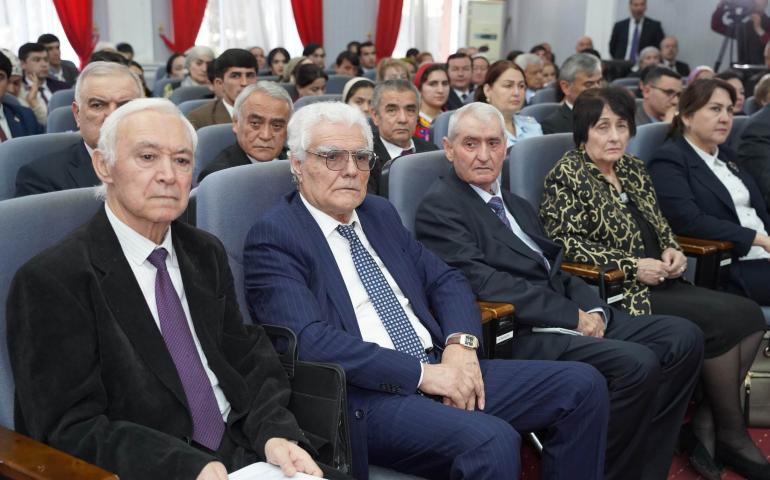
ELECTION OF HONORARY AND FOREIGN MEMBERS OF THE NATIONAL ACADEMY OF SCIENCES OF TAJIKISTAN IN 2025


In 2025, by decision of the General Assembly of the National Academy of Sciences of Tajikistan, 11 scholars and prominent figures from foreign scientific institutions were elected as foreign members of the National Academy of Sciences of Tajikistan.
In recognition of their significant contribution to the development of science, strengthening international scientific relations, expanding research cooperation, and supporting joint scientific initiatives, Academician of the Academy of Sciences of the Republic of Uzbekistan Kalandar Abdurakhmonov, President of the Russian Academy of Sciences Gennady Yakovlevich Krasnikov, Head of the Information Department of the Executive Authorities of Shuozhou City of the People’s Republic of China Wu Bao Hua, as well as Zhanseit Kanseitovich Tuymebaev, Nasrullo Abdulloevich Shonazarov, Khojiakbar Aisa, Rahom Asha, Fumiaki Inagaki, Daizo Ishiyama, Ilya Raskin, Xinbo Gao and others were elected as foreign members of the National Academy of Sciences of Tajikistan.
The election of foreign members reflects the recognition of the high level of scientific activity of these individuals and at the same time demonstrates the growing prestige and international standing of the National Academy of Sciences of Tajikistan. The membership of foreign scholars provides a solid foundation for expanding scientific cooperation, exchanging experience, implementing joint projects, and advancing fundamental and applied research.
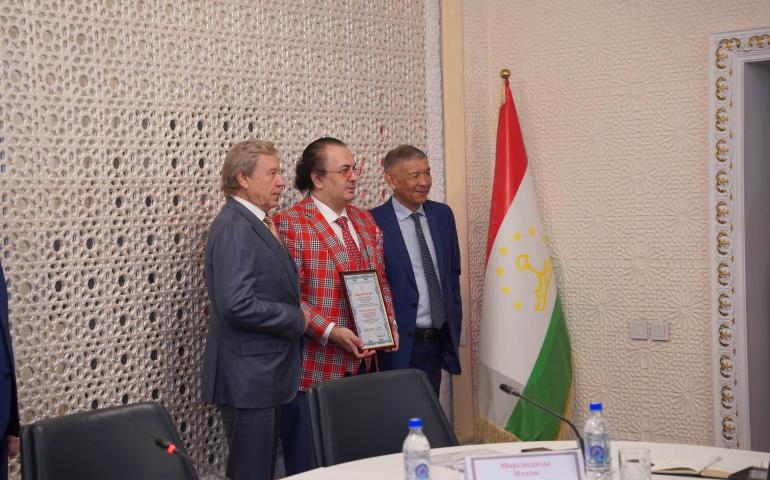
Furthermore, for the first time in the history of science, the People’s Artist of the Tajik SSR, master actor Hashim Gadoev, was elected an honorary member of the National Academy of Sciences of Tajikistan for his outstanding services in the development of art, his significant contribution to the education of the younger generation, and his role in strengthening the national culture of the Tajik people.