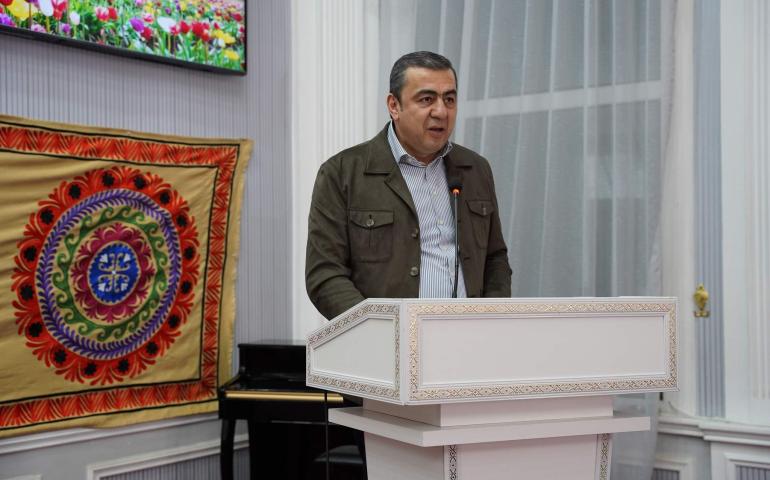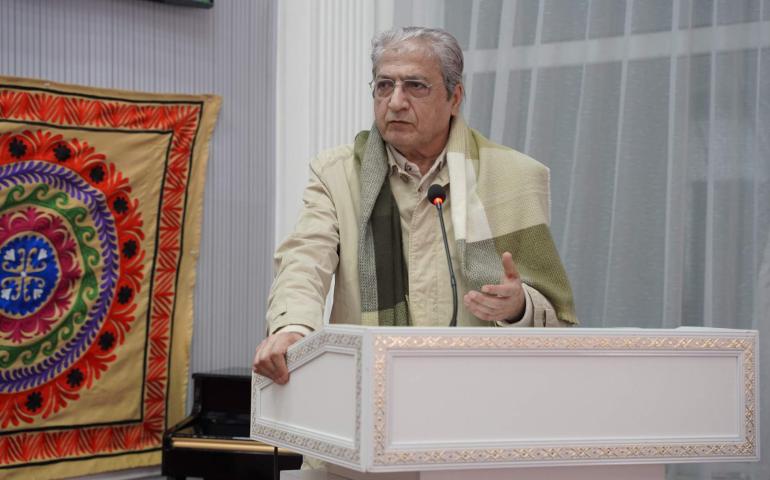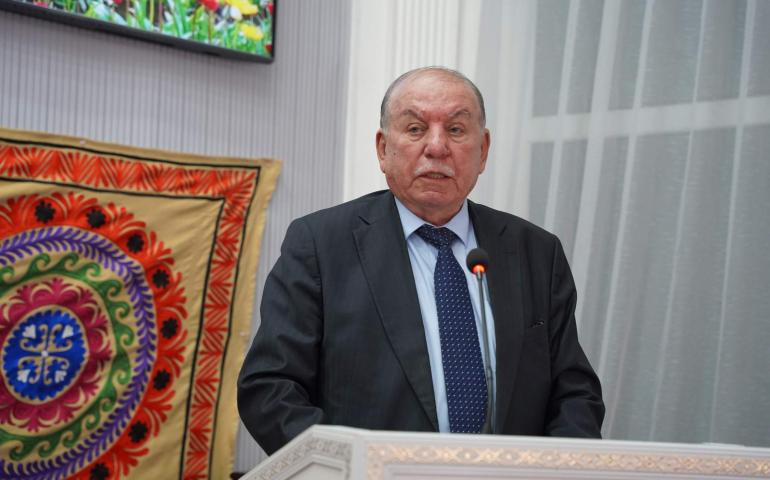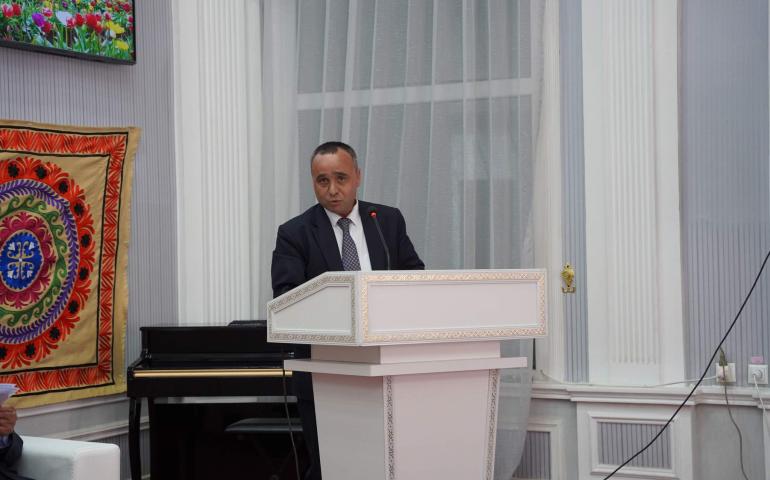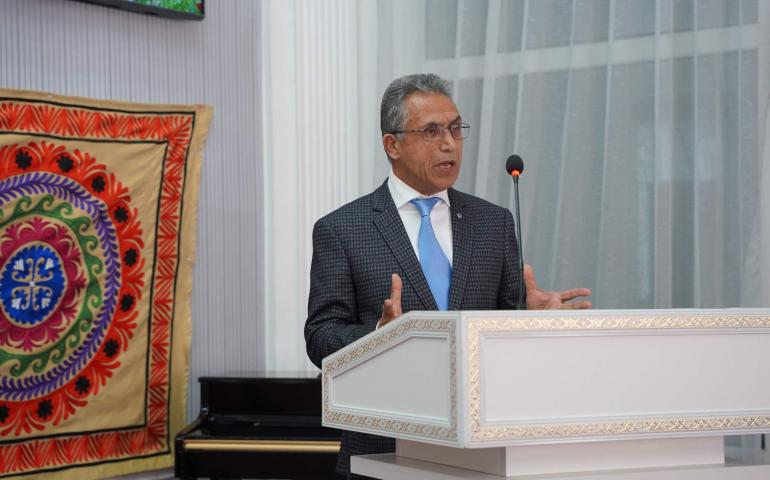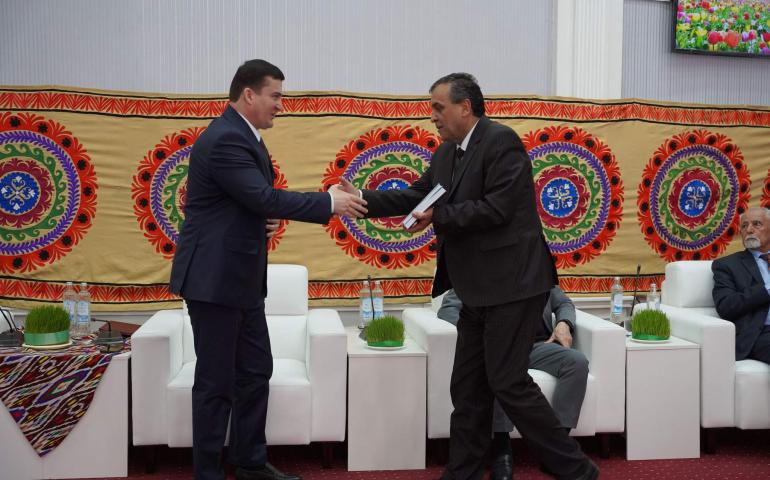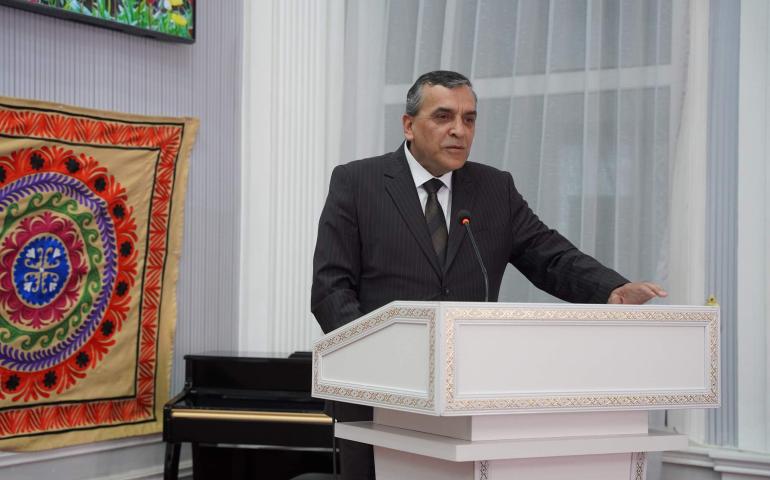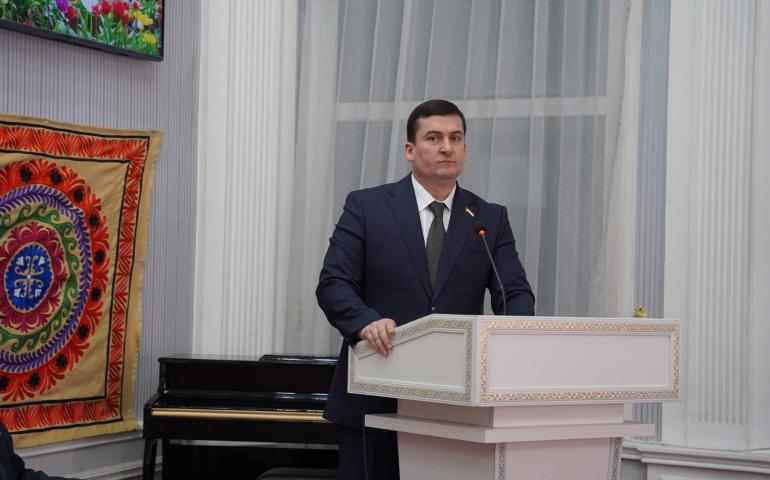

Дипломатияи фарҳангӣ ҷуъзимуҳимми воситаҳои татбиқи сиёсати хориҷии давлатии Ҷумҳурии Тоҷикистон мебошад. Қабландипломатияи фарҳангӣ хоси кишварҳоипешрафта ва мутараққӣ буд, вале бо тақозои замон имрӯз дар арсаи муносибатҳои байналмилалии кишварҳои ҷаҳон ин шохаи дипломатия, ки яке аз шохаҳои муҳимба ҳисоб меравад ба кор бурда мешавад. Возеҳ аст, ки тамоми кишварҳо барои баҳрабардорӣ аз ҳар зарфияте ҷиҳати пешбурди дипломатия ва ҷойгоҳашон дар низоми муносибатҳои байналмилалӣ дипломатияи фарҳангиро истифода менамоянд. Бовҷуди ин ва дар шароите, ки кишварҳои абарқудрат имрӯз мехоҳанд бо нерӯи нарм фарҳангу расму русум ва оини хешро дар дигар кишварҳо ҷорӣ кунанд ва ҳатман барои иҷрои ин амал як нерӯи таъсирбахше лозим мешавад. Барои муаррифии фарҳанг, расм, оин ва арзишҳои миллии Ҷумҳурии Тоҷикистон дар сиёсати хориҷӣНаврӯз яке аз беҳтарин васила аст, ки ба ин восита Тоҷикистон дар ҷаҳон шинохта мешавад ва Тоҷикистон яке аз кишварҳои таъсиргузор ва таъсисдиҳандаи ҳавзаи тамаддуни Наврӯз шинохта шудааст.
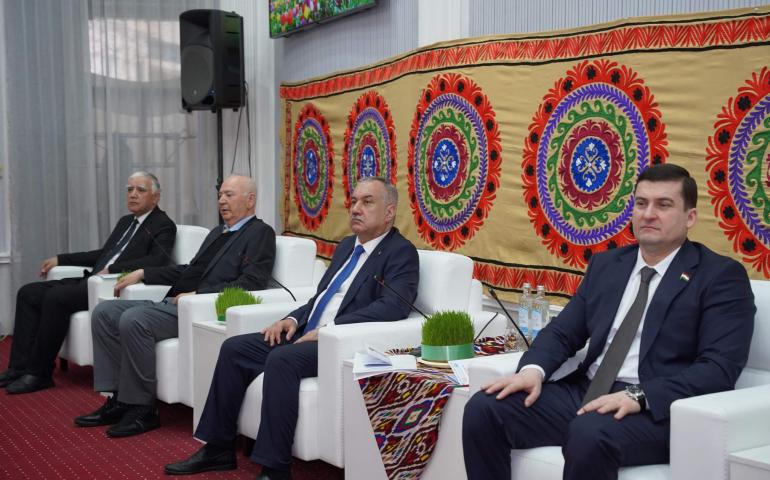
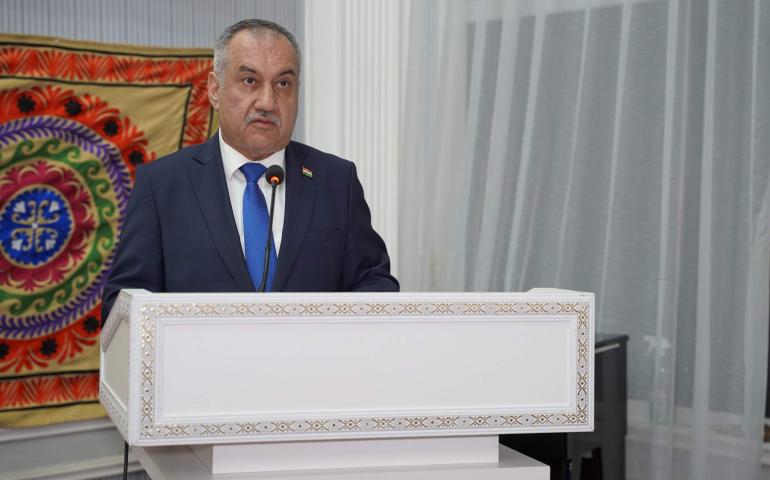
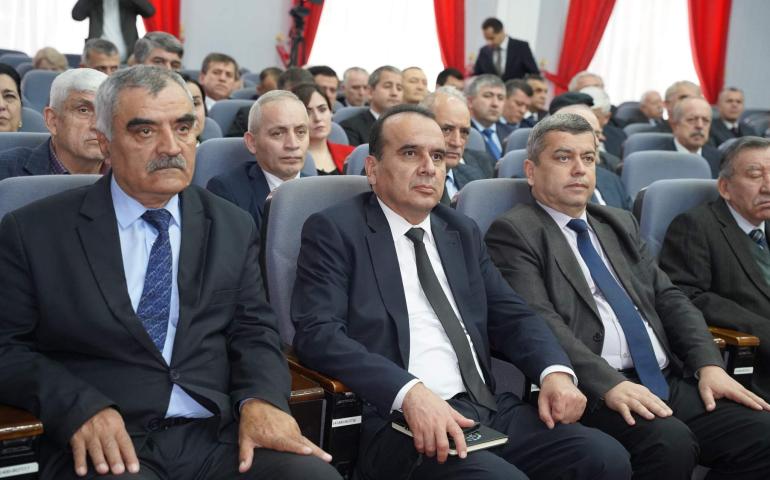
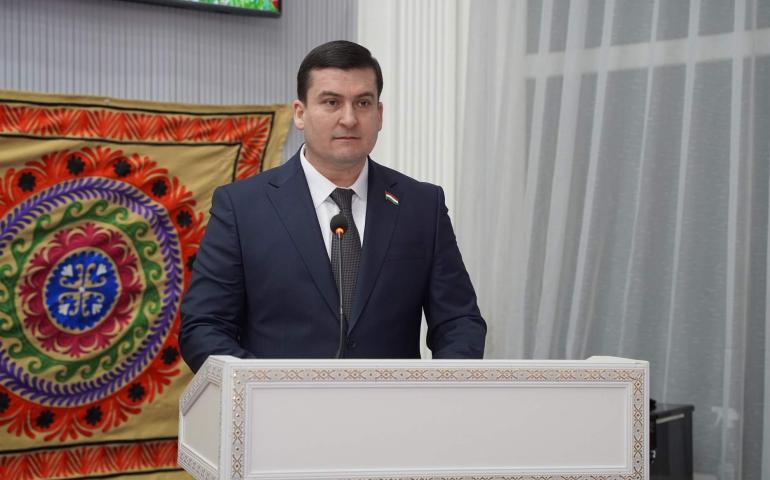
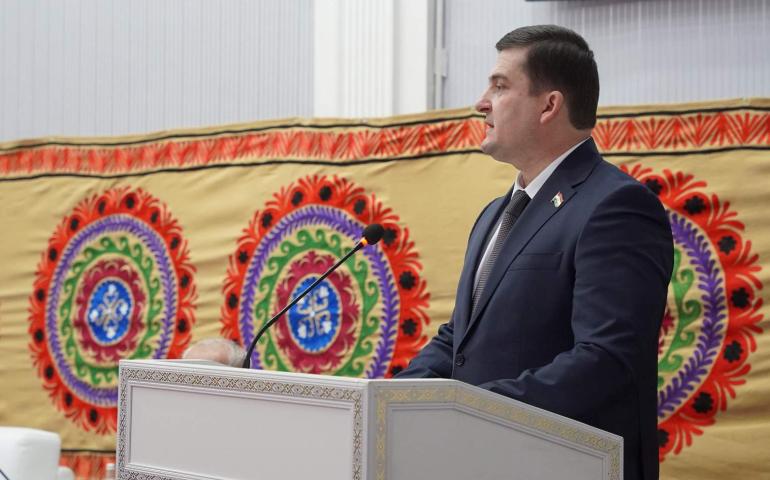
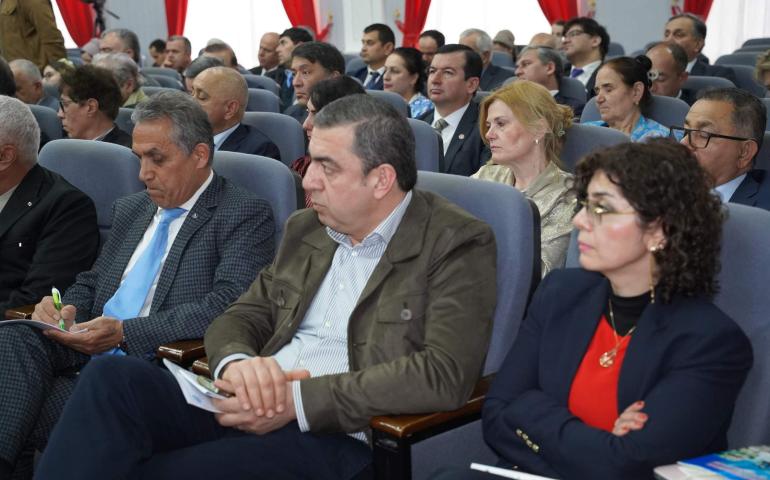
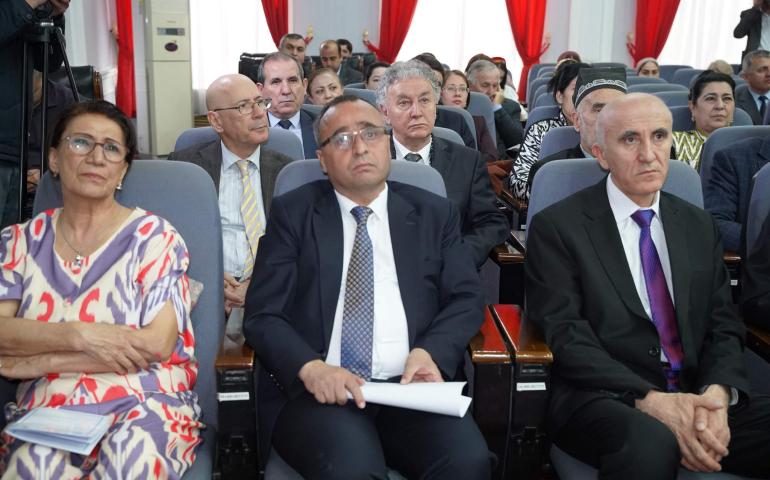
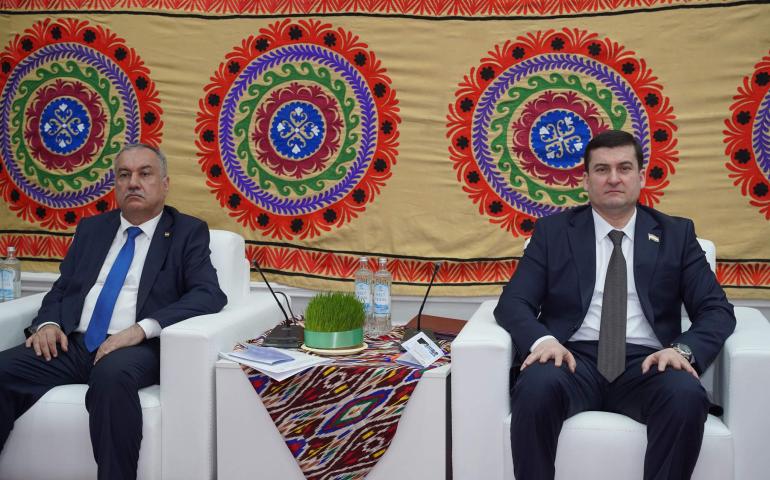
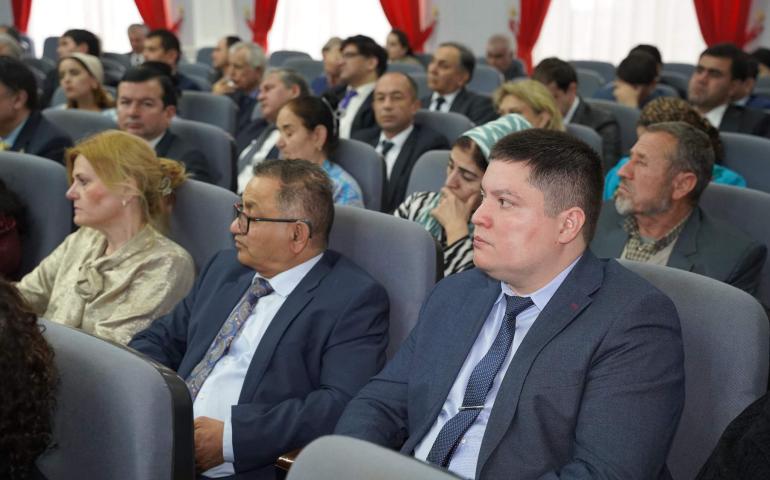
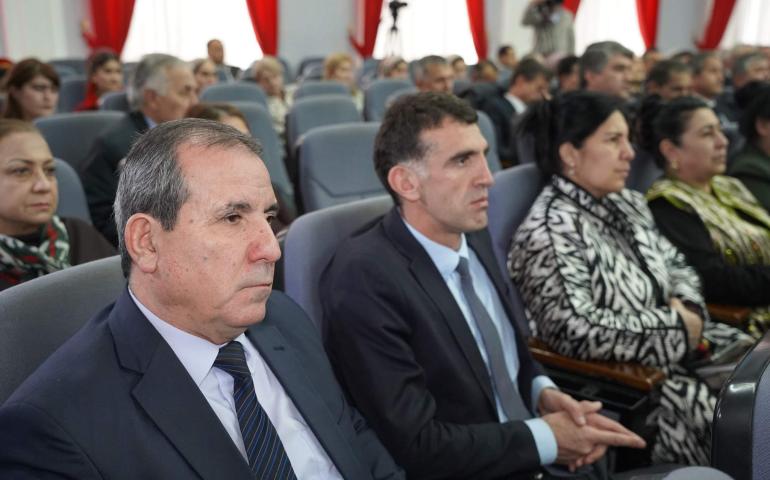
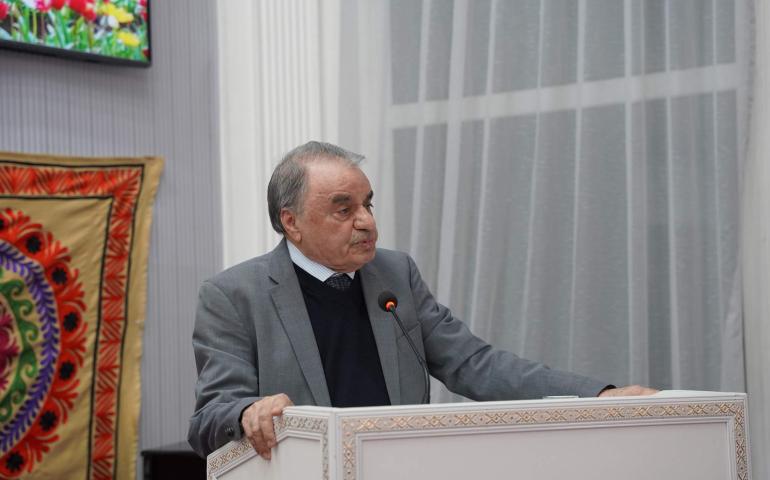
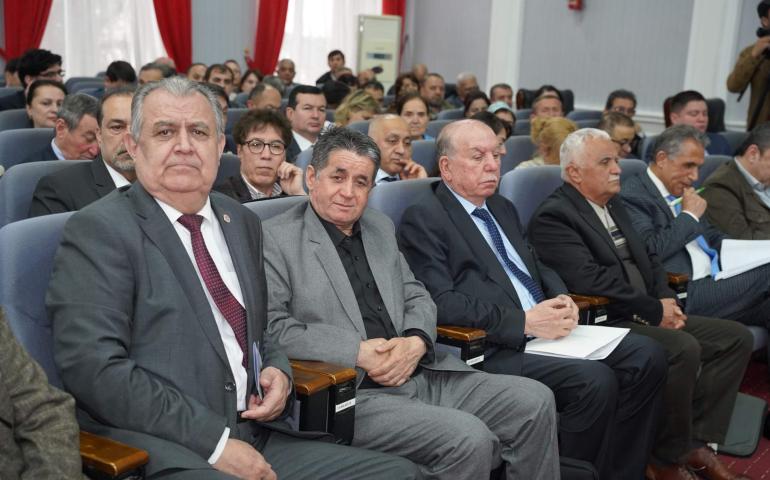
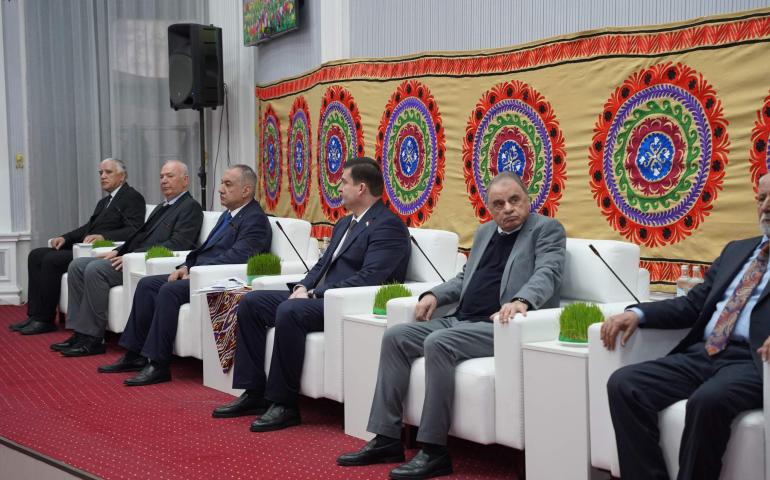
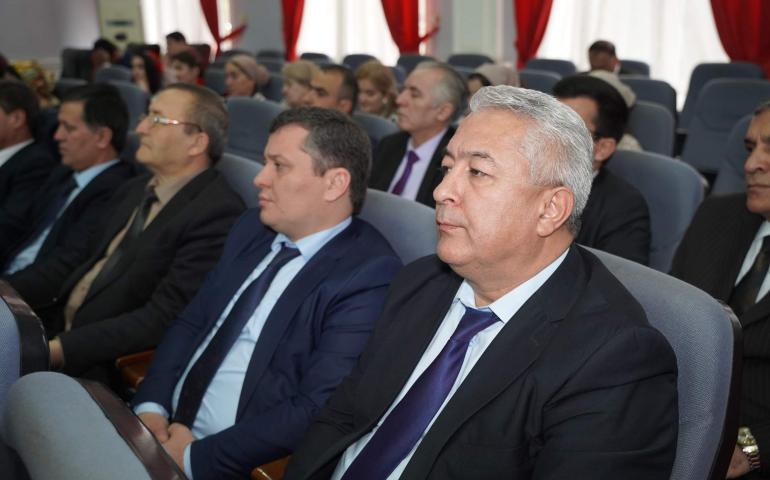
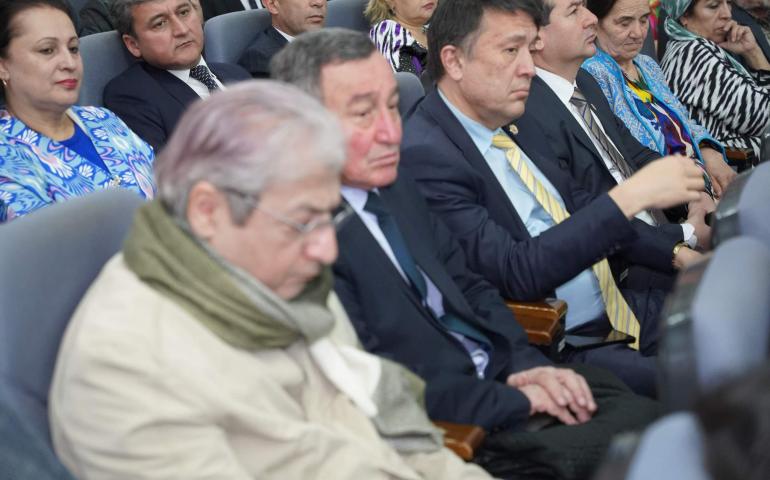
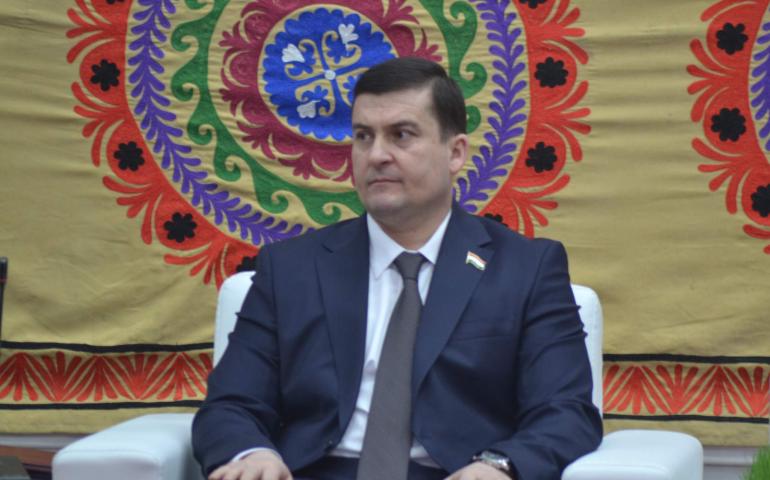
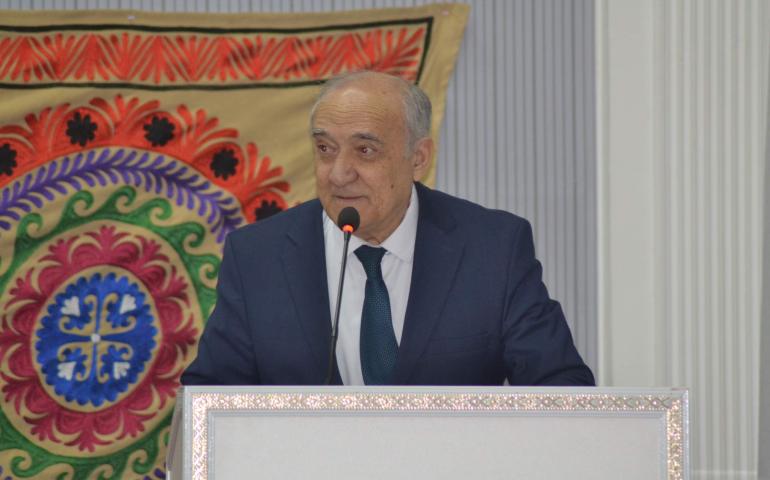
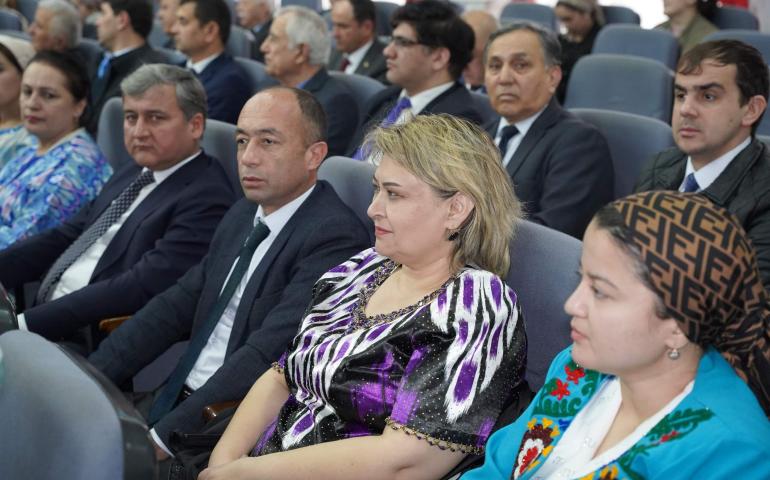
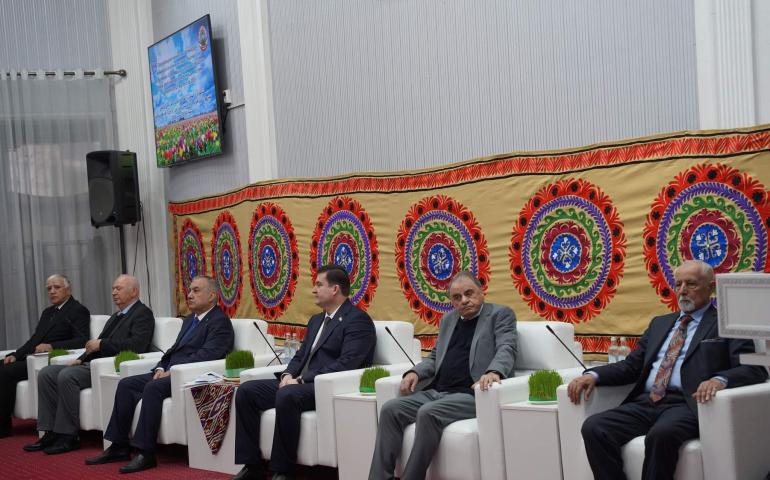
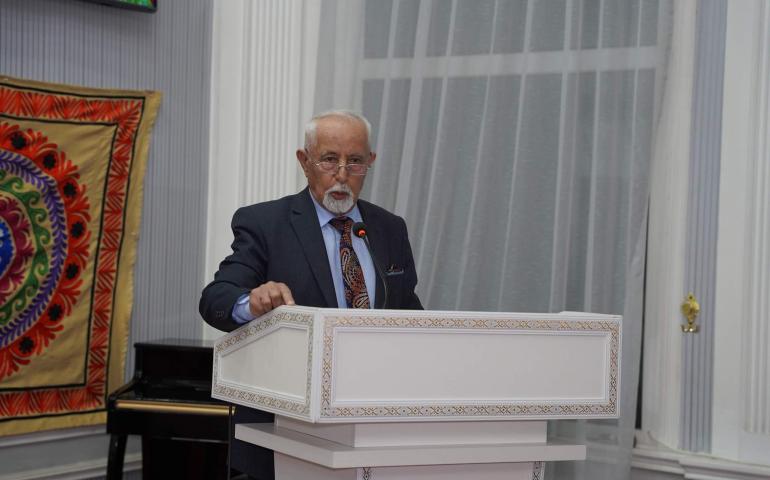
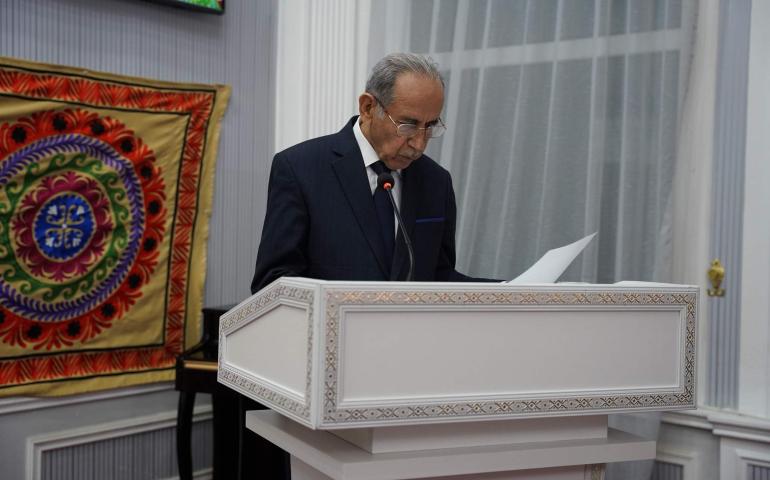
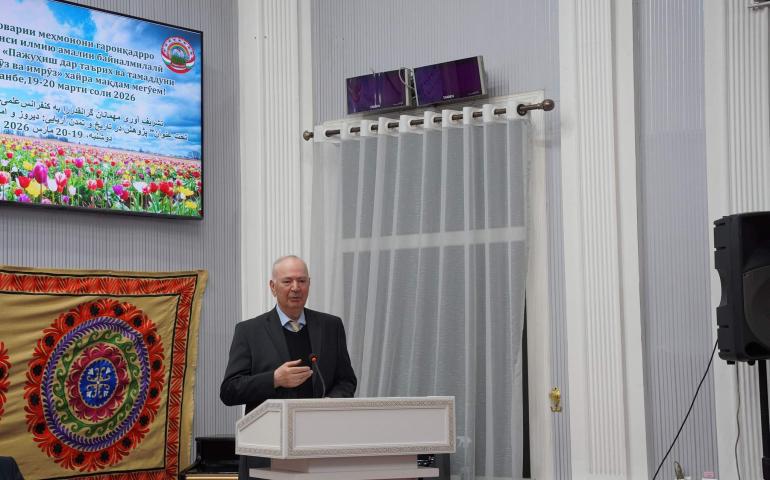
Яке аз намунаҳои барҷастаи дар амал татбиқ намуданидипломатияи Наврӯз ва ба воситаи неруи нарм ба роҳ мондаи онро дар ба ҳамомаданисарони кишварҳои Тоҷикистон, Эрон, Ӯзбекистон ва Қирғизистон, ки ба муносибати таҷлили ҷашни байналмилалии Наврӯз дар 31-уми марти соли 2025 дар маркази вилояти Суғд шаҳри Хуҷанди Ҷумҳурии Тоҷикистонбаргузор мегардад, мушоҳида менамоем.
Таҷлили ҷашни Наврӯз ва ҳамбастагии фарҳангӣ, дидгоҳ ва андешаи наздикимиллатҳо буда, таърихи тӯлонӣ дорад, ки миллатҳо ҳамеша дар пайи ҷустуҷӯ ва таҳкими омилҳои муттаҳидсозанда ва ташкили равобити байни худ будаанд. Албатта, набояд фаромӯш кард, ки ғояи истифодаи умумияти фарҳангӣ ва иҷтимоӣбарои таҳким ва ташкили муносибатҳои байни миллатҳо як мавзӯи қадимаест, ки таърихи дуру дароз дорад. Ҷашни Наврӯз аз он заминаҳои маънавию таърихӣ аст, ки бо мавзӯҳои ҷолиби фарҳангӣ ва таърихии худ метавонад равобити байни миллатҳо ва ҳукуматҳоро наздиктару самимитар намояд.
Дипломатияи фарҳангӣ метавонад дар табодули фарҳанг ва ба даст овардани нуфузи фарҳангӣ нақши муҳим бозад, ки дар натиҷаи рушд ва пешрафти фарҳанги сулҳ ва ҳамзистии осоишта ба вуҷуд меояд.
Нақши Наврӯз дар ҳамгироиифарҳангӣ дар ду шакл сурат мегирад. Аввал ин, ки дар ҳамгироии “сахт” як созмон ё ниҳоде ташкил мешавад ва дар атрофи он фарҳангу ҳувият бунёд мешавад. Мисоли равшани ин баъзе созмонҳо, ки аз тариқи ин нерӯ талош мекунад, ки ҳуввияташонро ҷорӣ кунад , аммо дар баъзе мавридҳо нокоммешаванд. Аммо навъи дигар ҳамгироиинарм ё нерӯи нарм аст, ки дар он кишварҳо ба далели дарки ҳуввияти умумӣ ба сӯи ҳамгироӣ ҳаракат мекунанд ва ба ин васила табодули худро афзоиш медиҳанд. Ин намуди ҳамгироӣустувортар аст ва умри дарозтар ва устувортар дорад. Наврӯз як ҷашн ва як ҳуввияти муштарак аст, ки боиси ҳамбастагӣ шудааст.
Чизи дигар ин аст, ки Наврӯз танҳо як замон ва як ҷашн нест, балки як гуфтушунид аст. Наврӯз гушфушунидест, ки аз он сулҳ бармеояд. Сулҳе, ки кишварҳои минтақа беш аз ҳарвақта ба он ниёз доранд ва дар сурати ба даст овардани он метавон онро дар тамоми гӯшаҳои ҷаҳон паҳн кард.
Наврӯз миллатҳову давлатҳову халқиятҳоро ба нармӣ ба ҳам меорад. Дар он тавоноиҳои хубе барои пайванд ва ҳамгироии миллатҳо дида мешавад, зеро дар матни оинҳои Наврӯзӣ, ҳеҷ намунае аз ширк, бутпарастӣ, оинҳои ғайриинсонӣ ва ғайриахлоқӣ ва суханҳои манфӣ вуҷуд надорад. Ҳама чиз дар онҷо табиӣ, инсонӣ ва сипос ба офариниш аст. Ҷаҳони пур аз нур, рӯшноӣ, ҳаракат, баракат ва ростӣ аст.
Ҷашни Наврӯз ҳамвора ба унвони мероси муштараки маънавӣ миёни кишварҳои ҳавзаи фарҳангӣ ва тамаддунӣ шинохта мешавад ва Наврӯз аз ҷумлаи оинҳое аст, ки дар он робитаи инсон ва табиат ва посдорӣ аз муҳити зист таҷаллӣ мешавад.
Ин ҷашни аҷдодӣ як ҷузъи фарҳанги муштараки мардуми сарзамини дорои эътиқодҳои гуногун, либосҳои гуногун ва забонҳои гуногун аст, ки метавонад ба дипломатияи сулҳу дӯстӣ дар арсаи тамаддунмусоидат кунад ва метавонад ва имкон дорад, ки ба унвони як унсури бунёдии дипломатияи фарҳангии кишварҳо дар чаҳорчӯби дипломатияи мардумӣ, дар пешбурди мақоми фарҳангӣ ва сиёсии кишварҳои ҳавзаи Наврӯз ба кор бурда шавад. Ба хотири таҳкими дипломатияи фарҳангӣ маросими Наврӯз як риштаи муштаракест, ки метавонад ҳамгироиикишвари моро бе ягон шубҳа, нофаҳмӣ ё ихтилофи назарбо кишварҳои дигари минтақа ба роҳ монад.
Дар робита ба ин, бояд гуфт, ки истифода аз дипломатияи наврӯзӣ ба унвони василае дар сиёсати хориҷӣ ва равобити кишварҳои минтақа метавонад дар воқеъ паёмадҳои густурда ва самаре дошта бошад. Аз ин лиҳоз, аз як сӯ, бо таваҷҷуҳи бештар ва истифода аз зарфиятҳои дипломатияи фарҳангӣ ва дипломатияи наврӯзӣ ҳамчун ҷузъи муҳими дипломатия ва сиёсати хориҷии кишварҳои минтақа доираи ҳамкориҳои фарҳангӣ ва нуфузи кишварҳои наврӯзии Осиёи Марказӣ, Қафқоз ва Осиёи Ғарбӣ густаришдода шавад.
Аз ҷониби дигар, ба ҷуз аз густаришу наздикшавии фарҳангӣ, бо истифода аз ин дипломатия, яъне дипломатияи наврӯзӣ дар сиёсати хориҷии минтақа, ҳамкориҳои сиёсӣ, иқтисодӣ ва фарҳангии кишварҳои минтақаро метавонад густариш диҳад.
Ба ин тартиб, таҷлили Наврӯз ҳамчун як нуктаи муштараки кишварҳои минтақа метавонад омили муносиб барои расидан ба ҳамгироиисиёсӣ дар сатҳи минтақа бошад. Кишварҳои минтақа барои рафъи чолишҳо ва таҳдидҳои муштарак ва ҳамчунин барои расидан ба манфиатҳои муштарак метавонанд аз Наврӯз, ба унвони яке аз муштаракоти фарҳангии минтақа, кумак биҷӯянд ва барои амиқтар шудани ҳамгироиисиёсӣ талош кунанд.
Аз ин нигоҳ, Наврӯзро метавон яке аз муҳимтарин омилҳои баҳамоии кишварҳо дар арсаи тамаддуниШарқарзёбӣ кард. Дар воқеъ, Наврӯз як ҷашни шарқӣ ва рамзи покӣ аст, ки таърихан як ҷурофияи васеъро аз ғарби Чин то Осиёи Сағир, аз нимҷазираи Ҳинд то Байнаннаҳрайн ва аз Шинҷону Осиёи Марказӣ то Қафқози Бузургро фаро мегирад. Ба ин тартиб, Наврӯз моҳиятҳои зиёде дорад, ки бояд дар дипломатияи фарҳангӣ ва неруи нарм эътироф ва истифода шавад. Имрӯз Наврӯз на танҳо дар қаламрави се кишвари ҳамзабон – Тоҷикистон, Эрон ва Афғонистон ва дигар кишварҳои Осиёи Марказӣ, балки дар Ховари Миёна, аз қабили Ироқ, Сурия ва Миср ва дигар кишварҳо таҷлил мешавад. Аз ин рӯ, мо бояд барои ҳифзи ин мероси гаронбаҳои фарҳангӣ ва оини бостониву пойдор саъйу талош кунем ва муттаҳид бошем.
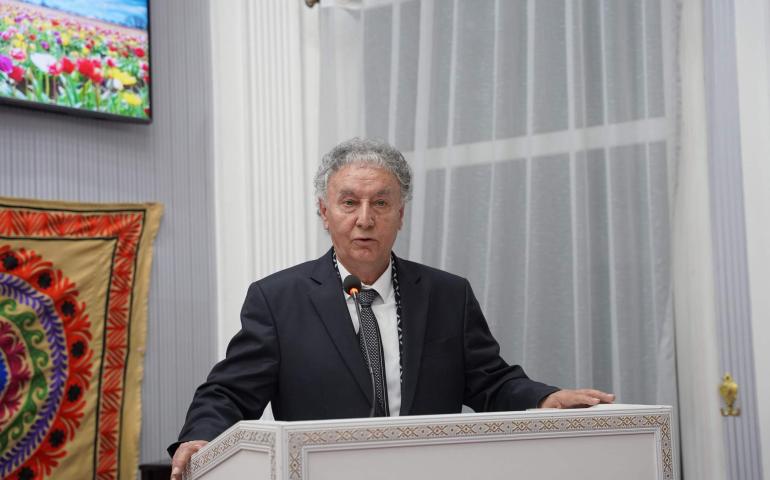
ЗИЁЕВ СУБҲИДДИН НАСРИЕВИЧ, - номзади илмҳои филология, мудири шуъбаи Шарқи Миёна ва Наздики Институти омӯзиши масъалаҳои давлатҳои Осиё ва Аврупои Академияи миллии лимҳои Тоҷикистон
OFFICIAL OPENING OF THE “DECARBONIZED HEATING SYSTEM USING GEOTHERMAL RESOURCES”
Today, on November 18, the “Decarbonized Heating System Using Geothermal Resources” was officially inaugurated at the Center for Innovation Development of Science and Digital Technologies of the National Academy of Sciences of Tajikistan.
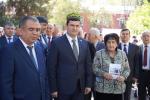
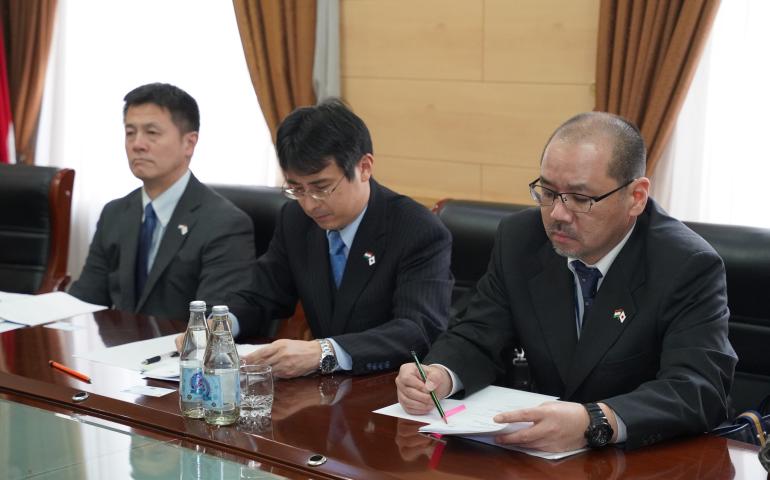
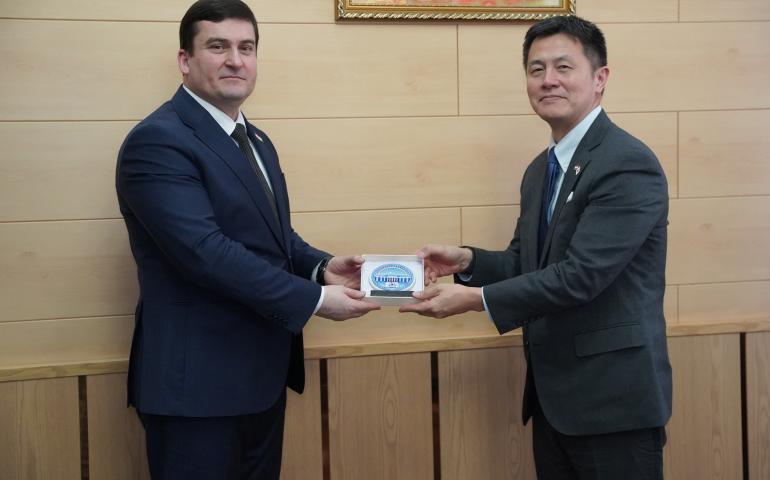
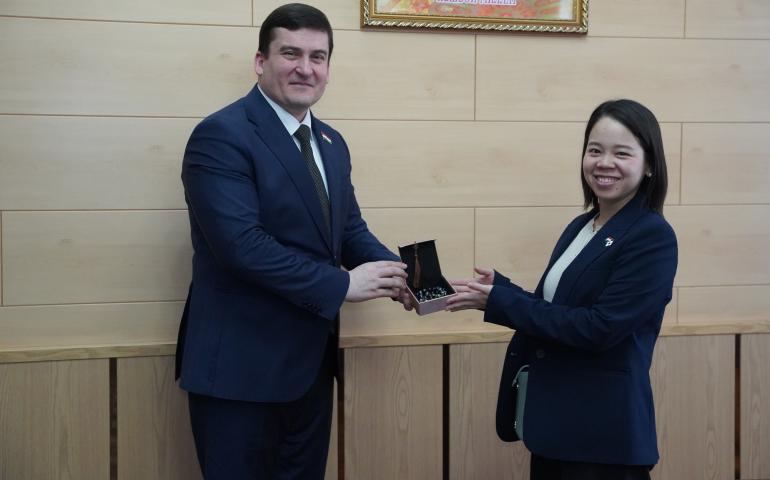
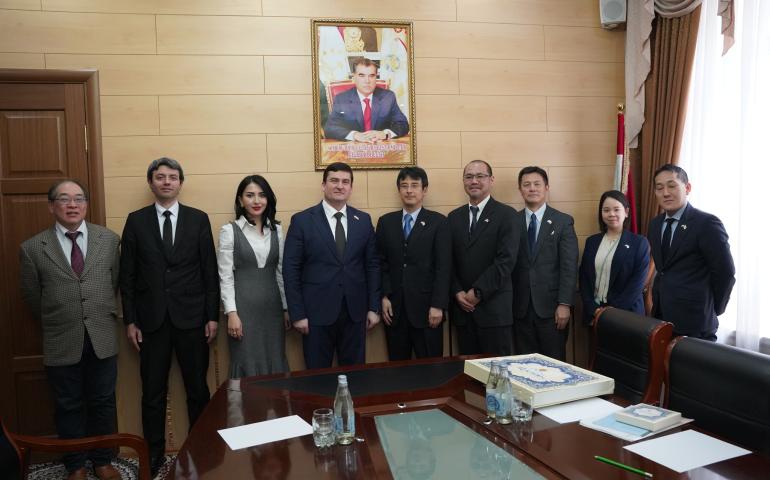
The opening ceremony was attended by the President of the National Academy of Sciences of Tajikistan, Academician Khushvakhtzoda Qobiljon Khushvakht, the Ambassador Extraordinary and Plenipotentiary of Japan to Tajikistan Ms. Keiko Furuta, the representative of the Ministry of Foreign Affairs of the Republic of Tajikistan Mr. Mirzosharif Jalolov, Head of the JICA Office, Mr. Seiju Imai, and representatives of various ministries and agencies of Tajikistan.
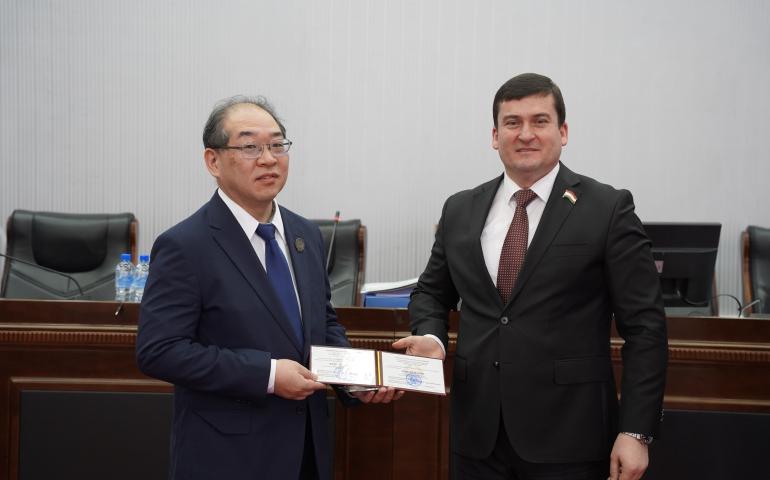
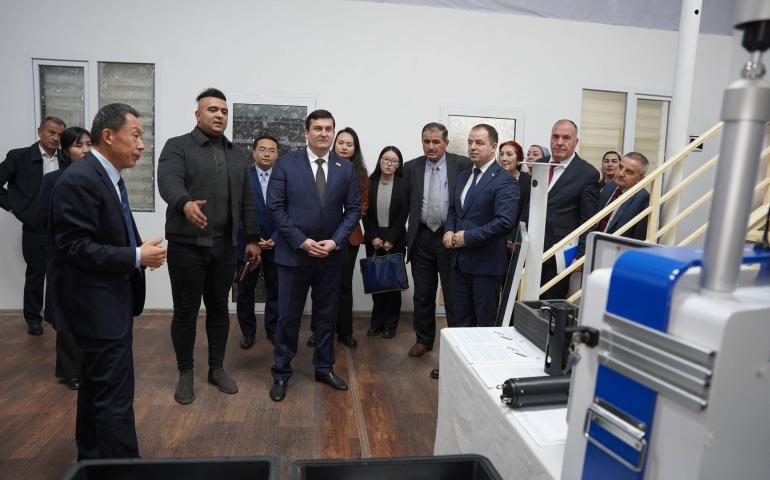
As part of the project, an “Ion Chromatography Analyzer” was installed and young researchers received full training. During the opening ceremony, the device was presented by the senior researcher of the Center, Farzona Najmiddinova.
It should be noted that the implementation of the project “Improving the Decarbonized Heating System Using Geothermal Resources” is of great importance, as it helps address a number of key energy, environmental, and social challenges in Tajikistan.
Providing heating in mountainous climates and harsh winters, especially in remote areas, remains one of the pressing issues. Currently, most households, educational institutions, and medical facilities rely on coal, firewood, or liquefied gas, which requires significant expenses and causes environmental pollution due to CO₂ and other emissions.
Using geothermal energy through Ground Source Heat Pump (GSHP) systems makes it possible to reduce heating costs and minimize carbon emissions. The technology operates using stable underground temperatures and can function efficiently year-round.
The application of such technologies not only reduces the use of conventional fuels but also represents a transition to clean and renewable energy sources. At the same time, it improves local energy independence, reduces consumer expenses, and contributes to environmental protection.
Artificial intelligence has also been effectively integrated into this system. Digital systems powered by AI continuously analyze data from sensors—such as underground temperature, heating demand, and climate conditions—allowing for automatic optimization, reduced energy consumption, and improved stability of the entire network.
AI capabilities also support heating load forecasting, intelligent indoor energy management, and cost reduction. As a result, the system becomes not only environmentally friendly and cost-efficient, but an advanced intelligent infrastructure.
Given Tajikistan’s considerable geothermal potential and favorable climate conditions, the integration of GSHP technology and artificial intelligence can become a progressive technological model for other regions and significantly contribute to national strategies for sustainable development, efficient resource use, and climate adaptation.
MEETING WITHIN THE PROJECT ON IMPROVING THE DECARBONIZED HEATING SYSTEM USING GEOTHERMAL RESOURCES
Today, on November 18, a meeting was held at the Center for Innovative Science and Digital Technologies of the Academy of Sciences of Tajikistan within the framework of the project “Improving the Decarbonized Heating System Using Geothermal Resources.”
The meeting was attended by the President of the National Academy of Sciences of Tajikistan, Academician Khushvakhtzoda Qobiljon Khushvakht, the Extraordinary and Plenipotentiary Ambassador of Japan to Tajikistan, Ms. Furuta Keiko, a representative of the Ministry of Foreign Affairs of the Republic of Tajikistan, as well as scientists and researchers from Tajikistan and Japan.
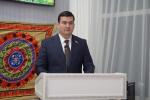
The President of the National Academy of Sciences of Tajikistan, Academician Khushvakhtzoda Qobiljon Khushvakht, stated in his speech that with the support of Akita University (Japan), the implementation of this project at the Center for Innovative Science and Digital Technologies of the Academy of Sciences of Tajikistan will enable the development of modern decarbonized heating technology in the country and the efficient use of geothermal resources.
It was noted that today we gathered within the framework of the opening of the geothermal house dedicated to the iTAG-SATREPS project — “Improving the Decarbonized Heating System Using Geothermal Resources.” This project is implemented with the support of the international program “Science and Technology Research Partnership for Sustainable Development” (SATREPS), Akita University (Japan), and the Japan International Cooperation Agency (JICA) at the Center for Innovative Science and Digital Technologies of the Academy of Sciences of Tajikistan.
It was emphasized that the implementation of the project will allow the country’s heating system to be modernized using advanced methods, and at the same time, provide a solid foundation for training highly qualified national specialists. The use of geothermal heat is considered one of the priority areas for the development of green energy in the country.
Furthermore, the Extraordinary and Plenipotentiary Ambassador of Japan to Tajikistan, Ms. Furuta Keiko, stated that bilateral cooperation in green energy and the implementation of modern technologies is of key importance for the sustainable development of Tajikistan, and the implementation of the decarbonized heating project is a clear example of such cooperation.
At the end of the meeting, participants exchanged views on effective project implementation, attracting international investors, and expanding scientific and practical cooperation.
PRESENTATION OF 4 NEW JOINT MONOGRAPHS BY SCIENTISTS OF THE NATIONAL ACADEMY OF SCIENCES OF TAJIKISTAN AND THE CHINESE ACADEMY OF SCIENCES
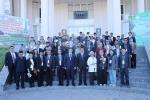
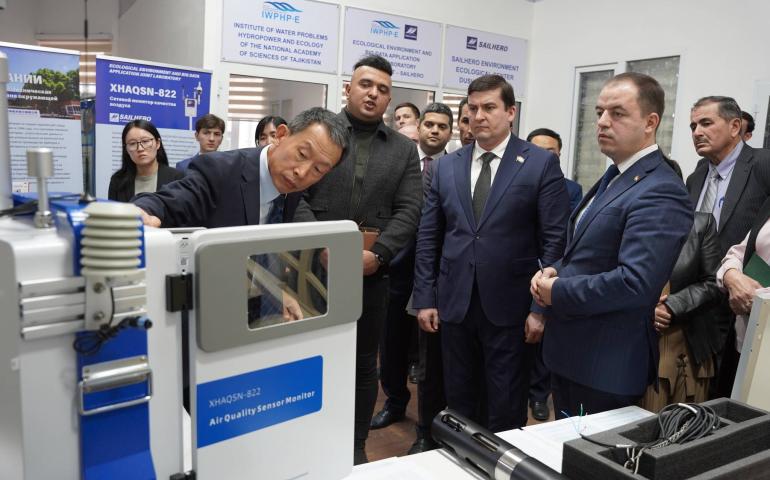
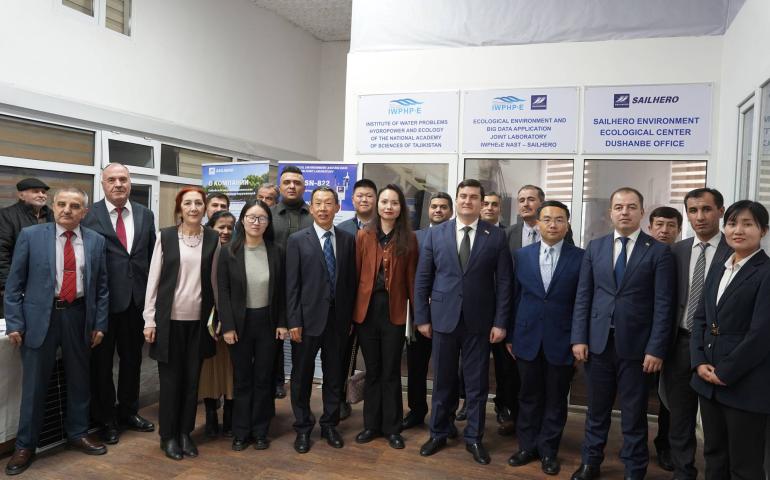
Today, on November 13, a joint scientific seminar of scientists from the Republic of Tajikistan and the People's Republic of China was held in the hall of the Institute of Water Problems, Hydropower and Ecology of the Academy of Sciences of Tajikistan. The main purpose of the seminar was to present four newly published monographs, prepared jointly by Tajik and Chinese scientists.
At the seminar, the President of the National Academy of Sciences of Tajikistan, Academician Khushvakhtzoda Qobiljon Khushvakht, spoke, noting that the publication of these four international collective monographs, prepared by Tajik scientists in collaboration with their colleagues from the People’s Republic of China, is of great importance for the "2025 International Year of Glacier Protection."
It was emphasized that this achievement is the result of many years of work by scientists, deep scientific thinking, and successful international collaboration, which strengthens the scientific standing of our country. The publication of each monograph represents a solid step in the advancement of science and knowledge. When such works are prepared in collaboration with foreign scientific institutions, their value extends beyond a single field or country. They symbolize shared understanding, trust, and common goals of scientists from neighboring countries, united by a common desire to contribute to human progress.
It was noted that the four monographs presented today cover various fields of science — from natural and engineering sciences to social and humanitarian studies. Each of them demonstrates a high level of professionalism, deep analysis, and broad scientific outlook of the authors.
The first monograph is dedicated to analyzing the processes, factors, and mechanisms ensuring sustainable socio-economic development of Tajikistan; the second examines exogeodynamic risks and the impact of floods and landslides under the country’s natural conditions; the third analyzes the state, challenges, and prospects of Tajikistan’s water resources from hydrological, limnological, glaciological, and ecological perspectives; and the fourth studies the glaciers of Tajikistan, their current state, dynamics, and processes of change, considering climatic and morphological features. These publications are the result of fruitful cooperation between scientists of the two countries and have strategic importance for strengthening scientific relations and advancing research in water, hydropower, ecology, and glacier protection.
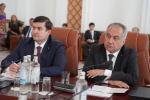
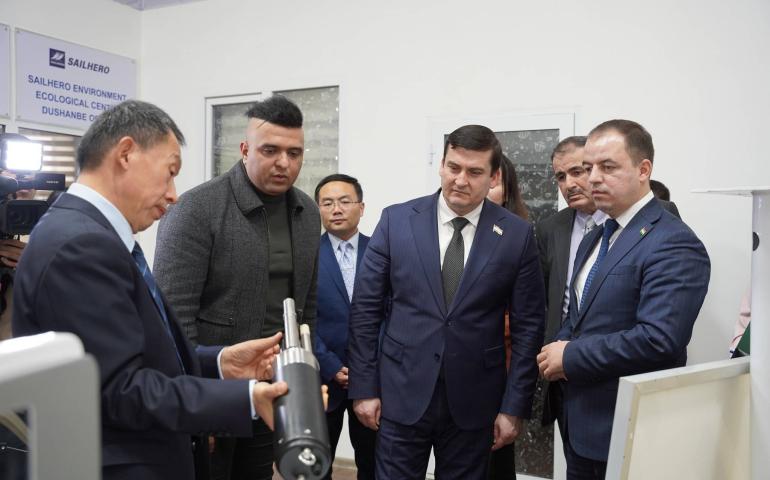
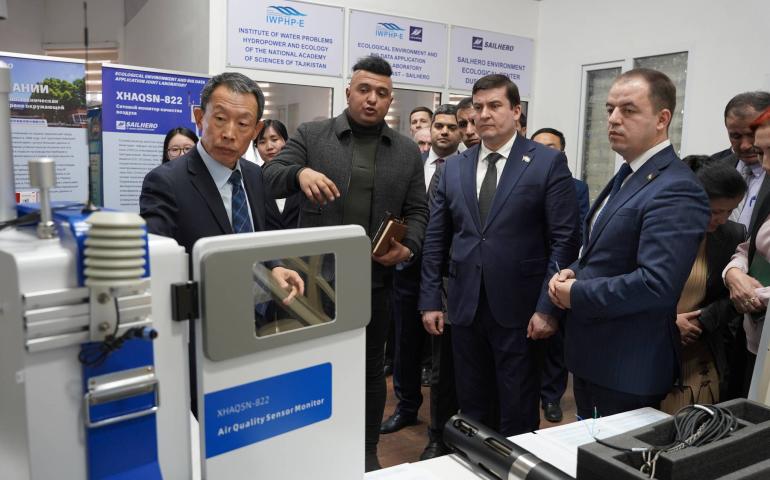
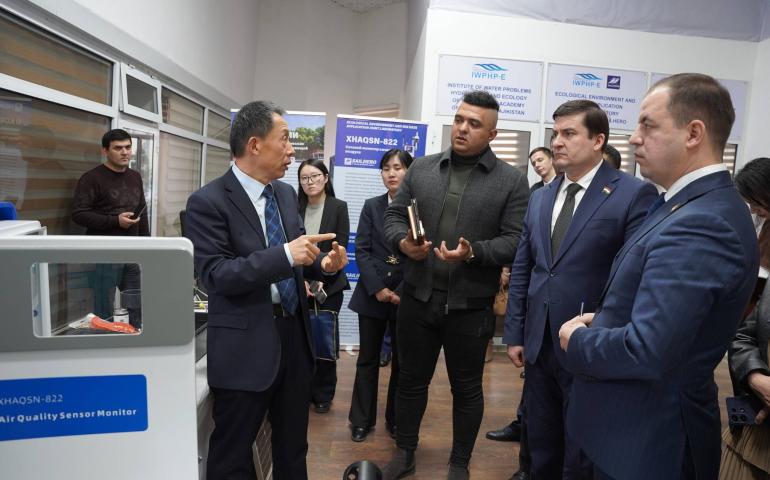
Furthermore, Yuanmin Zhang, Director of the Institute of Ecology and Geography of Xinjiang, Chinese Academy of Sciences, in his speech, noted that the Central Asian Scientific and Research Center for Ecology and Environment (Dushanbe) plays a key role in strengthening scientific and technical cooperation between the Republic of Tajikistan and the PRC. Thanks to the effective work of this center, researchers and scientists from both countries gain opportunities for collaboration, experience exchange, and joint research. This bilateral cooperation contributes to scientific development, enhances the scientific level, and strengthens ties between the scientific and research institutions of both countries.
It was emphasized that the publication of the four joint scientific monographs is the result of continuous efforts by scientists of both countries and provides a solid foundation for the development of new knowledge, joint scientific projects, and the study of global environmental issues. It was also noted that such seminars and scientific meetings play a decisive role in strengthening friendly and strategically sustainable relations between the Republic of Tajikistan and the People’s Republic of China.
INTERNATIONAL SYMPOSIUM DEDICATED TO THE 1045TH ANNIVERSARY OF THE GREAT TAJIK SCHOLAR AVICENNA (ABU ALI IBN SINО) AT THE NATIONAL ACADEMY OF SCIENCES OF TAJIKISTAN
Today, on November 4, an international symposium dedicated to the 1045th anniversary of the great Tajik scholar Abu Ali Ibn Sino (Avicenna) was held in the conference hall of the Presidium of the National Academy of Sciences of Tajikistan (NAST).
The symposium was attended by the Assistant to the President of the Republic of Tajikistan on Social Development and Public Relations, Rahmonzoda Abdullo Qurbonali; the President of the National Academy of Sciences of Tajikistan, Academician Khushvakhtzoda Qobiljon Khushvakht; the Extraordinary and Plenipotentiary Ambassador of the Islamic Republic of Iran to the Republic of Tajikistan, Alireza Haqiqian; as well as other scholars and researchers, who delivered speeches at the event.
The symposium was opened by the President of the National Academy of Sciences of Tajikistan, Academician Khushvakhtzoda Qobiljon Khushvakht, who emphasized that the Academy takes great pride in organizing this event under the enlightened policy of science and scholarship pursued by the Founder of Peace and National Unity — Leader of the Nation, President of the Republic of Tajikistan, His Excellency Emomali Rahmon.
He stated that it is a great honor to welcome numerous researchers and scientists from various countries of the world to beautiful Tajikistan — the homeland of a genius like Abu Ali Ibn Sino, whose immortal works have served all of humanity. The symposium, entitled “Avicenna’s Contribution to the Development of Science, Philosophy, and World Civilization,” is being held in recognition of this invaluable legacy.
It was noted that Ibn Sinо is among those thinkers whose life and works have been widely studied by scholars both in the past and present. Therefore, the main aim of this symposium is to highlight only some of the achievements of this “Elder Sage of the East” in the development of the sciences of his era, particularly in the natural and mathematical sciences, and to present his eminent role in the advancement of world science.
It is well established that among all the works of Ibn Sino, eleven are devoted to the fields of natural science and exact disciplines. His most important and widely read work, both in the past and in modern times, is “The Canon of Medicine” (Al-Qanun fi al-Tib), consisting of five volumes. This monumental work has been translated into most European languages. In The Canon of Medicine, Ibn Sino elaborates on the general theory of medicine, anatomy, physiology, surgery, diagnostics, methods of treatment, pharmaceuticals, and the prevention of various diseases. He also discusses both rapidly spreading and chronic illnesses.
It was noted that Ibn Sino’s contribution to the development of botany is also of great importance. He dedicated “The Book of Plants” (Kitob ul-Nabot) to this field, and within The Canon of Medicine, he included several sections related to botany. In The Book of Plants, he lists over 500 names of medicinal plants that were used in both ancient and contemporary medicine, and he even predicted that some of them would be studied further in the future.
It was mentioned that Ibn Sino also made a valuable contribution to the development of chemistry. He explained the properties of inorganic substances such as iron, minerals, and chemical compounds, offering insightful critiques of theories related to the transformation of base metals into gold. The classification of chemical substances proposed by Ibn Sino differs from that of Jabir ibn Hayyan and Muhammad Zakariya al-Razi by its simplicity and originality.
It was emphasized that Ibn Sino possessed an extraordinary and comprehensive intellect, with vast knowledge in many branches of medieval science. His greatest achievement was that, unlike the alchemists of his time, he was the first to demonstrate correct methods for conducting chemical reactions and experiments using various chemical substances in the regions of Transoxiana and Khorasan.
It should be noted that in the history of literature, Sheikh al-Rais Ibn Sino is also recognized as the founder of the philosophical rubai (quatrain) genre. Indeed, expressing profound philosophical ideas within the concise form of a quatrain requires exceptional intellect and talent. His subtle and far-reaching thought, his mastery of eloquence, and his deep devotion to national culture and his native language enabled Ibn Sino to be the first to express broad philosophical, psychological, and logical ideas through this concise poetic form.
Continuing the discussion, the Assistant to the President of the Republic of Tajikistan for Social Development and Public Relations, Rahmonzoda Abdullo Qurbonali, in his speech stated that Abu Ali Ibn Sino, known in Western countries as Avicenna, was not only a rationalist philosopher but also a skilled physician, a scholar well-versed in all the social and natural sciences of his time, an encyclopedic scientist, and a true genius of civilized humanity. He made numerous innovations in every field he studied, determining the course of development of these sciences for many centuries to come.
It was emphasized that because of his outstanding services to humanity, a statue of Ibn Sino was erected in front of the UNESCO headquarters, alongside those of Abu Rayhan al-Biruni, Abu Bakr Muhammad Zakariya al-Razi, and Omar Khayyam. Furthermore, since 2003, UNESCO has awarded the Avicenna Prize for Ethics in Science every two years. The international astronomical community has named a lunar crater after Ibn Sino. Between 2008 and 2015, there existed the Avicenna Directory, established with the support of the World Health Organization, which listed the world’s medical universities and colleges. It is now known as the World Directory of Medical Schools. The founders of this directory noted that it was named after Ibn Sino due to his role in “bridging Eastern and Western knowledge and his profound influence on the development of medicine and public health.”
It was stated that Ibn Sino was born in 980 into the family of Abdullah ibn Hasan ibn Ali ibn Sino, a native of Balkh of Tajik origin. During the Samanid dynasty, under the reign of Nuh ibn Mansur, the family migrated to the capital of the Samanid state in the late 10th century. His mother was also Tajik, from the village of Afshana near Bukhara. From childhood, Ibn Sino studied religious sciences, the grammar of the Tajik and Arabic languages, stylistics, and poetry, mastering them completely by the age of ten. He later studied mathematics, logic, and jurisprudence, and then began teaching philosophy and natural sciences, with a special focus on medicine.
Later, the Ambassador Extraordinary and Plenipotentiary of the Islamic Republic of Iran to the Republic of Tajikistan, Alireza Haqiqian, along with other scholars and researchers, also delivered speeches, highly praising Ibn Sino’s contribution to the formation of world civilization and the development of medicine, philosophy, and logic, describing his achievements as exceptional and unparalleled.
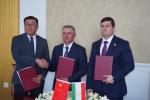
Additionally, at the conclusion of the event, a Cooperation Agreement was signed between the A. M. Bakhovaddinov Institute of Philosophy, Political Science and Law of the National Academy of Sciences of Tajikistan and the Institute of Oriental Studies of the Russian Academy of Sciences.
COOPERATION BETWEEN TAJIKISTAN AND RUSSIA IN THE FIELD OF SCIENCE AND EDUCATION: CURRENT STATE AND PROSPECTS
Today, on October 28, in the hall of the Presidium of the National Academy of Sciences of Tajikistan, the International Scientific Conference entitled “Cooperation between Tajikistan and Russia in the Field of Science and Education: Current State and Prospects” was held on the initiative of the Institute for the Study of Asian and European Countries of the National Academy of Sciences of Tajikistan, with the participation of scholars and researchers from Tajikistan and Russia. The conference was opened by the director of the Institute, Rustam Jura Haydarzoda.
In his opening address, the President of the National Academy of Sciences of Tajikistan, Academician Qobiljon Khushvakhtzoda, emphasized that science and education are powerful driving forces that shape national stability, economic development, and the spiritual wealth of society. In Tajikistan, it has always been clearly understood that without science there can be no progress, and without education — no future.
He noted that the Tajik people have traditionally shown great respect for scholars, thinkers, and enlighteners. We proudly continue the traditions of Ibn Sina, Rudaki, Firdousi, Beruni and other great figures whose wisdom and humanism have contributed to the intellectual heritage of the world. On this historical path, Russia has always remained a close partner, a trustworthy friend and a companion in enlightenment and constructive development.
It was also stated that scientific relations between Tajikistan and the Russian Federation have deep historical roots. As early as the first decades of the 20th century, Tajik and Russian scholars jointly studied natural resources, cultural heritage, history and the language of the Tajik people. Thanks to this cooperation, dozens of institutes, laboratories, and educational centers were established. Today, the partnership between the National Academy of Sciences of Tajikistan and Russian research institutions can be confidently regarded as a solid, dynamic and growing bridge of friendship and mutual enrichment.
Thousands of Tajik students, postgraduates and young specialists are currently studying at leading universities in Russia, mastering modern technologies, scientific methods and innovative pedagogical approaches. At the same time, Russian students receive education in Tajik universities, showing interest in the culture, language and history of our country. This is a vivid example of how education can serve as a bridge of friendship between generations and nations. In the era of rapid technological and geopolitical transformations, new horizons of cooperation are opening up before us.
It was emphasized that the world is entering the age of artificial intelligence, digital economy and green technologies. The competitiveness of our countries depends on how quickly and effectively our scientific communities can integrate into these global processes. That is why today’s realities call for a new philosophy of scientific cooperation — not only the exchange of results, but also the creation of joint research ecosystems in which knowledge, innovation and human capital become a shared value.
The conference continued with speeches by Semyon Vyacheslavovich Grigoriev, Ambassador Extraordinary and Plenipotentiary of the Russian Federation to the Republic of Tajikistan, Valentina Vyacheslavovna Komleva, Deputy Director of the Research Institute for the Development of Communications, Doctor of Economics, Sharaf Abdukarim Rahimi, Head of the CIS Department of the Ministry of Foreign Affairs of Tajikistan, as well as other scholars and researchers, who highlighted achievements, existing challenges and prospects of cooperation in science and education. It was underlined that the development of these spheres is a significant factor in strengthening friendly and strategic relations between the two countries.
The second session of the International Scientific Conference “Cooperation between Tajikistan and Russia in the Field of Science and Education: Current State and Prospects” continued in the hall of the Institute for the Study of Asian and European Countries of the National Academy of Sciences of Tajikistan, where scholars and researchers from both countries presented their reports on various scientific topics.
MEETING WITH THE TRADE REPRESENTATIVE OF THE RUSSIAN FEDERATION IN THE REPUBLIC OF TAJIKISTAN
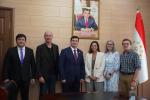
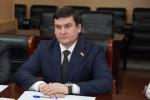
Today, on October 24, the President of the National Academy of Sciences of Tajikistan, Academician Khushvakhtzoda Kobildzhon Khushvakht, held a meeting with the Trade Representative of the Russian Federation in the Republic of Tajikistan, Alexander Leonidovich.
During the meeting, the parties discussed the expansion of scientific and technical cooperation, the strengthening of economic and trade relations, as well as the implementation of joint scientific and innovative projects.
It was noted that the activities of IRP Technology are focused on the energy sector, with the main objective of attracting investment and introducing modern Russian technologies aimed at the development of renewable energy sources, increasing energy efficiency, and supporting the scientific and technical potential of Tajik specialists.
It was reported that in the near future an agreement on the establishment of an industrial park between the Russian Federation and the Republic of Tajikistan will be signed. In this regard, it was emphasized that the National Academy of Sciences of Tajikistan may contribute to the development of scientific and technical foundations, the assessment of production capacities, the application of new technologies, and the training of qualified personnel within the framework of this initiative.
It was also highlighted that after determining the priority areas of cooperation, representatives of the National Academy of Sciences of Tajikistan may be included in the relevant programs in order to use their scientific expertise and experience to assist in the development of projects, assessment of their scientific and technical feasibility, and implementation of new technologies.
This initiative will help strengthen the link between science and industry and will contribute to the intensification of practical cooperation between Tajik researchers and Russian specialists.
The parties expressed their readiness to further expand cooperation in the fields of energy, science, astrophysics, and ecology, as well as in the areas of joint research, exchange of experience, and training of highly qualified specialists.
MEETING OF THE PRESIDENT OF THE NATIONAL ACADEMY OF SCIENCES OF TAJIKISTAN WITH THE HEAD OF THE DEPARTMENT OF REGIONAL AND INTERNATIONAL MARKET DEVELOPMENT OF SYNERGY CORPORATION
Today, on October 15, the President of the National Academy of Sciences of Tajikistan, Academician Khushvakhtzoda Qobiljon Khushvakht, met with Vladimir Vladimirovich Markin, Head of the Department of Regional and International Market Development of Synergy Corporation, and Sharif Abdullaev, Founder and General Director of Bonoor Group.
During the meeting, Academician Khushvakhtzoda Qobiljon Khushvakht welcomed the guests to the Academy and provided detailed information about the priority areas of activity of the main scientific institution of the country — the National Academy of Sciences of Tajikistan.
Special attention was given to the issue of artificial intelligence. It was noted that in today’s digital world, artificial intelligence is not only an auxiliary tool, but also an essential element for decision-making and data analysis, which is necessary for the effective management of resources.
Considering the importance of scientific and research cooperation, both sides expressed their readiness to establish such collaboration with Synergy Corporation and reached mutual understanding. It should be noted that Synergy Corporation is one of the largest scientific and educational structures, which today provides new opportunities in the field of education and technology to various countries.
The cooperation can be developed within regional and international platforms, including the Commonwealth of Independent States (CIS) and BRICS. During the meeting, serious attention was also paid to digitalization — particularly to the development of digital infrastructure, the transition of services to electronic and digital formats, and information security.
Conference. 80th ANNIVERSARY OF THE GREAT VICTORY: THE HISTORICAL CONTRIBUTION OF THE PEOPLES OF RUSSIA AND TAJIKISTAN AND THE PROSPECTS FOR PARTNERSHIP IN SCIENCE AND EDUCATION
Today, on October 8, within the framework of the Summit of the Heads of State of the Commonwealth of Independent States, an International Scientific and Practical Conference entitled “The 80th Anniversary of the Great Victory: The Historical Contribution of the Peoples of Russia and Tajikistan and the Prospects for Partnership in Science and Education” was held in the Hall of the Presidium of the National Academy of Sciences of Tajikistan. The event brought together scientists, researchers, and representatives of academic and higher educational institutions of Tajikistan and the Russian Federation.
The conference was opened by the President of the National Academy of Sciences of Tajikistan, Academician Khushvakhtzoda Kobiljon Khushvakht, who emphasized that the initiative to hold such a high-level conference was not accidental, but rather a purposeful undertaking. This year, the Republic of Tajikistan chairs the Commonwealth of Independent States (CIS). In this context, the year 2025 has been declared the Year of Peace and Unity in the Fight Against Fascism across the CIS, dedicated to the 80th anniversary of Victory in World War II.
It should be noted that on the initiative of the Founder of Peace and National Unity — the Leader of the Nation, President of the Republic of Tajikistan, His Excellency Emomali Rahmon, on August 27, 2025, for the first time in history, the UN General Assembly adopted a resolution entitled “Cooperation between the United Nations and the Commonwealth of Independent States”, proposed by Tajikistan during its CIS chairmanship.
This resolution, adopted in the jubilee year marking the 80th anniversary of the founding of the United Nations, is aimed at strengthening and deepening cooperation between the CIS and the UN, including its various structures, in order to promote the implementation of the Sustainable Development Goals.
It was also stressed that these days, in the capital of our country — Dushanbe — such important events are taking place as the Summit of the CIS Heads of State, the Summit “Central Asia – Russia”, as well as the upcoming state and official visit of the President of the Russian Federation, His Excellency Vladimir Vladimirovich Putin, to the Republic of Tajikistan.
Speakers emphasized that World War II was a common war, a common Victory, and a shared memory of all the peoples of the former Soviet Union, including the people of Tajikistan. On May 9 this year, Tajikistan solemnly celebrated the 80th anniversary of Victory in World War II — a victory achieved through the heroism and great sacrifices of our peoples. This historic date has become an important symbol and a key direction in shaping historical memory for the present generation throughout all former Soviet republics.
It was also noted that the memory of Victory in World War II in Tajikistan holds a high place not only in the internal and foreign policy of the state, but also in the organization of scientific research in the fields of history, historiography, and other social and humanitarian sciences.
President of the Republic of Tajikistan, the Leader of the Nation, His Excellency Emomali Rahmon, considers Victory Day as an important historical date — a day of honoring the heroism and self-sacrifice of our peoples in the struggle against fascism. At the same time, this day serves as a reminder to all of humanity of that terrible war, which remains a black page in history and a great tragedy for many nations of the world, especially for the peoples of the former Soviet republics.
For this reason, the Government of the Republic of Tajikistan constantly cares for the remaining participants and veterans of World War II, the home front workers, and their families. In honor of the fallen sons of Tajikistan and other republics of the former Soviet Union, our Head of State, together with the leaders of more than twenty foreign countries, took part in the military parade dedicated to the 80th anniversary of Victory in World War II, which took place on May 9, 2025, in Red Square, Moscow.
It was underlined that Victory Day is not only an opportunity to pay tribute to the feats of our ancestors, but also a reminder of the importance of preserving historical memory, especially among the younger generation. In modern conditions, when historical truth is under the threat of deliberate distortion, safeguarding the memory of the Great Victory becomes a common duty of all the peoples of the former Soviet Union — especially for the scientific community and the creative intelligentsia.
In continuation of the conference, Vice-President of the Russian Academy of Sciences, Academician Viktor Nikolaevich Rudenko, along with other scientists and researchers from both sides, delivered reports and highly appreciated the contribution of the citizens of the Republic of Tajikistan and other republics of the former Soviet Union to the Great Victory in World War II.