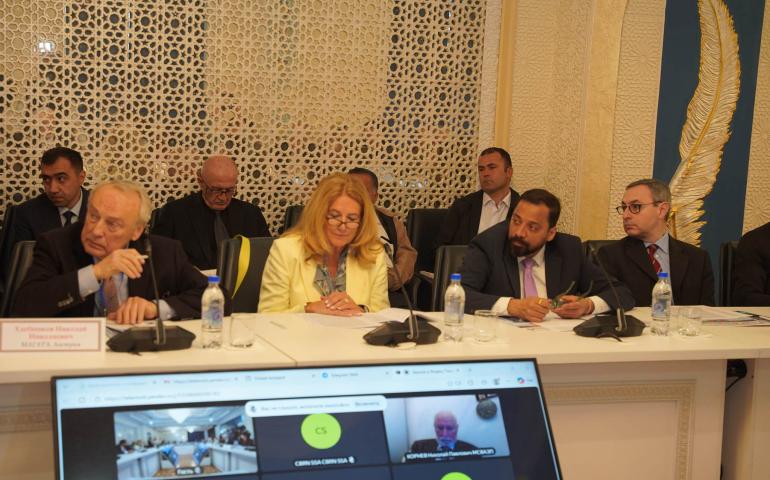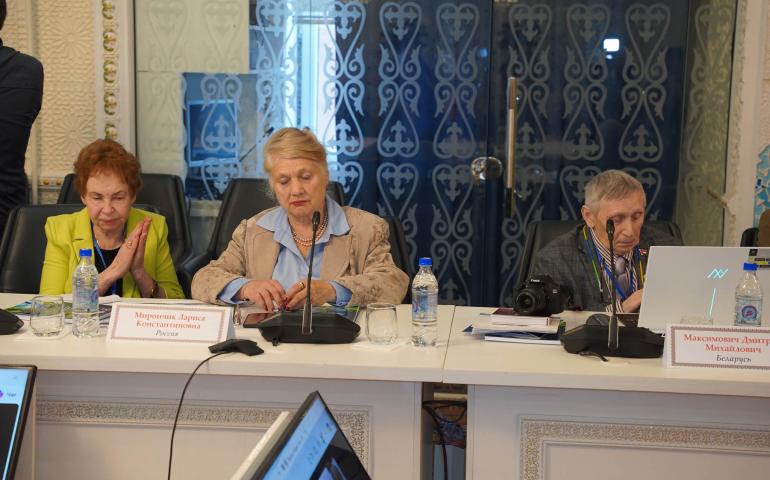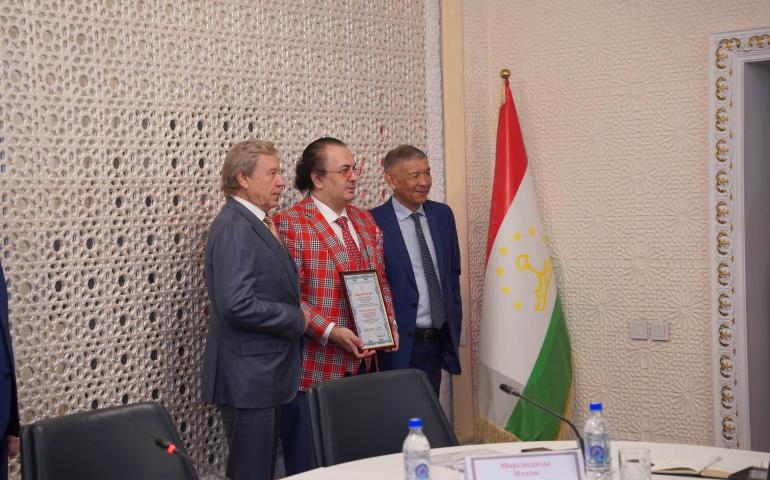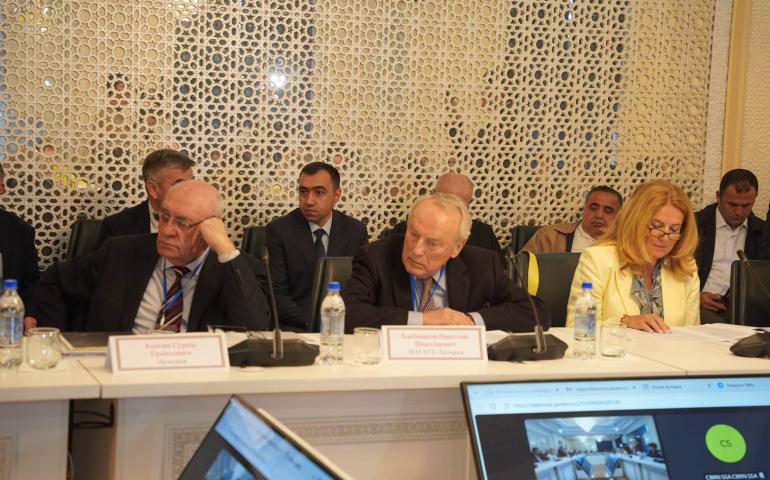


Конститутсия ҳамчун Қонуни асосии ҳар давлат пояи ҳуқуқӣ, сиёсию иҷтимоӣ ва иқтисодии ҷомеаро муайян месозад. Дар ин санади тақдирсози давлатӣ ҳадаф, ормон, ҳуқуқу озодиҳо, сохтори ҳокимият ва роҳҳои пешрафти миллат акс меёбанд. Дар Тоҷикистон низ Конститутсияи Ҷумҳурии Тоҷикистон ҳамчун дастури ягонаи ҳаёти давлатдорӣ ва ҷомеа, 6 ноябри соли 1994 аз тарафи мардуми кишвар тавассути раъйпурсии умумихалқӣ қабул гардид. Аз ҳамин рӯ, ҳар сол 6 ноябр, ҳамчун Рӯзи Конститутсияи Ҷумҳурии Тоҷикистон таҷлил мегардад. Илова бар ин санаи мазкур, рамзи оғози давраи нави давлатдории тоҷикон, таҳкими истиқлолият, сулҳ, ваҳдати миллӣ ва бунёди ҷомеаи ҳуқуқбунёд ба ҳисоб меравад.
Бояд гуфт, ки нақши Конститутсия дар давлатсозии навини тоҷикон мақоми махсус дорад. Тоҷикистон пас аз ба даст овардани Истиқлолияти давлатӣ соли 1991 ба марҳилаи мураккаби сиёсӣ, иқтисодӣ ва иҷтимоӣ ворид шуд. Набудани ҳуҷҷати асосии муттаҳидсоз ва ҷангҳои дохилӣ вазъро мушкил гардонид. Қабули Конститутсия дар ин давраи ҳассос барои муқаррар намудани сохти давлатдорӣ, барқарорсозии сулҳу субот, кафолати ҳуқуқу озодиҳои шаҳрвандон, муайянсозии ҳадафҳои стратегӣ аҳамияти бузург дошт. Дар Конститутсия шакли давлат “Ҷумҳурии демократӣ, ҳуқуқбунёд, дунявӣ ва ягона” муайян гардидааст. Ин таъриф роҳнамо барои тамоми сиёсати давлатӣ ба шумор меравад. Аз тарафи дигар, ҳуқуқу озодиҳои инсон, меҳвари асосӣ маҳсуб мегарданд.
Конститутсияи Ҷумҳурии Тоҷикистон инсонро арзиши олӣ эълон намуда, ҳуқуқу озодиҳои ӯро бевосита эътироф ва кафолат медиҳад. Маҳз ҳуқуқбунёдӣ будани давлат аз ин ҷо сарчашма мегирад. Ҳуқуқҳои зерин ҳамчун асоси ҳуқуқии шаҳрвандон дар Конститутсия сабт шудаанд: ҳуқуқ ба зиндагӣ, озодӣ ва дахлнопазирии шахс, ҳуқуқ ба таҳсил, меҳнат ва ҳифзи иҷтимоӣ, ҳуқуқ ба моликият, ҳуқуқ ба иштирок дар идоракунии давлат, озодии виҷдон, сухан, эътиқод, эҷод ва дигарҳо. Ин меъёрҳо Тоҷикистонро ба самти ҷомеаи адолатпеша ва мардумсолор раҳнамоӣ мекунанд.
Агар дар мавриди тағйиру иловаҳо дар Конститутсия сухан бигӯем, чунин ба назар мерасад, ки барои мутобиқ сохтани Конститутсия ба талаботи замон дар 26 сентябри соли 1999, 22 июни соли 2003 ва 22 майи соли 2016 тағйиру иловаҳо ворид карда шуданд. Ин тағйиротҳо ба таҳкими пояҳои давлатдорӣ, ҳифзи арзишҳои миллӣ, рушди иқтисод ва беҳтар гардидани идоракунии давлат мусоидат намуданд. Конститутсия ҳамчун санади зинда бо такя ба таҷриба ва шароити воқеии ҷомеа такмил меёбад.
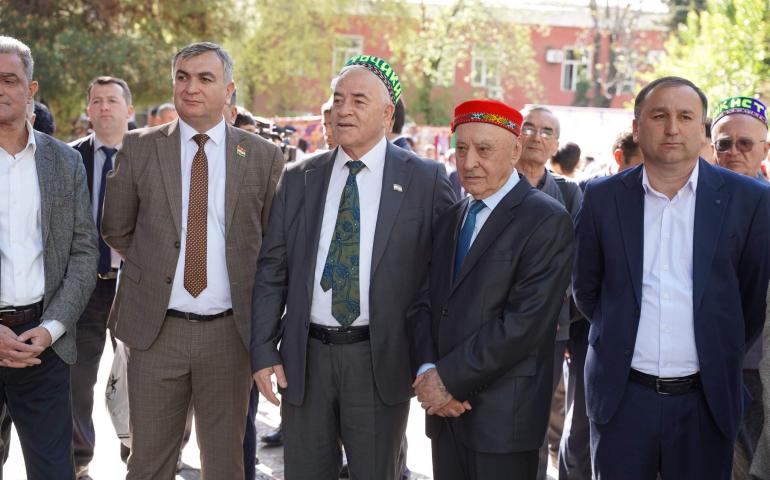
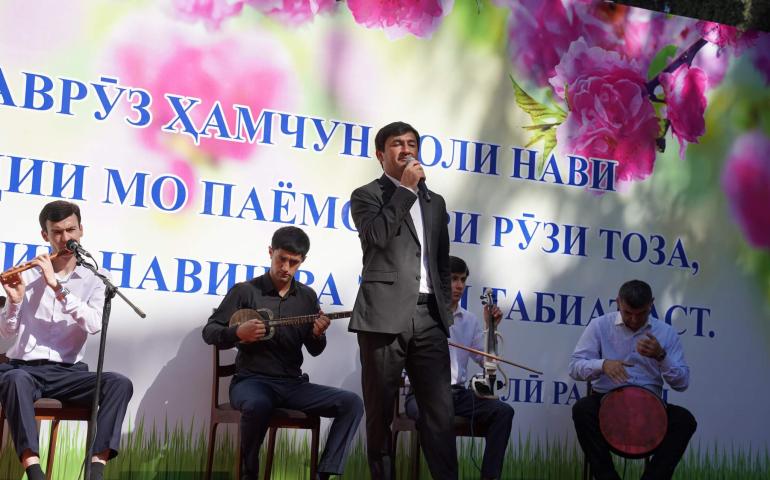
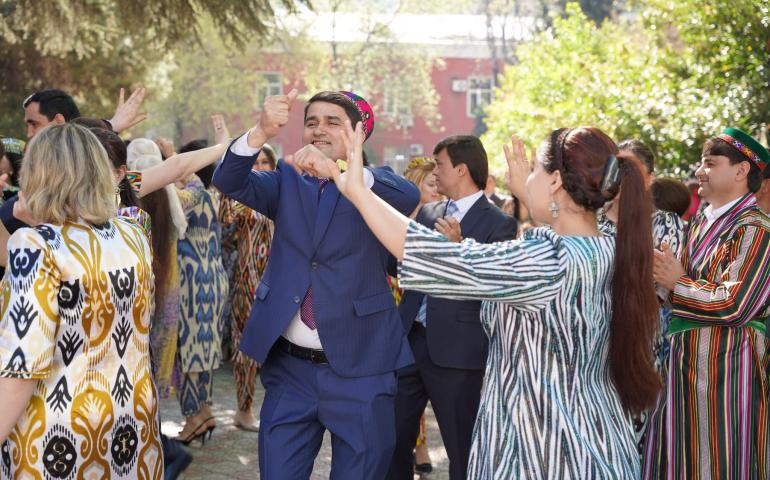
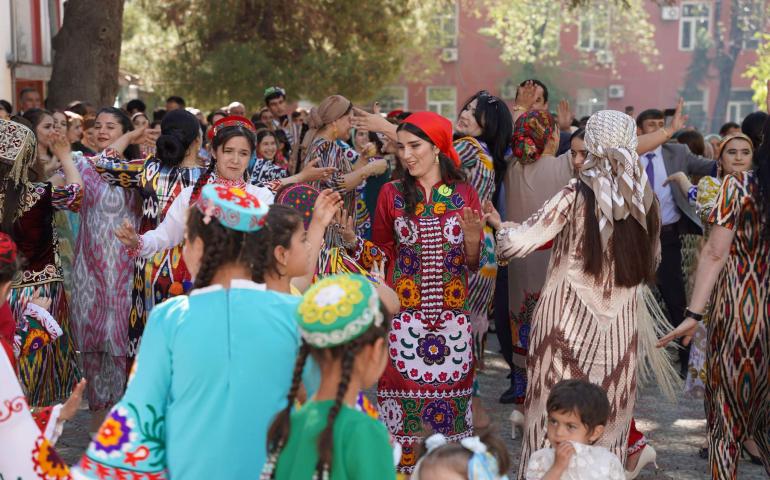
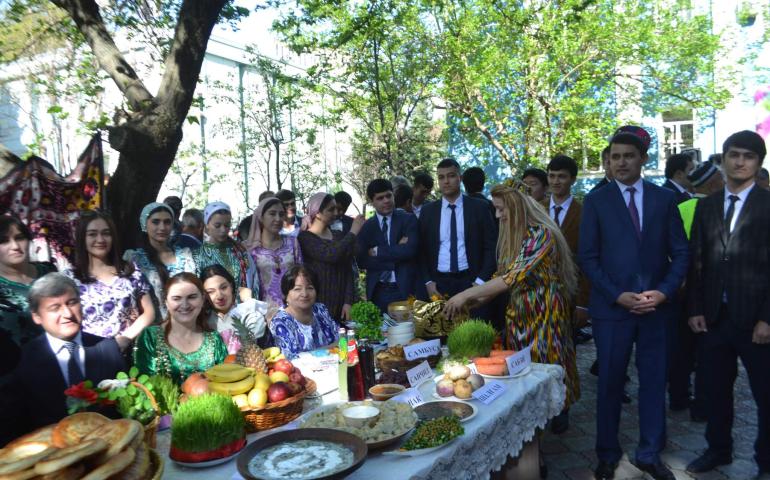
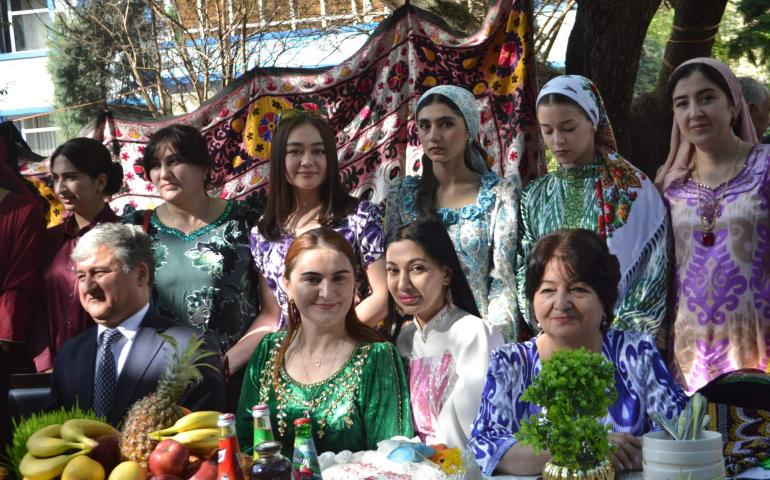
Акнун дар бораи Рӯзи Конститутсия бояд гуфт, ки 6 ноябр дар баробари як ҷашни бошукуҳ буданаш, рамзи хирадмандӣ ва интихоби тарихи миллат, ҷашни ҳуқуқу озодиҳои инсон, нишонаи давлатдории миллии тоҷикон, ҳавасмандкунандаи ваҳдати миллӣ ва сулҳу субот низ мебошад.
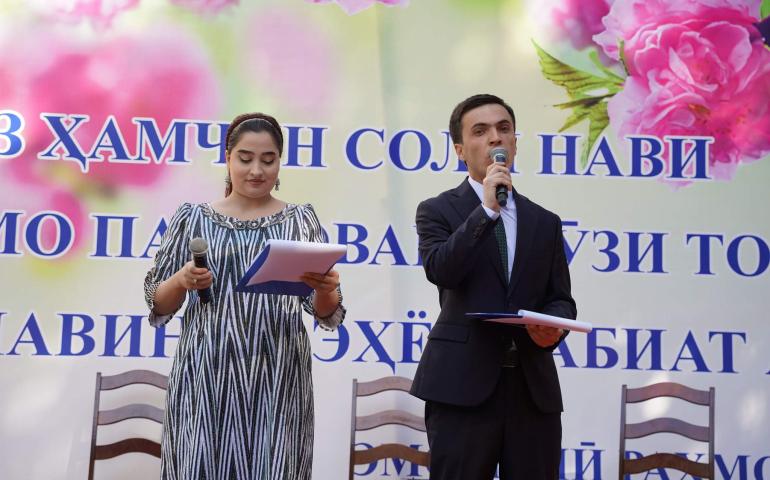
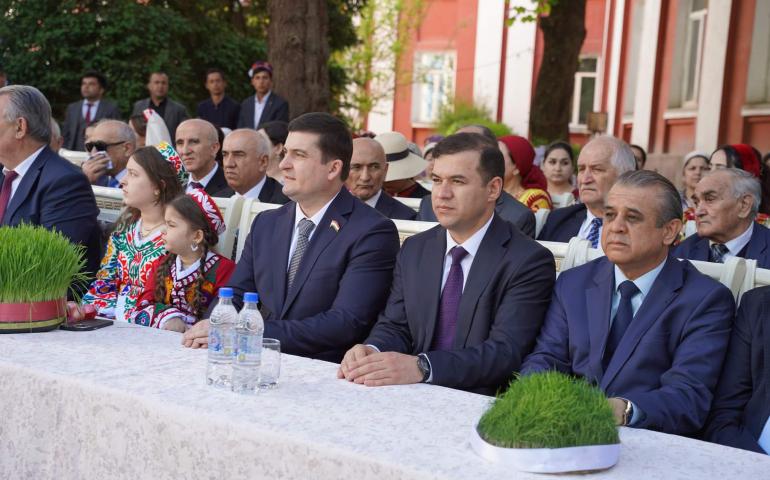
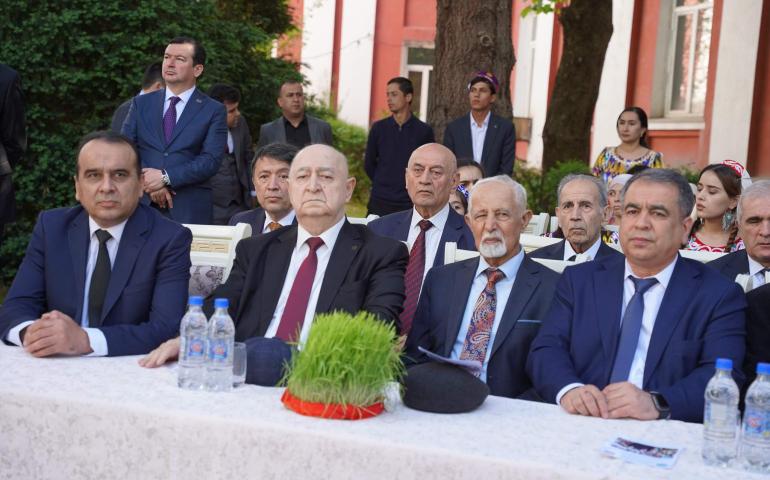
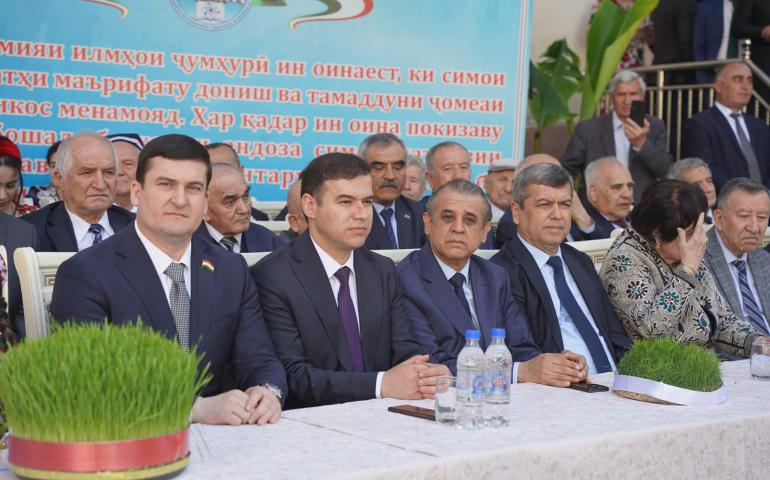
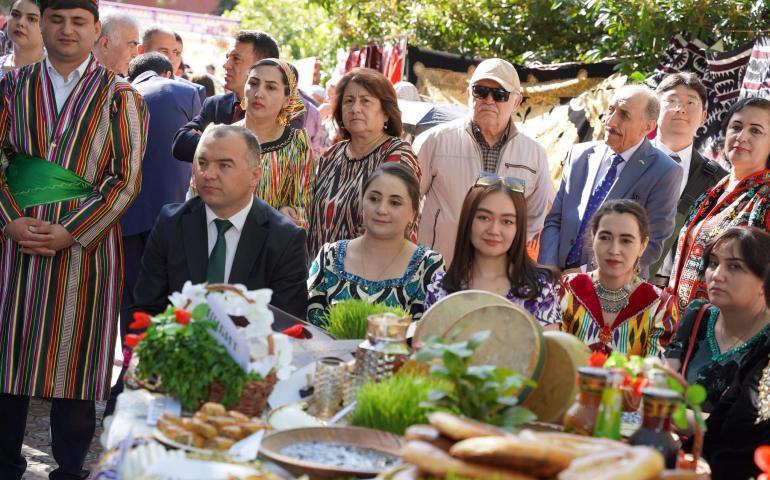
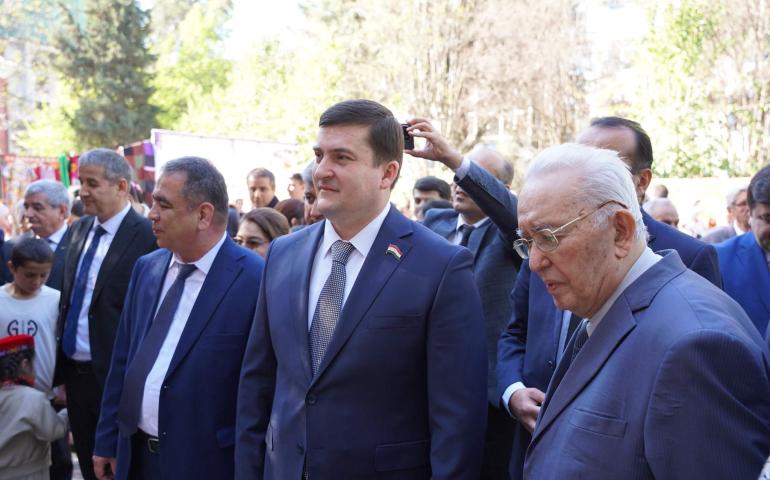
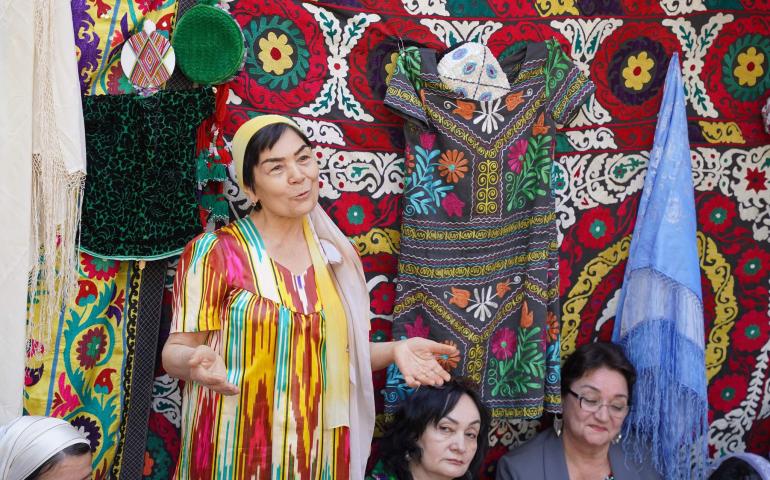
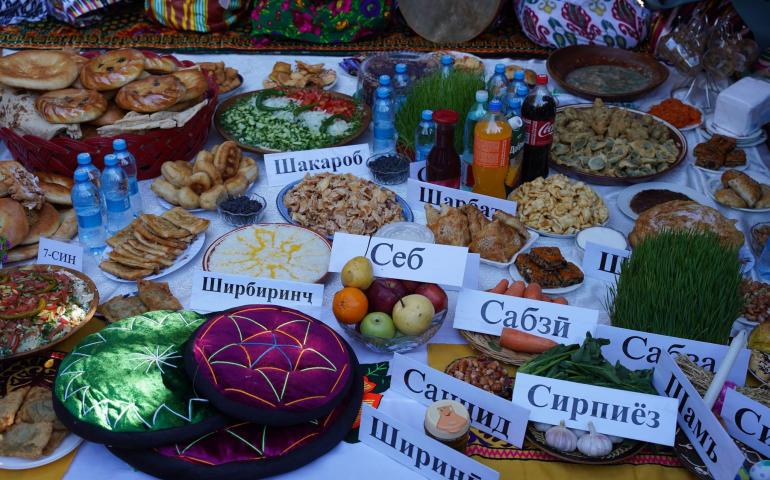
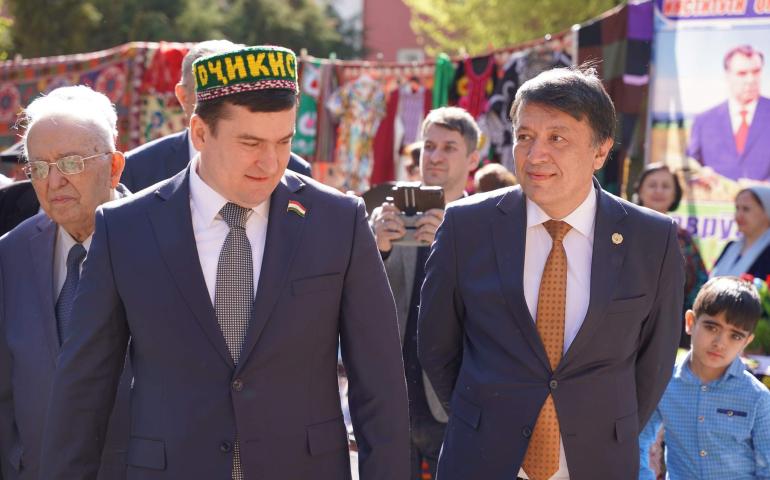
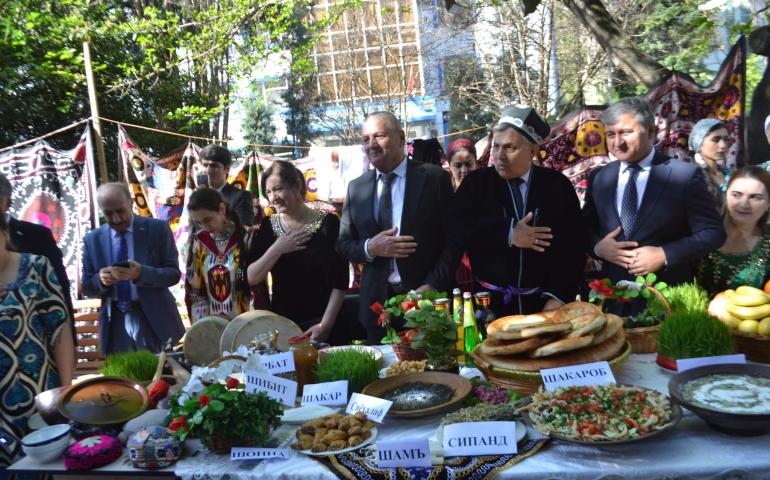
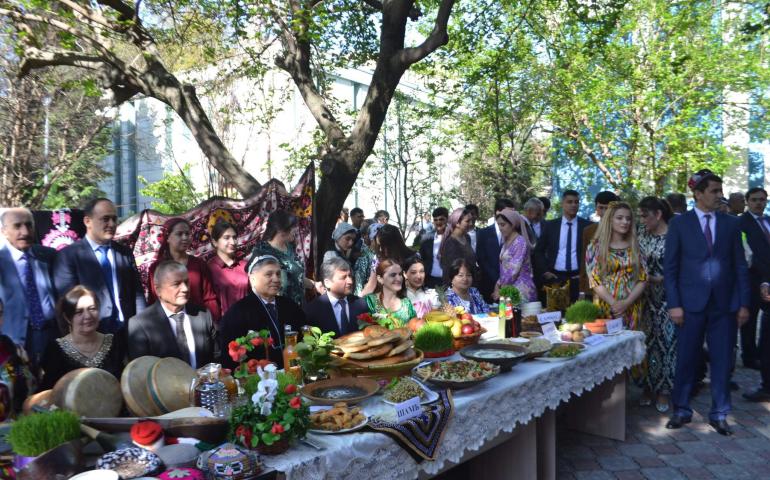
Бояд зикр намуд, ки Рӯзи Конститутсия ҳар сол бо баргузории чорабиниҳои фарҳангӣ, илмӣ ва маърифатию таълимӣ таҷлил мешавад. Дар муассисаҳои таълимӣ дарсҳои кушод, конференсияҳо ва мулоқотҳо доир мегарданд, то насли нав ба қадри арзишҳои конститутсионӣ расад.
Албатта нақши Асосгузори сулҳу ваҳдати миллӣ - Пешвои миллат, Президенти Ҷумҳурии Тоҷикистон муҳтарам Эмомалӣ Раҳмон дар раванди қабули Конститутсия ва барқарории сулҳу субот нақши таърихӣ бозидааст. Бе роҳбарии ӯ ҳеҷ гоҳ имкони ташкили системаи муосири давлатдорӣ ва танзими ҳуқуқии ҷомеа вуҷуд надошт. Маҳз ба шарофати сиёсати хирадмандонаи ӯ Тоҷикистон тавонист, ки ҷанги шаҳрвандиро хотима диҳад, аҳди сулҳро ба даст орад, пояҳои давлати мустақилро бунёд кунад, рушди устувори иқтисодиро таъмин намояд.
Аз ин рӯ, Рӯзи Конститутсия ҳамчунин арҷгузорӣ ба заҳмат ва ҷоннисории халқи Тоҷикистон дар роҳи сулҳу ваҳдат низ мебошад. Албатта Конститутсия дар зиндагии имрӯзаи мардум, нақши бисёр ҳам муҳим дорад. Конститутсия ба ҳар як шаҳрванди Тоҷикистон чунин имкониятҳоро ба монанди: иштирок дар интихобот, таъсиси ташкилотҳои ҷамъиятӣ, рушди фарҳангу забон, истифода аз манфиатҳои иҷтимоӣ, таҳсил ва пешрафт дар шароити озодро фароҳам меорад.
Хулоса, имсол 2025 аз рузи қабул гардидани Конститутсия 31 сол сипарӣ мегардад. Илова бар ин бояд ҳамеша дар ёд дошта бошем, ки ҳар қадар риояи қонун баланд гардад, ҳамон қадар ҷомеа ба пешрафт ва суботи устувор мерасад. Конститутсияи Ҷумҳурии Тоҷикистон санади тақдирсозе мебошад, ки ҳадафҳои бунёдии давлатро муайян карда, роҳнамои ҷомеаи мо ба сӯи ояндаи дурахшон аст. Рӯзи Конститутсия на танҳо ҷашни давлатӣ, балки ҷашни ҳар як шаҳрванди озодандеш ва соҳибғурури тоҷик ба шумор меравад. Таҷлили ин рӯз ҳифзи арзишҳои миллӣ, ваҳдати миллӣ ва эҳтиром ба қонунро дар ҷомеа тақвият мебахшад. Маҳз тавассути риоя ва амалисозии меъёрҳои Конститутсия, Тоҷикистони азизи мо ба сӯи рушду тараққиёт қадамҳои устувор гузошта истодааст.
Беков Дидавар ходими илмии шуъбаи сотсиологияи Институти фалсафа,
сиёсатшиносӣ ва ҳуқуқи ба номи А. Баҳоваддинови АМИТ
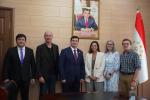
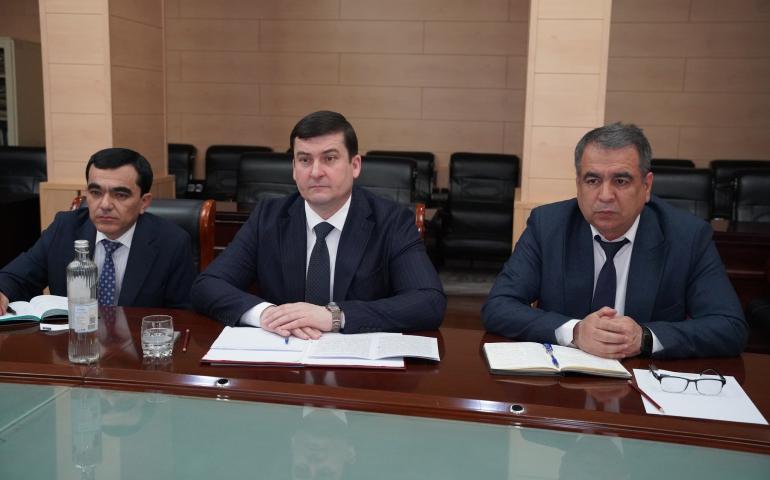
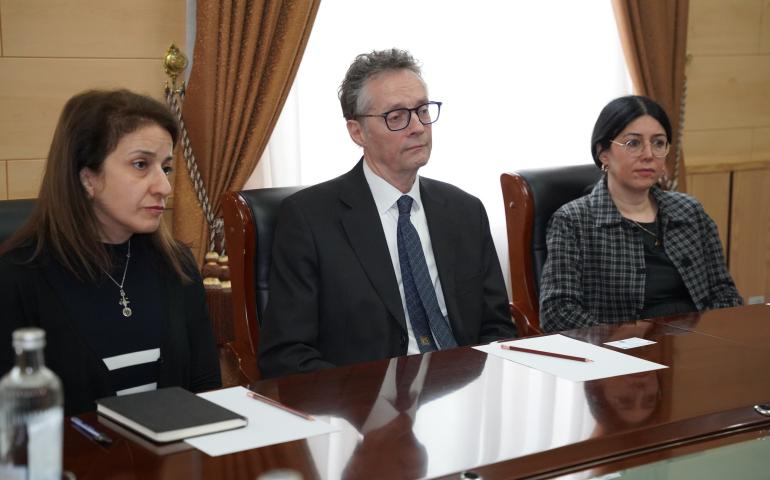
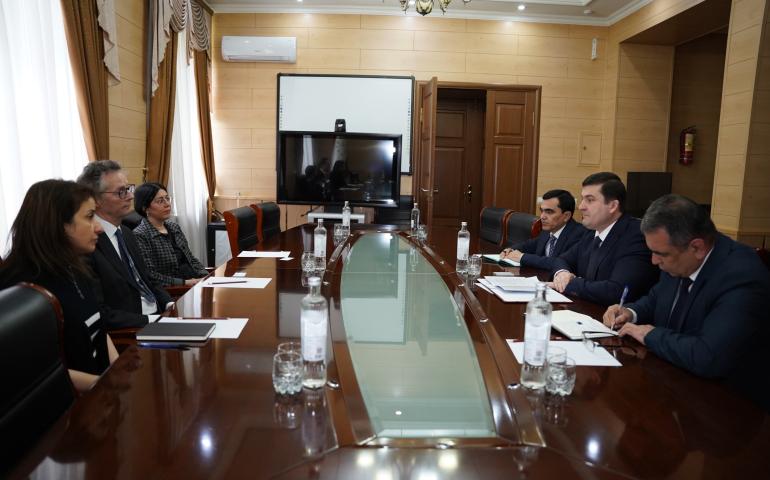
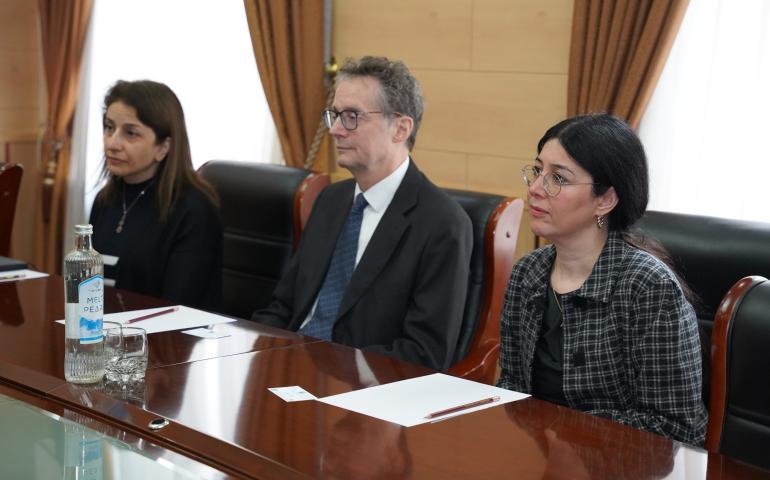
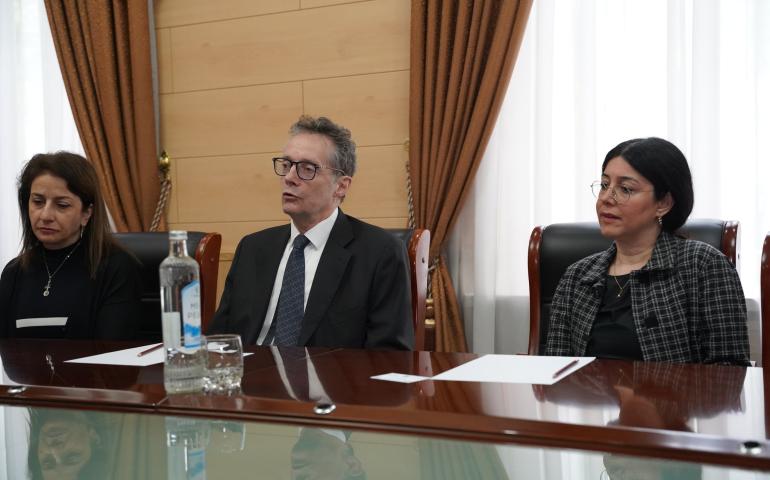
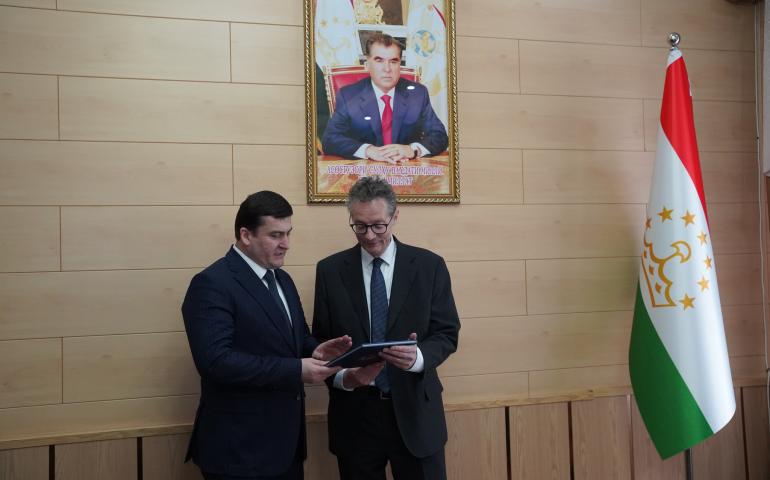
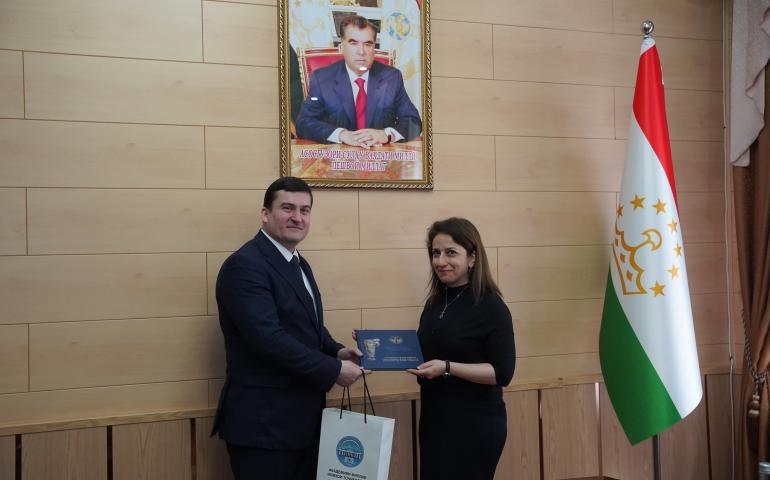
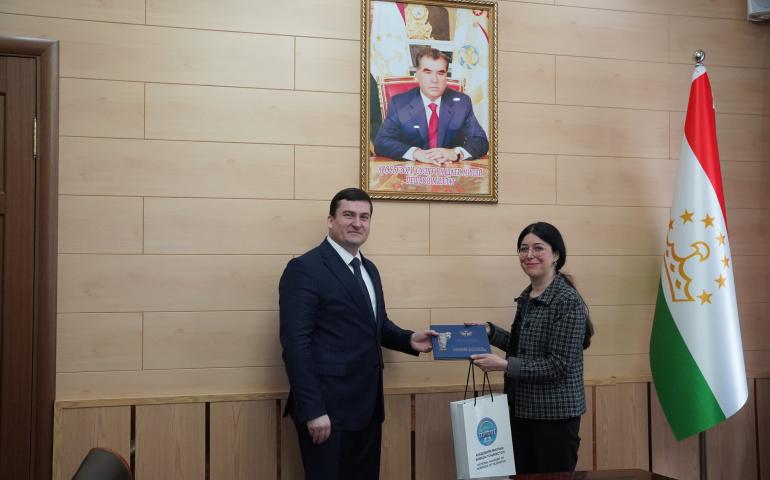
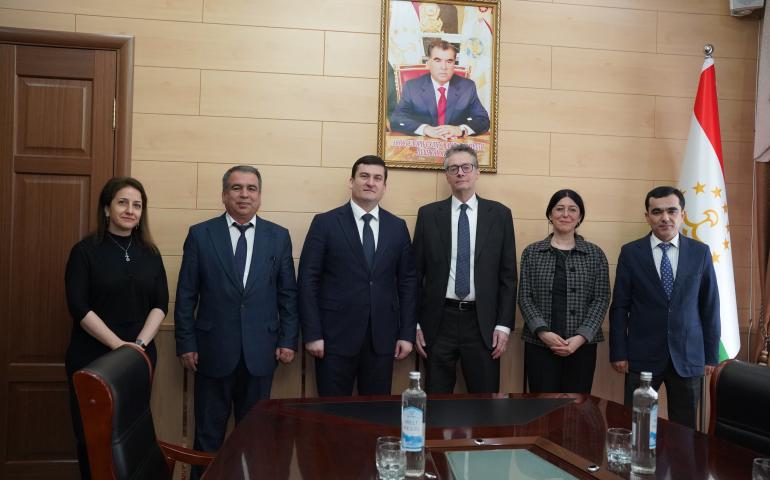
Today, December 24, a meeting was held at the National Academy of Sciences of Tajikistan between the President of the National Academy of Sciences of Tajikistan, Academician Khushvakhtzoda Qobiljon Khushvakht, and Professor Sabzali Musa Khan of the University of Malaysia, as well as Dr. Awang Azman Awang Powi.
During the meeting, the head of the Academy warmly welcomed the guests and provided detailed information on the priority areas of activity of the country’s leading scientific center — the National Academy of Sciences of Tajikistan.
The parties also discussed issues related to conducting field research in the fields of history, preservation of national and cultural values, and comprehensive study of the handwritten manuscripts of prominent scholars and thinkers of Central Asia. In this context, cooperation in research and preservation of cultural heritage, organization of expeditions, and exchange of scientific and research experience were highlighted.
The meeting addressed key areas of cooperation, including the launch of joint research programs, exchange of students and academic staff, organization and holding of seminars and international conferences, as well as strengthening academic ties in the fields of energy, engineering, and new technologies.
It was emphasized that one of the important areas of bilateral cooperation between scientific institutions of Tajikistan and Malaysia is the training of highly qualified scientific personnel at the master’s and doctoral (PhD) levels.
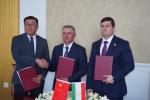
The parties also agreed to further expand cooperation, noting that the signing of a cooperation agreement in the future would be significant for the development of bilateral relations and the strengthening of scientific, cultural, and historical cooperation.
MEETING WITH DEVELOPMENT PARTNERS FROM XI’AN JIAOTONG UNIVERSITY, PEOPLE’S REPUBLIC OF CHINA
Today, December 17, a meeting was held at the National Academy of Sciences of Tajikistan between the President of the National Academy of Sciences of Tajikistan, Academician Khushvakhtzoda Qobiljon Khushvakht, and development partners from Xi’an Jiaotong University, People’s Republic of China.
The meeting was also attended by Vice President of Xi’an Jiaotong University Bie Chaohun, Executive Vice President of the Research Institute Shao Jingyu, Director of the International Center for New Technology Transfer Wang Wen, Deputy Director of the International Office Meng Xiangli, as well as the President’s Advisor and Head of the Department of International Scientific Relations of the National Academy of Sciences of Tajikistan.
During the meeting, the parties discussed issues related to the implementation of the planned activities for the construction of the buildings of the Scientific Center for Information Technology and the dormitory to implement the joint program for training scientific personnel (Master’s and PhD).
In addition, the meeting addressed the expansion of cooperation in the field of international scientific projects and their joint implementation with the participation of scientists and researchers from Xi’an Jiaotong University, People’s Republic of China.
In this regard, the university representatives expressed their full readiness to cooperate with the President of the National Academy of Sciences of Tajikistan, Academician Khushvakhtzoda Qobiljon Khushvakht. On the sidelines of the visit, based on the agreement between the National Academy of Sciences and Xi’an Jiaotong University, the Xi’an–Tajikistan International Center for New Technology Transfer was inaugurated.
At the same time, the university representatives visited the selected site for the construction of the Scientific Center for Information Technology and the dormitory and commenced construction works on these facilities.
COMMISSIONING OF THE JOINT LABORATORY ON ENVIRONMENTAL MONITORING AND BIG DATA UTILIZATION
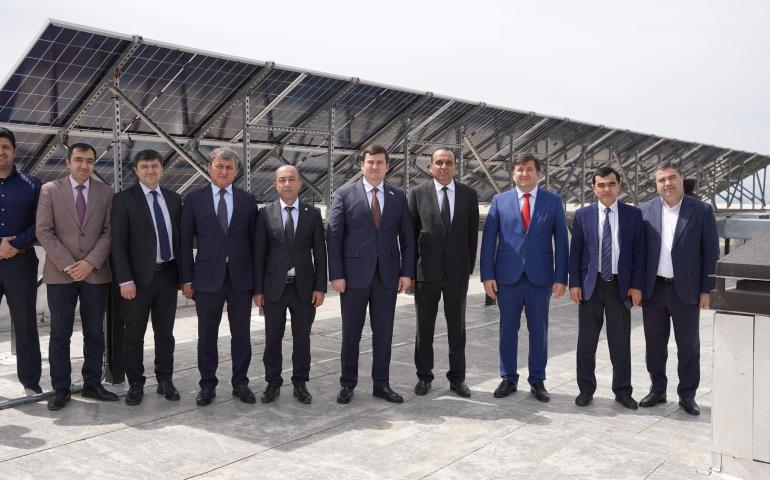
Today, December 10, at the Institute of Water Problems, Hydropower, and Ecology of the Academy of Sciences of Tajikistan, with the participation of the President of the Academy of Sciences of Tajikistan, Academician Khushvakhtzoda Kobiljon Khushvakht, representatives of the Ministry of Transport of the People’s Republic of China, the Ministry of Ecology and Environment of China, and the company Hebei Sailhero Environmental Protection, the joint laboratory on environmental monitoring and big data utilization, equipped with modern technologies, was officially commissioned.
During the opening, it was noted that the advanced equipment installed in the laboratory as part of the joint cooperation and with the support of the Ministry of Transport of the PRC, the Ministry of Ecology and Environment of China, and Hebei Sailhero Environmental Protection is intended for environmental monitoring, quality analysis, and efficient use of natural resources.
The laboratory provides opportunities for scientists from Tajikistan and China to expand scientific collaboration and joint research in the fields of ecology and energy, exchange knowledge and experience, and conduct research at the international level using advanced technologies.
The inauguration of the joint laboratory is an important step in strengthening scientific and technological cooperation between Tajikistan and China, opening wide prospects for sustainable environmental development and scientific progress in both countries. It should be noted that this equipment has been introduced to Tajikistan for the first time, creating new opportunities for advanced environmental research and big data utilization.
The laboratory is equipped with modern and advanced instruments, including a multiparameter water quality analyzer, a portable multiparameter water quality meter P-MP1000, and a networked air quality monitor XHAQSN-822. This equipment is used for environmental monitoring, collection of ecological data, and implementation of joint scientific and technological research.
CEREMONY FOR PRESENTING THE ACHIEVEMENTS OF THE FIRST PHASE OF INTERGOVERNMENTAL SCIENTIFIC AND TECHNOLOGICAL COOPERATION BETWEEN CHINA AND TAJIKISTAN
Today, December 10, at the Institute of Water Problems, Hydropower, and Ecology of the Academy of Sciences of Tajikistan, with the participation of the President of the Academy of Sciences of Tajikistan, Academician Khushvakhtzoda Kobiljon Khushvakht, representatives of the Ministry of Transport of the People’s Republic of China, the Ministry of Ecology and Environment of China, and the company Hebei Sailhero Environmental Protection, a ceremony was held to present the achievements of the first phase of intergovernmental scientific and technological cooperation between China and Tajikistan.
In his opening remarks, the President of the Academy of Sciences of Tajikistan, Academician Khushvakhtzoda Kobiljon Khushvakht, warmly welcomed the guests and noted that for more than three decades, following the restoration of diplomatic relations, friendly ties and constructive cooperation between our countries have been steadily strengthening. Today, this cooperation spans the economy, infrastructure, education, science, and technology, reaching a qualitatively new level.
It was emphasized that intergovernmental scientific and technological cooperation is one of the key directions of bilateral relations. This constructive cooperation, implemented through official mechanisms, contributes to the development of scientific integration, the introduction of modern technologies, and the strengthening of the scientific potential of both Tajikistan and China.
It was also noted that in the context of rapid climate change, global competition, and challenges in food and energy security, countries capable of effectively applying scientific knowledge and innovation gain a strategic advantage. For Tajikistan, intergovernmental scientific and technological cooperation with China serves as a powerful tool to achieve these goals. It enables the enhancement of the country’s scientific and technical potential, access to advanced technologies and laboratory infrastructure, development of human resources and scientific competencies, strengthening the state’s capacity to respond to climate and natural challenges, and support for strategic sectors, including water resources, ecology, agriculture, energy, and biodiversity. All of these make cooperation not only beneficial but essential for the sustainable development of the country.
Following this, representatives of the Ministry of Transport of the PRC and the Ministry of Ecology and Environment of China delivered detailed presentations on the results of the first phase of cooperation. They highlighted practical achievements, including the establishment of new laboratories, implementation of advanced technologies, expansion of scientific infrastructure, and introduction of new methods in the fields of ecology and hydropower. In addition, they outlined opportunities for future cooperation in scientific and technological areas, including human resource development, enhancement of scientific expertise, deployment of innovative equipment, and expansion of joint research for sustainable economic and environmental development.
These presentations demonstrated that the cooperation between the two countries has not only produced tangible results but also opens wide prospects for strengthening scientific integration, adopting modern technologies, and enhancing the scientific potential of both nations.
Today, on December 1, the President of the National Academy of Sciences of Tajikistan, Academician Khushvakhtzoda Qobiljon Khushvakht, held a meeting with the Head of the Regional Programme for Central Asia, Andre Algermissen, and the Project Coordinator for Central Asia, Ashraf Alikulov.
During the meeting, the parties exchanged views on strengthening scientific cooperation within the framework of the Regional Programme for Central Asia and emphasized the need to develop effective coordination mechanisms between scientific institutions of the region and international organizations. It was noted that scientific cooperation and the use of the intellectual potential of Central Asian countries are among the key factors in ensuring sustainable regional development.
The President of the National Academy of Sciences of Tajikistan, Academician Khushvakhtzoda Qobiljon Khushvakht, stressed that the National Academy of Sciences of Tajikistan is ready to enhance cooperation in priority scientific areas, including natural sciences, energy, ecology, information technologies, and climate change studies. It was noted that the implementation of joint projects would contribute to strengthening scientific capacity, attracting qualified specialists, and developing the country’s scientific infrastructure.
Further, the Head of the Regional Programme, Andre Algermissen, expressed satisfaction with cooperation with the Republic of Tajikistan and emphasized that within its mandate, the Programme is ready to provide comprehensive support for new scientific and innovative initiatives, the organization of training programmes, human capacity development, and the expansion of regional scientific networks. It was also noted that effective scientific ties can have a positive impact on strengthening regional stability and security, as well as on improving natural resource management mechanisms.
At the conclusion of the meeting, the parties underscored the importance of developing science diplomacy and expressed their readiness to elaborate specific cooperation plans, hold joint conferences and seminars, and expand relations with international organizations.
VISIT OF THE PRESIDENT OF THE ACADEMY OF SCIENCES TO THE GREENHOUSE FOR GROWING LEMONS AND OTHER SUBTROPICAL FRUITS AT THE EXPERIMENTAL FIELDS OF THE INSTITUTE OF BOTANY
Today, on 25 November, the President of the National Academy of Sciences of Tajikistan, Academician Khushvakhtzoda Qobiljon Khushvakht, visited the greenhouse for growing lemons and other subtropical fruits on the experimental fields of the Institute of Botany, Physiology and Plant Genetics of the National Academy of Sciences of Tajikistan.
It was reported that on the experimental plots of the Institute of Botany, Physiology and Plant Genetics, considering the establishment of a collection orchard of subtropical plants, a mother orchard and the future expansion of nurseries of mandarin and orange varieties, research experiments are being conducted on seedlings propagated by cuttings — Meyer lemon, ponderosa, grapefruit, lime, avocado, mango, feijoa, chayote (Mexican cucumber), passion fruit, momordica, papaya (melon tree) and olive. The purpose of these studies is to increase the productivity of these crops and develop scientifically based recommendations for their introduction into production.
It was emphasized that in the experimental zone, in order to study the productivity of dwarf apple trees in intensive orchards, apple trees grafted on dwarf rootstocks have been planted, and phenological observations and scientific research are being carried out. Various kiwi varieties have also been planted in the experimental area to establish kiwi cultivation in the future under the climatic conditions of Tajikistan; methods of cultivation and propagation are being studied.
During the visit, it was noted that citrus plants represent a large group of evergreen fruit trees belonging to the genus Citrus, which is part of the subfamily Aurantioideae of the family Rutaceae. In Tajikistan, citrus plants have been grown in trenches and lemon houses since the 1930s. The climatic conditions of the Khatlon and Sughd regions, Hisor valley, Lower Kofarnihon valley, Panj river valley, and the valleys of the Surkhob and Yakhsu rivers, as well as central districts, are particularly suitable for their cultivation.
It was also stated that chayote — the Mexican cucumber (Sechium edule L.) - is a perennial climbing plant. Its fruits have been used as food by American Indians since ancient times. Chayote was first brought to Tajikistan by researchers of the Institute of Botany, Physiology and Plant Genetics of the Academy of Sciences from the Krasnodar region of Russia and was included in scientific studies. The methods of chayote propagation, cultivation techniques and fruit quality are being comprehensively studied. Chayote fruit contains oils, proteins, sugar, starch, carotene, mineral substances — potassium, magnesium, iron, phosphorus, vitamins C, B1, B2, PP, as well as proteins containing 19 amino acids, eight of which are essential.
It was reported that passion fruit (marakuya) is a tropical fruit belonging to the group of climbing plants. It has a brightly colored and attractive flower. The fruit is oval, 8–10 cm long. Although the outer appearance of the fruit may seem unattractive, the inside is bright yellow, aromatic and delicious. Due to its rich biochemical composition, passion fruit has high nutritional and medicinal value. The fruit contains 25–40% juice. Passion fruit juice contains provitamin A, vitamins C, B2, B3, B6, B9, microelements K, Fe, Mg, P, and also 73% water, 22% carbohydrates, 2% protein, and 0.7% fat.
In addition, momordica (Momordica) is a tropical climbing plant. The cultivation of momordica on the experimental plots of the Institute of Botany, Physiology and Plant Genetics is the first study of this plant under the conditions of Tajikistan. The plant grows 2.5–3 meters in a season and bears fruit in the same year. The fruit grows up to 10–15 cm. Due to its rich biochemical composition, momordica has significant nutritional and medicinal value. It is used to treat hypertension, hemorrhoids, gastric ulcer, diabetes, leukemia, reduce blood cholesterol levels, strengthen immunity, reduce weight, and оthers.
PRESIDENT OF THE NATIONAL ACADEMY OF SCIENCES OF TAJIKISTAN ELECTED VICE PRESIDENT AND ACADEMICIAN OF THE ASIAN ACADEMY OF SCIENCES
During the First General Assembly of the Asian Academy of Sciences (AASc), held in Hong Kong of the People’s Republic of China, the President of the National Academy of Sciences of Tajikistan, Academician Khushvakhtzoda Qobiljon Khushvakht, was elected Vice President and Academician of the Asian Academy of Sciences.
This historic election stands as evidence of the global recognition of the significant contribution and scientific authority of Tajik scholars in the advancement of science and international research. It also reflects that Tajikistan is acknowledged in the scientific space of Asia and the world as a country with a strong scientific foundation and highly qualified scholars.
The election of the President of the National Academy of Sciences of Tajikistan, Academician Khushvakhtzoda Qobiljon Khushvakht, to a leadership position in the Asian Academy of Sciences opens new opportunities for expanding scientific cooperation between Tajikistan and Asian countries, as well as for implementing joint research programs and strategic scientific initiatives.
It should be noted that the General Assembly was attended by 121 delegates from various countries, including China, Russia (with representatives from the Republic of Tatarstan, the Chechen Republic, the Republic of Dagestan, and the Republic of Bashkortostan); India, Japan, Turkey, Azerbaijan, Georgia, Kazakhstan, Tajikistan, Uzbekistan, Kyrgyzstan, Pakistan, as well as non-Asian countries such as the United States, France, Greece, Moldova, and Belarus. A total of 97 delegates took part in the election, selecting the Academy’s leadership as well as full and associate members.
This election is of exceptional importance for the development of a unified scientific space and the integration of Asian scholars, and it represents recognition of the contribution of Tajikistan and its scientists at both regional and international levels.
It is noteworthy that the Asian Academy of Sciences is the only scientific institution established at the regional and international levels to unite Asian scholars, develop scientific research, and expand strategic cooperation among the countries of the Asian continent, bringing together all scientific institutions of the region.
OFFICIAL OPENING OF THE “DECARBONIZED HEATING SYSTEM USING GEOTHERMAL RESOURCES”
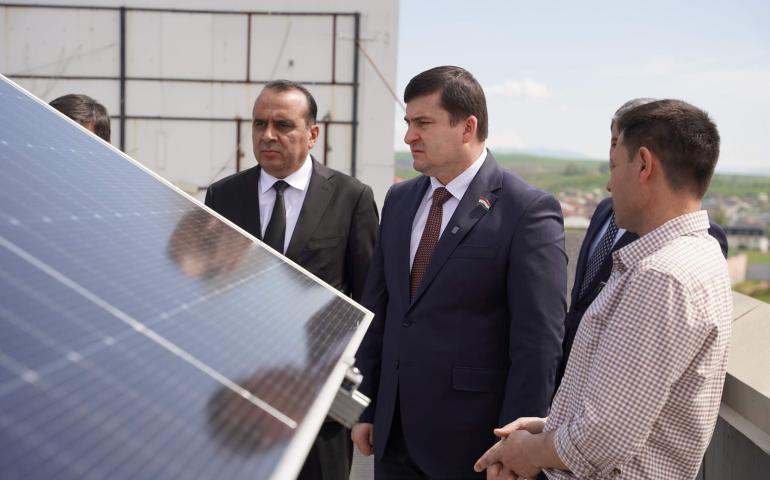
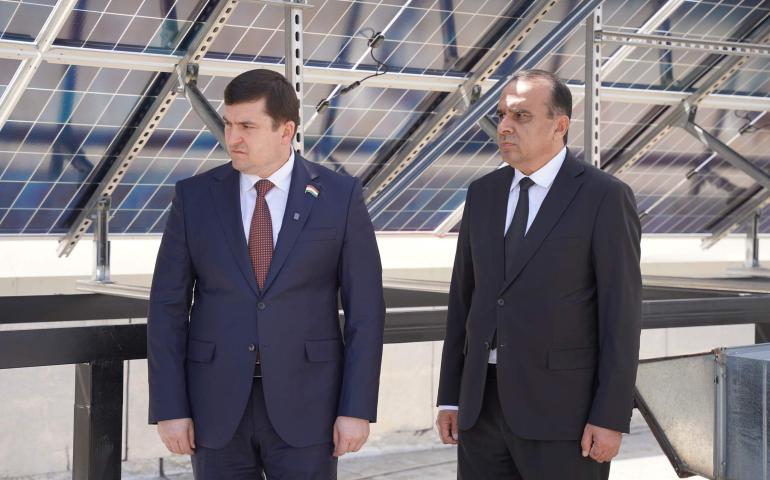
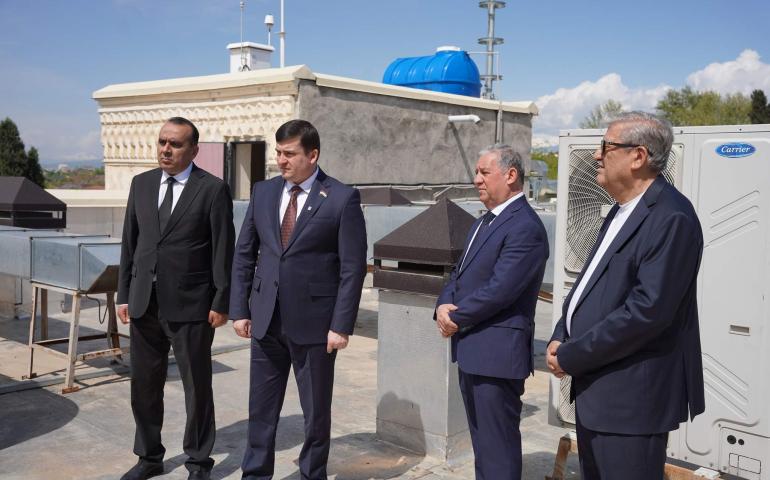
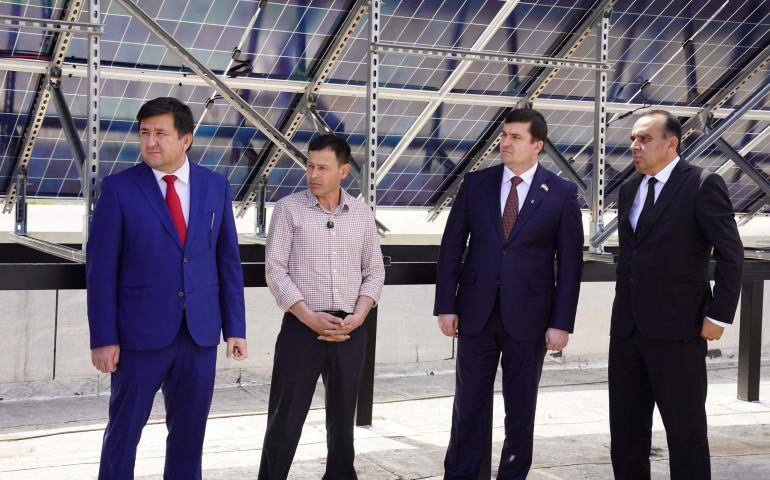
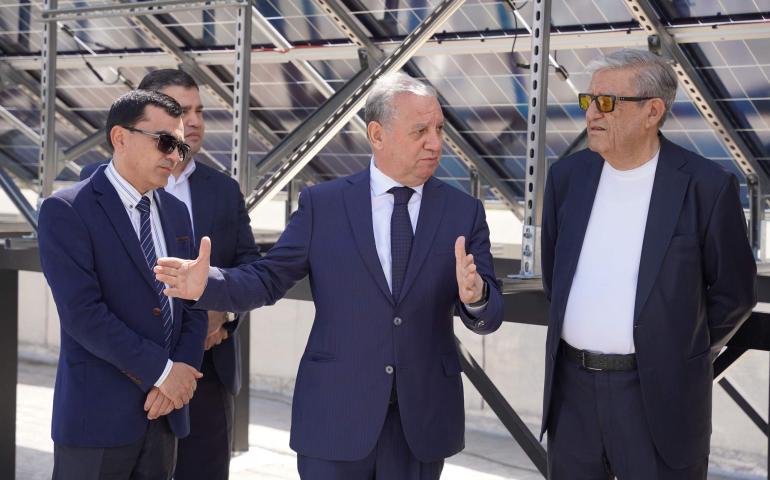
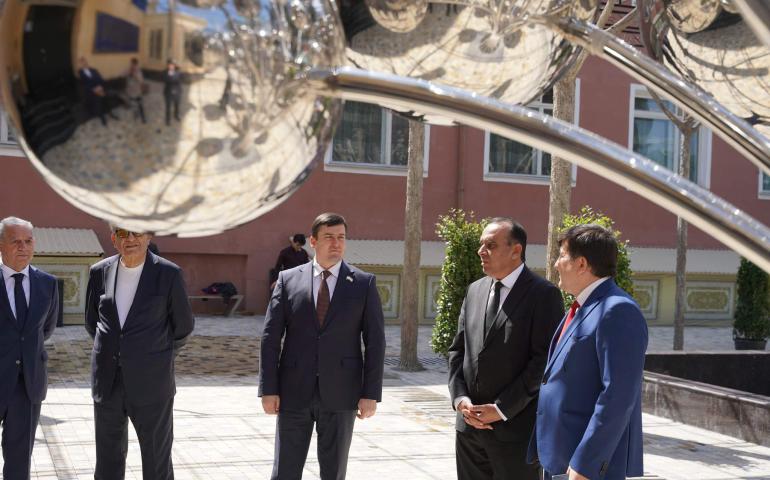
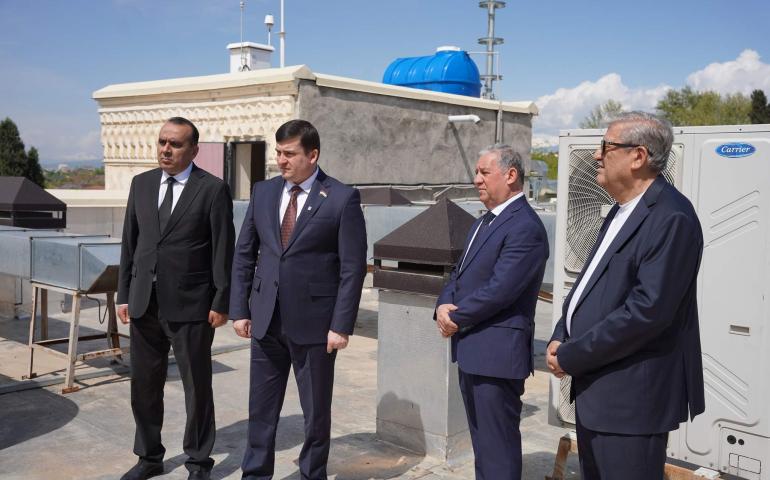
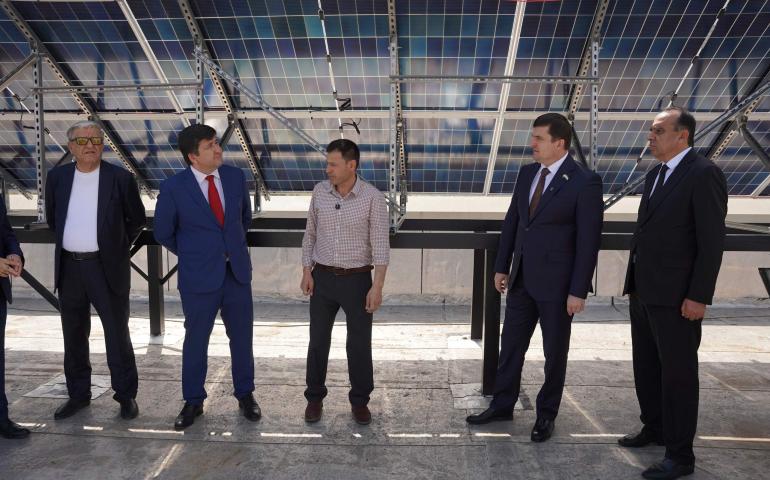
Today, on November 18, the “Decarbonized Heating System Using Geothermal Resources” was officially inaugurated at the Center for Innovation Development of Science and Digital Technologies of the National Academy of Sciences of Tajikistan.
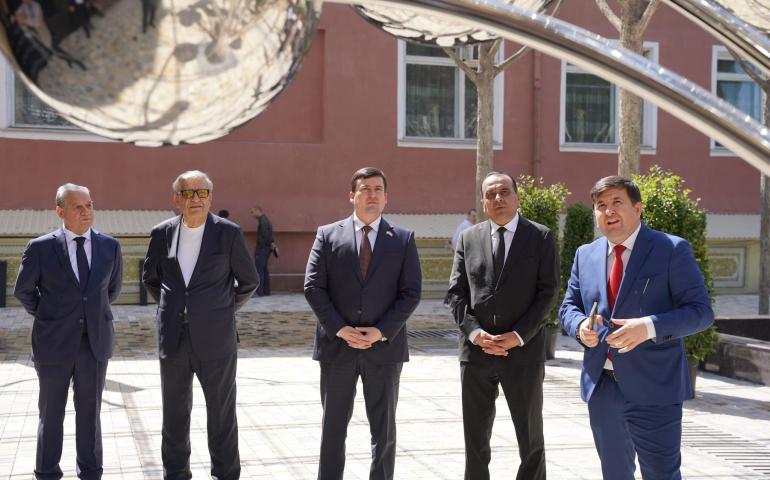
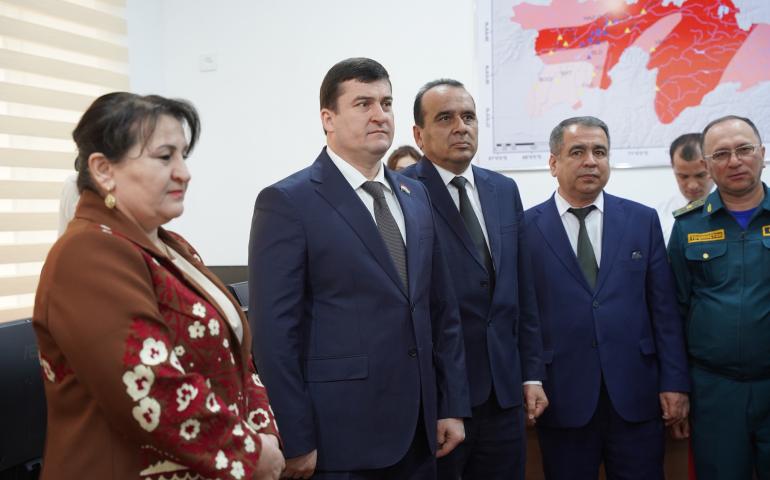
The opening ceremony was attended by the President of the National Academy of Sciences of Tajikistan, Academician Khushvakhtzoda Qobiljon Khushvakht, the Ambassador Extraordinary and Plenipotentiary of Japan to Tajikistan Ms. Keiko Furuta, the representative of the Ministry of Foreign Affairs of the Republic of Tajikistan Mr. Mirzosharif Jalolov, Head of the JICA Office, Mr. Seiju Imai, and representatives of various ministries and agencies of Tajikistan.
As part of the project, an “Ion Chromatography Analyzer” was installed and young researchers received full training. During the opening ceremony, the device was presented by the senior researcher of the Center, Farzona Najmiddinova.
It should be noted that the implementation of the project “Improving the Decarbonized Heating System Using Geothermal Resources” is of great importance, as it helps address a number of key energy, environmental, and social challenges in Tajikistan.
Providing heating in mountainous climates and harsh winters, especially in remote areas, remains one of the pressing issues. Currently, most households, educational institutions, and medical facilities rely on coal, firewood, or liquefied gas, which requires significant expenses and causes environmental pollution due to CO₂ and other emissions.
Using geothermal energy through Ground Source Heat Pump (GSHP) systems makes it possible to reduce heating costs and minimize carbon emissions. The technology operates using stable underground temperatures and can function efficiently year-round.
The application of such technologies not only reduces the use of conventional fuels but also represents a transition to clean and renewable energy sources. At the same time, it improves local energy independence, reduces consumer expenses, and contributes to environmental protection.
Artificial intelligence has also been effectively integrated into this system. Digital systems powered by AI continuously analyze data from sensors—such as underground temperature, heating demand, and climate conditions—allowing for automatic optimization, reduced energy consumption, and improved stability of the entire network.
AI capabilities also support heating load forecasting, intelligent indoor energy management, and cost reduction. As a result, the system becomes not only environmentally friendly and cost-efficient, but an advanced intelligent infrastructure.
Given Tajikistan’s considerable geothermal potential and favorable climate conditions, the integration of GSHP technology and artificial intelligence can become a progressive technological model for other regions and significantly contribute to national strategies for sustainable development, efficient resource use, and climate adaptation.