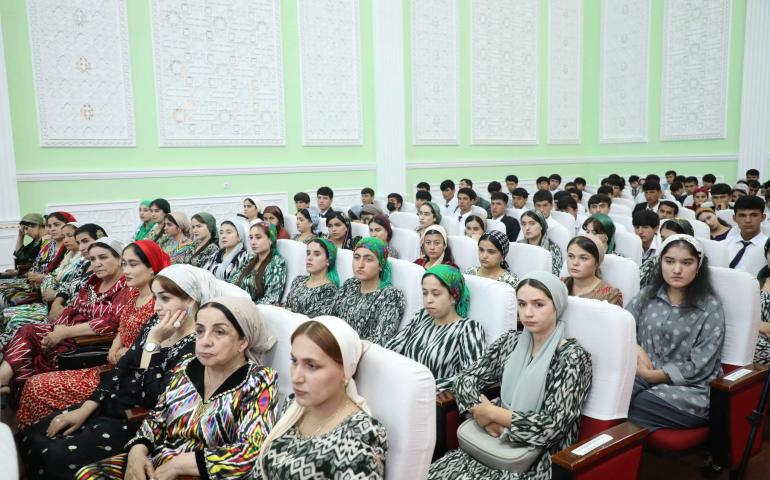
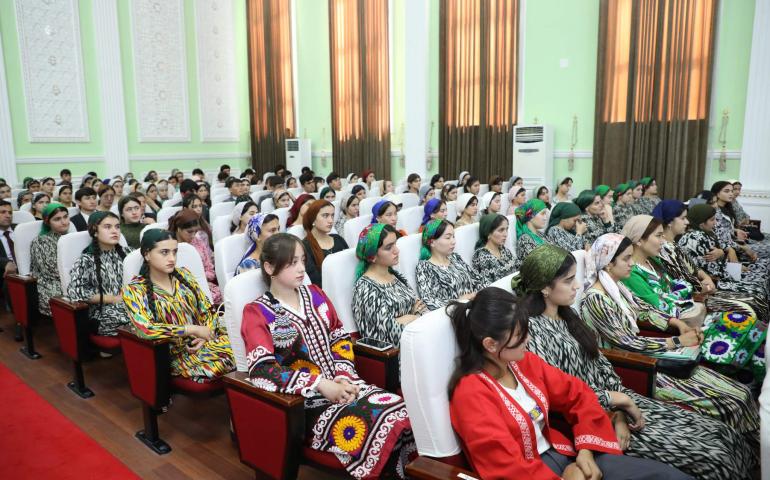
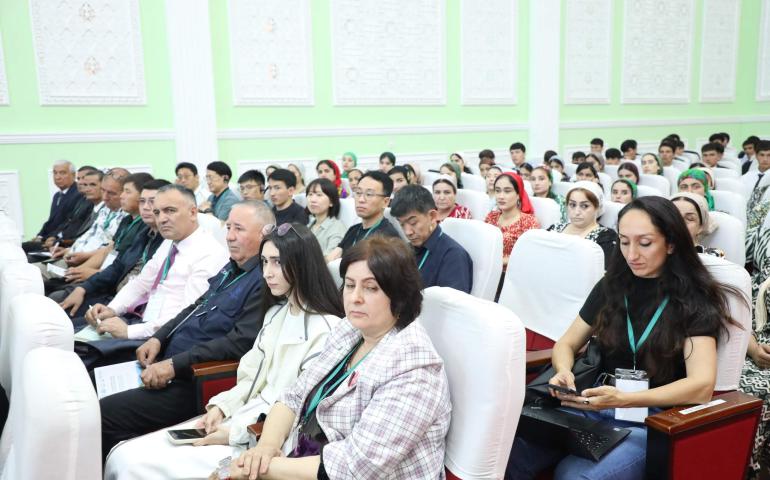
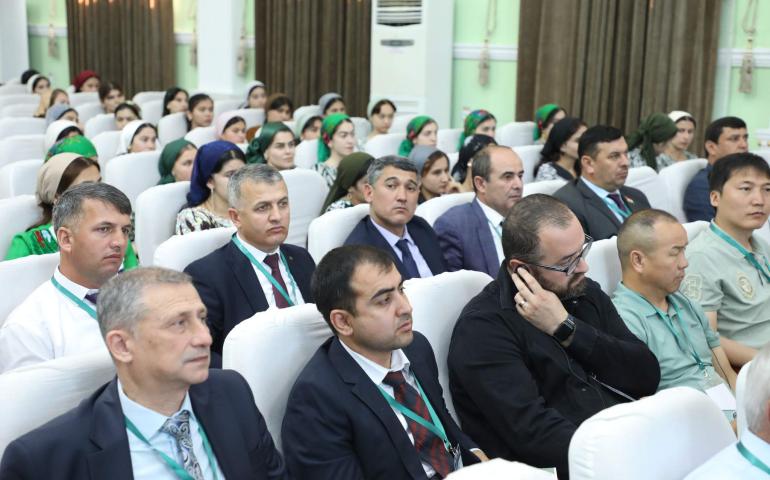
Иди Сада яке аз ҷашнҳои куҳантарин ва пурмуҳтавои фарҳанги мардуми ориёинажод, аз ҷумла халқи тоҷик, ба шумор меравад. Ин ҷашн дар тӯли асрҳо ҳамчун рамзи рӯшноӣ, гармӣ, пирӯзии инсон бар сармо ва торикӣ таҷлил гардида, ҷаҳонбинии мардум, муносибати инсон бо табиат ва қудрати ақлу хирадро инъикос менамояд. Сада на танҳо як ҷашни мавсимӣ, балки ҷашни маънавӣ ва фарҳангӣ буда, дорои арзишҳои амиқи инсонпарварона мебошад.
Мувофиқи сарчашмаҳои таърихӣ ва адабии мардумӣ, Иди Сада дар миёнаи фасли зимистон, тақрибан панҷоҳ рӯз пеш аз Наврӯз таҷлил мегардад. Вожаи «Сада» ба маънои гузаштани сад шабу рӯз аз оғози фасли сармо тафсир мешавад. Дар тафаккури ниёгон ин давра ҳамчун марҳалаи гузариш аз сармои сахт ба гармии тадриҷӣ маънидод мегардид. Аз ин рӯ, Сада рамзи умед, интизории баҳор ва оғози нав дар зиндагии инсон маҳсуб меёфт.
Дар фарҳанги бостонии тоҷикон ва дигар халқҳои ориёинажод оташ ҷойгоҳи махсус дошт. Он дар Иди Сада ҳамчун рамзи асосӣ таҷассум меёфт. Оташ дар ин ҷашн на танҳо манбаи гармӣ ва рӯшноӣ, балки нишонаи ҳаёт, покӣ, неру ва дониш дониста мешуд. Кашфи оташ яке аз марҳилаҳои муҳими рушди тамаддуни инсонӣ ба ҳисоб меравад, зеро он ба инсон имкон дод, ки муҳити зисти худро беҳтар созад, аз сармо эмин монад, ғизоро омода намояд ва истеҳсолу ҳунарҳоро рушд диҳад.
Иди Сада инчунин ҷашни заҳмат ва меҳнатдӯстӣ мебошад. Дар тафаккури ниёгон, инсон танҳо бо меҳнат ва истифодаи оқилонаи неруҳои табиат метавонад зиндагии худро обод созад. Аз ин рӯ, Сада мардумро ба меҳнат, созандагӣ ва истифодаи хирадмандонаи неъматҳои табиат даъват менамуд. Ин андешаҳо имрӯз низ аҳамияти хос доранд, зеро масъалаҳои рушди устувор, ҳифзи муҳити зист ва истифодаи самараноки захираҳои табиӣ ба масъалаҳои муҳими ҷомеаи муосир табдил ёфтаанд.
Ҷашни Сада дорои хусусияти иҷтимоӣ низ мебошад. Дар гузашта мардум бо таҷлили ин ҷашн гирди ҳам меомаданд, оташи рамзӣ меафрӯхтанд, орзуҳои нек мекарданд ва ба ҳамдигар меҳру муҳаббат зоҳир менамуданд. Ин анъанаҳо барои таҳкими ҳамбастагӣ, дӯстӣ ва ҳамдигарфаҳмӣ дар ҷомеа мусоидат мекарданд. Сада ҳамчун ҷашни умед ва иттиҳод, рӯҳияи мардумро қавӣ мегардонд ва онҳоро ба фардои равшан дилгарм месохт.
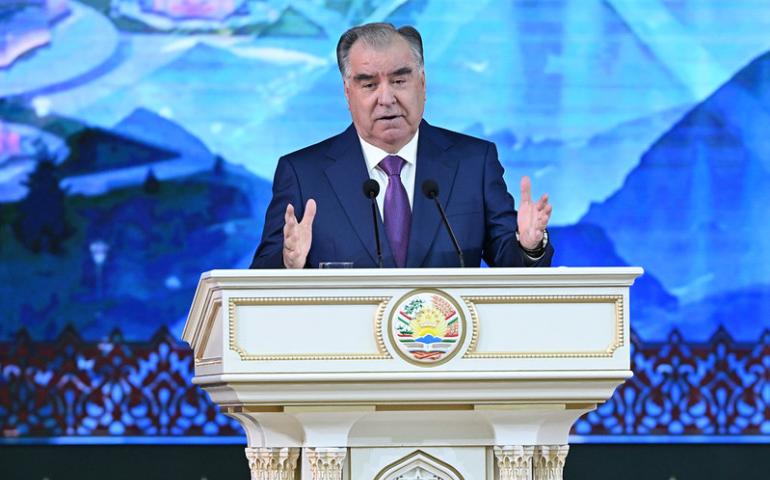
Дар замони соҳибистиқлолии Ҷумҳурии Тоҷикистон, бо сиёсати фарҳангпарварона ва хирадмандонаи Пешвои миллат, Президенти Ҷумҳурии Тоҷикистон муҳтарам Эмомалӣ Раҳмон, ҷашнҳои бостонӣ, аз ҷумла Иди Сада, аз нав эҳё гардиданд. Эҳёи ин ҷашнҳо нишонаи эҳтиром ба таърих, фарҳанг ва арзишҳои миллӣ буда, барои таҳкими худшиносии миллӣ ва ифтихор аз гузашта аҳамияти бузург дорад. Иди Сада имрӯз ҳамчун ҷузъи таркибии фарҳанги миллӣ дар сатҳи давлатӣ таҷлил мегардад.
Тавассути таҷлили Иди Сада насли ҷавон ба омӯзиши таърих, фарҳанг ва суннатҳои ниёгон ҷалб мегардад. Ин ҷашн воситаи муҳими тарбияи ватандӯстӣ, худшиносии миллӣ ва эҳтиром ба арзишҳои фарҳангӣ мебошад. Он ба ҷавонон мефаҳмонад, ки фарҳанги миллӣ решаҳои амиқ дорад ва ҳифзи он вазифаи муқаддаси ҳар як шаҳрванди кишвар мебошад.
Имрӯз Иди Сада на танҳо ҳамчун ёдгории гузашта, балки ҳамчун ҷашни зинда ва дорои аҳамияти иҷтимоӣ, фарҳангӣ ва маънавӣ таҷлил мегардад. Он рамзи пайванди наслҳо, робитаи гузашта бо имрӯз ва боварӣ ба ояндаи ободу равшан мебошад. Сада мардумро ба зиндагии созанда, меҳнатдӯстӣ ва эҳтиром ба табиат ҳидоят мекунад.
Хулоса бар ин аст, ки Иди Сада ҷашни рӯшноӣ ва гармии маънавӣ, рамзи хиради инсонӣ ва заҳмати созанда буда, арзишҳои волои фарҳанги миллии халқи тоҷикро таҷассум менамояд. Гиромидошти ин ҷашн гиромидошти таърих, фарҳанг ва ҳувияти миллӣ мебошад. Иди Сада моро ба қадршиносии гузашта, масъулият дар имрӯз ва умед ба фардои пурнур раҳнамоӣ мекунад.
Раҳимӣ Шукур Аҳмадзода – лаборанти калони Филиали Агентӣ дар вилояти Суғд
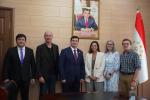
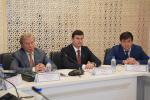
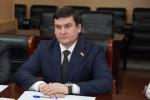
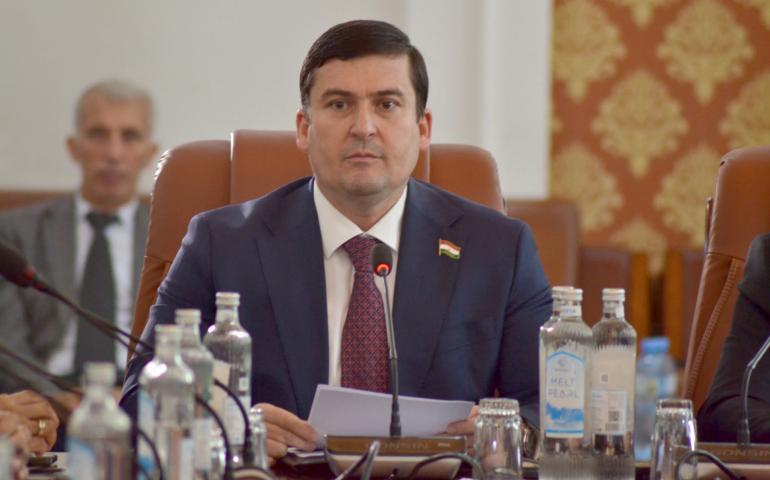
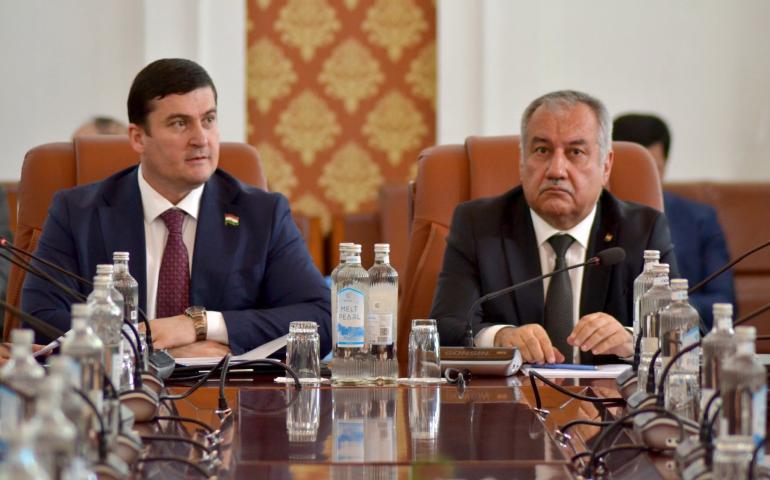
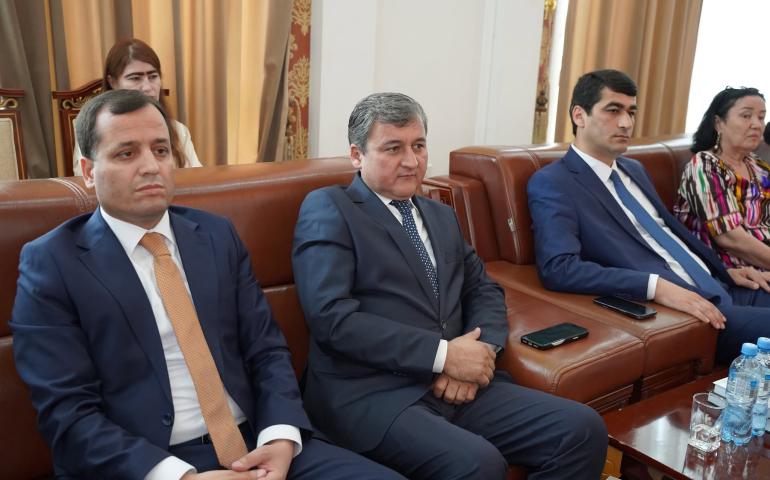
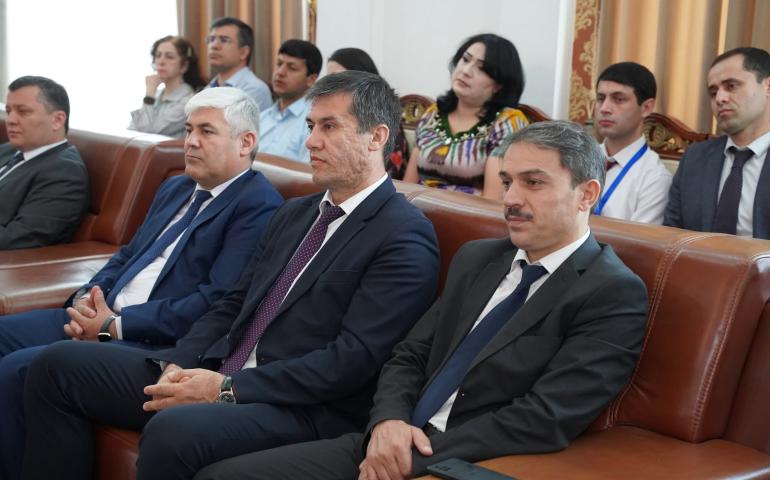
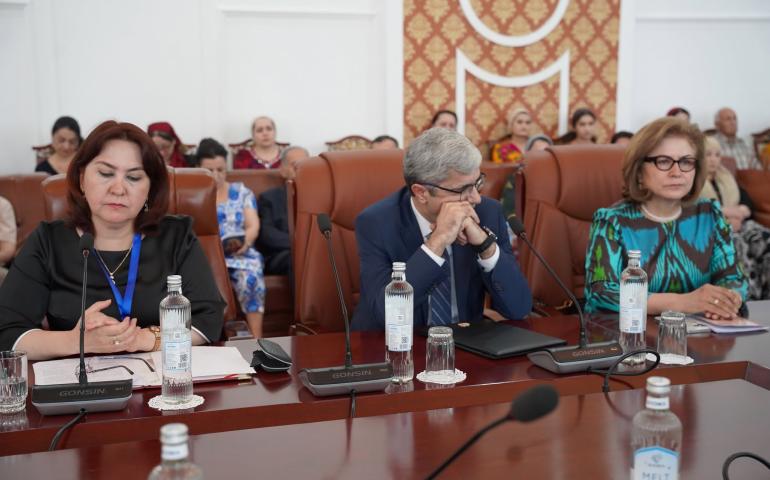
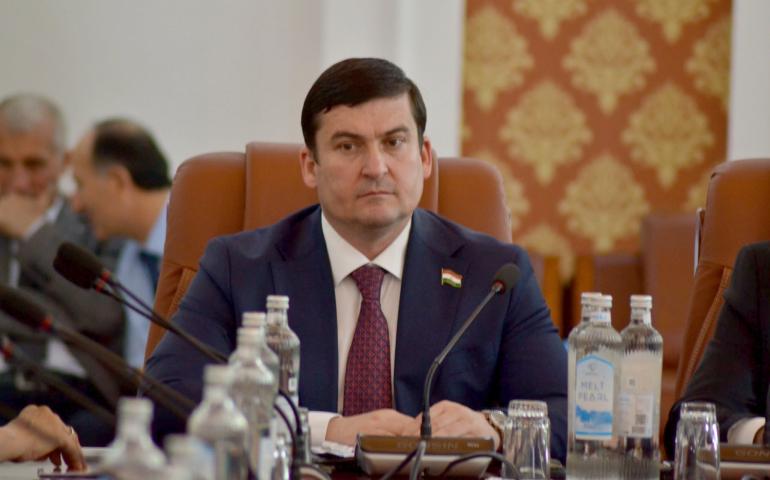
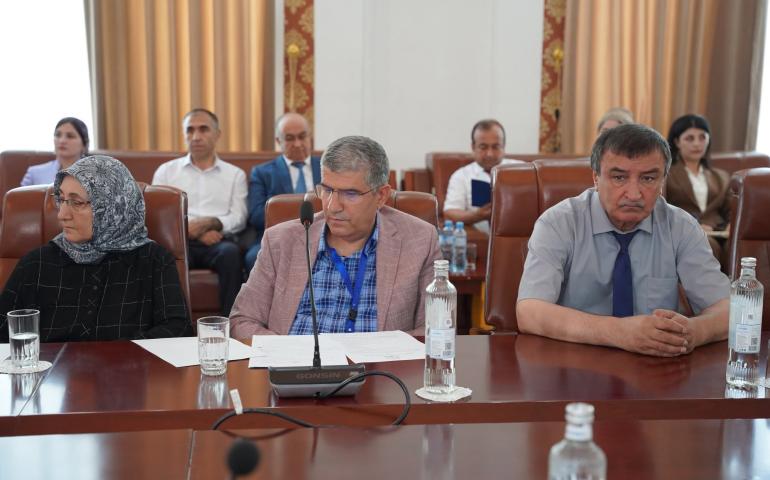
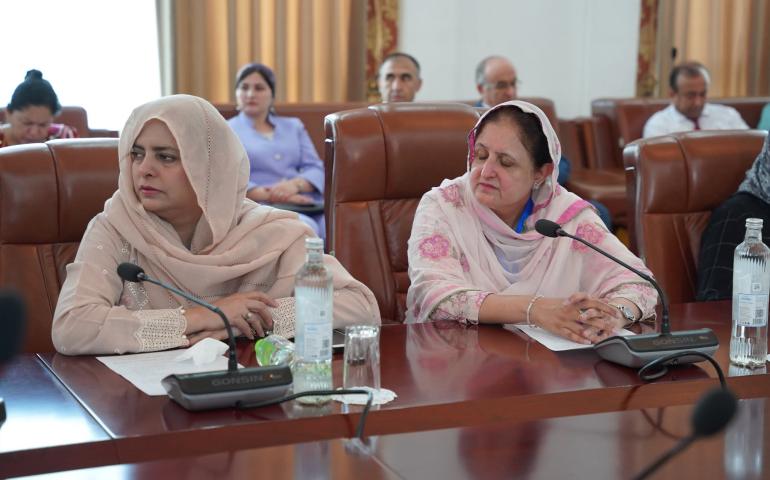
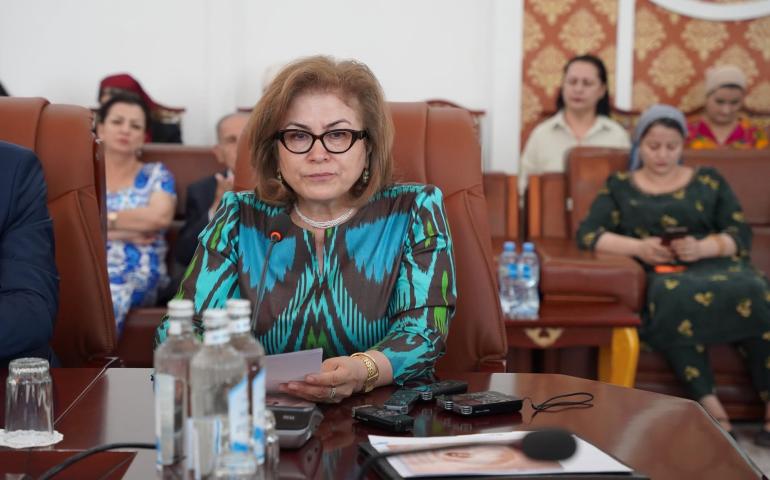
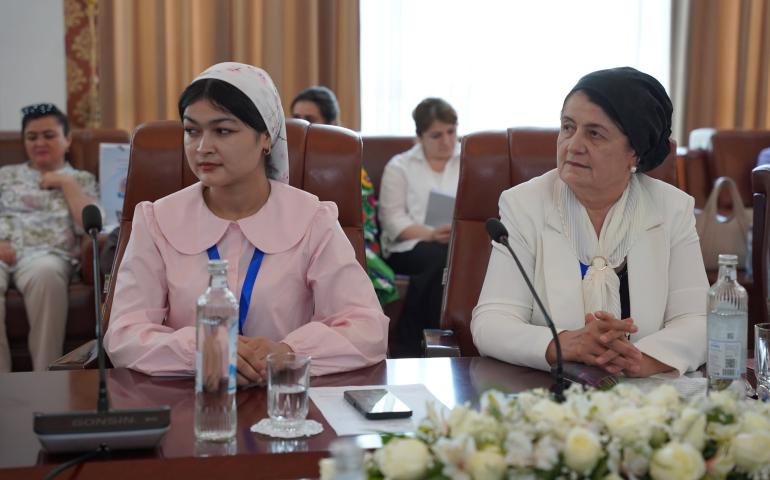
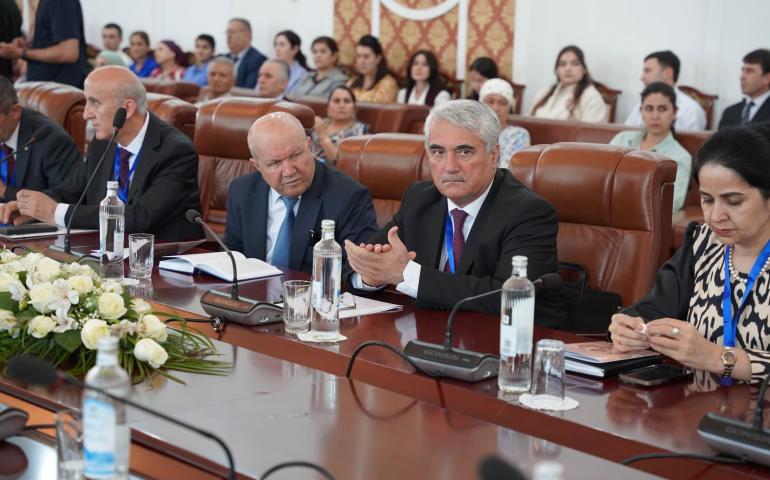
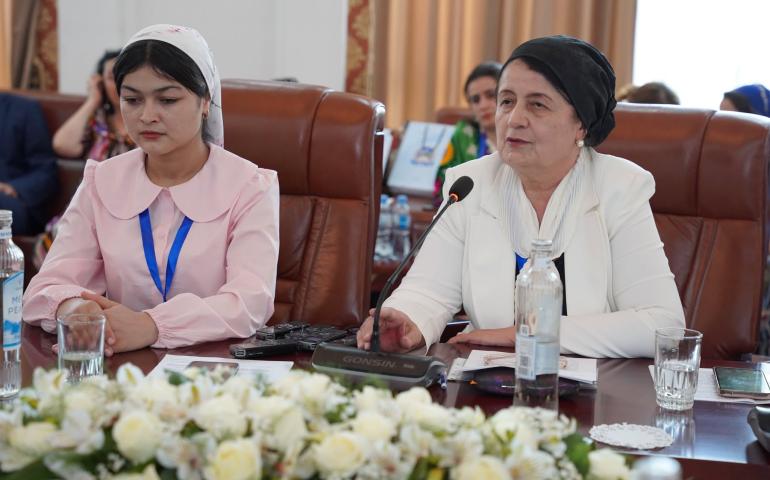
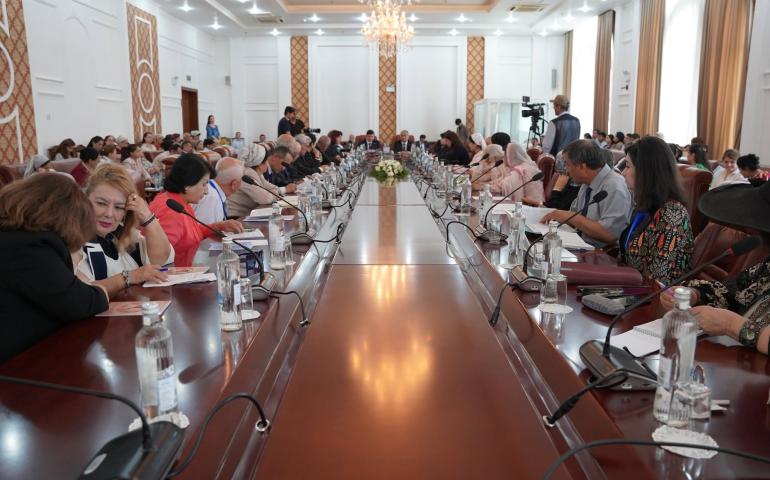
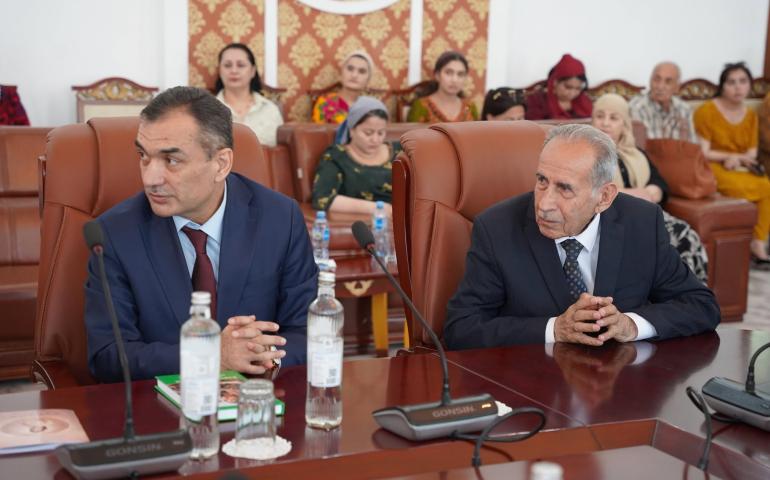
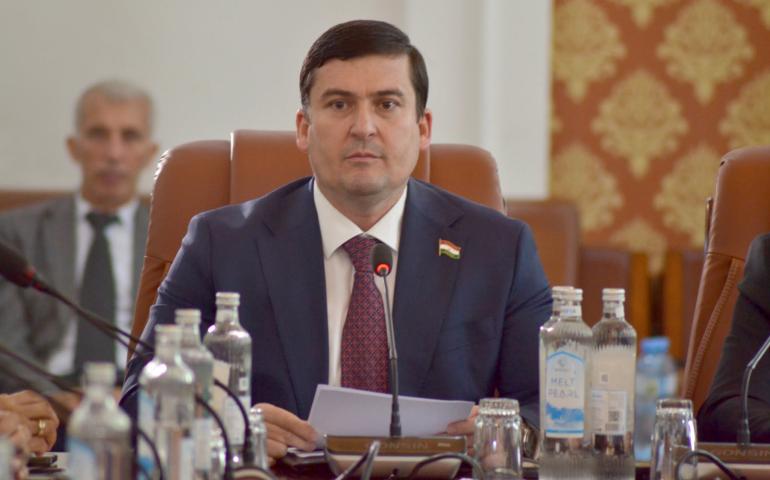
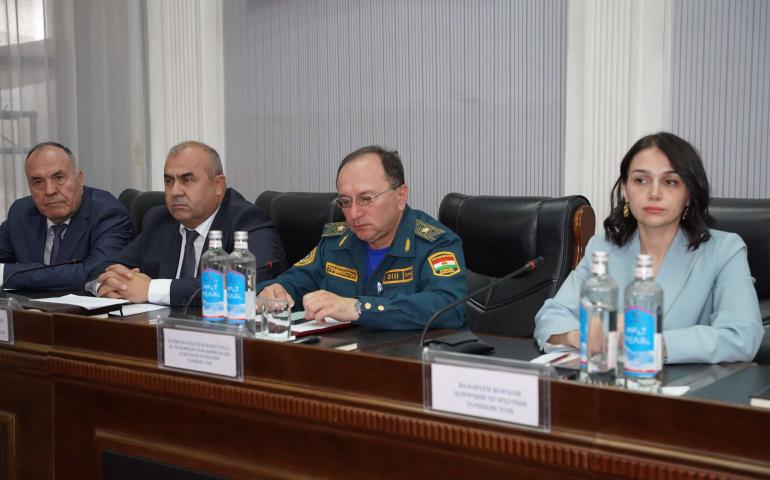
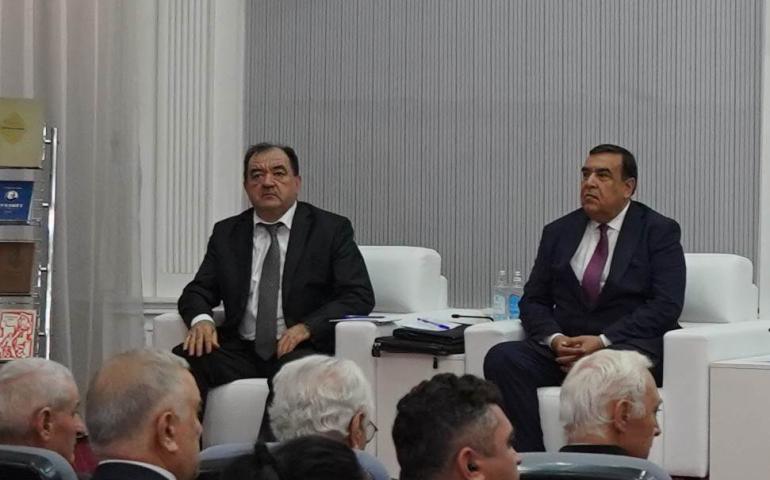
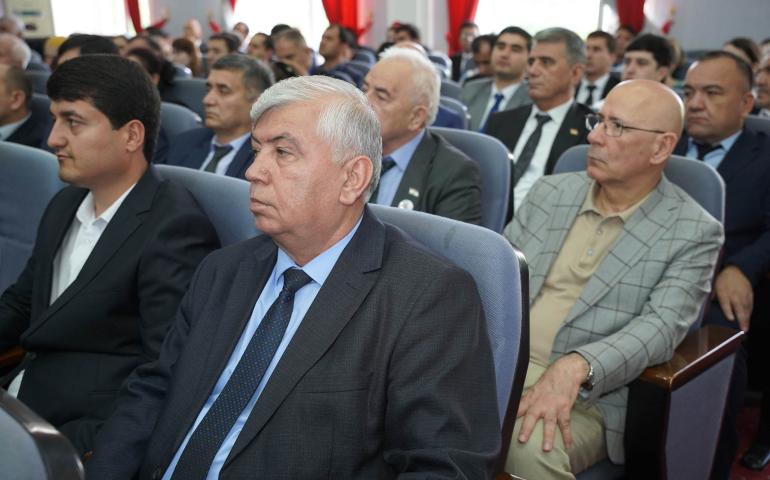
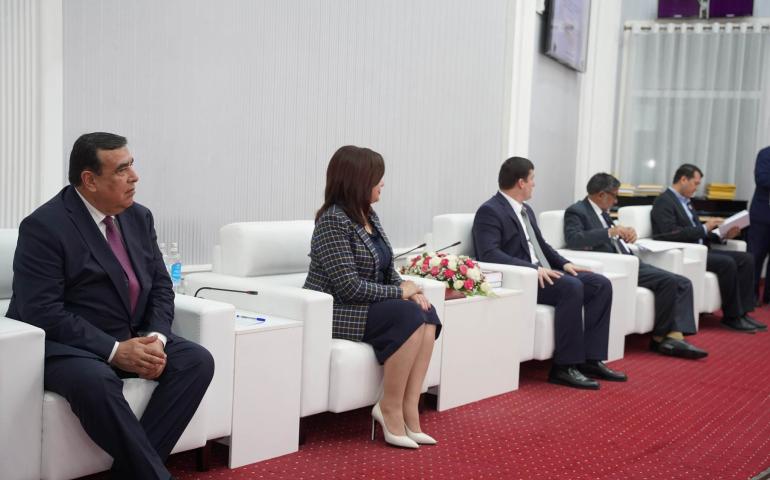
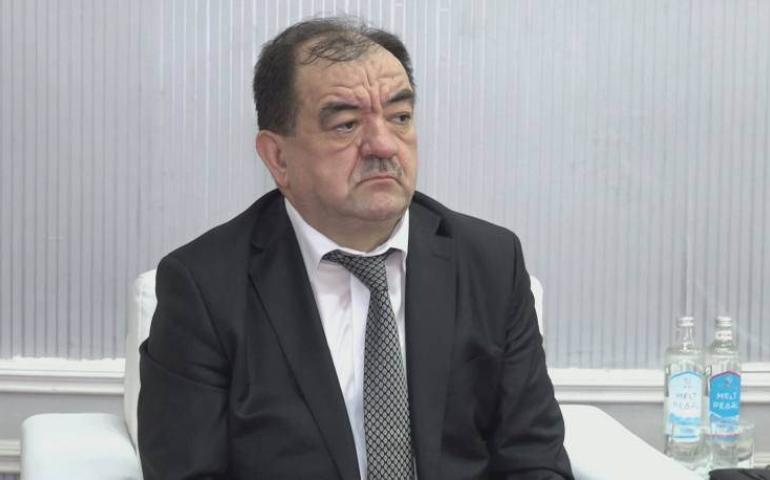
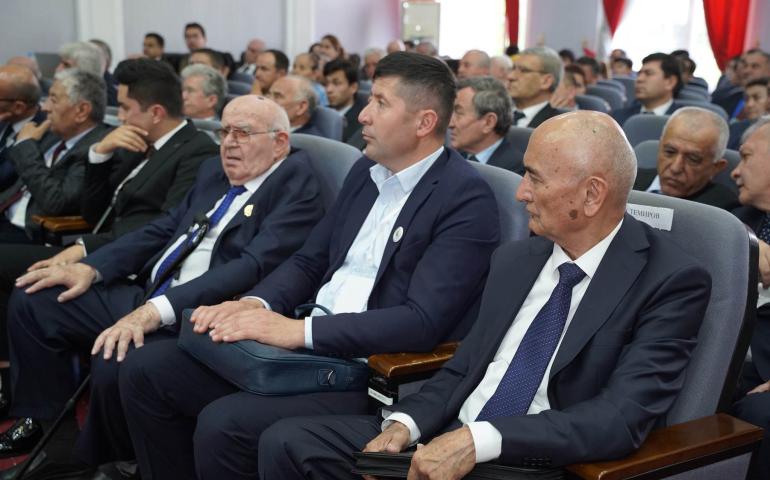
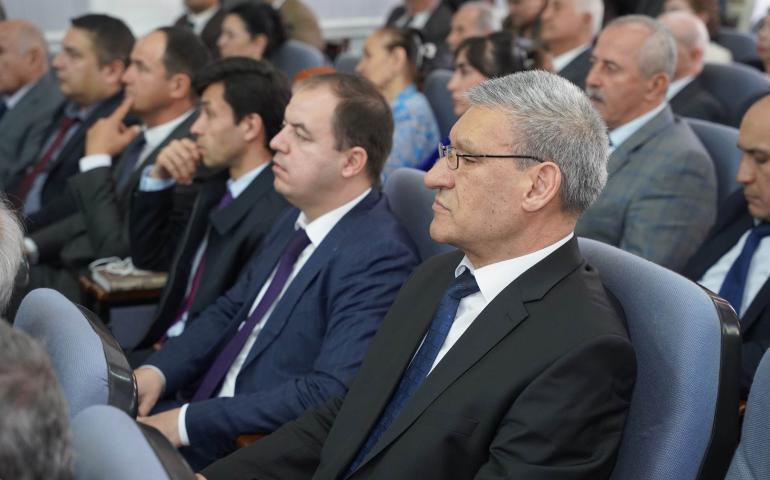
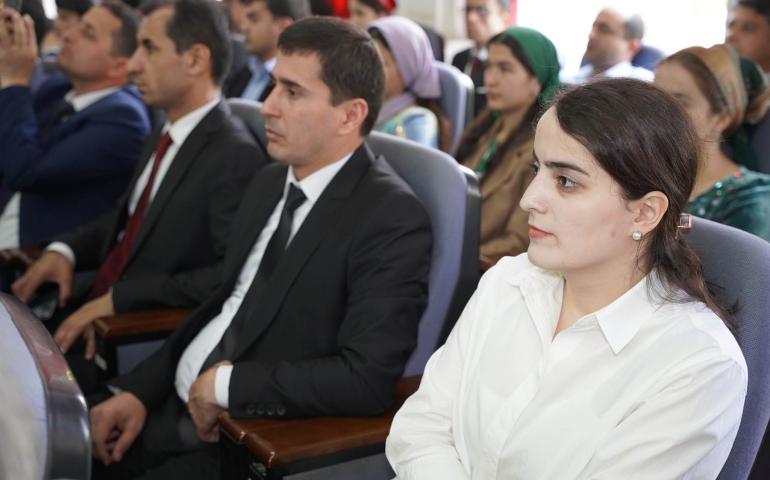
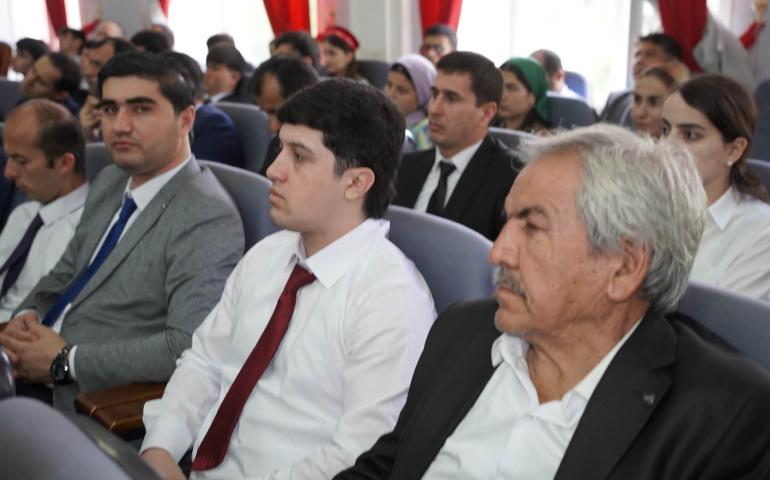
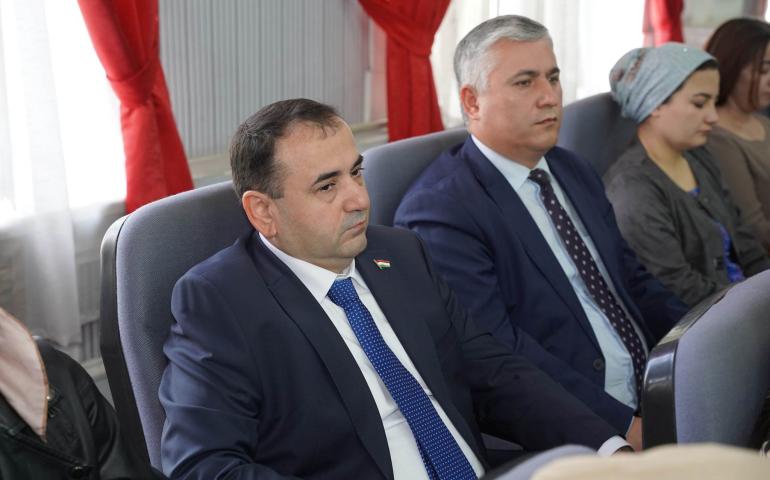
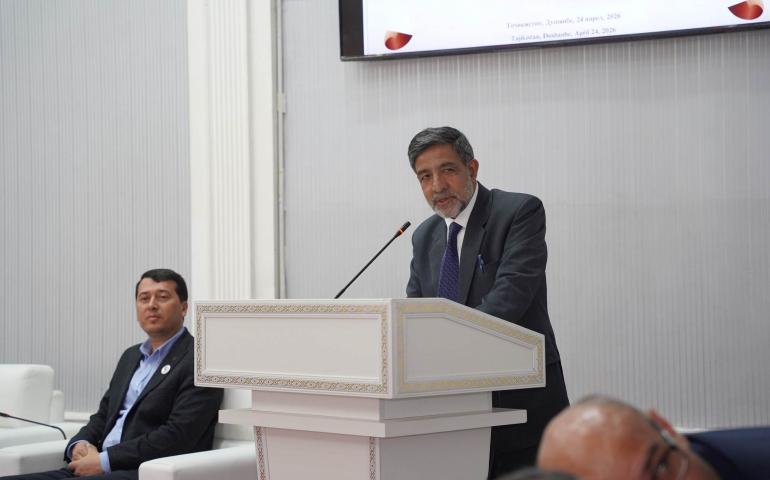
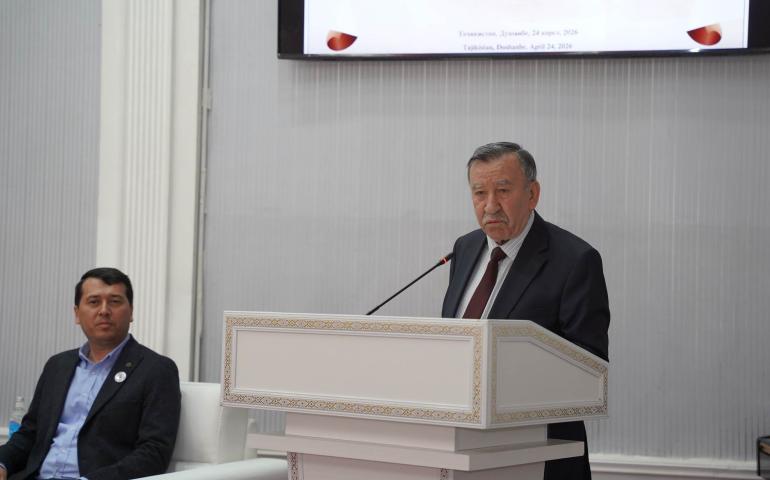
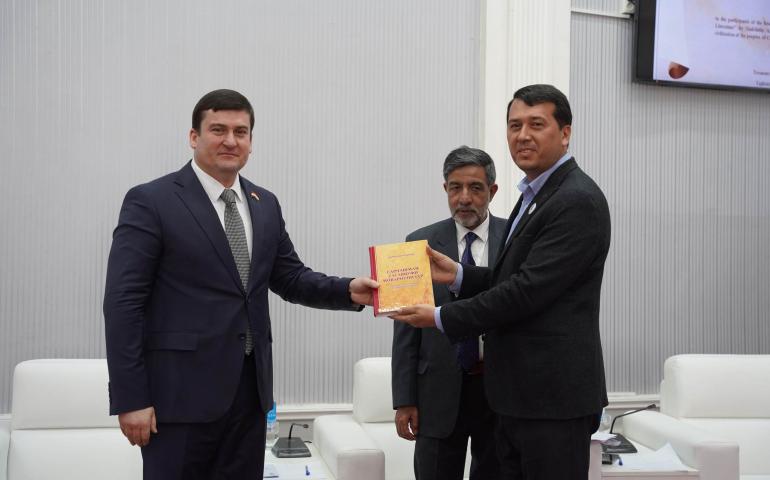
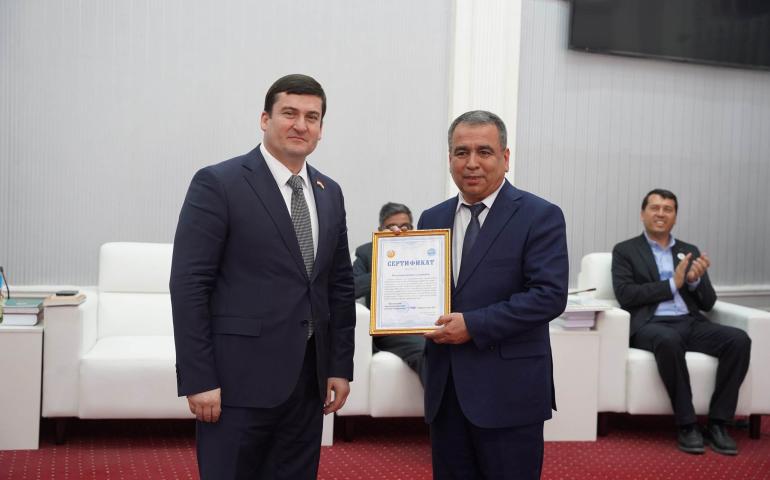
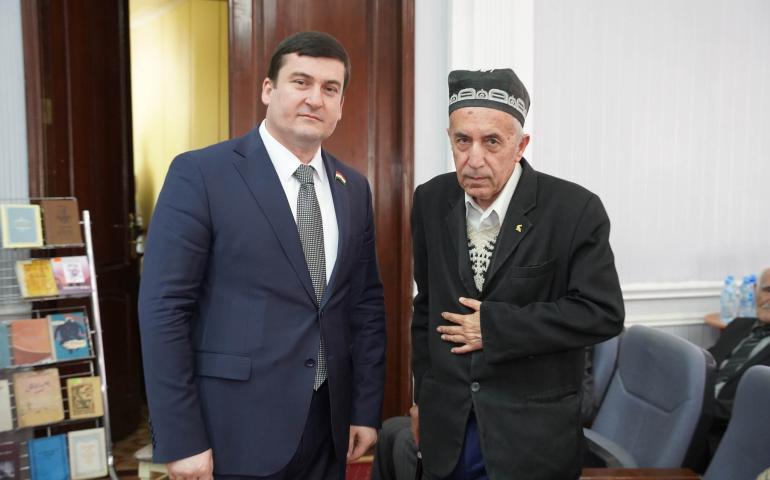
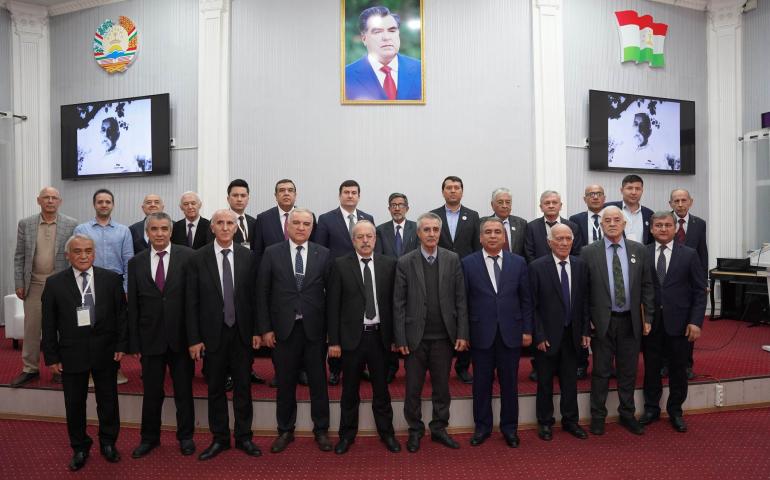
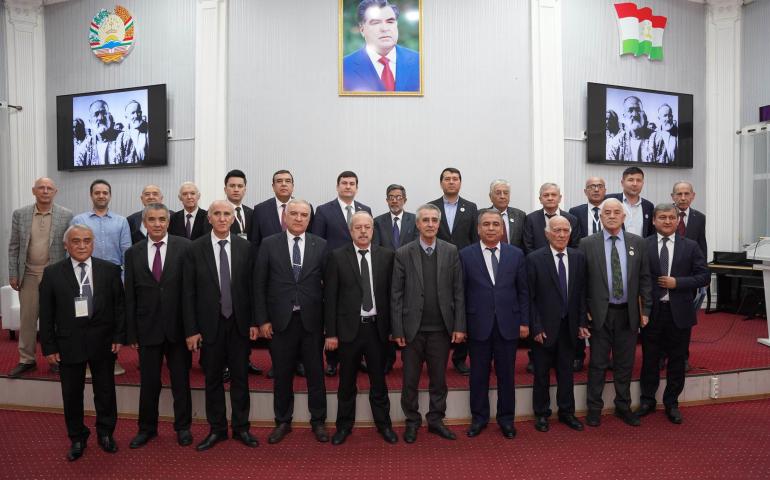
Today, the Chairman of the Majlisi milli of the Majlisi Oli of the Republic of Tajikistan, Chairman of the city of Dushanbe, Honourable Rustam Emomali, held a meeting with a number of archaeologists, historians, cultural experts, and other representatives
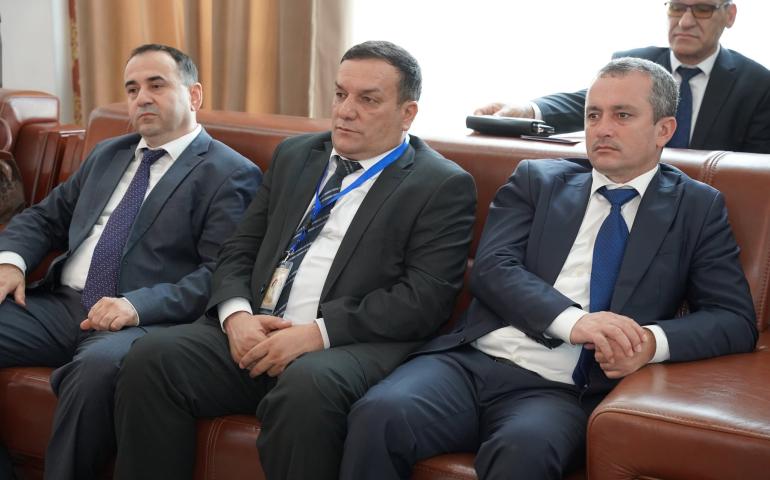
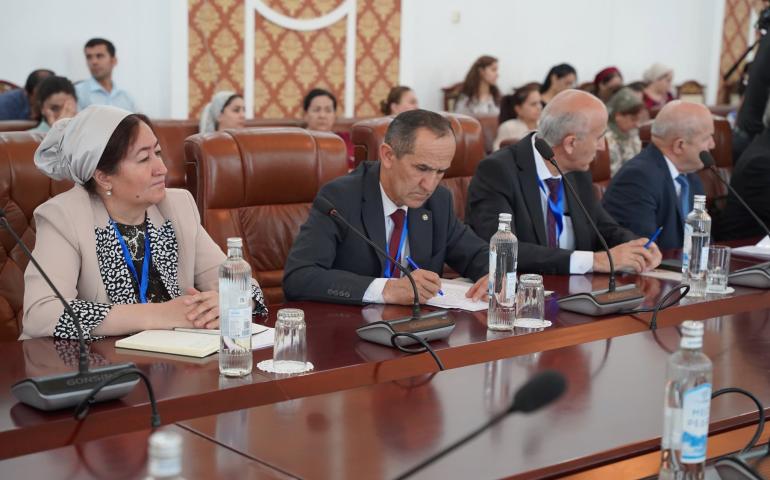
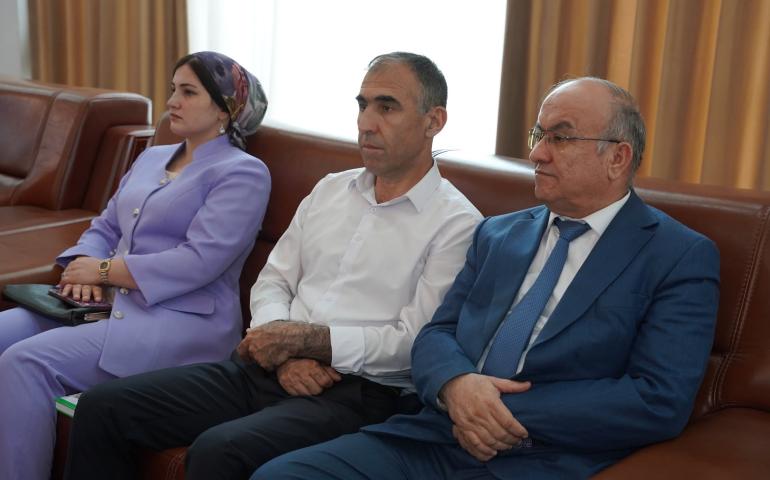
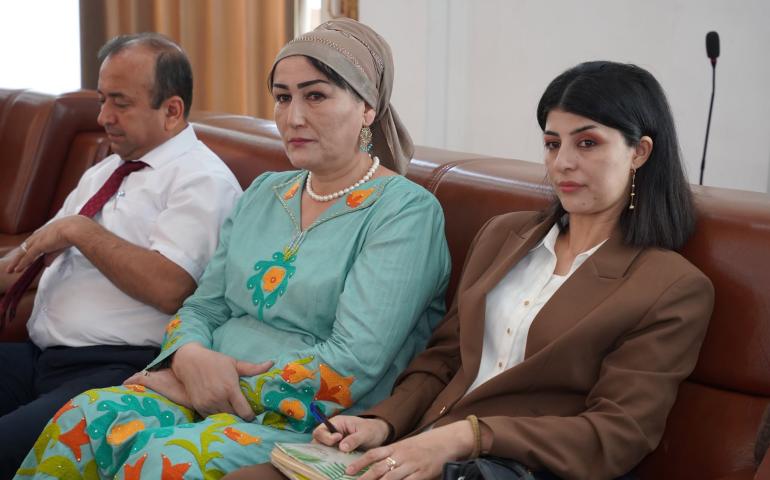
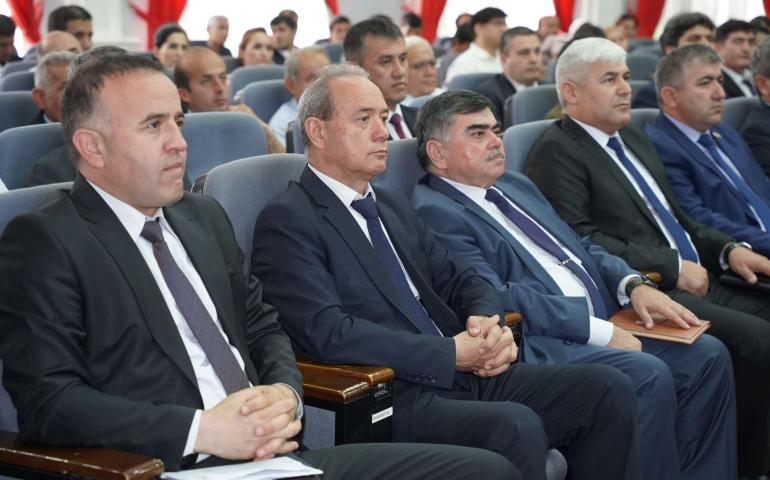
Today, the Chairman of the Majlisi milli of the Majlisi Oli of the Republic of Tajikistan, Chairman of the city of Dushanbe, Honourable Rustam Emomali, held a meeting with a number of archaeologists, historians, cultural experts, and other representatives of science and literature.
During the meeting was discussed the issue of establishing a Complex for the revival of historical memory and the strengthening of national identity in the city of Dushanbe. The participants welcomed the new initiative of Honourable Rustam Emomali and expressed their opinions and proposals on the matter.
@RustamEmomali
ELECTION OF HONORARY AND FOREIGN MEMBERS OF THE NATIONAL ACADEMY OF SCIENCES OF TAJIKISTAN IN 2025


In 2025, by decision of the General Assembly of the National Academy of Sciences of Tajikistan, 11 scholars and prominent figures from foreign scientific institutions were elected as foreign members of the National Academy of Sciences of Tajikistan.
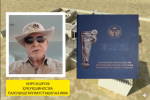
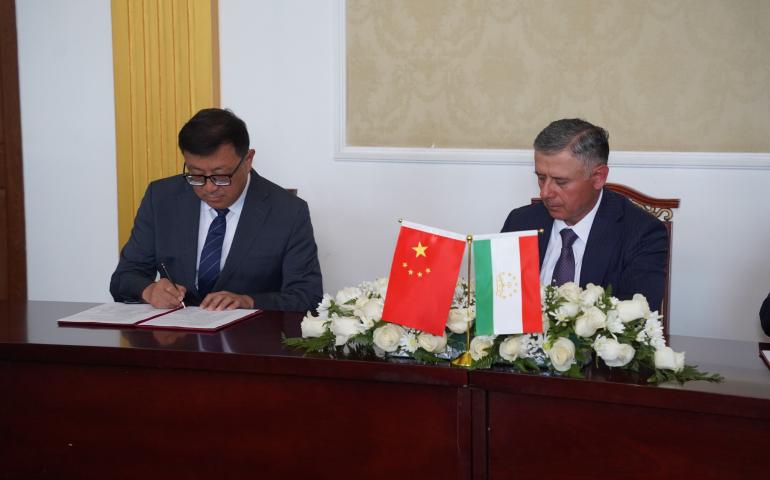
In recognition of their significant contribution to the development of science, strengthening international scientific relations, expanding research cooperation, and supporting joint scientific initiatives, Academician of the Academy of Sciences of the Republic of Uzbekistan Kalandar Abdurakhmonov, President of the Russian Academy of Sciences Gennady Yakovlevich Krasnikov, Head of the Information Department of the Executive Authorities of Shuozhou City of the People’s Republic of China Wu Bao Hua, as well as Zhanseit Kanseitovich Tuymebaev, Nasrullo Abdulloevich Shonazarov, Khojiakbar Aisa, Rahom Asha, Fumiaki Inagaki, Daizo Ishiyama, Ilya Raskin, Xinbo Gao and others were elected as foreign members of the National Academy of Sciences of Tajikistan.
The election of foreign members reflects the recognition of the high level of scientific activity of these individuals and at the same time demonstrates the growing prestige and international standing of the National Academy of Sciences of Tajikistan. The membership of foreign scholars provides a solid foundation for expanding scientific cooperation, exchanging experience, implementing joint projects, and advancing fundamental and applied research.
Furthermore, for the first time in the history of science, the People’s Artist of the Tajik SSR, master actor Hashim Gadoev, was elected an honorary member of the National Academy of Sciences of Tajikistan for his outstanding services in the development of art, his significant contribution to the education of the younger generation, and his role in strengthening the national culture of the Tajik people.
Participation of a Representative of the National Academy of Sciences of Tajikistan in an International Seminar on Digital Archaeology in Xi’an, People’s Republic of China
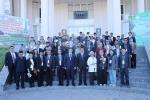
The Director of the National Museum of Antiquities of Tajikistan under the A. Donish Institute of History, Archaeology and Ethnology of the National Academy of Sciences of Tajikistan, Abdurahmon Pulotov, took part in the first Training Course on Digital Archaeology for Central Asian Countries, held from 16 to 25 December 2025 at the Collaborative Research Centre for Archaeology of the Silk Road of Northwest University of the People’s Republic of China, in Xi’an.
During the training seminar, participants became familiar with advanced digital technologies in archaeology, including photogrammetry, three-dimensional (3D) modeling, laser scanning, digital data processing, as well as modern methods for the preservation and presentation of cultural heritage.
The implementation of the training program was actively supported by specialized technological organizations and companies, which presented state-of-the-art equipment and practical solutions in the fields of digital mapping, 3D scanning, spatial modeling, and geospatial data processing. This scientific and technological collaboration enabled participants to apply theoretical knowledge directly through hands-on experience.
The seminar was also attended by representatives and young archaeologists from neighboring countries – Uzbekistan, Kyrgyzstan, Kazakhstan, and Turkmenistan, fostering professional exchange and strengthening regional academic cooperation.
The participation of Abdurahmon Pulotov in this international event is regarded as an important step toward the integration of modern digital technologies into archaeology and museum practice in Tajikistan, and toward the further development of scientific and cultural cooperation between the countries of Central Asia and the People’s Republic of China.
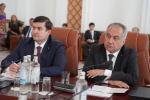
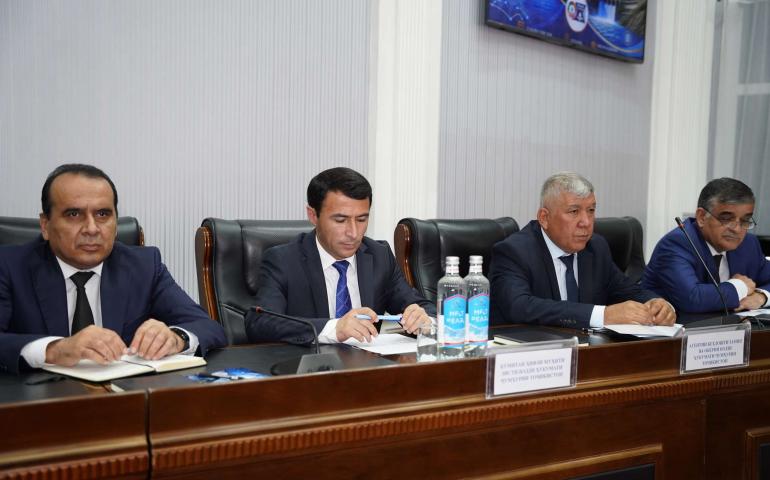
Today, December 24, a meeting was held at the National Academy of Sciences of Tajikistan between the President of the National Academy of Sciences of Tajikistan, Academician Khushvakhtzoda Qobiljon Khushvakht, and Professor Sabzali Musa Khan of the University of Malaysia, as well as Dr. Awang Azman Awang Powi.
During the meeting, the head of the Academy warmly welcomed the guests and provided detailed information on the priority areas of activity of the country’s leading scientific center — the National Academy of Sciences of Tajikistan.
The parties also discussed issues related to conducting field research in the fields of history, preservation of national and cultural values, and comprehensive study of the handwritten manuscripts of prominent scholars and thinkers of Central Asia. In this context, cooperation in research and preservation of cultural heritage, organization of expeditions, and exchange of scientific and research experience were highlighted.
The meeting addressed key areas of cooperation, including the launch of joint research programs, exchange of students and academic staff, organization and holding of seminars and international conferences, as well as strengthening academic ties in the fields of energy, engineering, and new technologies.
It was emphasized that one of the important areas of bilateral cooperation between scientific institutions of Tajikistan and Malaysia is the training of highly qualified scientific personnel at the master’s and doctoral (PhD) levels.
The parties also agreed to further expand cooperation, noting that the signing of a cooperation agreement in the future would be significant for the development of bilateral relations and the strengthening of scientific, cultural, and historical cooperation.
MEETING WITH DEVELOPMENT PARTNERS FROM XI’AN JIAOTONG UNIVERSITY, PEOPLE’S REPUBLIC OF CHINA
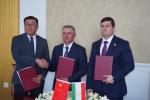
Today, December 17, a meeting was held at the National Academy of Sciences of Tajikistan between the President of the National Academy of Sciences of Tajikistan, Academician Khushvakhtzoda Qobiljon Khushvakht, and development partners from Xi’an Jiaotong University, People’s Republic of China.
The meeting was also attended by Vice President of Xi’an Jiaotong University Bie Chaohun, Executive Vice President of the Research Institute Shao Jingyu, Director of the International Center for New Technology Transfer Wang Wen, Deputy Director of the International Office Meng Xiangli, as well as the President’s Advisor and Head of the Department of International Scientific Relations of the National Academy of Sciences of Tajikistan.
During the meeting, the parties discussed issues related to the implementation of the planned activities for the construction of the buildings of the Scientific Center for Information Technology and the dormitory to implement the joint program for training scientific personnel (Master’s and PhD).
In addition, the meeting addressed the expansion of cooperation in the field of international scientific projects and their joint implementation with the participation of scientists and researchers from Xi’an Jiaotong University, People’s Republic of China.
In this regard, the university representatives expressed their full readiness to cooperate with the President of the National Academy of Sciences of Tajikistan, Academician Khushvakhtzoda Qobiljon Khushvakht. On the sidelines of the visit, based on the agreement between the National Academy of Sciences and Xi’an Jiaotong University, the Xi’an–Tajikistan International Center for New Technology Transfer was inaugurated.
At the same time, the university representatives visited the selected site for the construction of the Scientific Center for Information Technology and the dormitory and commenced construction works on these facilities.
COMMISSIONING OF THE JOINT LABORATORY ON ENVIRONMENTAL MONITORING AND BIG DATA UTILIZATION
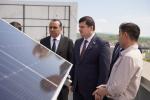
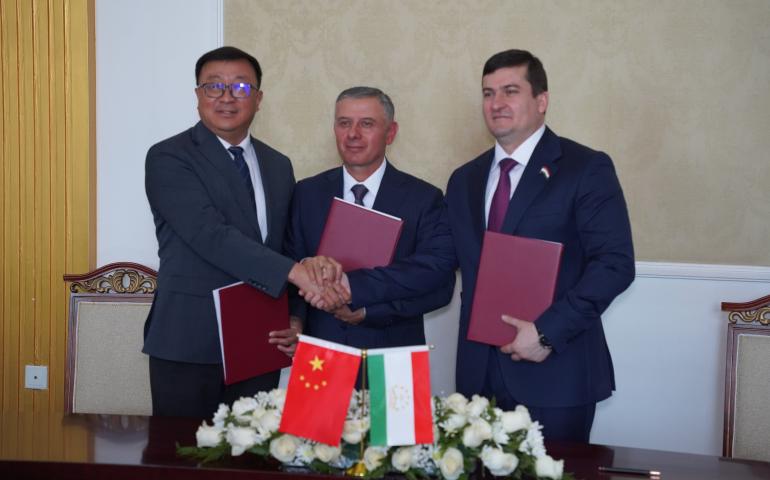
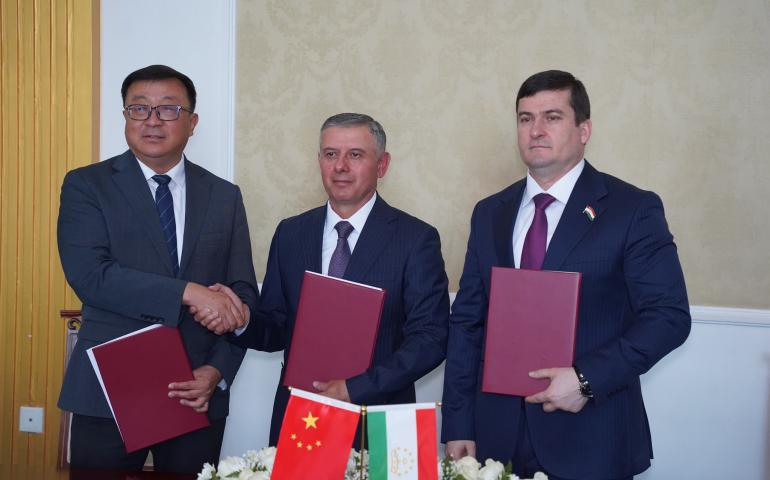
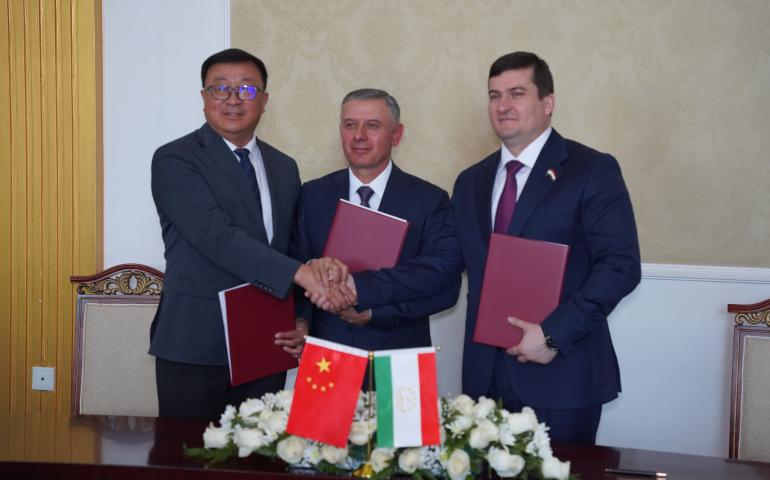
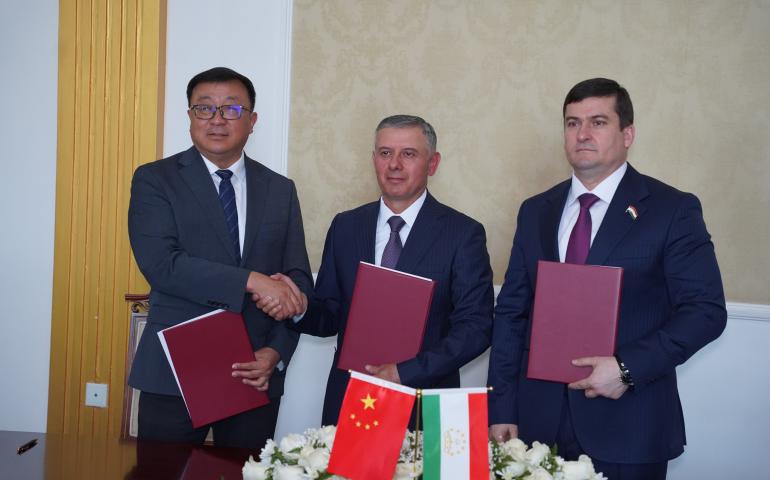
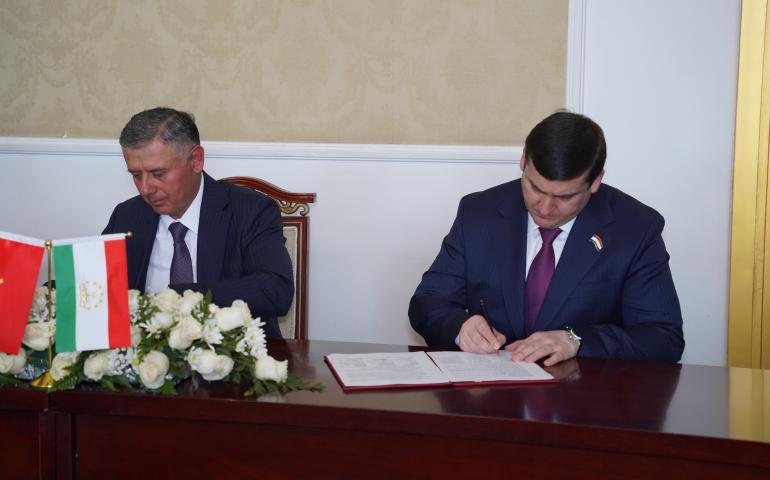
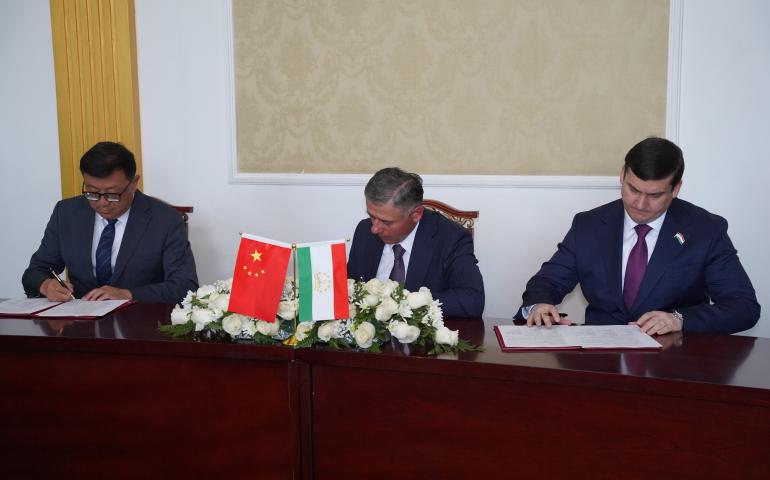
Today, December 10, at the Institute of Water Problems, Hydropower, and Ecology of the Academy of Sciences of Tajikistan, with the participation of the President of the Academy of Sciences of Tajikistan, Academician Khushvakhtzoda Kobiljon Khushvakht, representatives of the Ministry of Transport of the People’s Republic of China, the Ministry of Ecology and Environment of China, and the company Hebei Sailhero Environmental Protection, the joint laboratory on environmental monitoring and big data utilization, equipped with modern technologies, was officially commissioned.
During the opening, it was noted that the advanced equipment installed in the laboratory as part of the joint cooperation and with the support of the Ministry of Transport of the PRC, the Ministry of Ecology and Environment of China, and Hebei Sailhero Environmental Protection is intended for environmental monitoring, quality analysis, and efficient use of natural resources.
The laboratory provides opportunities for scientists from Tajikistan and China to expand scientific collaboration and joint research in the fields of ecology and energy, exchange knowledge and experience, and conduct research at the international level using advanced technologies.
The inauguration of the joint laboratory is an important step in strengthening scientific and technological cooperation between Tajikistan and China, opening wide prospects for sustainable environmental development and scientific progress in both countries. It should be noted that this equipment has been introduced to Tajikistan for the first time, creating new opportunities for advanced environmental research and big data utilization.
The laboratory is equipped with modern and advanced instruments, including a multiparameter water quality analyzer, a portable multiparameter water quality meter P-MP1000, and a networked air quality monitor XHAQSN-822. This equipment is used for environmental monitoring, collection of ecological data, and implementation of joint scientific and technological research.
CEREMONY FOR PRESENTING THE ACHIEVEMENTS OF THE FIRST PHASE OF INTERGOVERNMENTAL SCIENTIFIC AND TECHNOLOGICAL COOPERATION BETWEEN CHINA AND TAJIKISTAN
Today, December 10, at the Institute of Water Problems, Hydropower, and Ecology of the Academy of Sciences of Tajikistan, with the participation of the President of the Academy of Sciences of Tajikistan, Academician Khushvakhtzoda Kobiljon Khushvakht, representatives of the Ministry of Transport of the People’s Republic of China, the Ministry of Ecology and Environment of China, and the company Hebei Sailhero Environmental Protection, a ceremony was held to present the achievements of the first phase of intergovernmental scientific and technological cooperation between China and Tajikistan.
In his opening remarks, the President of the Academy of Sciences of Tajikistan, Academician Khushvakhtzoda Kobiljon Khushvakht, warmly welcomed the guests and noted that for more than three decades, following the restoration of diplomatic relations, friendly ties and constructive cooperation between our countries have been steadily strengthening. Today, this cooperation spans the economy, infrastructure, education, science, and technology, reaching a qualitatively new level.
It was emphasized that intergovernmental scientific and technological cooperation is one of the key directions of bilateral relations. This constructive cooperation, implemented through official mechanisms, contributes to the development of scientific integration, the introduction of modern technologies, and the strengthening of the scientific potential of both Tajikistan and China.
It was also noted that in the context of rapid climate change, global competition, and challenges in food and energy security, countries capable of effectively applying scientific knowledge and innovation gain a strategic advantage. For Tajikistan, intergovernmental scientific and technological cooperation with China serves as a powerful tool to achieve these goals. It enables the enhancement of the country’s scientific and technical potential, access to advanced technologies and laboratory infrastructure, development of human resources and scientific competencies, strengthening the state’s capacity to respond to climate and natural challenges, and support for strategic sectors, including water resources, ecology, agriculture, energy, and biodiversity. All of these make cooperation not only beneficial but essential for the sustainable development of the country.
Following this, representatives of the Ministry of Transport of the PRC and the Ministry of Ecology and Environment of China delivered detailed presentations on the results of the first phase of cooperation. They highlighted practical achievements, including the establishment of new laboratories, implementation of advanced technologies, expansion of scientific infrastructure, and introduction of new methods in the fields of ecology and hydropower. In addition, they outlined opportunities for future cooperation in scientific and technological areas, including human resource development, enhancement of scientific expertise, deployment of innovative equipment, and expansion of joint research for sustainable economic and environmental development.
These presentations demonstrated that the cooperation between the two countries has not only produced tangible results but also opens wide prospects for strengthening scientific integration, adopting modern technologies, and enhancing the scientific potential of both nations.
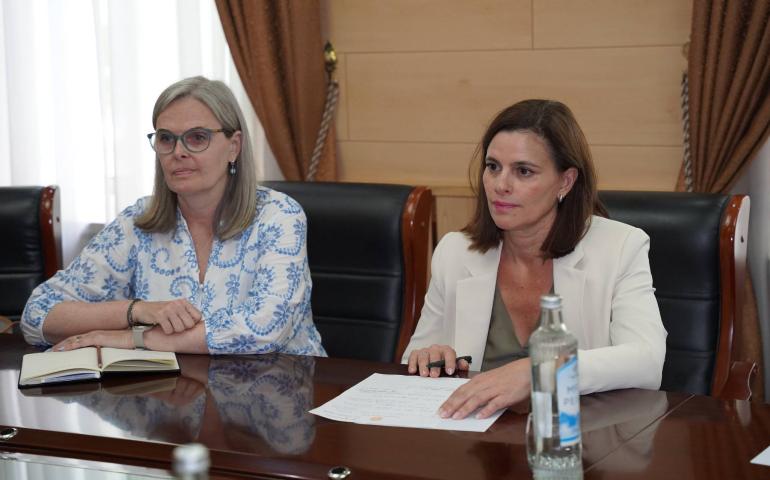
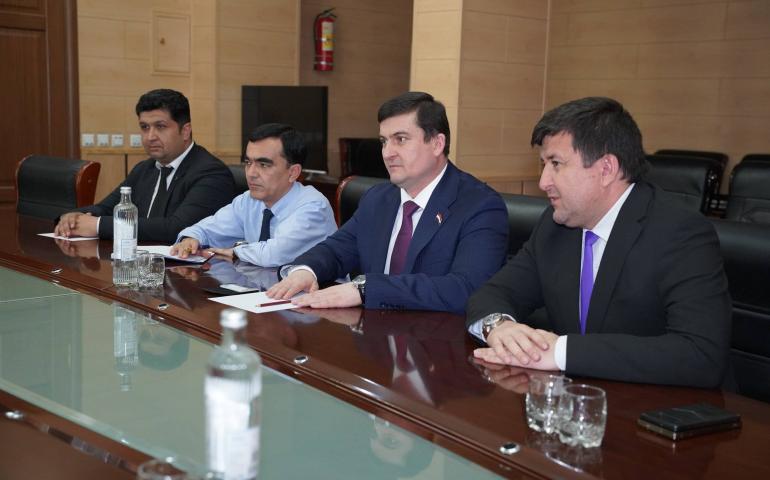
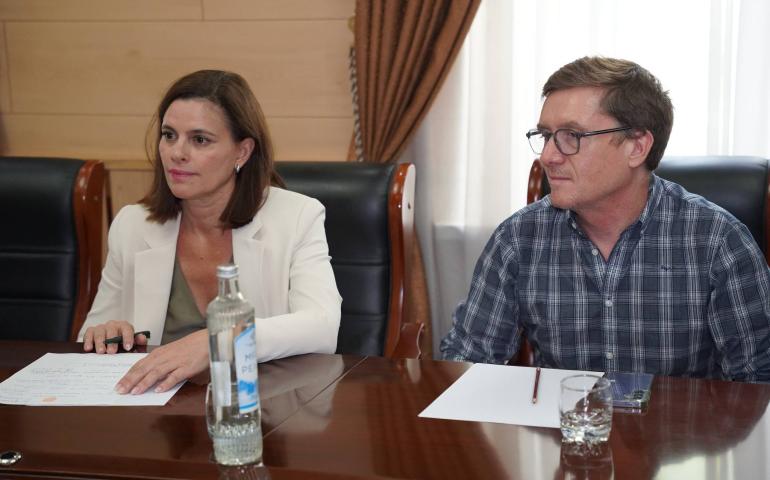
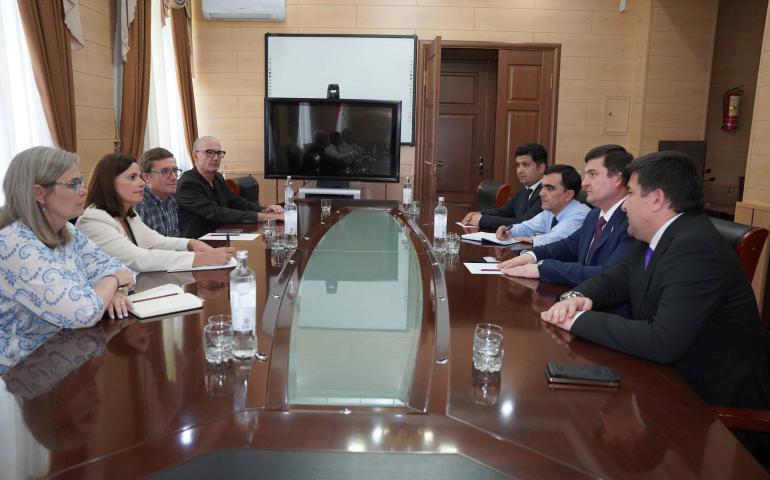
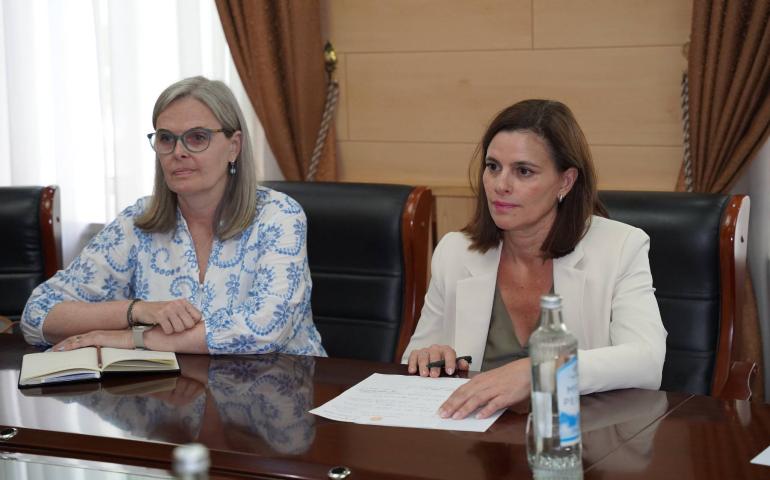
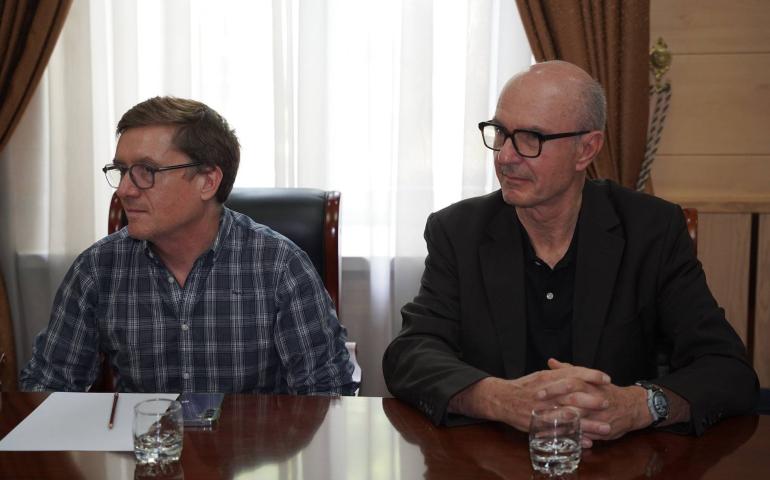
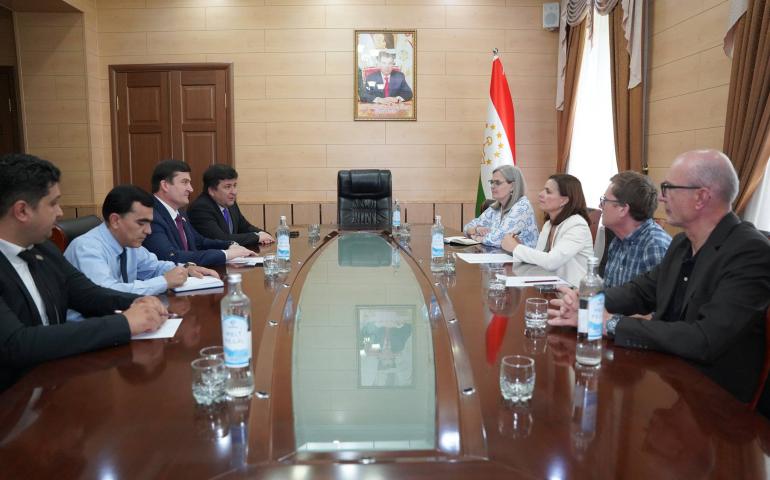
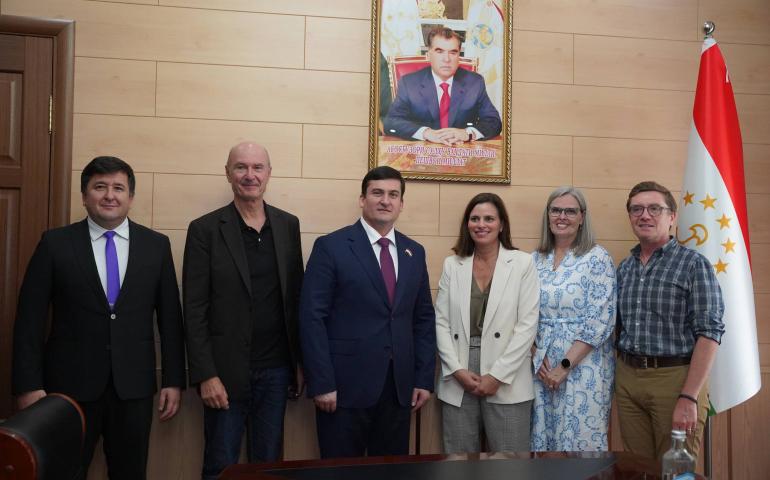
Today, on December 1, the President of the National Academy of Sciences of Tajikistan, Academician Khushvakhtzoda Qobiljon Khushvakht, held a meeting with the Head of the Regional Programme for Central Asia, Andre Algermissen, and the Project Coordinator for Central Asia, Ashraf Alikulov.
During the meeting, the parties exchanged views on strengthening scientific cooperation within the framework of the Regional Programme for Central Asia and emphasized the need to develop effective coordination mechanisms between scientific institutions of the region and international organizations. It was noted that scientific cooperation and the use of the intellectual potential of Central Asian countries are among the key factors in ensuring sustainable regional development.

The President of the National Academy of Sciences of Tajikistan, Academician Khushvakhtzoda Qobiljon Khushvakht, stressed that the National Academy of Sciences of Tajikistan is ready to enhance cooperation in priority scientific areas, including natural sciences, energy, ecology, information technologies, and climate change studies. It was noted that the implementation of joint projects would contribute to strengthening scientific capacity, attracting qualified specialists, and developing the country’s scientific infrastructure.
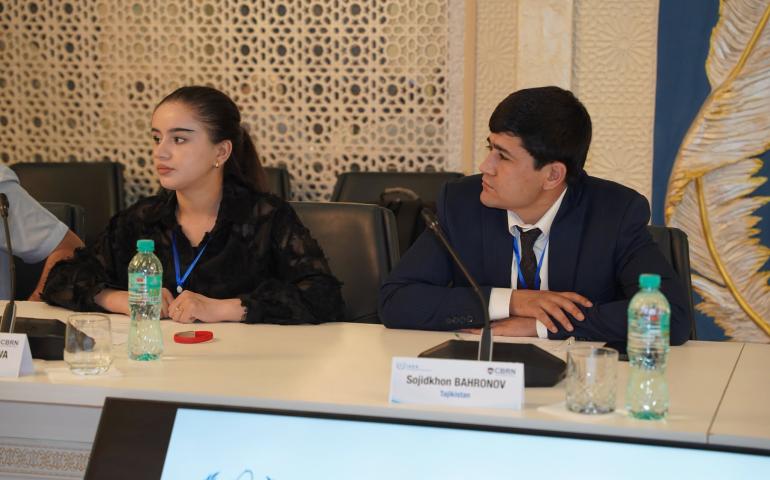
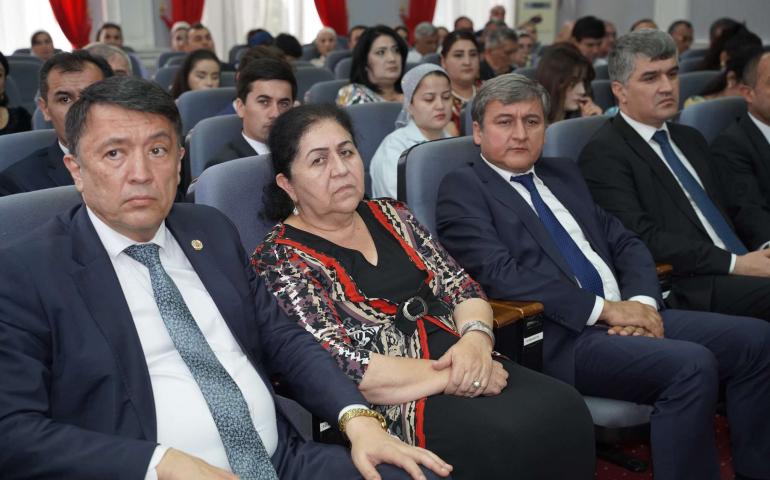
Further, the Head of the Regional Programme, Andre Algermissen, expressed satisfaction with cooperation with the Republic of Tajikistan and emphasized that within its mandate, the Programme is ready to provide comprehensive support for new scientific and innovative initiatives, the organization of training programmes, human capacity development, and the expansion of regional scientific networks. It was also noted that effective scientific ties can have a positive impact on strengthening regional stability and security, as well as on improving natural resource management mechanisms.
At the conclusion of the meeting, the parties underscored the importance of developing science diplomacy and expressed their readiness to elaborate specific cooperation plans, hold joint conferences and seminars, and expand relations with international organizations.